



Best Sowing Season: February - April & September - November


- Choosing a selection results in a full page refresh.

Available 24/7 at
0300 110 7787
Approx. 50 seeds per pack.
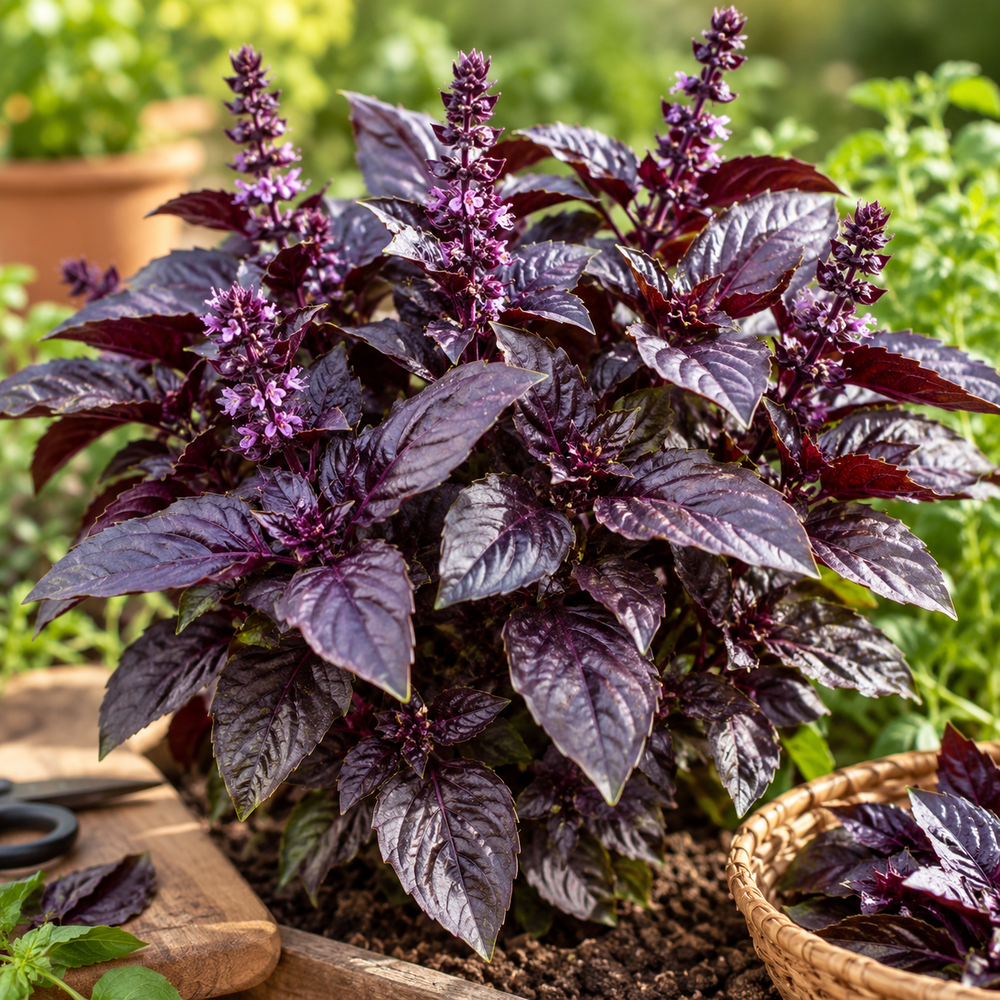
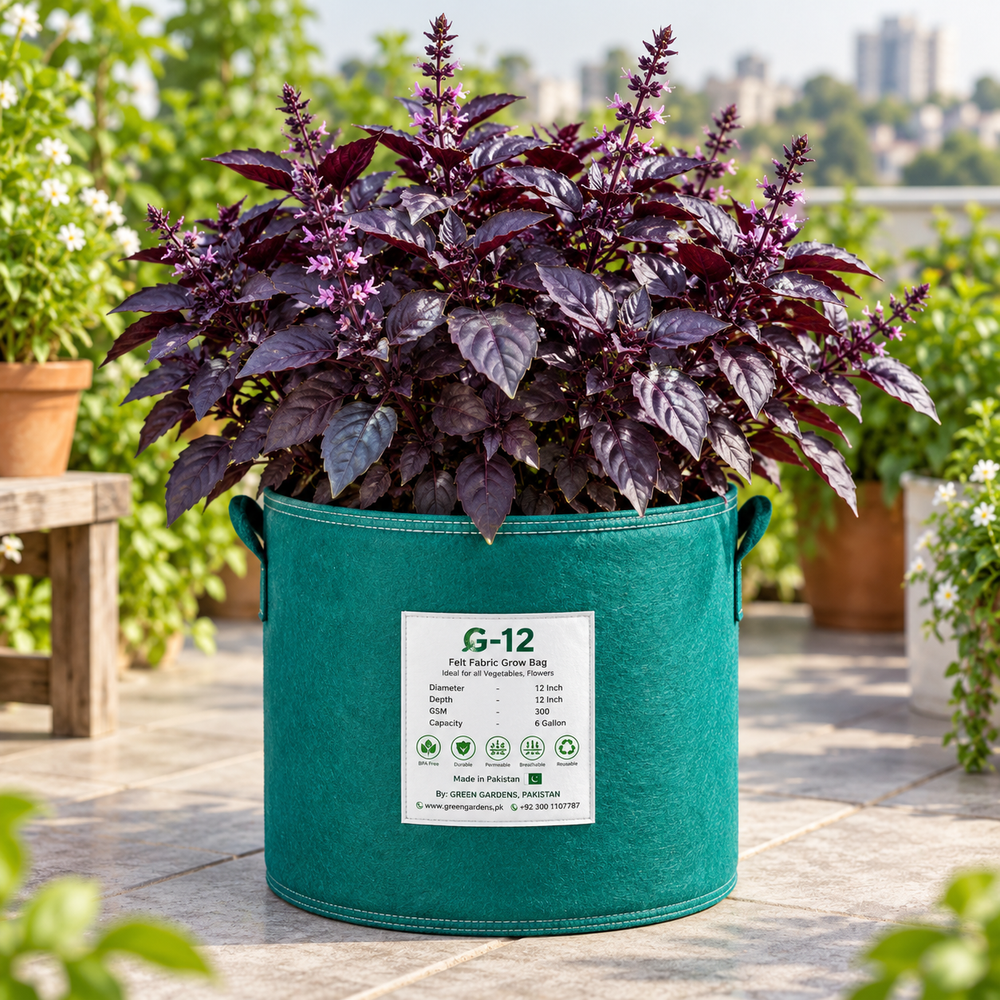
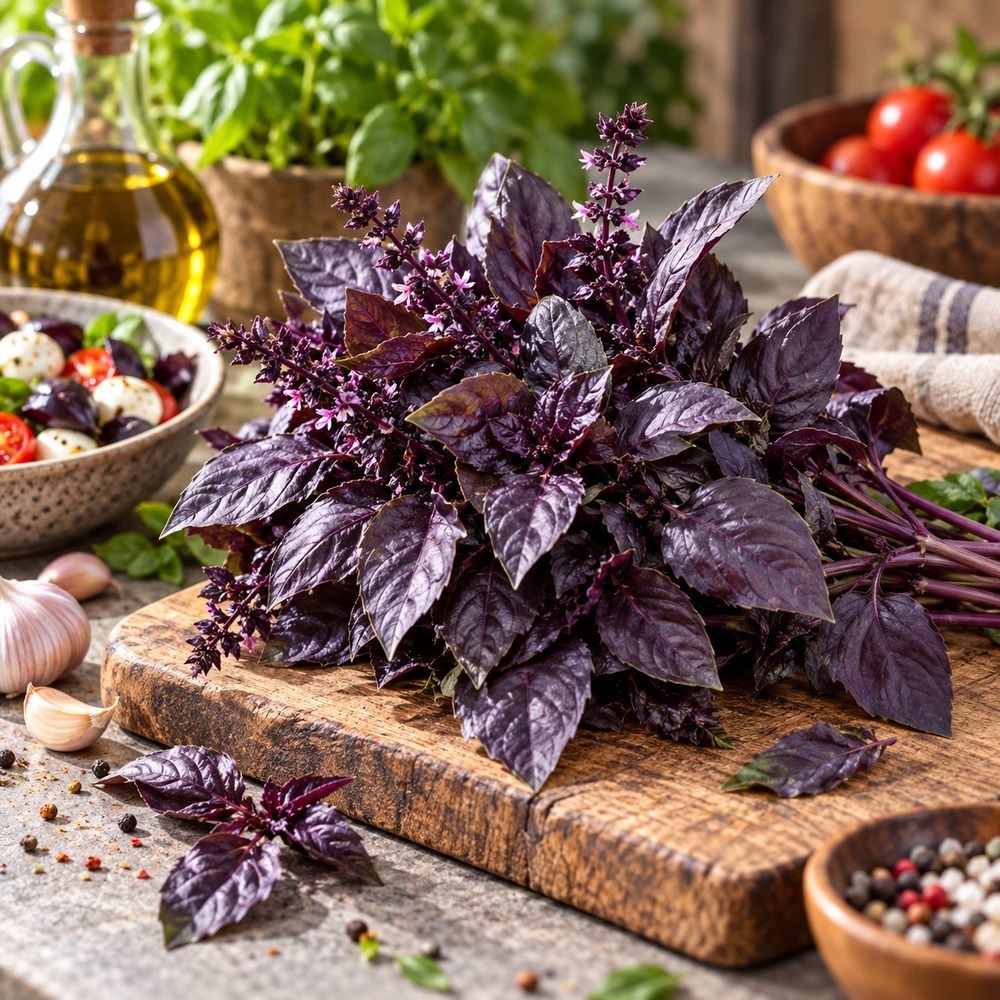
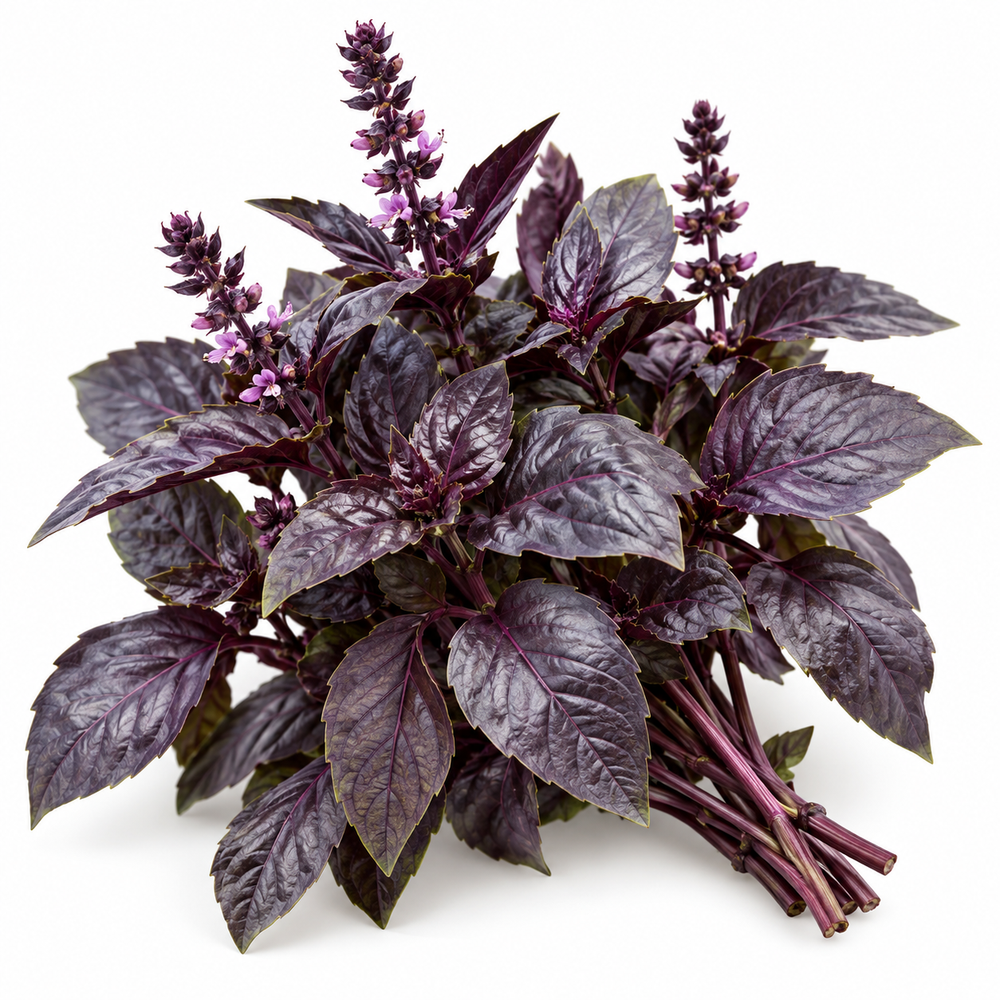
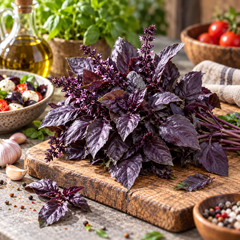
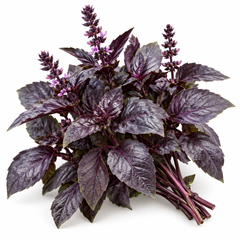
Grow Sweet Basil Purple, an attractive aromatic basil variety producing striking deep-purple to purple-green leaves with a rich, spicy-sweet fragrance and excellent culinary flavour.
This eye-catching herb combines ornamental beauty with everyday kitchen use and is ideal for fresh harvesting throughout the growing season.
Excellent for salads, pasta, pizza, pesto, sauces, herbal drinks, garnishing and Mediterranean-style dishes.
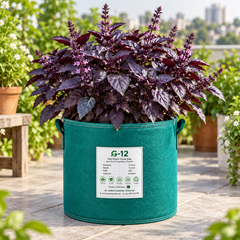
Suitable for kitchen gardens, raised beds, pots and grow bags.
Germination Time: 7–14 days
Suitable Temperature: 18°C–28°C
Best Sowing Season: February - April & September - November
Couldn't load pickup availability
Free standard shipping on orders over RS 5000
Sweet Basil Purple belongs to the species:
Ocimum basilicum
It is an aromatic culinary herb distinguished by its:
Purple basil develops its strongest foliage colour when plants receive good sunlight.
Under insufficient light, leaves may become greener and plants may develop weaker growth.
Exact leaf colour, plant size, flowering time and growth habit may vary according to seed strain, sunlight, temperature, soil fertility and crop management.
Sweet Basil Purple is especially suitable for:
Young tender leaves generally provide the best:
Purple leaves also add attractive colour contrast to salads and plated dishes.
G-11 Grow Bag – 11 × 10 inch 🔗
Suitable for one well-developed Sweet Basil Purple plant or a small closely managed planting.
G-12 Grow Bag – 12 × 12 inch 🔗
Recommended for one vigorous plant with additional root space and improved moisture stability.
For normal container cultivation:
G-11 or G-12
is a practical choice.
Regular pinching helps keep container-grown basil compact and bushy.
Use fertile, loose and well-drained soil rich in organic matter.
A practical GREEN GARDENS mix can be:
50% Bhalu Mitti (Sandy Soil) + 50% Vermicompost 🔗
Sweet Basil Purple prefers:
An approximate soil pH of:
6.0–7.5
is suitable.
Avoid continuously waterlogged soil.
Sweet Basil Purple can be started in:
It may also be direct sown into the final growing location during suitable mild weather.
Use a loose and well-drained seed-starting medium.
Sow seeds approximately:
0.5 cm deep
The current GREEN GARDENS listing recommends approximately ¼ inch deep.
Cover lightly with fine soil.
Water gently using a fine spray.
Avoid burying seeds too deeply.
Seeds generally germinate within:
7–14 days
under suitable conditions.
Maintain approximately:
18°C–28°C
for good establishment.
Keep the growing medium:
Avoid permanently saturated soil.
After germination, provide:
Avoid keeping seedlings continuously wet.
As seedlings develop, gradually increase their exposure to direct sunlight.
If several seedlings emerge very close together, thin them carefully.
Retain the:
Adequate space helps improve branching and airflow.
Transplant seedlings when they are:
Move plants into:
Water gently after transplanting.
Maintain approximately:
25–30 cm between mature plants
where practical.
The GREEN GARDENS listing recommends approximately 10–12 inches spacing.
Proper spacing encourages:
Provide approximately:
5–6 hours or more of direct sunlight daily.
The current GREEN GARDENS listing recommends approximately 5–6 hours daily and notes that plants can tolerate partial shade.
Good sunlight is especially important for:
Excessive shade can reduce purple colour intensity.
Keep soil:
Slightly moist but not waterlogged.
Water when the upper soil begins to dry.
Avoid:
Whenever possible, water around the root zone instead of repeatedly wetting the foliage.
Before planting, incorporate:
Sweet Basil Purple responds well to fertile organic soil.
Additional Vermicompost may be applied lightly around established plants when required.
Avoid excessive nitrogen because overly rich feeding may encourage soft growth.
Regular pinching is highly recommended.
Once plants develop several sets of leaves, pinch the growing tip just above a leaf pair.
This encourages:
The GREEN GARDENS listing also recommends regular tip pinching for bushier growth.
Mature basil plants eventually produce flowering spikes.
If the main purpose is leaf production:
Remove flower spikes early.
Removing flowers helps encourage continued vegetative growth and maintains better leaf quality.
If flowers are allowed to develop, they can attract pollinating insects.
During very hot weather:
Containers can dry faster than open soil, especially on rooftops.
Sweet Basil is sensitive to severe cold.
During winter:
Mild winter conditions can support good growth.
Inspect plants regularly for:
Check tender growing tips and lower leaf surfaces.
Maintain good airflow and avoid excessive overcrowding.
Possible problems may include:
Maintain:
Avoid continuously wet foliage.
Leaves can generally begin to be harvested once plants reach approximately:
15–20 cm in height
or develop enough healthy foliage to support repeated cutting.
The current GREEN GARDENS listing recommends harvesting once plants reach approximately 6–8 inches.
Harvest:
Young tender growing tips and mature leaves
using:
Always leave enough healthy foliage on the plant to support continued growth.
Sweet Basil Purple responds very well to regular harvesting.
For continuous production:
Regular harvesting encourages new branching.
For a longer seasonal supply, sow:
Small batches at intervals
during suitable weather.
This provides plants at different growth stages and extends the harvesting period.
For productive Sweet Basil Purple:
G-11 Grow Bag – 11 × 10 inch 🔗
Thanks for subscribing!
This email has been registered!


We are here to assist you