





Best Sowing Season: October - March


- Choosing a selection results in a full page refresh.

Available 24/7 at
0300 110 7787
Approx. 300–400 seeds per pack.
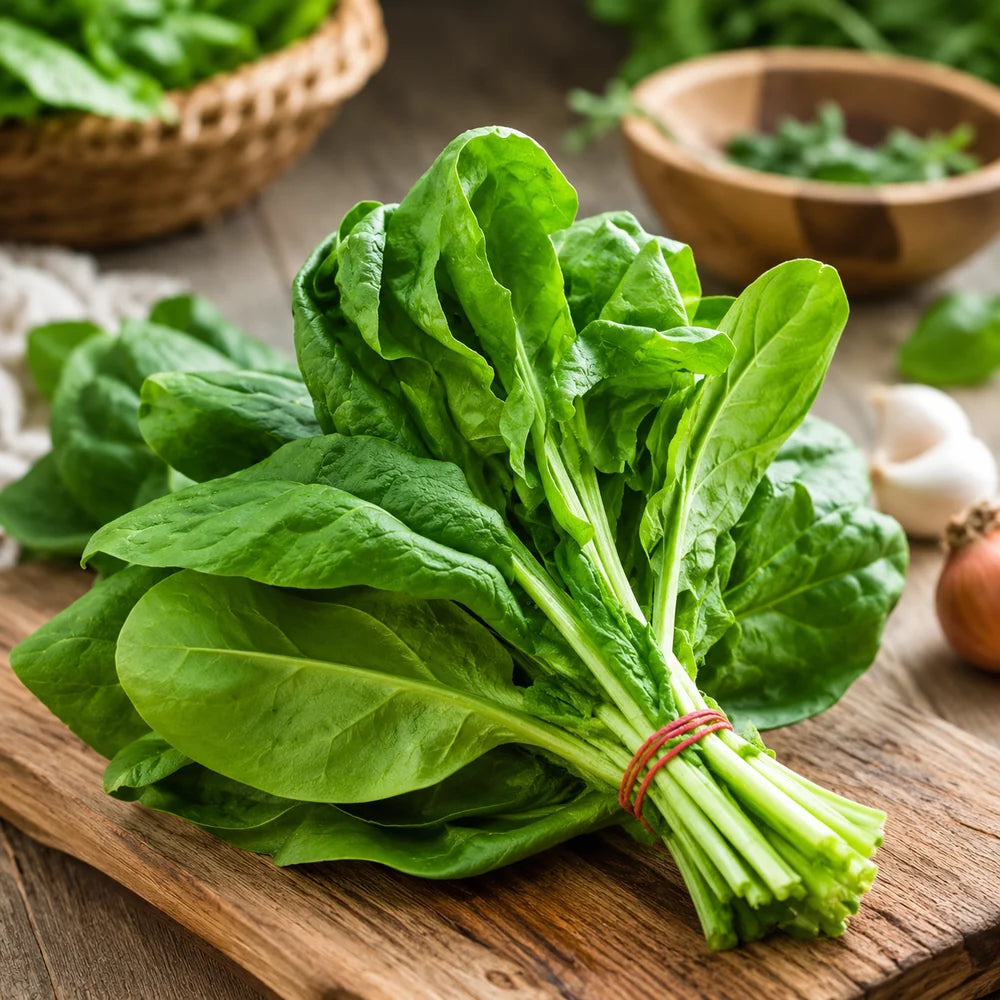
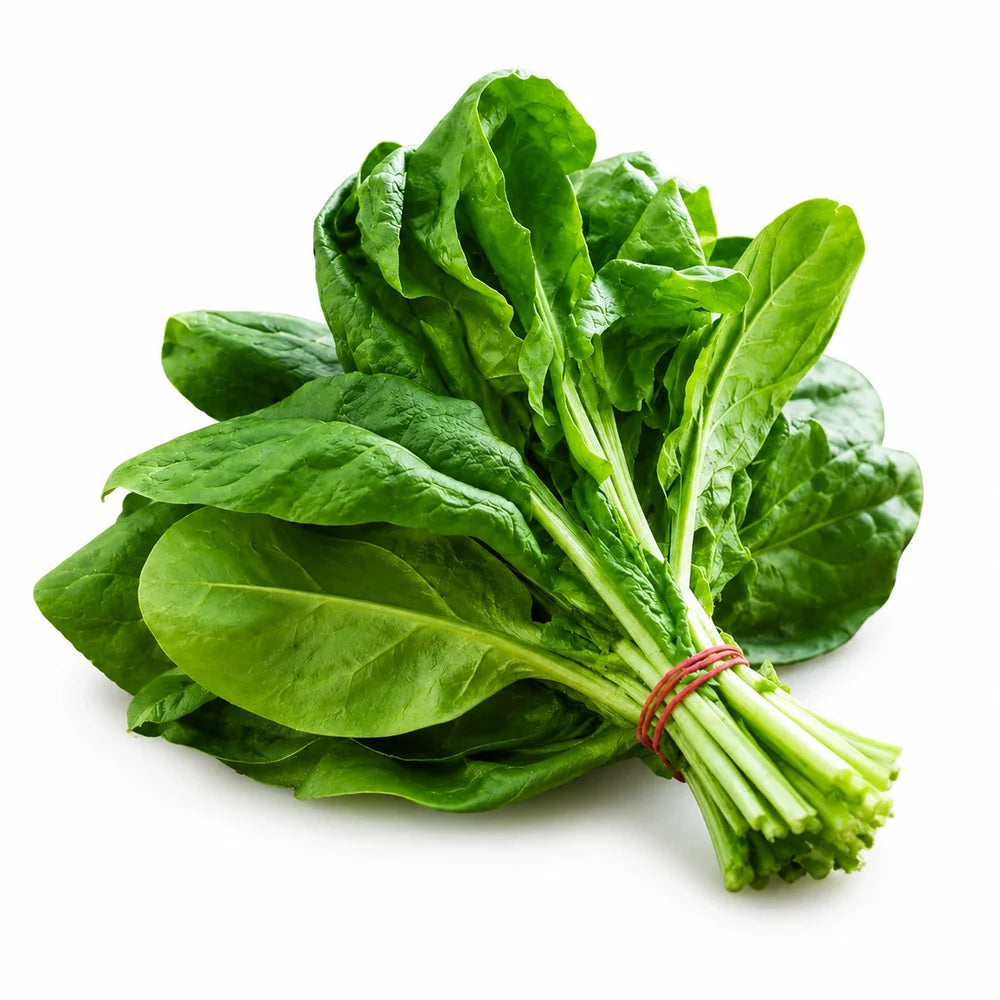
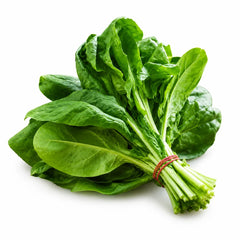
Grow Spinach F1 Hybrid (Broad Leaf), a vigorous and fast-growing leafy vegetable producing large, tender, dark-green leaves with excellent texture and flavour.
This productive hybrid is suitable for repeated harvesting and is an excellent choice for fresh home-grown spinach throughout the suitable growing season.
Ideal for kitchen gardens, raised beds, pots and grow bags.
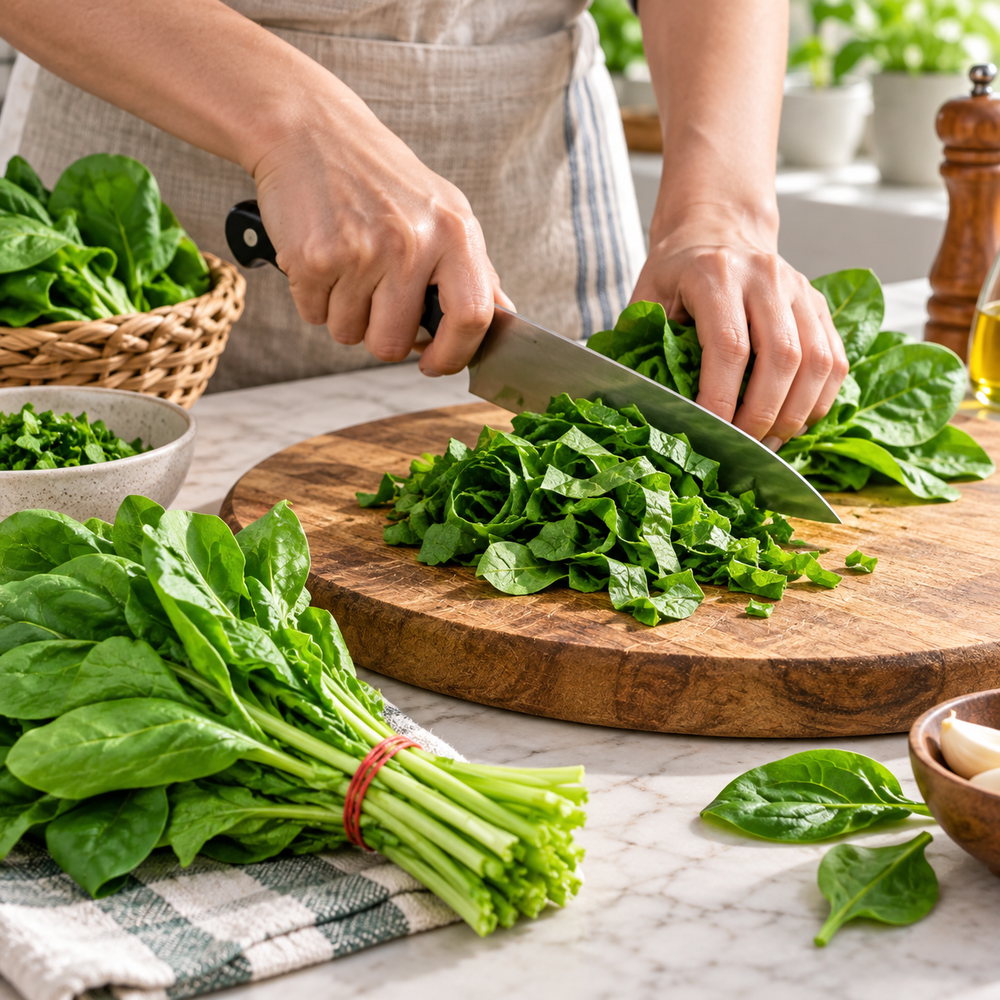
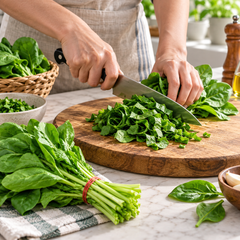
Excellent for cooked spinach dishes, soups, stir-fries, curries, pasta, omelettes, salads and everyday home cooking.
Germination Time: 7–10 days
Suitable Temperature: 15°C–28°C
Best Sowing Season: October - March
Couldn't load pickup availability
Free standard shipping on orders over RS 5000
It is very much.
Spinach belongs to the species:
Spinacia oleracea
This F1 Hybrid Broad Leaf type is grown specifically for vigorous leafy growth and large, tender foliage.
Plants develop:
The broad leaves provide excellent usable leaf area and are particularly convenient for home cooking.
Because this is an F1 hybrid, plants are selected for improved uniformity and performance compared with many ordinary seed populations.
Exact leaf size, maturity, plant height and yield may vary according to temperature, soil fertility, spacing, sunlight and crop management.
Broad Leaf Spinach is suitable for:
Young leaves can be harvested for:
Larger mature leaves are particularly suitable for:
G-11 Grow Bag – 11 × 10 inch 🔗
Suitable for growing a compact group of Spinach plants.
G-12 Grow Bag – 12 × 12 inch 🔗
Provides additional growing area and moisture stability for a fuller Spinach planting.
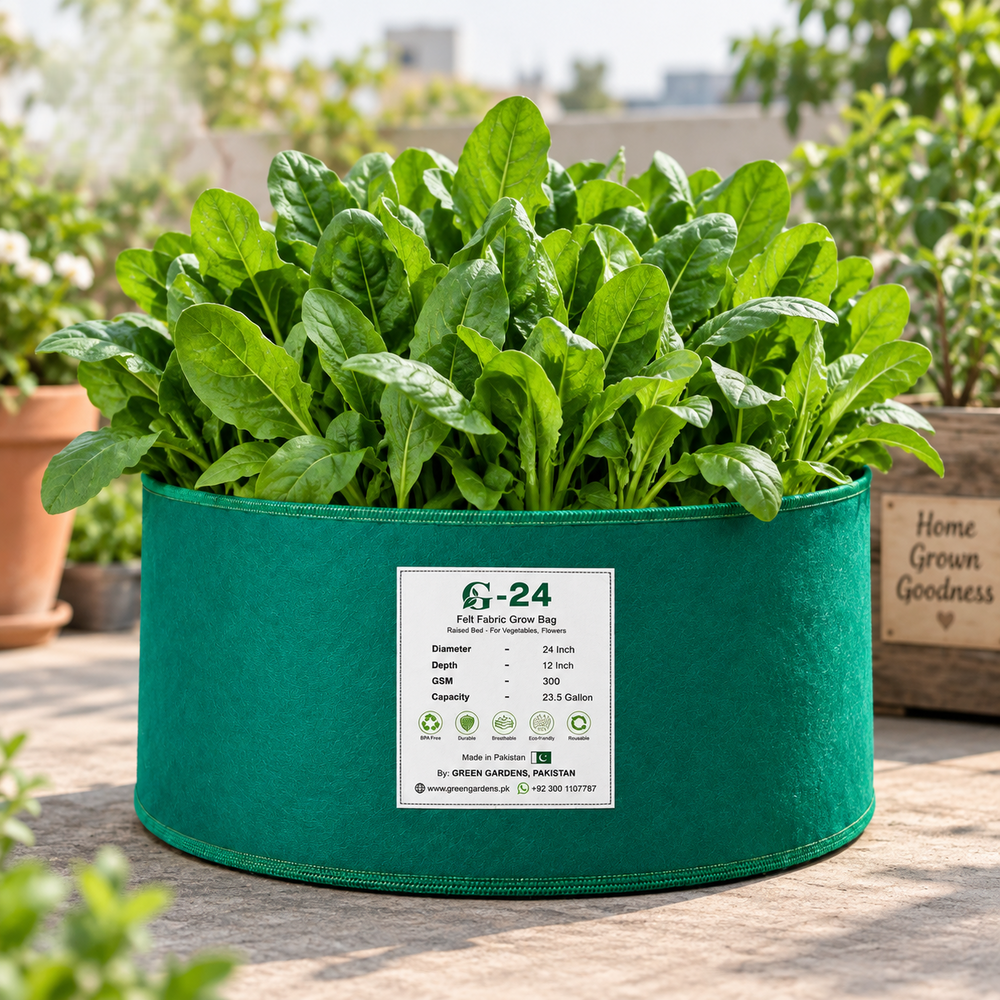
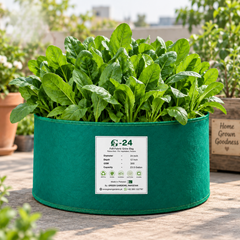
G-24 Grow Bag – 24 × 12 inch 🔗
Highly recommended for Spinach.
Its broad growing surface allows multiple plants to be grown together with suitable spacing and provides an excellent small raised-bed effect.
Because Spinach has a relatively shallow root system, wider grow bags are particularly useful for producing more leaves in a limited space.
Use fertile, loose and well-drained soil rich in organic matter.
A practical GREEN GARDENS mix can be:
50% Bhalu Mitti (Sandy Soil) + 50% Vermicompost 🔗
Spinach prefers:
An approximate soil pH of:
6.0–7.0
is suitable.
Avoid continuously waterlogged soil.
Prepare the growing area before sowing.
Remove:
Mix GREEN GARDENS Vermicompost thoroughly into the soil.
Prepare a fine, level surface for uniform seed germination.
Spinach is best grown by:
Direct sowing
Sow seeds approximately:
0.5–1 cm deep
Cover lightly with fine soil.
Water gently immediately after sowing.
Avoid burying seeds too deeply.
Seeds generally germinate within:
7–10 days
under suitable conditions. GREEN GARDENS' current listing gives the same germination range.
Maintain approximately:
15°C–28°C
for good establishment.
Keep the growing medium consistently moist during germination.
Avoid waterlogging.
After germination, provide:
Avoid allowing seedlings to dry severely.
Young Spinach develops rapidly when moisture and fertility remain consistent.
Thin overcrowded seedlings once they become established.
For full-sized plants, maintain approximately:
10–15 cm between plants
For baby-leaf production, plants may be grown more closely together.
Proper thinning encourages:
Provide approximately:
4–6 hours or more of sunlight daily.
During cool weather, Spinach can benefit from good direct sunlight.
During warmer conditions:
Morning sun with some protection from severe afternoon heat can help maintain tender foliage.
Avoid deep shade because insufficient light may produce weak and elongated growth.
Spinach requires regular and consistent moisture.
Keep soil:
Evenly moist but not waterlogged.
Water regularly during:
Avoid:
Consistent moisture helps maintain:
Before sowing, enrich the soil with:
Spinach is grown primarily for foliage and performs best in fertile soil.
Additional Vermicompost may be applied lightly around established plants when required.
Balanced fertility encourages:
Avoid excessive fertilizer application.
Although this hybrid has better adaptability than many traditional Spinach types, extreme summer heat can still affect growth.
During warmer periods:
High temperatures combined with dry soil may cause premature flowering.
Remove weeds regularly while Spinach plants are young.
Weeds compete for:
Remove weeds carefully because Spinach has a relatively shallow root system.
Avoid excessive overcrowding.
Good airflow helps maintain healthy foliage and reduces conditions favourable for fungal problems.
Provide suitable spacing in:
Inspect plants regularly for:
Check both upper and lower leaf surfaces.
Young tender growth should be inspected frequently.
Early detection makes pest management easier.
Possible problems can include:
Maintain:
Avoid keeping leaves continuously wet, particularly during cool and humid weather.
Leaves may generally become ready for harvesting approximately:
30–40 days after sowing
under favourable conditions.
The current GREEN GARDENS listing also gives approximately 30–40 days for harvesting.
Actual harvest timing depends on:
For baby Spinach:
Harvest young leaves while they are:
Baby leaves are suitable for:
For larger leaves, allow plants additional time to develop.
Harvest:
Outer mature leaves first
while leaving the central growing point intact.
This allows plants to continue producing fresh foliage.
Use:
Broad Leaf Spinach is well suited to repeated harvesting.
For continuous production:
Regular harvesting encourages continued fresh leaf production.
Plants may also be harvested completely when they reach the desired size.
Hold the plant close to the base and cut cleanly above or near soil level.
Whole-plant harvesting is useful where the complete crop is required at one time.
As temperatures rise, Spinach may eventually begin producing:
This process is known as bolting.
Once heavy bolting begins, leaf quality generally declines.
For the best eating quality:
Harvest regularly before flowering becomes established.
For a continuous supply of fresh Spinach, sow:
Small batches every 2–3 weeks
during suitable weather.
This provides plants at different stages of development and extends the overall harvesting period.
For healthy Broad Leaf Spinach:
G-11 Grow Bag – 11 × 10 inch 🔗
G-12 Grow Bag – 12 × 12 inch 🔗
Thanks for subscribing!
This email has been registered!


We are here to assist you