



Seven Colour Pepper belongs to the genus Capsicum and is commonly sold as an ornamental chilli, often within Capsicum annuum types.
Plants are valued for their highly decorative fruits, which may appear in several colours on the same plant as fruits mature at different stages.
Depending on seed strain, fruit colours may include combinations of:
- Purple
- Cream
- Yellow
- Orange
- Green
- Red
- Intermediate shades
The exact colour sequence can vary between seed lines.
Plants generally develop:
- Compact bushy growth
- Upright or semi-upright fruits
- Numerous small peppers
- Attractive multicolour display
- Small chilli flowers before fruiting
Because “Seven Colour Pepper” is used commercially for more than one ornamental pepper strain, exact:
- Fruit size
- Plant height
- Heat level
- SHU rating
- Colour sequence
may vary according to the seed source.
Key Features
- Seven Colour Pepper Seeds
- Multicolour Chilli Seeds
- Ornamental Pepper Seeds
- Commonly Capsicum annuum type
- Attractive colourful fruits
- Multiple fruit colours on one plant
- Compact branching growth
- Decorative ornamental crop
- Suitable for pots
- Suitable for grow bags
- Suitable for balconies
- Suitable for rooftop gardens
- Warm-season crop
- Suitable for spring cultivation
- Suitable for autumn cultivation
- Suitable for kitchen gardens
- Suitable for ornamental displays
- Fruits may be culinary where seed strain is edible
- Excellent container plant
Culinary & Ornamental Uses
Seven Colour Pepper is primarily valued as an:
Ornamental chilli plant
because of its colourful fruits.
Where the specific seed strain is confirmed edible, fruits may also be used for:
- Chutneys
- Hot sauces
- Pickles
- Curries
- Garnishing
- Spicy dishes
- Homemade chilli paste
Because ornamental peppers can vary greatly in heat level, use mature fruits carefully until their pungency is known.
The plants are especially attractive for:
- Patio pots
- Balcony displays
- Rooftop gardens
- Decorative kitchen gardens
- Gift plants
- Colourful edible landscaping
Recommended Grow Bags
Suitable for one compact Seven Colour Pepper plant.
G-11 Grow Bag – 11 × 10 inch 🔗
Recommended for one mature plant with comfortable root space.
G-12 Grow Bag – 12 × 12 inch 🔗
Provides extra root volume for a larger, longer-producing plant.
For ornamental container use, G-8 or G-11 is usually sufficient for one plant.
Recommended Soil / Potting Mix
Use fertile, loose and well-drained soil rich in organic matter.
A practical GREEN GARDENS mix can be:
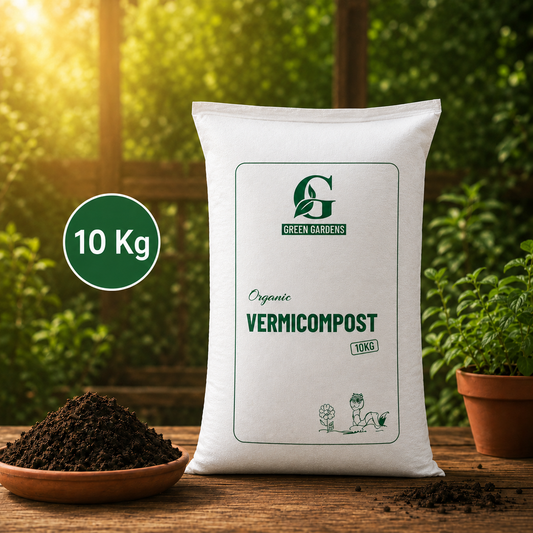
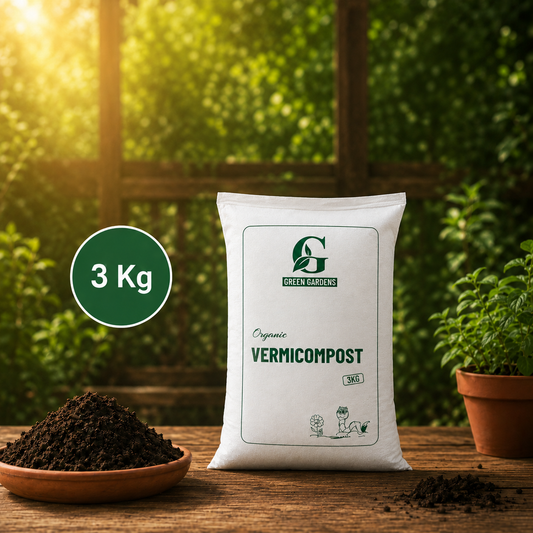
50% Bhalu Mitti (Sandy Soil) + 50% Vermicompost 🔗
Seven Colour Pepper prefers:
- Loose soil structure
- Good drainage
- Moderate fertility
- Good organic matter
- Consistent moisture
- Good root aeration
An approximate soil pH of:
6.0–7.0
is suitable.
Avoid continuously waterlogged soil.
Growing Instructions from Seeds
1. Seed Sowing
Start Seven Colour Pepper seeds in:
- Seed trays
- Nursery pots
- Small containers
Sow approximately:
0.5–1 cm deep
Cover lightly with fine soil.
Water gently.
Keep the growing medium warm and consistently moist.
2. Germination
Seeds generally germinate within:
7–14 days
under suitable warm conditions.
Maintain approximately:
20°C–30°C
for good germination.
Cool soil can delay chilli seed germination.
3. Seedling Care
After germination, provide:
- Bright light
- Good airflow
- Warm temperatures
- Moderate watering
Avoid keeping seedlings continuously wet.
Once true leaves develop, gradually increase sunlight exposure.
4. Transplanting
Transplant seedlings once they have approximately:
4–6 true leaves
and are strong enough to handle.
Move them into:
- Pots
- Grow bags
- Raised beds
- Open soil
Water immediately after transplanting.
5. Sunlight
Provide:
6–8 hours of direct sunlight daily
Good sunlight supports:
- Compact plants
- More flowers
- Better fruit production
- Stronger fruit colour
- Healthy branching
Avoid deep shade.
6. Plant Spacing
Maintain approximately:
30–45 cm between plants
in beds or open soil.
For container growing:
One plant per G-8, G-11 or G-12 Grow Bag
is recommended.
Adequate spacing improves airflow and plant shape.
7. Watering
Maintain consistent soil moisture during:
- Establishment
- Flowering
- Fruit setting
- Fruit development
Allow the upper soil to begin drying slightly between waterings.
Avoid:
- Severe drought stress
- Repeated wilting
- Standing water
- Permanent saturation
8. Feeding
Before transplanting, incorporate GREEN GARDENS Vermicompost 🔗.
Use balanced fertility during vegetative growth.
Once flowering begins, avoid excessive nitrogen because it may encourage too much foliage and reduce fruiting.
9. Pinching & Branching
Young plants may be lightly pinched once established to encourage:
- Bushier growth
- More side branches
- Additional flowering points
- Better ornamental shape
Avoid severe pruning of weak seedlings.
10. Flowering & Pollination
Seven Colour Pepper plants produce small chilli flowers.
These are generally:
Self-pollinating
Flowers are followed by developing peppers.
Healthy flowering is encouraged by:
- Full sunlight
- Warm temperatures
- Balanced nutrition
- Regular moisture
11. Colour Development
Fruits gradually change colour as they mature.
Because fruits develop at different times, several colours may appear:
Simultaneously on one plant
This multicolour display is the main ornamental feature of Seven Colour Pepper.
Exact colour progression varies according to seed strain and maturity.
12. Plant Support
Compact plants often remain self-supporting.
However, plants carrying many fruits may benefit from:
- Small bamboo stakes
- Plant rings
- Soft garden ties
Support is especially useful in exposed rooftop locations.
13. Pest & Disease Care
Inspect plants regularly for:
- Aphids
- Whiteflies
- Thrips
- Spider mites
- Leaf miners
- Caterpillars
- Leaf spots
- Powdery mildew
- Root rot
- Viral symptoms
Good airflow and drainage help maintain healthier plants.
14. Fruit Harvesting
If grown mainly for ornamental value, fruits may be left on the plant to develop their full range of colours.
Where fruits are used for cooking, harvest at the preferred colour stage.
Use clean scissors rather than pulling fruits forcefully from the branches.
15. Mature Plant Care
Regularly remove:
- Damaged leaves
- Dead flowers
- Diseased fruits
- Weak branches
Healthy plants may continue producing flowers and colourful fruits for an extended period under suitable warm conditions.
Protect plants from frost and severe cold.
Related Products
G-11 Grow Bag – 11 × 10 inch 🔗

