



Best Sowing Season: September - December


- Choosing a selection results in a full page refresh.

Available 24/7 at
0300 110 7787
Approx. 1000 seeds per pack.
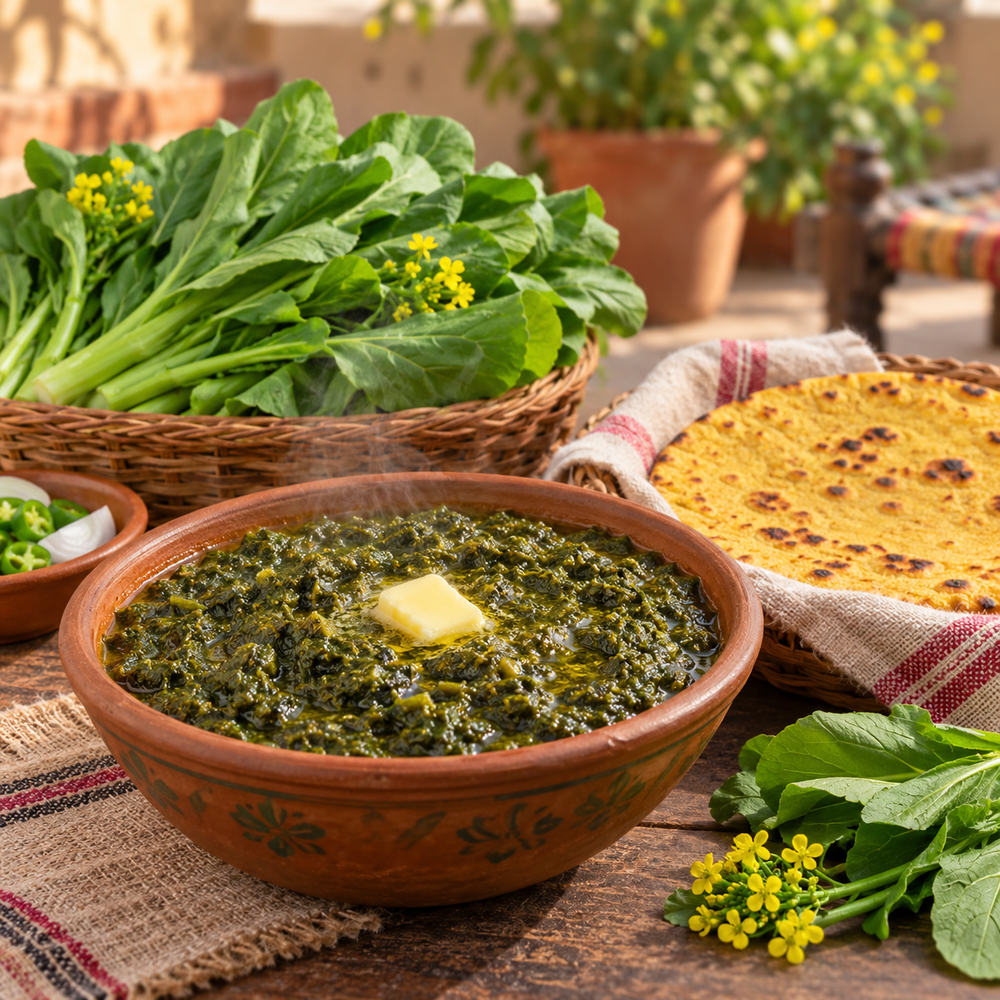
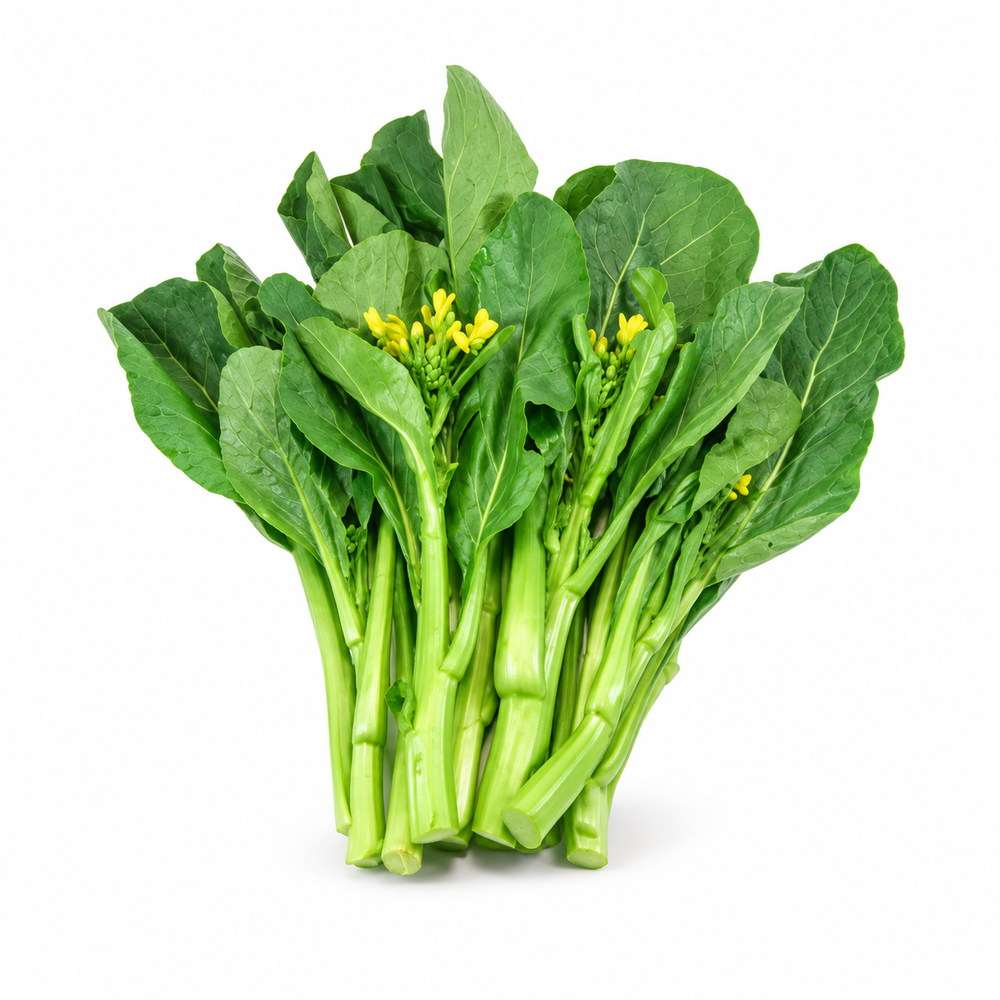
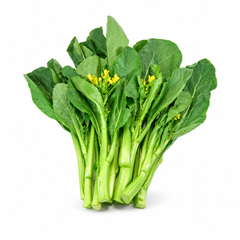
Grow Sarson Saag, a traditional cool-season mustard green producing broad, nutritious green leaves with the characteristic mustard flavour used in classic Punjabi saag.
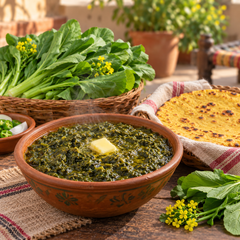
Excellent for Sarson ka Saag, mixed saag, cooked leafy dishes and traditional Pakistani winter recipes.
Suitable for kitchen gardens, raised beds, open soil and larger grow bags.
Germination Time: 4–8 days
Suitable Temperature: 10°C–25°C
Best Sowing Season: September - December
Couldn't load pickup availability
Free standard shipping on orders over RS 5000
It's my favorite vegetable.Its very delicious
Sarson Saag is commonly produced from leafy forms of Brassica juncea, a member of the Brassicaceae family.
It is also commonly known as:
Plants develop:
Brassica juncea is highly variable, with many forms cultivated specifically for edible leaves. Young foliage is edible and is widely used as a cooked leafy vegetable.
For Sarson ka Saag, the crop is primarily grown for:
Young and mature leafy growth
rather than for seed or oil production.
Leaves can be harvested repeatedly while plants remain actively vegetative.
Exact leaf width, colour, pungency, plant height and maturity may vary according to seed strain, temperature and crop management.
Sarson Saag leaves are especially suitable for:
For traditional Sarson ka Saag, mustard greens may be combined with other leafy greens according to personal preference and regional recipe.
Young leaves generally have a milder flavour, while larger mature leaves develop a stronger mustard character.
G-11 Grow Bag – 11 × 10 inch 🔗
Suitable for growing a small group of Sarson Saag plants for regular leaf harvesting.
G-12 Grow Bag – 12 × 12 inch 🔗
Provides additional root volume and growing surface for several plants.
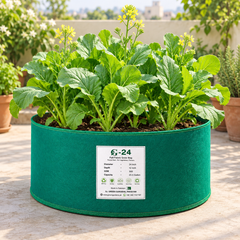
G-24 Grow Bag – 24 × 12 inch 🔗
Recommended for growing a larger group of Sarson Saag plants for repeated household harvesting.
The wide growing surface of G-24 makes it especially suitable for growing several mustard plants together.
Use fertile, loose and well-drained soil rich in organic matter.
A practical GREEN GARDENS mix can be:
50% Bhalu Mitti (Sandy Soil) + 50% Vermicompost 🔗
Sarson Saag prefers:
A soil pH of approximately:
6.0–7.5
is suitable.
Mustard greens perform well in fertile, moist but well-drained soil and can be grown successfully in containers as well as open ground.
Avoid continuously waterlogged soil.
Sarson Saag is best:
Direct-sown
into its final growing position.
Sow seeds approximately:
0.5–1 cm deep
Cover lightly with fine soil.
Water gently after sowing.
Mustard greens are shallow-sown crops; commercial mustard-green guidance commonly recommends around ¼ inch (6 mm) depth.
Keep the soil consistently moist but not waterlogged.
Seeds generally germinate within:
4–8 days
under suitable conditions.
Cool to mild temperatures support healthy establishment.
Avoid allowing the soil surface to dry completely while seeds are germinating.
After germination, provide:
Thin overcrowded seedlings once they become established.
Provide:
5–7 hours or more of direct sunlight daily
Mustard greens generally perform best in:
Full sun
Good sunlight encourages:
Brassica juncea is commonly recommended for full-sun cultivation.
For young-leaf production:
10–15 cm between plants
For larger mature plants:
20–30 cm between plants
Closer spacing produces smaller leaves, while wider spacing encourages larger plants.
Avoid severe overcrowding because it can reduce airflow.
Maintain consistent soil moisture throughout active leafy growth.
Water whenever the upper soil begins to dry.
Avoid:
Regular moisture helps produce:
Before sowing, incorporate GREEN GARDENS Vermicompost 🔗.
Because Sarson Saag is grown primarily for leaves, fertile soil with adequate organic matter supports strong leafy growth.
Light balanced feeding may be provided during repeated harvesting if required.
Avoid excessive fertilizer application.
Once seedlings become established, thin crowded plants.
Removed young seedlings can be used as tender greens where appropriate.
Proper thinning helps:
Apply a light organic mulch around established plants.
Mulching helps:
Keep mulch slightly away from plant stems.
Keep the growing area relatively weed-free.
Young mustard plants can compete with weeds for:
Hand weeding is generally suitable for home gardens and grow bags.
Inspect plants regularly for:
Flea beetles, caterpillars, aphids, snails and several brassica diseases are recognised problems of mustard greens.
Good spacing, crop hygiene and proper drainage help maintain healthier plants.
Begin harvesting once plants have developed enough healthy foliage.
For tender leaves, harvest when plants are still relatively young.
Choose:
Fresh, healthy green leaves
Young leaves generally have a softer texture and milder mustard flavour.
Sarson Saag can be managed for repeated harvesting.
Remove:
Outer mature leaves
while leaving:
The central growing point and younger leaves
intact.
This allows plants to continue producing new foliage.
Mustard greens are well suited to cut-and-come-again production.
For traditional cooked saag, allow plants to develop larger leaves.
Harvest:
Regular harvesting helps keep the crop producing fresh foliage.
If plants are not harvested and are allowed to mature, they eventually produce:
Yellow flowers
followed by:
Long seed pods
containing mustard seeds.
For continued saag production, harvest regularly before plants enter full flowering.
Once temperatures rise and plants begin flowering strongly, leaf quality generally declines.
G-11 Grow Bag – 11 × 10 inch 🔗
G-12 Grow Bag – 12 × 12 inch 🔗
Thanks for subscribing!
This email has been registered!


We are here to assist you