



Best Sowing Season: February - April


- Choosing a selection results in a full page refresh.

Available 24/7 at
0300 110 7787
Pack Size: Approx. 20–30 seeds per pack.
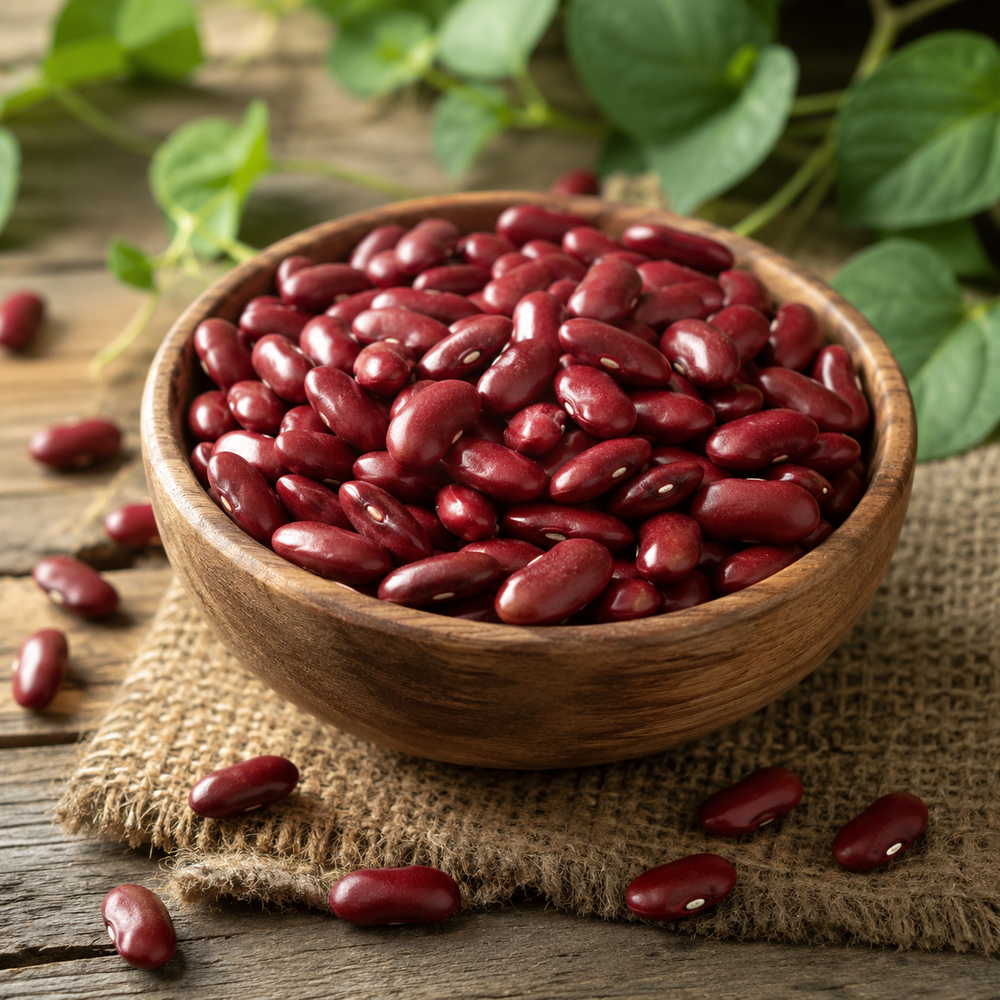
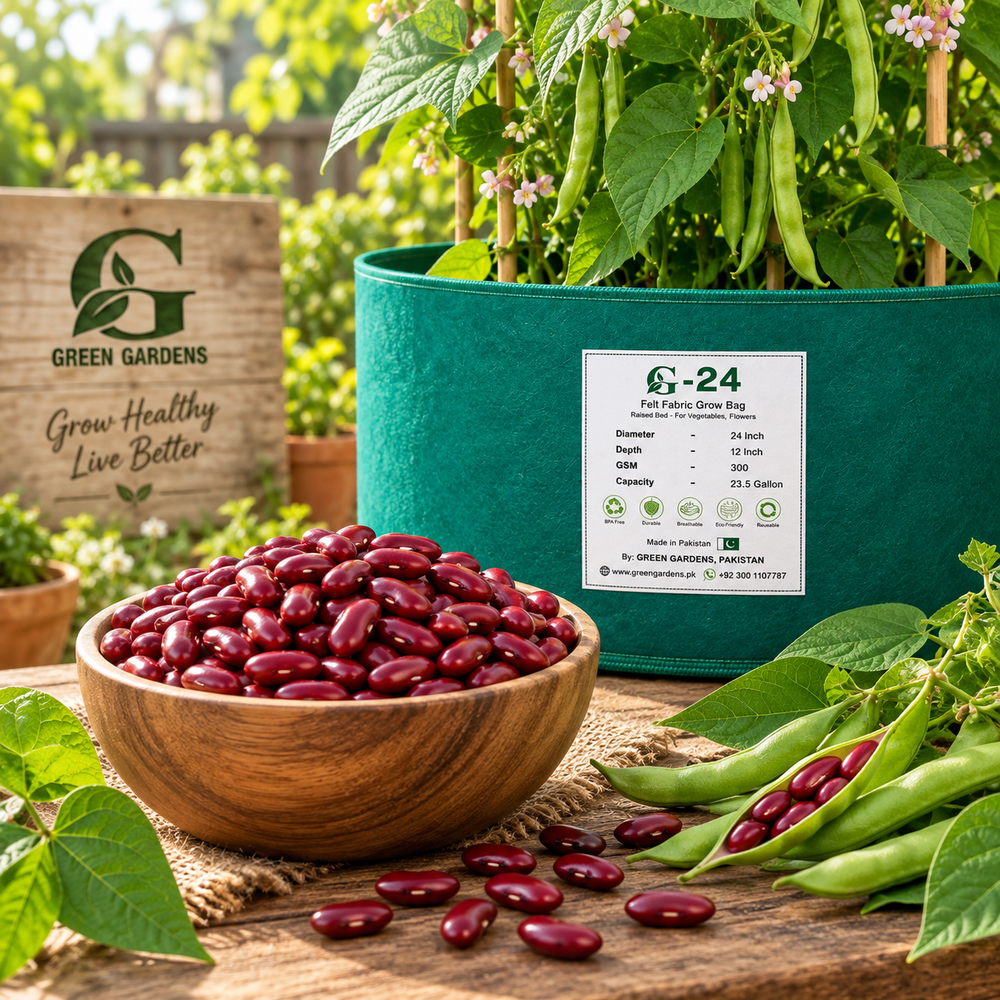
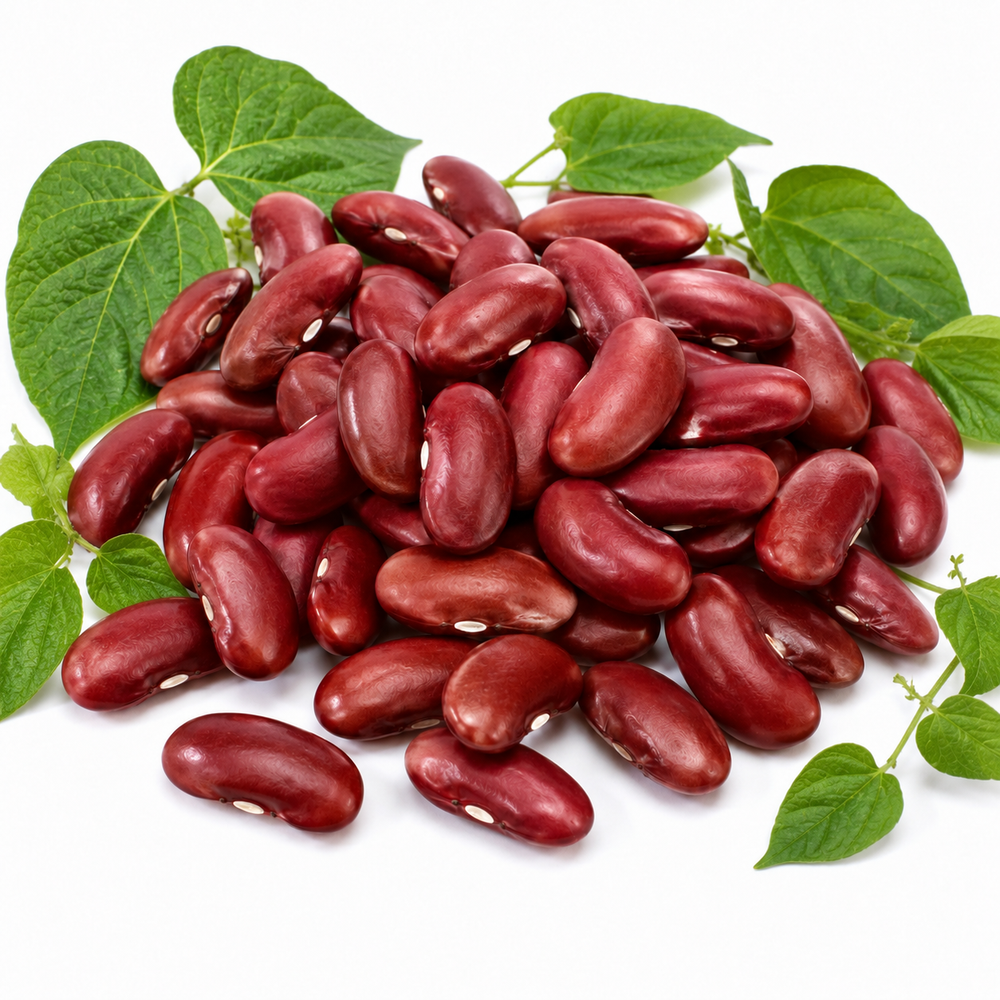
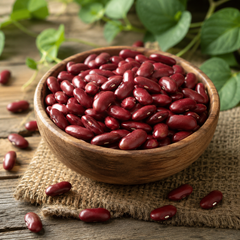
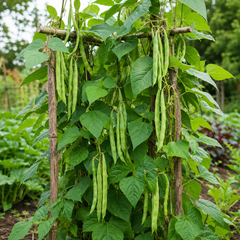
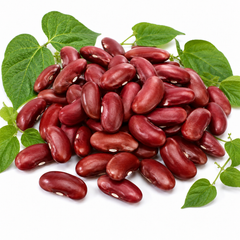
Grow Red Kidney Beans, a climbing common bean producing pods filled with attractive deep red mature beans. Best grown with trellis or vertical support and suitable for harvesting as fresh shell beans or fully dried beans.
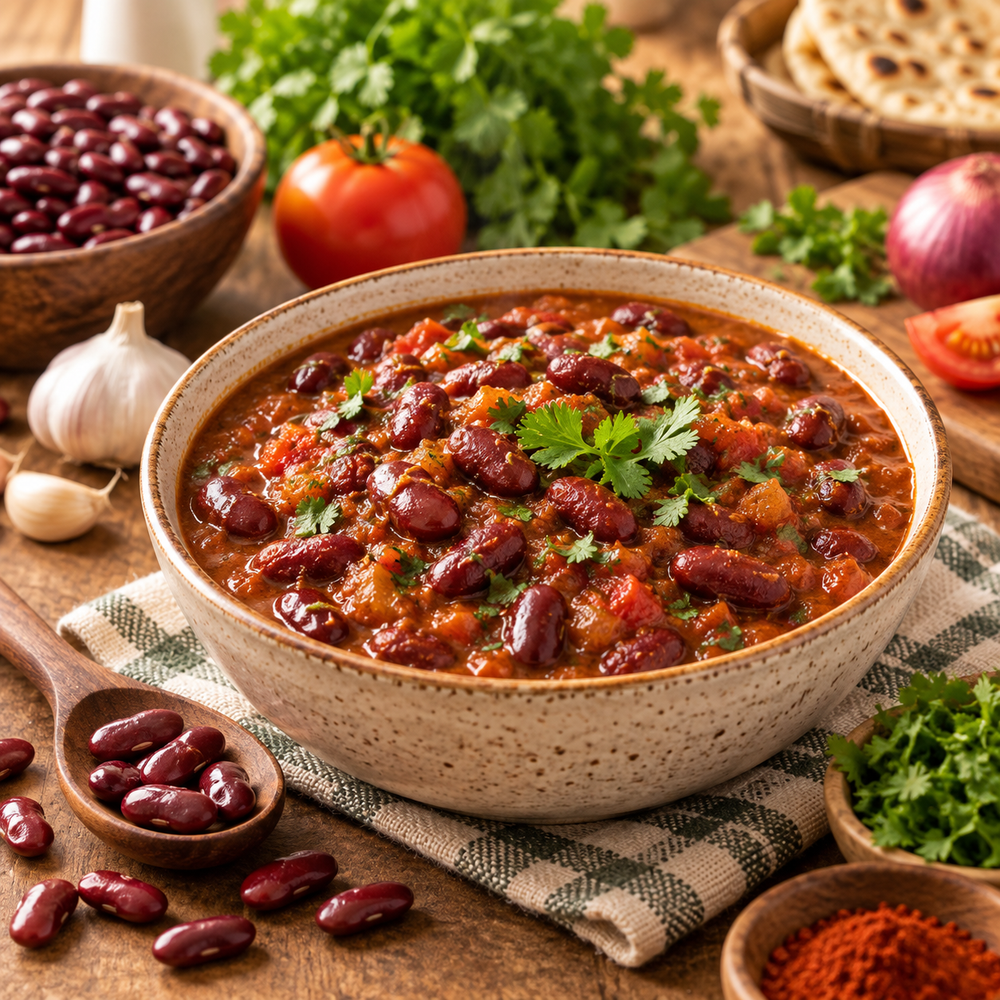
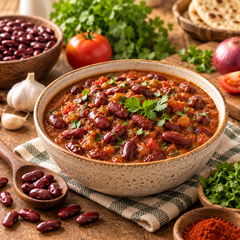
Excellent for rajma-style dishes, curries, soups, stews, salads and other hearty bean recipes.
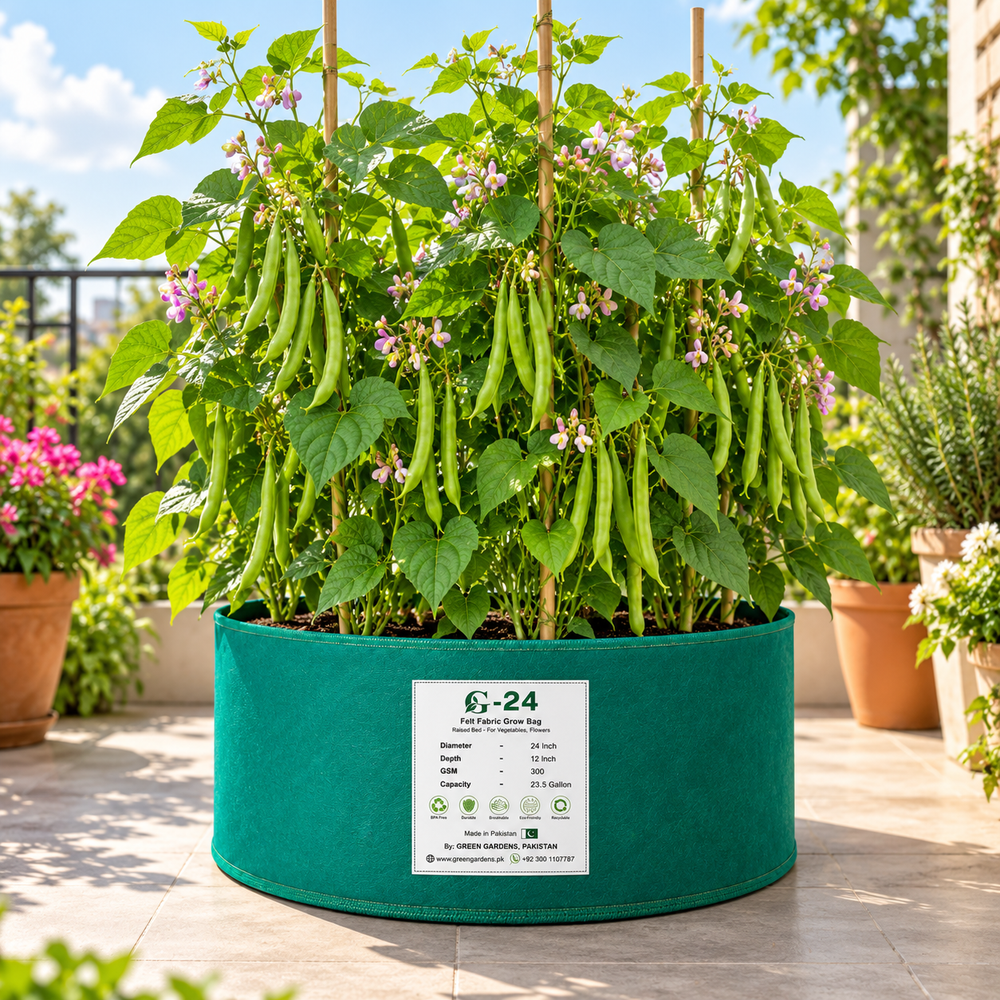
Suitable for kitchen gardens, raised beds, open soil and larger grow bags with support.
Germination Time: 6–10 days
Suitable Temperature: 18°C–28°C
Best Sowing Season: February - April
Couldn't load pickup availability
Free standard shipping on orders over RS 5000
Red Kidney Beans belong to the common bean species Phaseolus vulgaris.
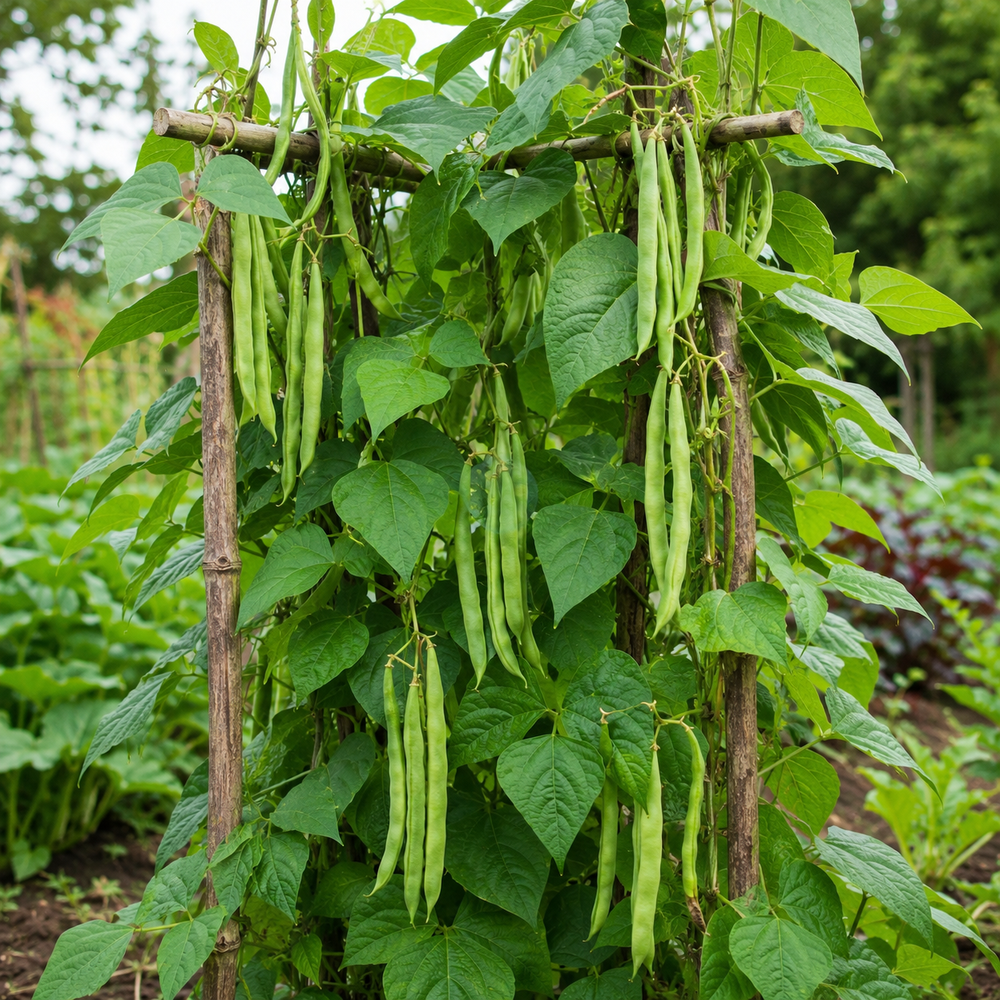
This selection develops a climbing or vining growth habit, so plants require suitable vertical support such as:
The plants produce pods containing developing beans that mature into the characteristic deep red kidney-shaped seeds.
Red Kidney Beans are primarily grown for the mature beans rather than for tender green pod consumption.
They may be harvested at two stages:
Fresh shell stage – when beans inside the pods are fully developed but still soft.
Dry bean stage – when pods and beans have completely matured and dried.
The mature beans have a firm texture and rich flavour that makes them especially suitable for curries, soups and slow-cooked dishes.
Exact vine length, pod size, seed colour intensity, maturity and yield may vary according to seed strain, climate and crop management.
Red Kidney Beans are especially suitable for:
Their firm texture allows them to hold their shape well during cooking while absorbing spices and sauces.
Do not eat raw or undercooked Red Kidney Beans.
Red Kidney Beans naturally contain high levels of lectins that must be reduced by thorough cooking.
Always:
Proper cooking is especially important with Red Kidney Beans.
G-12 Grow Bag – 12 × 12 inch 🔗
Suitable for a small number of climbing bean plants when strong vertical support is provided.
G-15 P Grow Bag – 15 × 14 inch 🔗
Provides additional root volume and moisture stability for climbing plants.
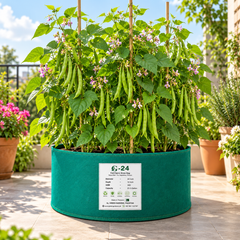
G-24 Grow Bag – 24 × 12 inch 🔗
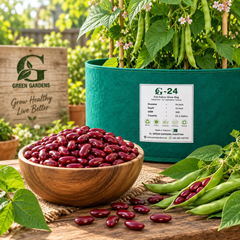
Recommended for growing several Red Kidney Bean vines together along a trellis or net.
Install support at or before sowing so the roots are not disturbed later.
Use fertile, loose and well-drained loamy soil rich in organic matter.
A practical GREEN GARDENS mix can be:
50% Bhalu Mitti (Sandy Soil) + 50% Vermicompost 🔗
Red Kidney Beans prefer:
An approximate soil pH of:
6.0–7.0
is suitable.
Avoid compacted or continuously waterlogged soil.
Red Kidney Beans are best direct-sown into their final growing position.
Sow approximately:
2–2.5 cm deep
or around:
1 inch deep
Cover with fine soil and water gently.
Install the trellis or climbing support before or immediately after sowing.
Keep the soil evenly moist but not waterlogged.
Seeds generally germinate within:
6–10 days
under suitable warm conditions.
Mild to warm soil encourages rapid establishment.
After germination, provide:
Guide young vines gently toward the trellis if necessary.
Provide:
6–8 hours of direct sunlight daily
Full sunlight supports:
Maintain approximately:
10–15 cm between plants
along a trellis or climbing support.
Maintain adequate distance between rows or separate supports to allow airflow and access for harvesting.
Avoid severe overcrowding.
Because this is a climbing selection, provide:
Allow vines to climb naturally.
Secure only where necessary using soft garden ties.
Maintain consistent soil moisture during:
Avoid severe drying during flowering.
As pods approach full dry-bean maturity, gradually reduce unnecessary watering so mature pods can dry properly.
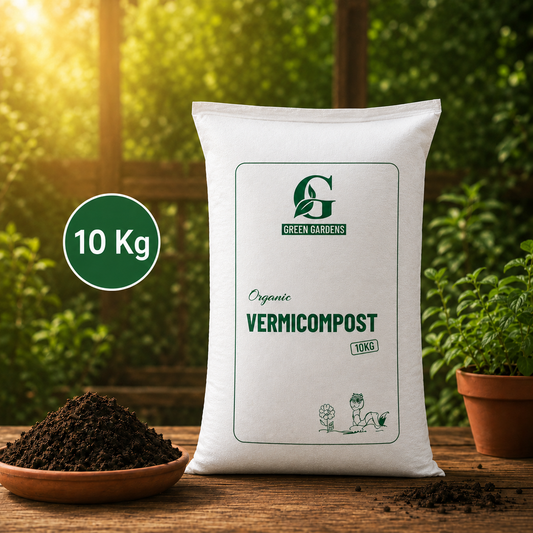
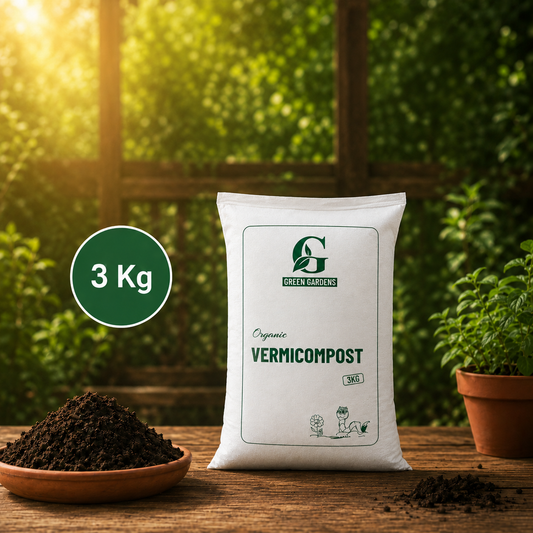
Before sowing, incorporate GREEN GARDENS Vermicompost 🔗.
Beans are legumes and generally do not require heavy nitrogen feeding.
Excessive nitrogen can encourage vigorous vine growth while reducing flowering and pod development.
Use balanced nutrition where additional feeding is required.
Common bean flowers are generally capable of self-pollination.
Flowers develop along the vines and are followed by pods.
Healthy flowering is supported by:
After flowering, pods begin enlarging and the beans inside gradually fill.
For fresh shell beans, harvest when:
Pods are full and seeds are large but still soft
For mature Kidney Beans, allow pods to remain on the vines until they become:
Dry and papery
Apply a light organic mulch around established plants.
Mulching helps:
Keep mulch slightly away from stems.
Inspect plants regularly for:
Good airflow is especially important for climbing beans grown densely on trellises.
Avoid prolonged waterlogging.
For fresh shell use, harvest when:
Shell and cook thoroughly before eating.
For mature Red Kidney Beans, allow pods to dry completely on the vines where weather permits.
Harvest pods when they are:
Dry, brownish and papery
and the beans inside are:
Hard, deep red and fully mature
Shell the beans after harvest.
After shelling, dry the beans thoroughly in a shaded, well-ventilated location.
Store only when completely dry.
Suitable storage options include:
Store in a cool, dry place away from moisture.
G-12 Grow Bag – 12 × 12 inch 🔗
Thanks for subscribing!
This email has been registered!