


Best Sowing Season: February – July (Lahore and hot plains of Pakistan).


- Choosing a selection results in a full page refresh.

Available 24/7 at
0300 110 7787
Approx. 50 seeds per pack.
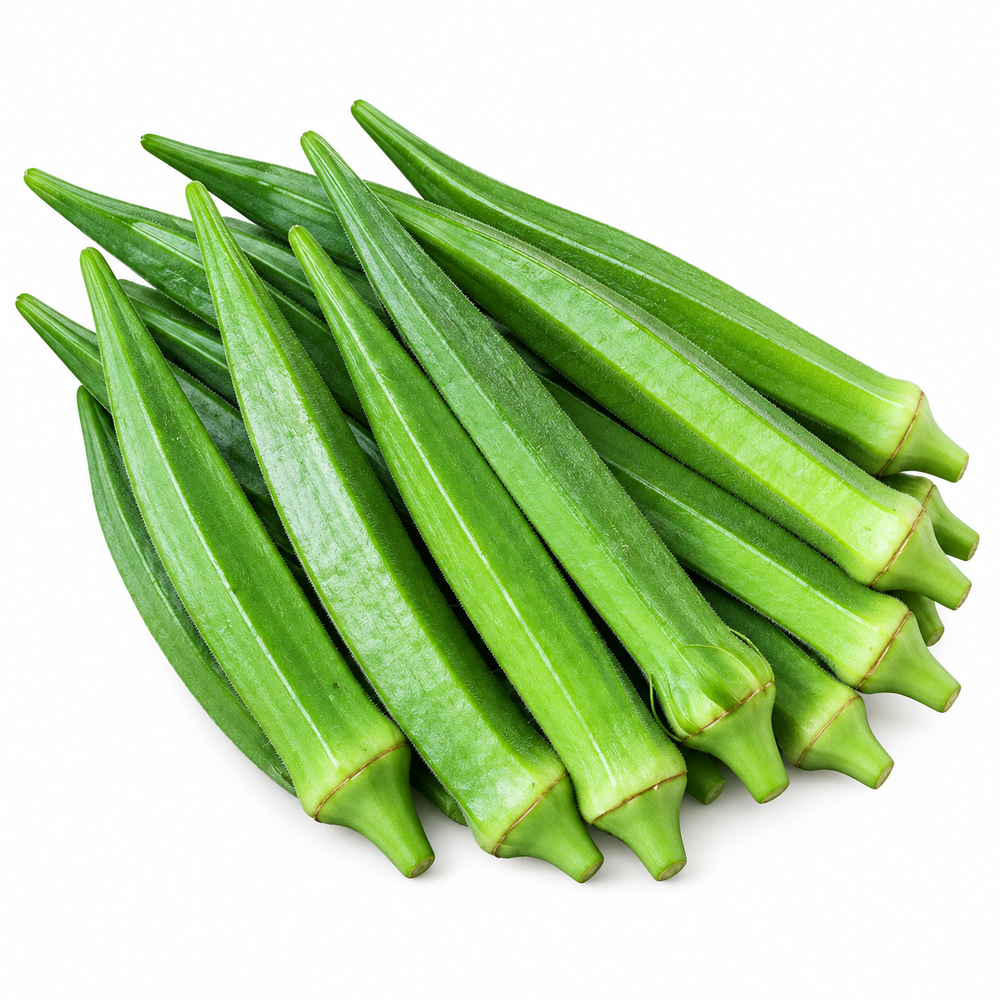
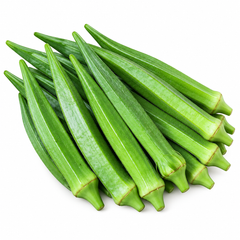
Grow fresh, tender and delicious Desi Okra (Ladyfinger), a traditional Pakistani summer vegetable producing attractive, dark-green pods with a tender texture and authentic Desi Bhindi flavour.
This popular warm-season vegetable is ideal for kitchen gardens, rooftop gardening, raised beds and GREEN GARDENS grow bags.
Germination Time: 7–10 days
Ideal Temperature: 25–30°C
Growing Guide Video: Gardening with Javed Iqbal
Best Sowing Season: February – July (Lahore and hot plains of Pakistan).
Couldn't load pickup availability
Free standard shipping on orders over RS 5000
Desi Okra (Abelmoschus esculentus), commonly known as Bhindi or Ladyfinger, is a traditional summer vegetable widely grown throughout Pakistan.
It produces tender, dark-green pods on upright plants and is valued for its familiar flavour, easy cultivation and repeated harvesting throughout the warm season.
Botanical Name: Abelmoschus esculentus
Common Name: Desi Okra / Bhindi / Ladyfinger
Variety: Traditional Desi Okra
Type: Warm-season vegetable
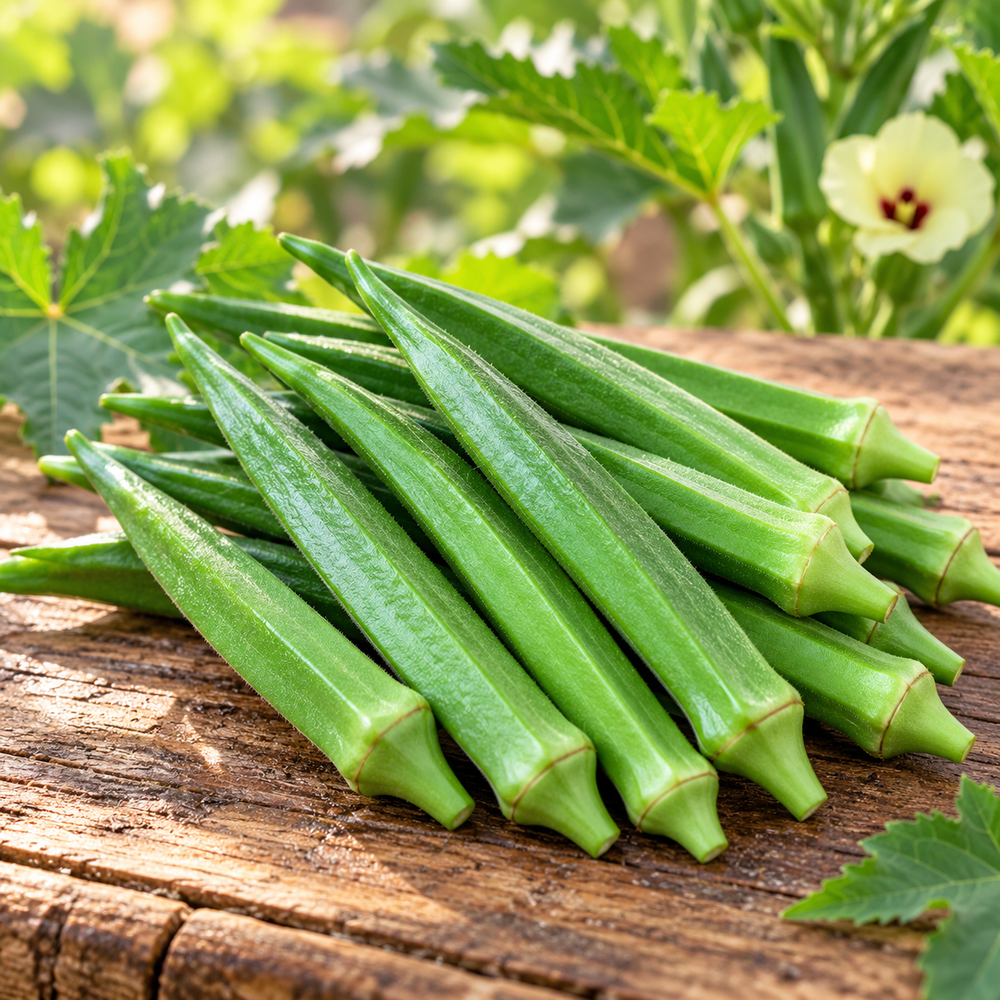
Pods: Elongated, dark green and tender
Growth Habit: Upright and branching
Plant Height: Approximately 90–150 cm, depending on growing conditions
Sunlight: Full sun
Special Features: Traditional Desi variety, suitable for home gardening and repeated harvesting
G-11 Grow Bag – 11 × 10 inch – 1 plant.
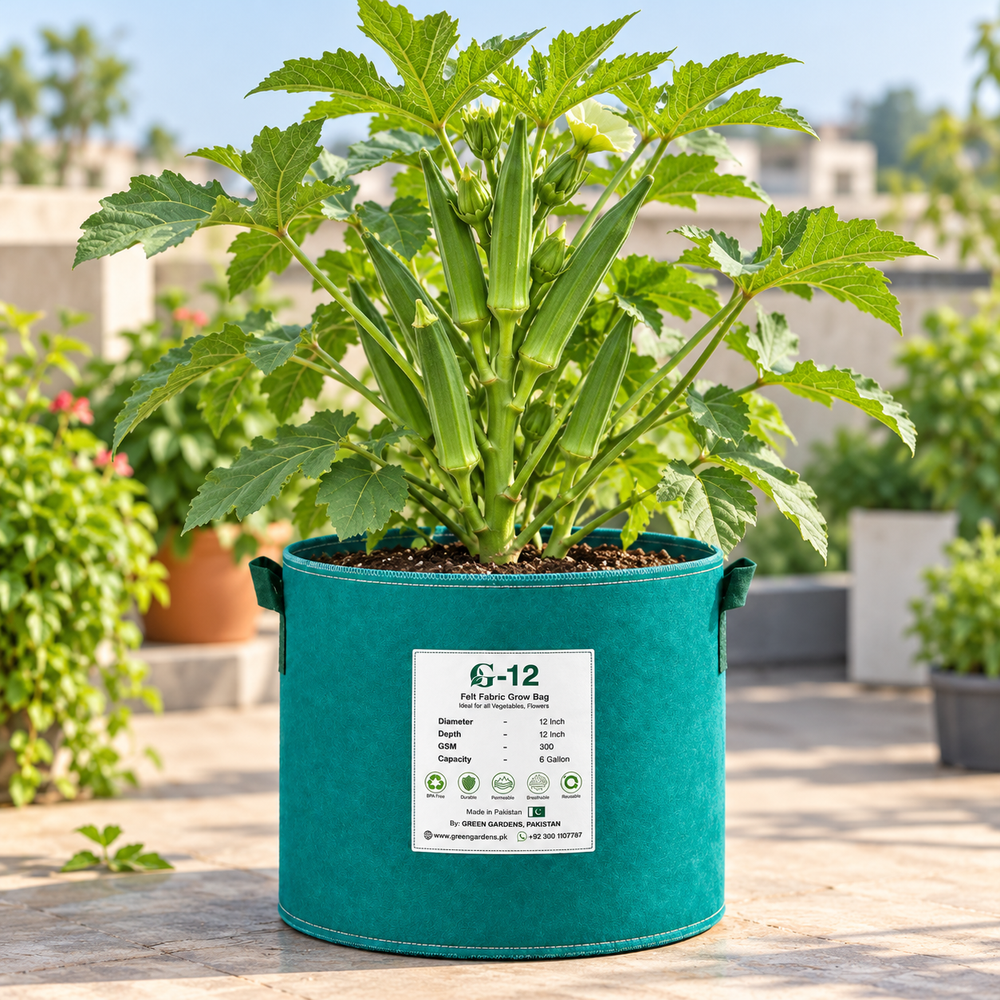
G-12 Grow Bag – 12 × 12 inch – 1 plant.
G-24 Grow Bag – 24 × 12 inch – 3–4 plants with suitable spacing.
The G-12 grow bag is particularly suitable for prolonged growth and repeated harvesting.
Provide light support if plants become tall or are exposed to strong winds.
50% Bhalu Mitti / Garden Soil + 30% GREEN GARDENS Vermicompost + 20% Cocopeat
Use loose, fertile, organic-rich and well-draining soil.
Maintain consistent soil moisture while preventing waterlogging.
Method: Direct sowing preferred
Sowing Depth: Approximately 2–3 cm
Germination: 7–10 days
Ideal Temperature: 25–30°C
Plant Spacing: Approximately 30–45 cm
Watering: Keep soil evenly moist until germination
Sow 1–2 seeds per planting position and retain the strongest seedling after germination.
Untreated seeds may be soaked in room-temperature water for 6–12 hours before sowing to help soften the seed coat.
Okra develops a relatively deep root system and generally performs best when planted directly in its final growing location.
Avoid overcrowding and maintain adequate airflow around developing plants.
Sunlight: Full sun, preferably 6–8 hours daily.
Watering: Water regularly, especially during flowering and pod development. Maintain consistent moisture without allowing waterlogging.
Avoid prolonged dryness, which may negatively affect pod tenderness and plant productivity.
First Harvest: Approximately 50–60 days after sowing
Harvesting Season: Spring, summer and early autumn
Growth Habit: Upright and branching
Pod Type: Tender, elongated, dark-green pods
Harvested Part: Young, immature green pods
Begin harvesting when pods are young, tender and suitable for cooking, generally around 7–10 cm long, depending on the variety.
Harvest regularly every 1–2 days during active production to prevent pods from becoming tough and fibrous.
Use clean scissors or pruning shears to harvest pods without damaging the plant.
Frequent harvesting encourages continued flowering and pod production.
Mix GREEN GARDENS Vermicompost into the soil before sowing.
Apply additional vermicompost around established plants during active growth and pod development when needed.
Maintain balanced nutrition and avoid excessive nitrogen fertilization, which may encourage leafy growth at the expense of pod production.
Desi Okra produces attractive, pale-yellow flowers with a distinctive dark reddish-purple centre.
These flowers develop into green pods following successful fertilization.
Adequate sunlight, consistent watering and balanced nutrition support healthy flowering and pod formation.
Regular harvesting helps maintain continued production throughout the growing season.
Common pests affecting okra include aphids, whiteflies, jassids and fruit borers.
Yellow vein mosaic virus may also affect susceptible plants.
For healthy growth:
Inspect leaves and developing pods regularly.
Maintain adequate spacing and airflow.
Avoid excessive nitrogen fertilization.
Remove heavily infested or severely diseased plant material.
Manage whiteflies and other insect vectors using appropriate integrated pest management practices.
Avoid unnecessary insecticide applications.
Disease resistance depends on the specific variety and should not be assumed without verified breeder information.
Provide full sunlight for healthy plant growth.
Maintain regular watering during flowering and pod development.
Use mulch to conserve soil moisture.
Ensure good drainage during monsoon rains.
Maintain proper spacing and airflow.
Monitor regularly for common insect pests.
Harvest tender pods every 1–2 days during active production.
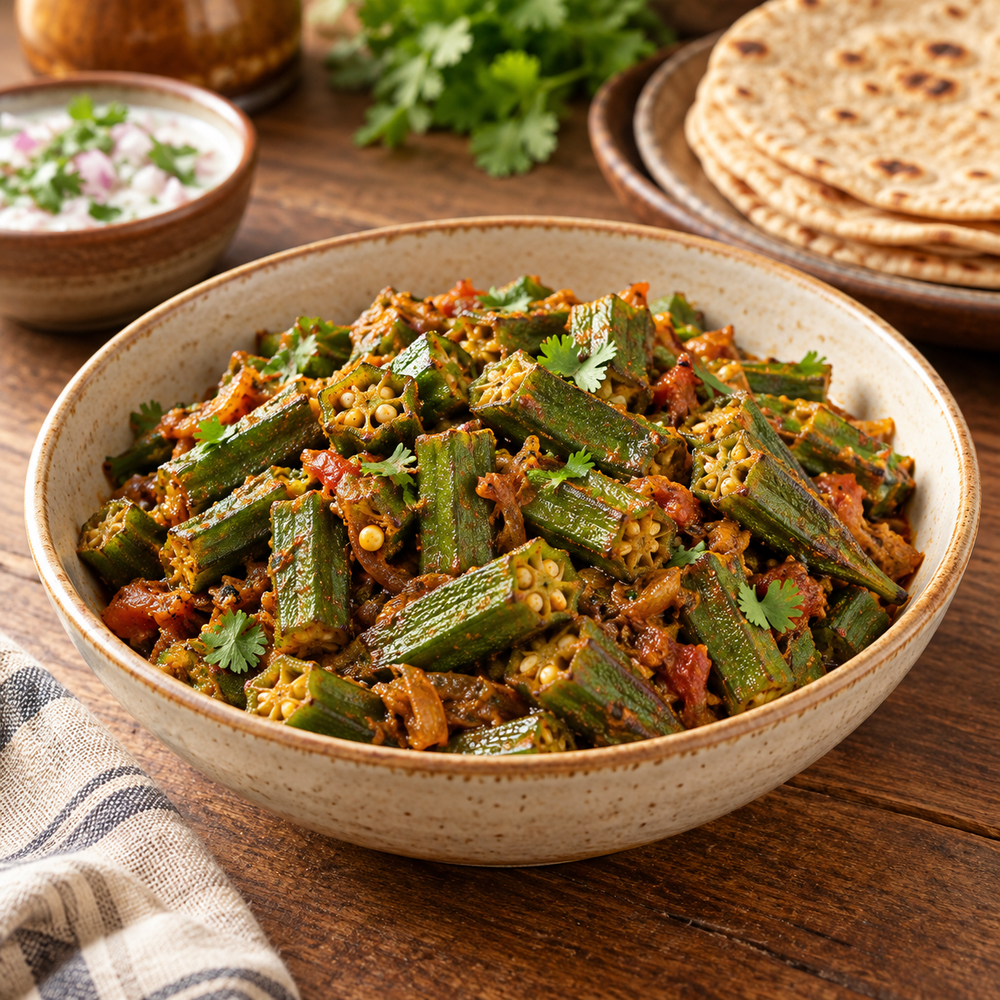
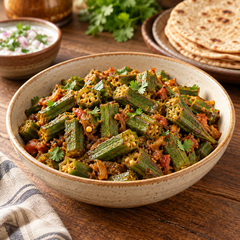
Desi Bhindi is widely used in traditional Pakistani cooking, including:
Desi Bhindi Masala
Bhindi Fry
Bhindi with Onions
Bhindi with Tomatoes
Bhindi with Qeema
Bhindi with Potatoes
Traditional homemade vegetable dishes
Its tender pods and familiar Desi flavour make it ideal for everyday Pakistani cooking.
If the supplied Desi Okra is open-pollinated, seeds can be saved from fully mature, dry pods.
Select healthy, productive plants and allow chosen pods to mature completely before collecting seeds.
To maintain varietal characteristics, avoid unintended cross-pollination with other flowering okra varieties.
Dry and store collected seeds in a cool, dry location.
Thanks for subscribing!
This email has been registered!