


Best Sowing Season: October–November


- Choosing a selection results in a full page refresh.

Available 24/7 at
0300 110 7787
Approx. 20 seeds per pack.
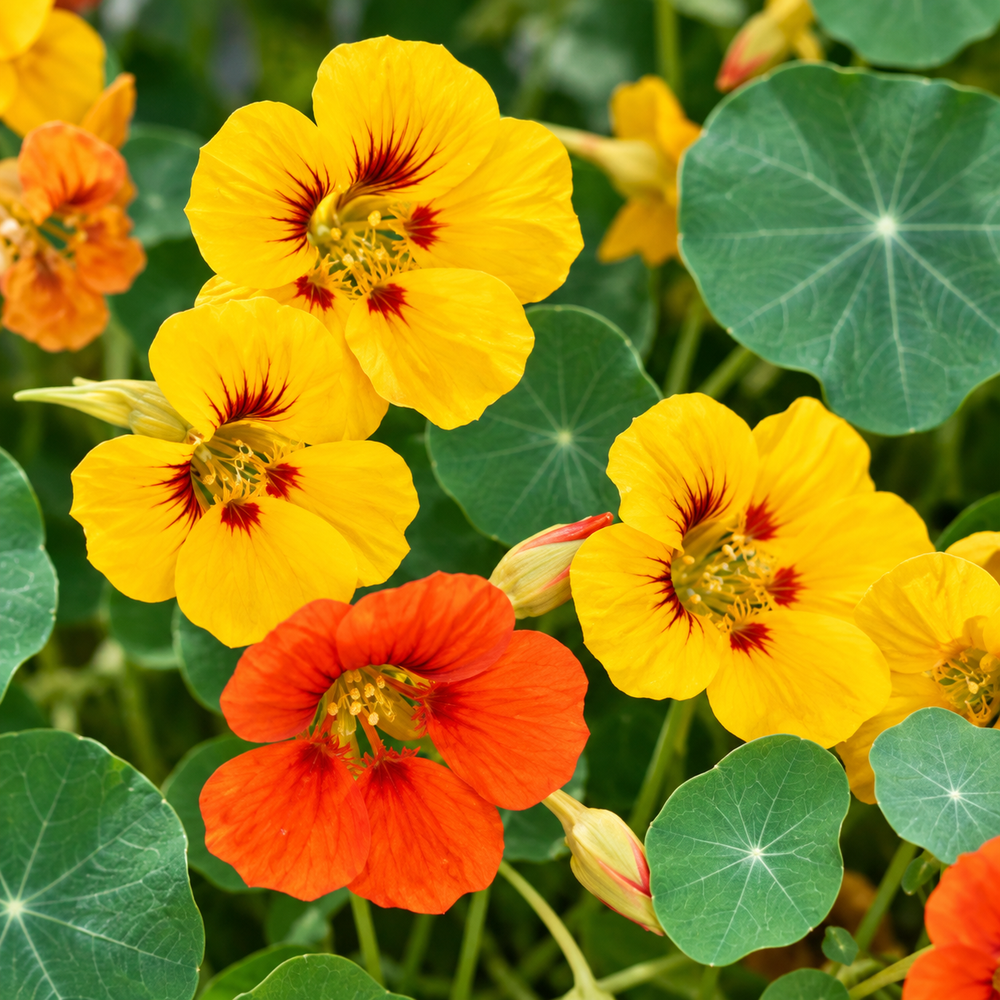
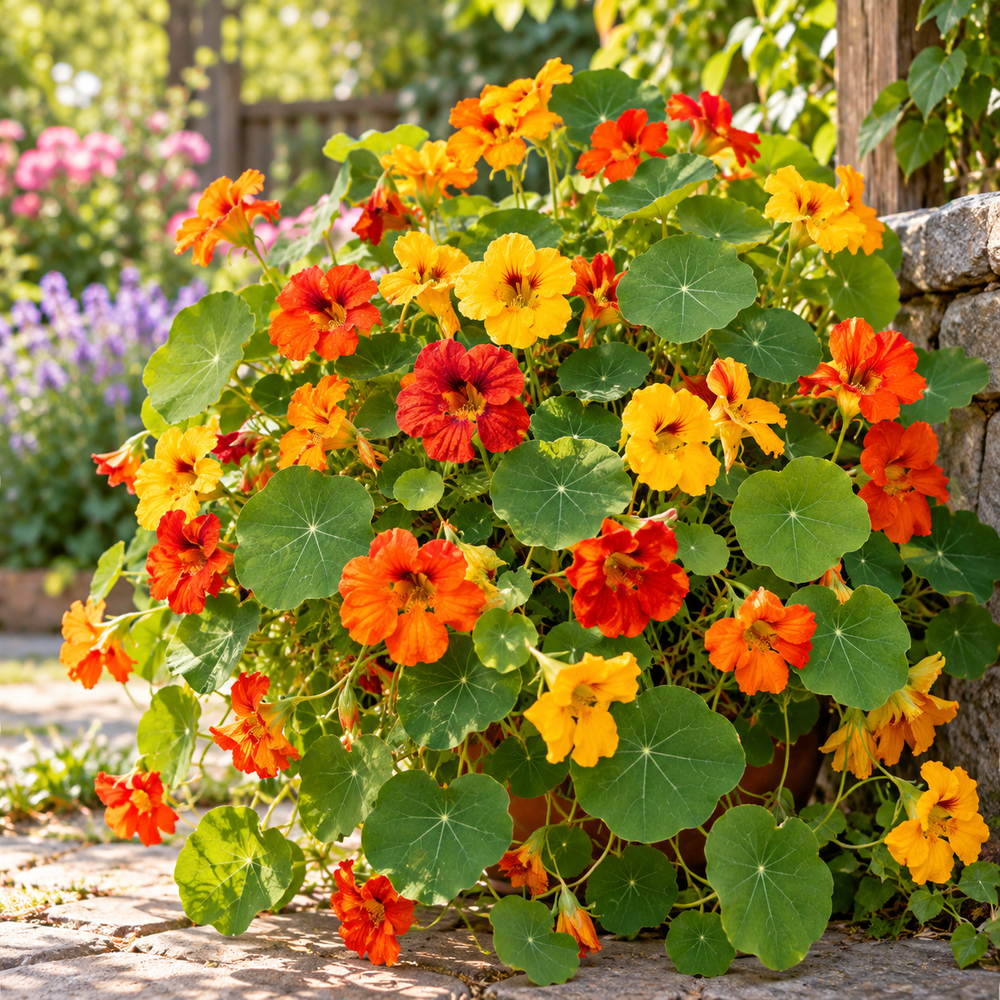
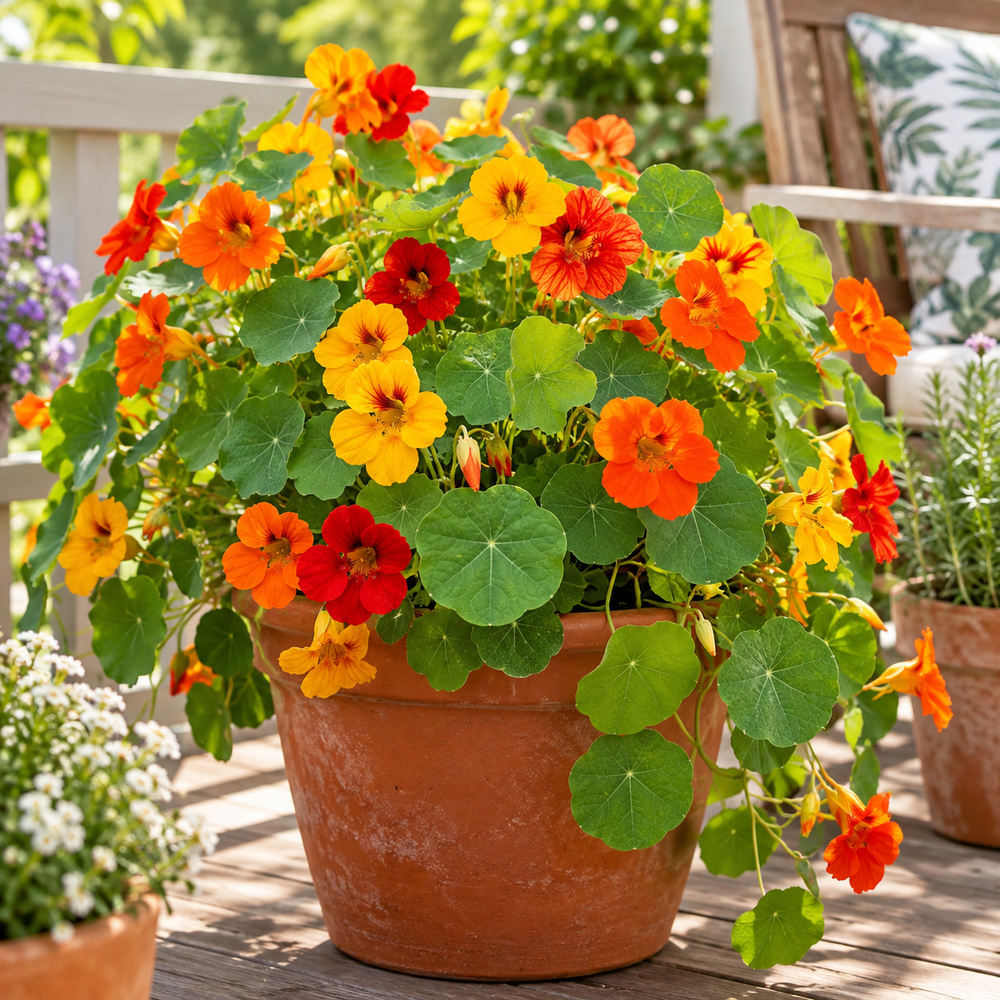
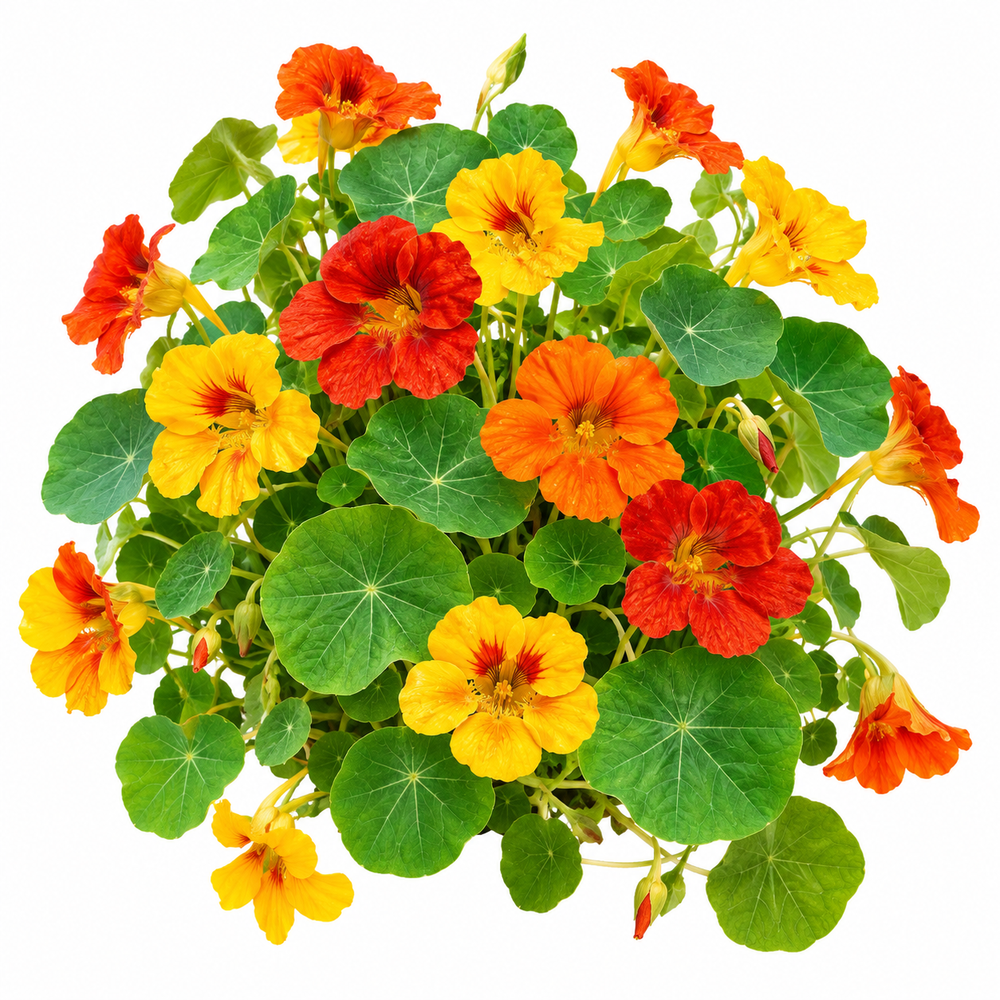
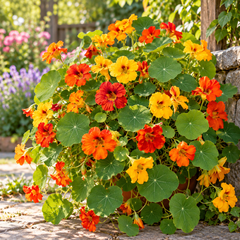
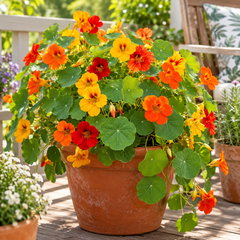
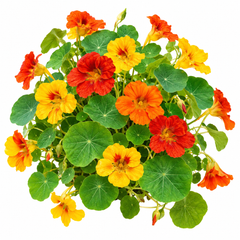
Grow beautiful Nasturtium (Tropaeolum majus), an easy-to-grow winter flowering annual producing cheerful blooms in bright shades of yellow, orange, red and related warm tones above attractive rounded green leaves.
Excellent for flower beds, borders, grow bags, pots, window boxes, balconies and hanging containers. Depending on the plant type, Nasturtium may develop a compact, spreading or trailing habit.
Germination Time: 7–14 days
Ideal Temperature: 16°C–18°C
Best Sowing Season: October–November
Couldn't load pickup availability
Free standard shipping on orders over RS 5000
Nasturtium (Tropaeolum majus) is a colourful flowering annual valued for its:
Bright flowers, rounded shield-like leaves, quick growth and easy-care nature.
The plant may grow as:
depending on the seed strain and growing conditions.
Its bright blooms and distinctive foliage make Nasturtium an attractive plant for both:
Ornamental and edible gardening.
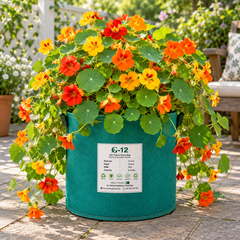
G-11 Grow Bag – 11 × 10 inch 🔗
Suitable for:
One compact Nasturtium plant.
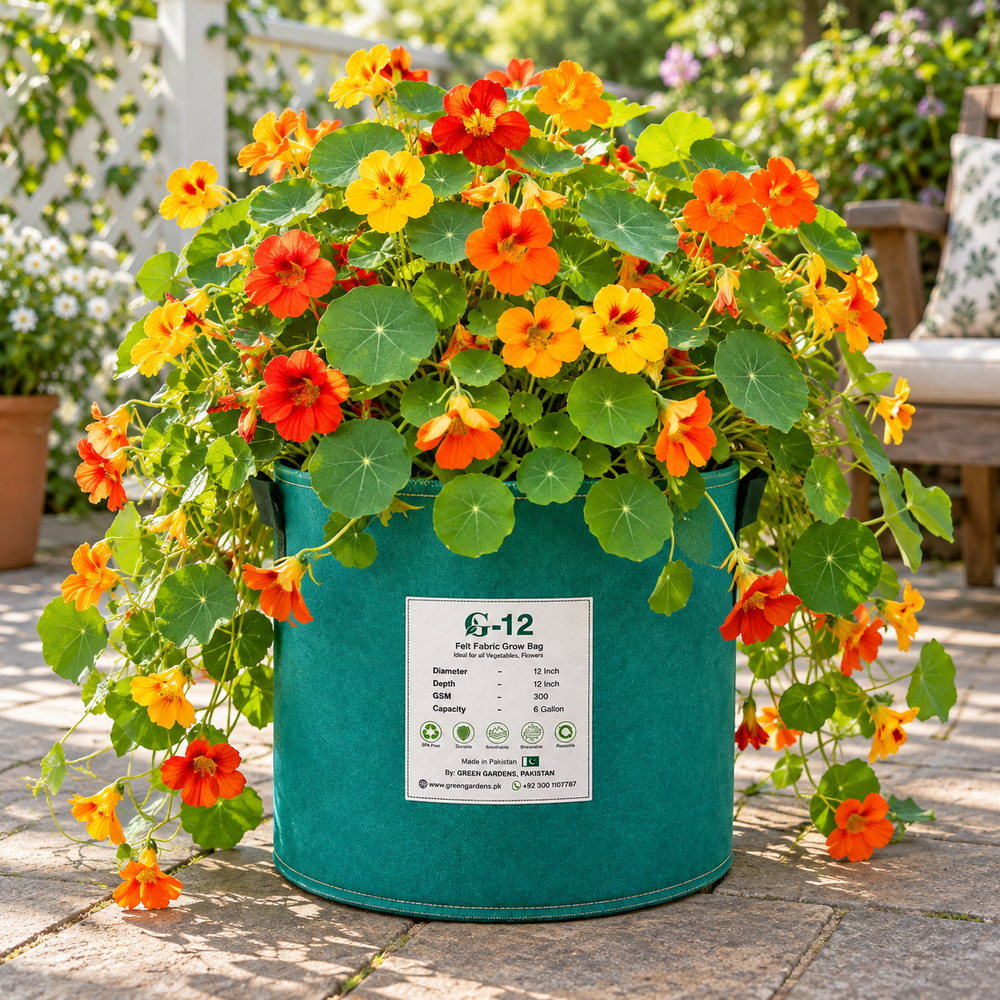
G-12 Grow Bag – 12 × 12 inch 🔗
Highly recommended for one strong Nasturtium plant, especially where a fuller spreading or trailing plant is desired.
The larger growing volume provides better:
G-24 Grow Bag – 24 × 12 inch 🔗
Suitable for growing:
Several Nasturtium plants together with adequate spacing.
Trailing plants can also be allowed to cascade naturally over the edge of the grow bag.
Nasturtium performs best in:
Loose, well-draining and moderately fertile soil.
Use approximately:
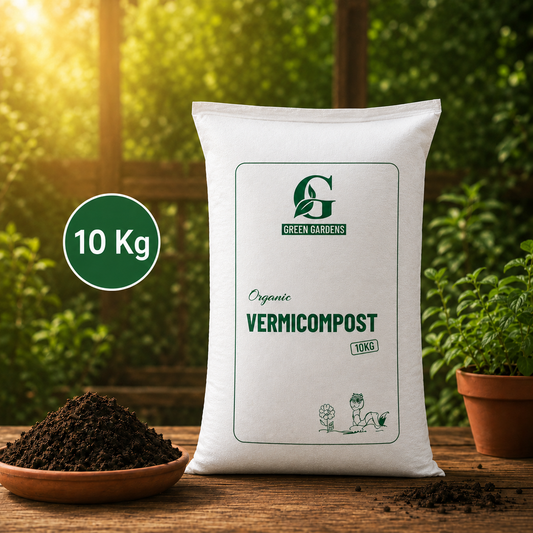
70% Bhalu Mitti / Sandy Soil + 20% GREEN GARDENS Vermicompost 🔗 + 10% Cocopeat
Unlike many flowering plants, Nasturtium does not require extremely rich soil.
Avoid excessive Vermicompost or high-nitrogen fertilizer because very rich soil may produce:
Large amounts of foliage with fewer flowers.
Most importantly, provide:
Excellent drainage.
Nasturtium is particularly suitable for:
Direct sowing.
Seeds can be sown directly in:
They may also be started individually in nursery pots if required.
Sow seeds approximately:
1–2 cm deep.
Cover the seed properly because Nasturtium seeds germinate better when protected from light.
Water gently after sowing.
Keep the growing medium:
Lightly and consistently moist until germination.
Nasturtium develops relatively tender roots and generally performs well when:
Directly sown in its final growing position.
If starting seedlings separately:
Seeds generally germinate within approximately:
7–14 days
under suitable conditions.
For successful germination:
Germination may become slower during:
Very cold conditions.
Recommended germination temperature:
16°C–18°C
Cool-to-mild conditions support reliable Nasturtium seed germination.
After seedlings emerge:
Provide bright light and gradually increase direct sunlight exposure.
Pre-soaking is:
Not essential.
However, because Nasturtium seeds are relatively large and have a firm seed coat, some gardeners prefer to soak them briefly before sowing.
If soaking:
Use clean water and avoid prolonged soaking that may damage the seed.
Seeds can also be sown directly without soaking.
If seedlings have been started in nursery pots, transplant when they are:
Young, healthy and strongly established.
Handle the root system carefully.
Before transplanting:
Transplant preferably:
During the late afternoon.
Water gently after planting.
Maintain approximately:
20–30 cm / 8–12 inches between plants.
Adequate spacing encourages:
If the strain develops long trailing growth, provide:
Additional room or suitable support.
Provide:
Full sun to partial shade.
For the strongest flowering during Lahore's winter:
5–6+ hours of direct sunlight daily is recommended.
Good sunlight encourages:
Plants grown in excessive shade may produce:
More leaves and fewer flowers.
During germination:
Keep soil lightly moist.
After plants become established:
Water when the upper soil layer begins to dry.
Avoid:
Established Nasturtium can tolerate:
Short periods of relatively dry soil
better than constantly wet roots.
Nasturtium generally does not require heavy feeding.
At planting time, use:
A moderate amount of GREEN GARDENS Vermicompost.
Avoid excessive fertilizer, particularly:
High-nitrogen feeding.
Too much nitrogen can produce:
Large leafy plants with reduced flowering.
In moderately fertile soil, Nasturtium can flower very successfully without heavy fertilizer applications.
Growth habit can vary according to seed strain.
Compact varieties may remain relatively low and bushy, while trailing types can develop:
Long spreading or cascading stems.
The plant naturally produces attractive rounded leaves held on long leaf stalks.
Trailing forms are especially attractive when allowed to:
Cascade over pots, grow bags, window boxes or raised edges.
If individual plants develop long trailing stems, they may be:
Nasturtium does not require heavy structural support.
A simple trellis or garden net is sufficient where upward growth is desired.
Nasturtium produces cheerful, funnel-shaped flowers that may occur in shades including:
Yellow, Golden Yellow, Orange, Deep Orange, Red and related warm colours.
Flowers are held prominently above or among the rounded foliage.
For Lahore and similar hot plains, the main flowering display generally occurs during:
Winter through spring.
Regular removal of faded blooms can help extend the flowering period.
Remove faded flowers regularly.
Deadheading helps:
If seed collection is desired:
Allow selected healthy flowers to develop mature seed pods.
A distinctive feature of Nasturtium is that:
The leaves and flowers are edible.
Young leaves have a:
Fresh, mildly peppery flavour.
Flowers can provide both colour and flavour to:
Only consume plant material grown without unsuitable pesticides or chemicals.
Young Nasturtium seed pods are also used in some culinary preparations.
However, for home gardeners primarily growing Nasturtium for flowers:
Allow some blooms to remain for flowering while harvesting edible material moderately.
Do not repeatedly remove excessive foliage from young plants.
G-11 Grow Bag – 11 × 10 inch 🔗
G-12 Grow Bag – 12 × 12 inch 🔗
G-24 Grow Bag – 24 × 12 inch 🔗
Thanks for subscribing!
This email has been registered!


We are here to assist you