



- Choosing a selection results in a full page refresh.

Available 24/7 at
0300 110 7787
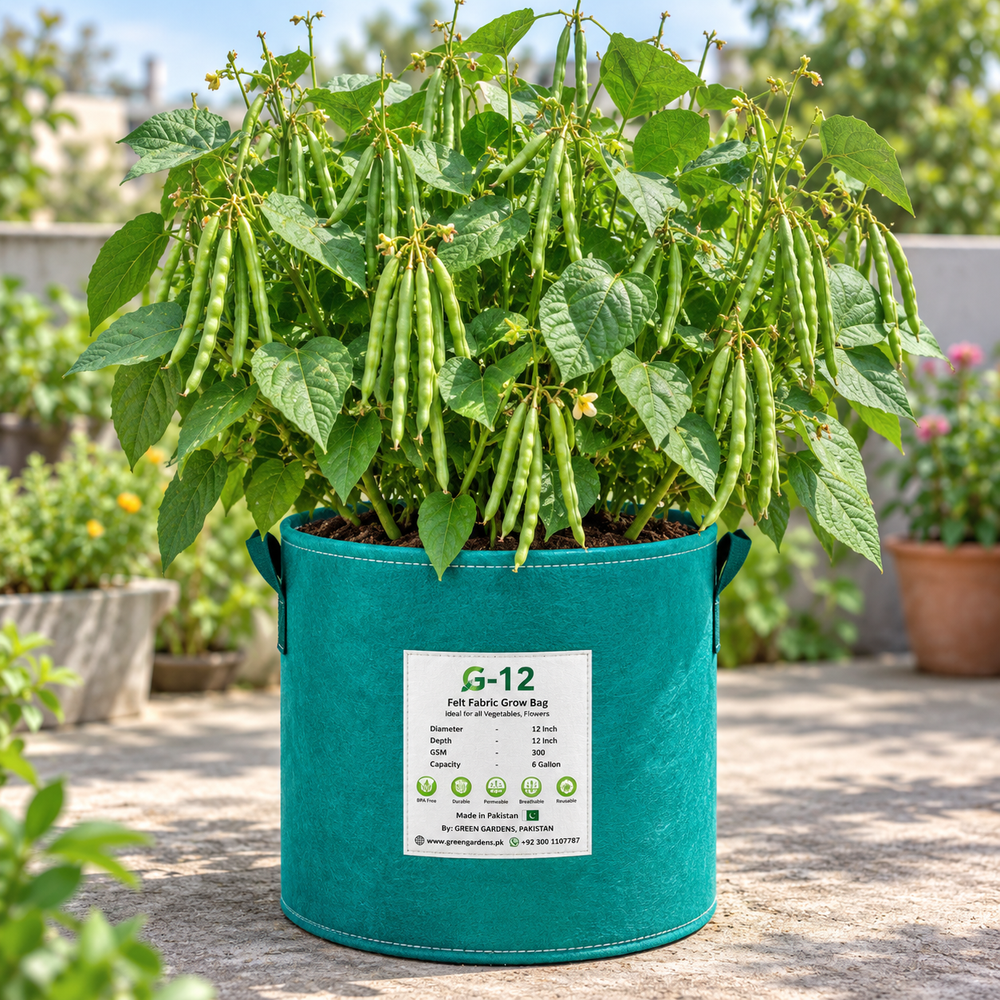
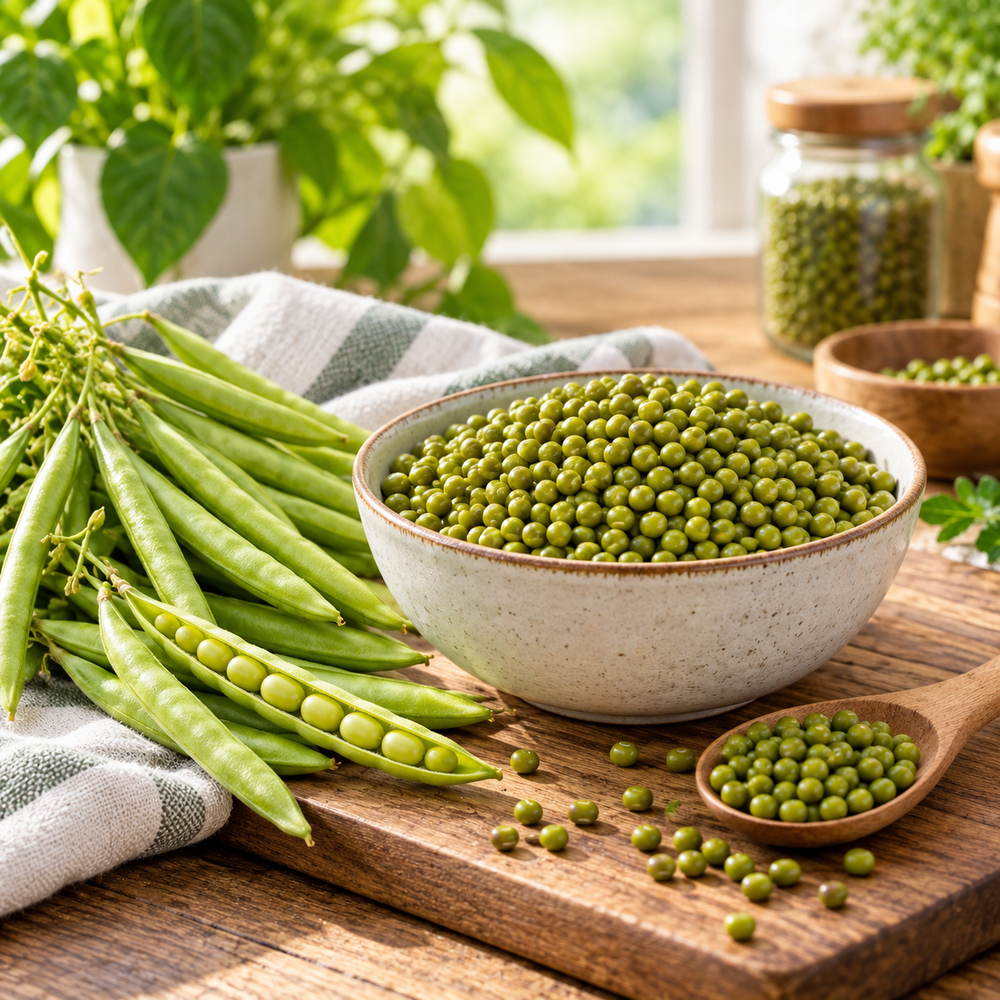
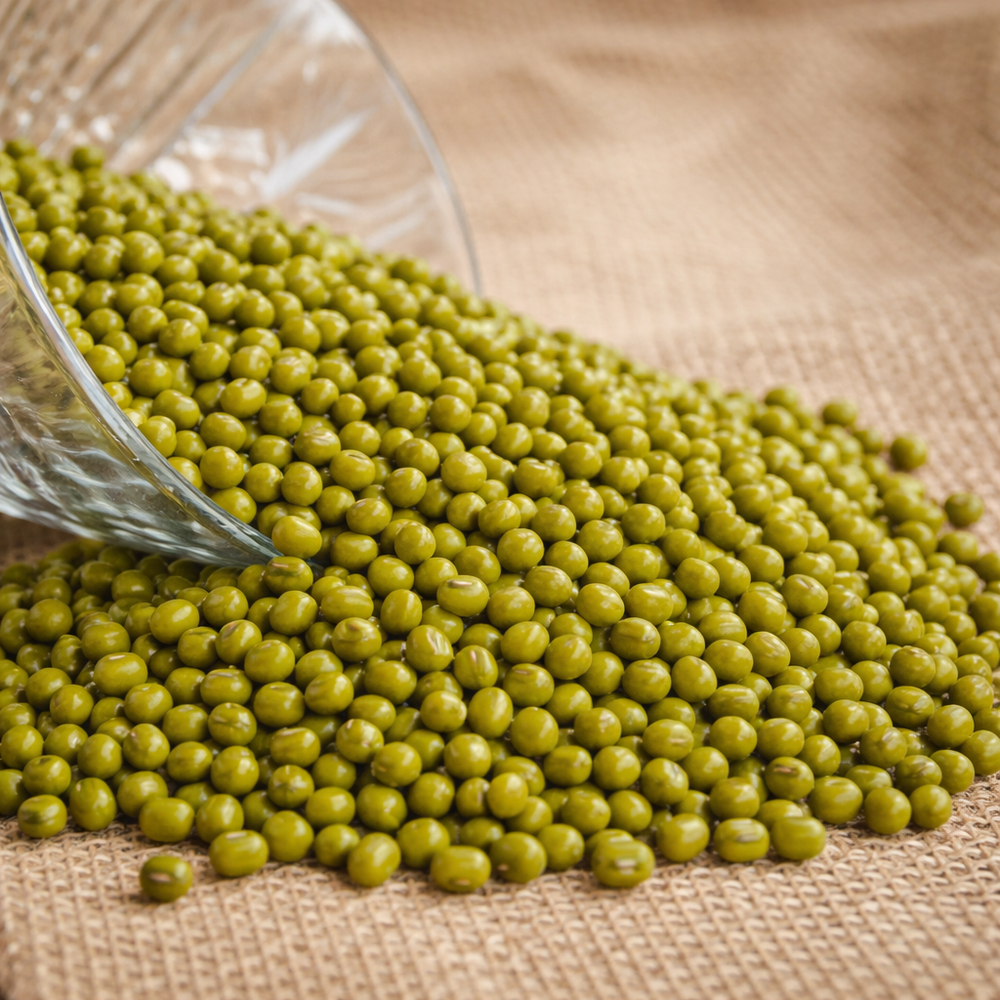
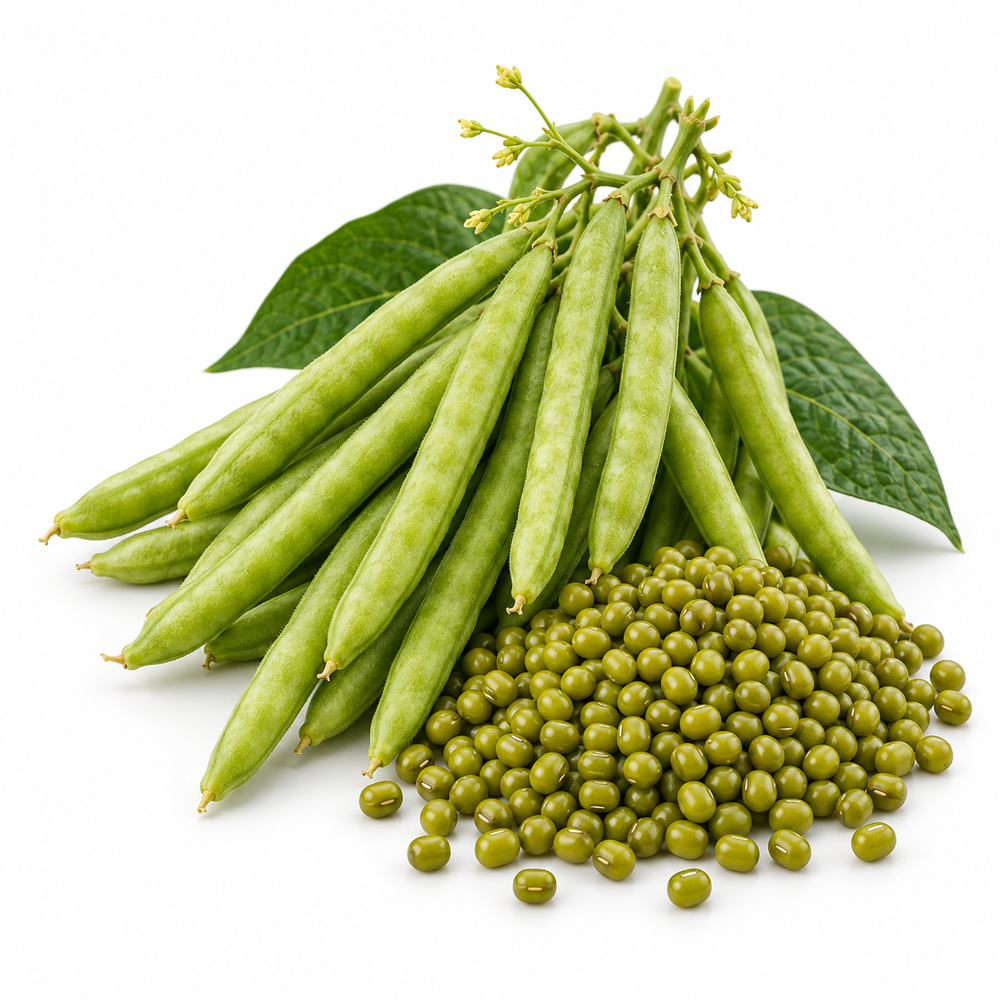
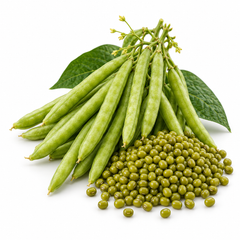
Approx. 100 seeds per pack.
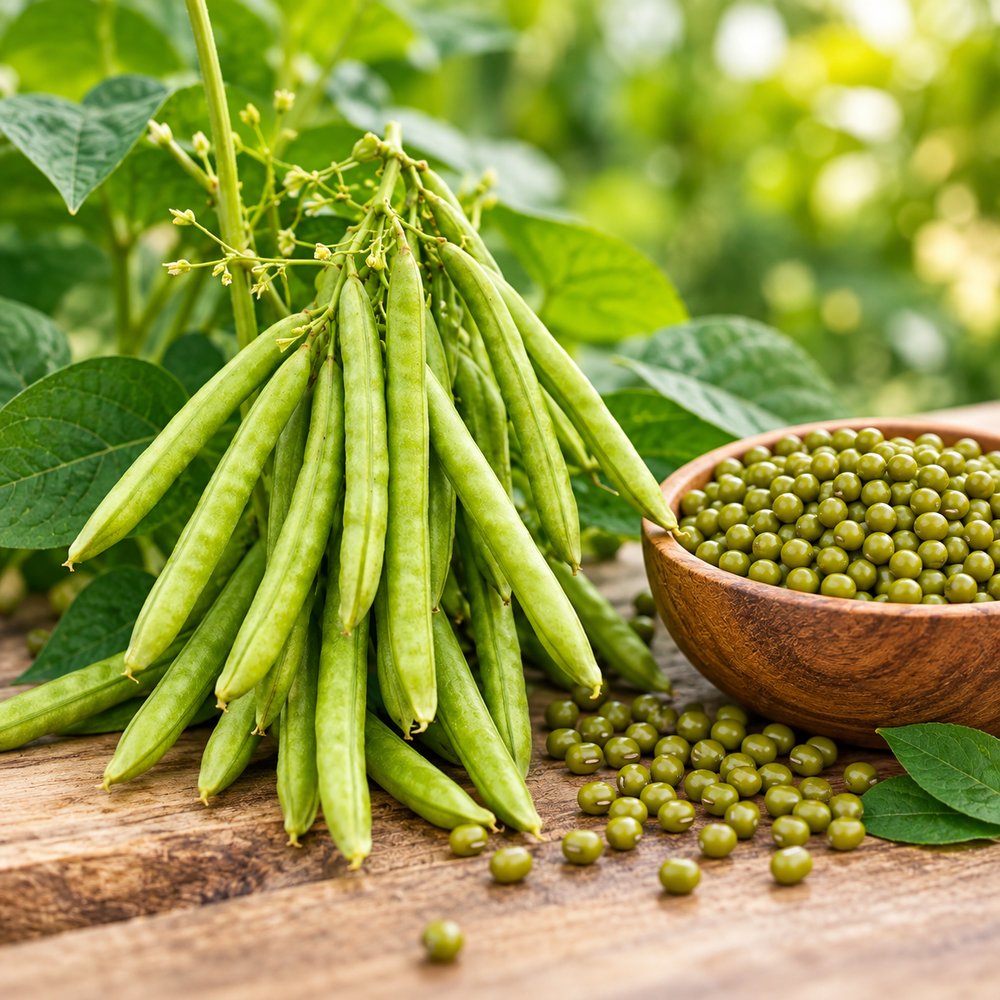
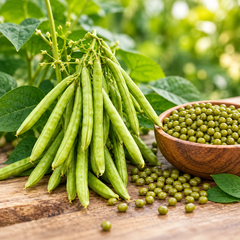
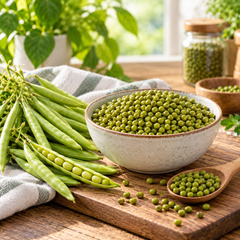
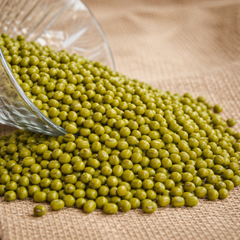
Grow Mung Beans, also known as Green Gram or Moong, a fast-growing warm-season legume producing slender pods filled with small green edible beans.
Excellent for traditional moong dal, curries, soups, sprouts, salads and other nutritious everyday dishes.
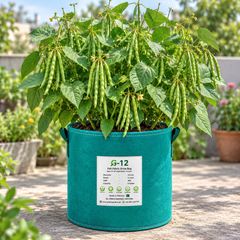
Suitable for kitchen gardens, raised beds, open soil and larger grow bags.
Germination Time: 4–8 days
Suitable Temperature: 20°C–35°C
Best Sowing Season: February - April & July - September
Couldn't load pickup availability
Free standard shipping on orders over RS 5000
Mung Bean belongs to the species Vigna radiata.
It is also commonly known as:
Mung Bean is a fast-growing annual legume cultivated widely in tropical and subtropical regions.
Plants generally develop an upright to somewhat spreading growth habit with:
Under suitable conditions, plants may reach approximately:
60–75 cm tall
and can mature relatively quickly compared with many other pulse crops. FAO references describe mung bean as a fast-growing warm-season annual that commonly reaches maturity within about 60–65 days under favourable conditions.
The crop can be grown for:
Fresh pods / green seeds – when beans are still tender.
Dry mature beans – for dal and storage.
Sprouting seeds – where seed is specifically suitable and handled hygienically for food sprouting.
Exact plant height, maturity, seed colour, pod size and yield may vary according to seed strain, temperature and crop management.
Mung Beans are especially suitable for:
The mature dried beans can be:
Always cook dried beans thoroughly before regular meal use.
G-11 Grow Bag – 11 × 10 inch 🔗
Suitable for a small number of Mung Bean plants.
G-12 Grow Bag – 12 × 12 inch 🔗
Provides additional root space and moisture stability for several plants.
G-24 Grow Bag – 24 × 12 inch 🔗
Recommended for growing a larger group of Mung Bean plants together.
Mung Beans generally develop a bushy or semi-upright habit and usually do not require heavy trellising.
Use fertile, loose and well-drained loamy or sandy-loam soil.
A practical GREEN GARDENS mix can be:
50% Bhalu Mitti (Sandy Soil) + 50% Vermicompost 🔗
Mung Beans prefer:
A soil pH of approximately:
6.0–7.5
is suitable for home cultivation.
Mung Bean tolerates a fairly broad soil range but performs best in well-drained loam or sandy-loam soil and is sensitive to prolonged waterlogging.
Mung Beans are best direct-sown into their final growing position.
Sow approximately:
2–3 cm deep
Cover with fine soil.
Water gently after sowing.
Avoid transplanting where possible because direct sowing allows the root system to establish naturally.
Keep the soil evenly moist during germination.
Seeds generally germinate within:
4–8 days
under warm conditions.
A soil temperature above approximately:
20°C
supports faster and more reliable establishment.
Recent research confirms that mung bean germination and emergence become slower under cooler conditions, with establishment generally stronger around 20°C and above.
After germination, provide:
Thin weak or overcrowded seedlings if required.
Provide:
6–8 hours of direct sunlight daily
Good sunlight supports:
Avoid growing Mung Beans in deep shade.
Maintain approximately:
10–15 cm between plants
For larger bushier plants, slightly wider spacing may be provided.
Allow adequate room between rows or planting groups for airflow and harvesting.
Water regularly during:
Allow the upper soil surface to begin drying between waterings.
Avoid:
Mung Beans are relatively drought tolerant once established but are particularly sensitive to waterlogging.
Before sowing, incorporate GREEN GARDENS Vermicompost 🔗.
Mung Beans are legumes and generally do not require heavy nitrogen fertilization.
Excess nitrogen can encourage excessive leafy growth while reducing pod production.
Use balanced nutrition where additional feeding is required.
Mung Bean plants produce small pale-yellow flowers.
Flowers are generally capable of self-pollination.
Healthy flowering is encouraged by:
Flowers are followed by developing pods.
After flowering, slender pods begin forming.
Each pod develops several small seeds inside.
During pod development:
Plants may produce pods over a relatively concentrated period.
Apply a light organic mulch after plants establish.
Mulching helps:
Keep mulch slightly away from stems.
Control weeds early in the crop cycle.
Young Mung Bean plants can suffer from competition for:
Hand weeding is usually suitable for small home plantings.
Inspect plants regularly for:
Good spacing, airflow and proper drainage help maintain healthier plants.
Avoid excessive irrigation.
For fresh green seed use, harvest pods when:
Shell and cook the fresh beans thoroughly before eating.
For mature Mung Beans, allow pods to remain on the plants until they become:
Dry and brown
and seeds inside are:
Firm and fully mature
Harvest dry pods before prolonged wet weather.
High moisture around maturity can damage seed quality and may even cause seeds to germinate inside the pods.
After harvesting:
Suitable storage options include:
Store in a cool, dry place away from moisture.
G-11 Grow Bag – 11 × 10 inch 🔗
G-12 Grow Bag – 12 × 12 inch 🔗
Thanks for subscribing!
This email has been registered!


We are here to assist you