


- Choosing a selection results in a full page refresh.

Available 24/7 at
0300 110 7787

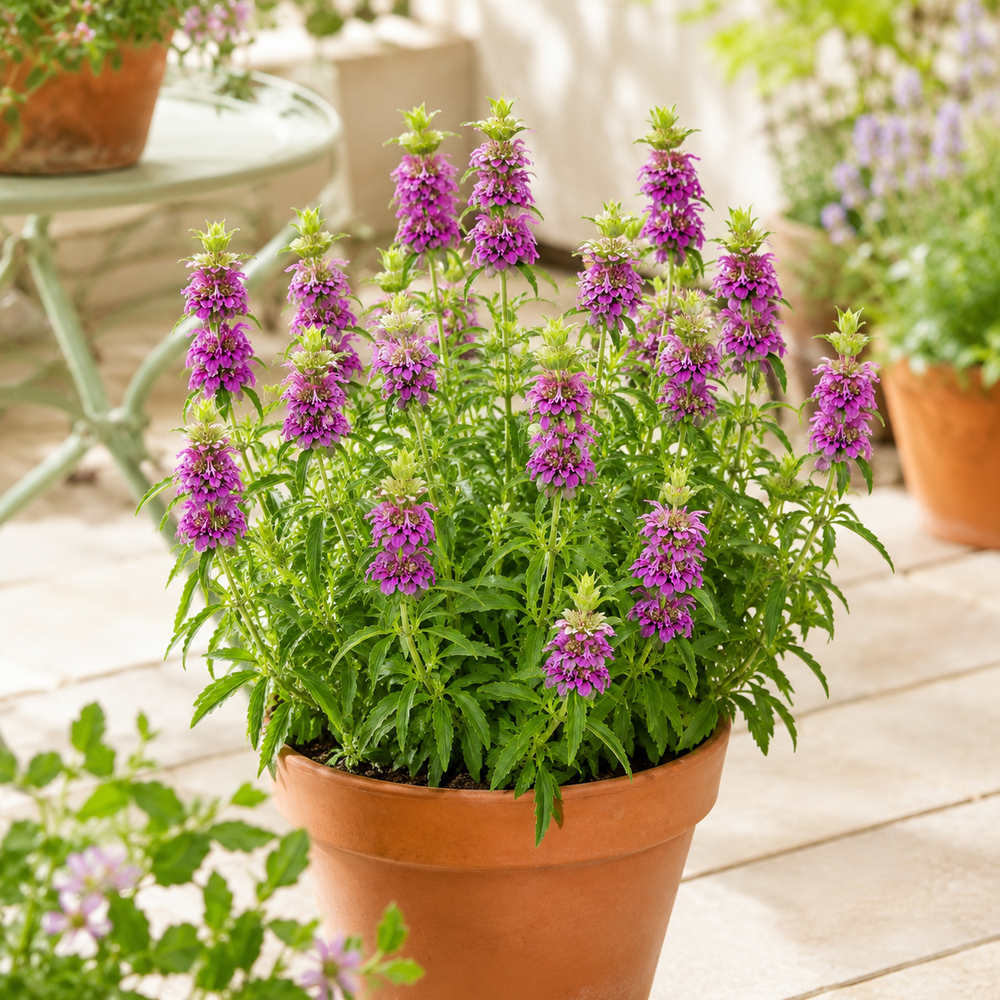
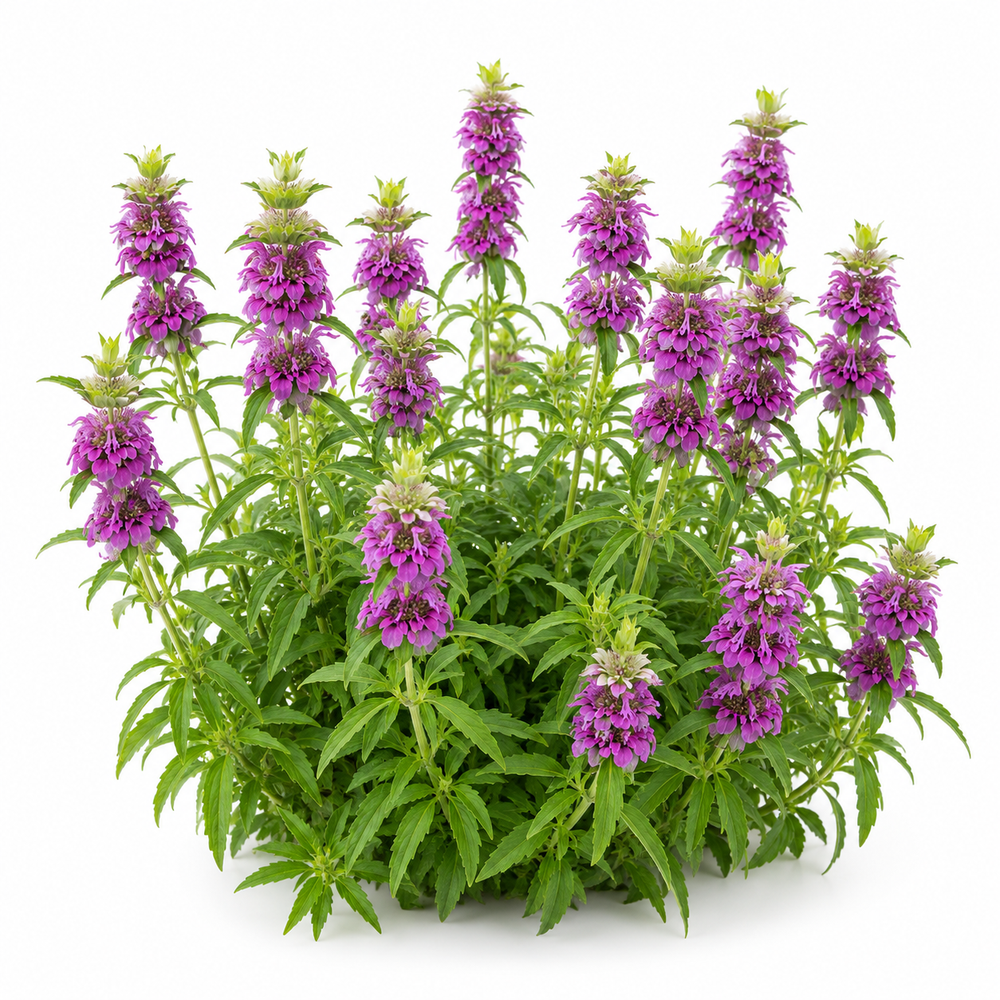

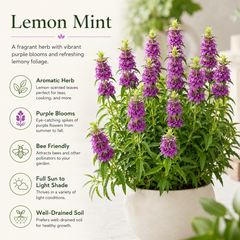
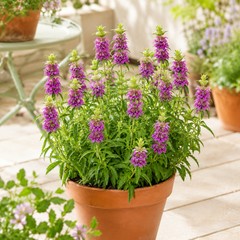
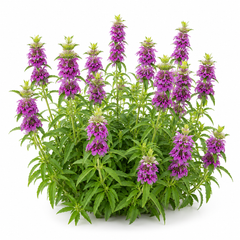
Pack Size: Approx. 30 seeds per pack.
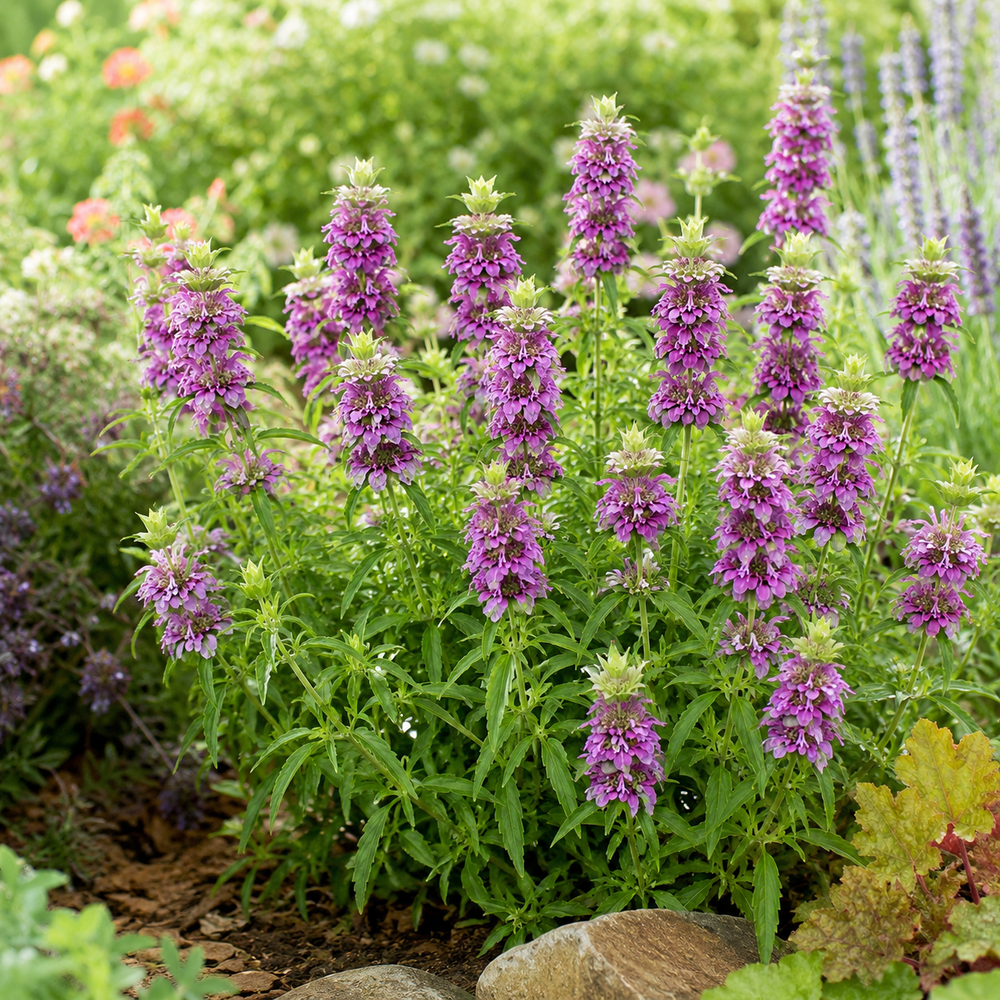
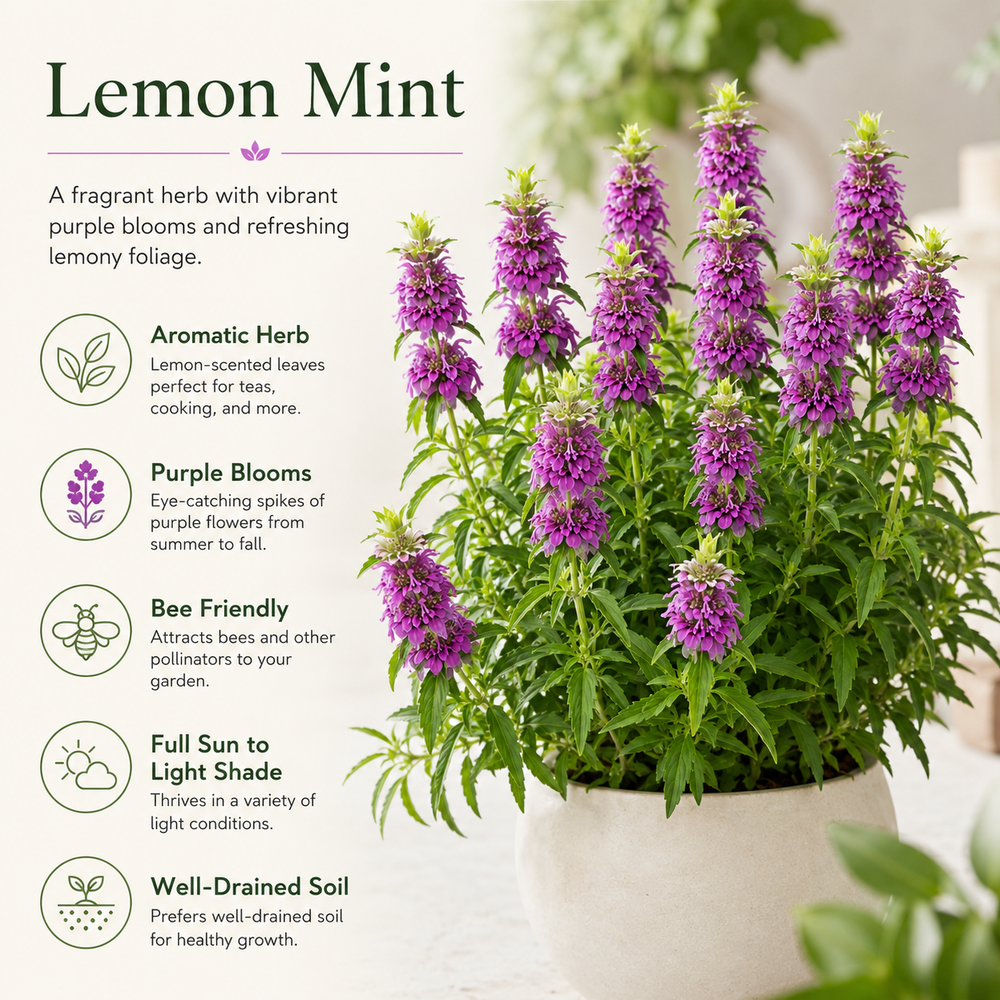
Grow Lemon Mint, also known as Lemon Bee Balm or Lemon Bergamot, an aromatic flowering herb producing fragrant leaves and attractive lilac-purple flower clusters.
The leaves have a distinctive lemony aroma and can be used for herbal tea and fresh culinary preparations, while the flowers are highly attractive to bees and other pollinators.
Suitable for kitchen gardens, flower beds, herb gardens, raised beds, pots and grow bags.
Germination Time: 10–20 days
Suitable Temperature: 16°C–21°C
Best Sowing Season: February - March & October - November
Couldn't load pickup availability
Free standard shipping on orders over RS 5000
Lemon Mint has the botanical name Monarda citriodora and belongs to the mint family Lamiaceae.
It is commonly known as:
It is typically grown as an annual or short-lived biennial, depending on climate and growing conditions.
Plants develop upright square stems with aromatic leaves and distinctive flower clusters arranged in tiers around the stems.
The foliage has a lemon-like fragrance, while the flowers are usually:
Lilac to purple
and are highly attractive to:
The leaves are edible and may be used for herbal tea and aromatic culinary use.
Exact plant height, flower colour intensity, fragrance and flowering period may vary according to climate and seed strain.
Lemon Mint leaves are especially suitable for:
The leaves have a lemon-like aroma that can sometimes develop a slightly oregano-like character later in the season.
For best flavour, harvest young and healthy leaves before or during early flowering.
Lemon Mint is also grown as an ornamental flowering herb.
Its unusual tiered flower clusters make it suitable for:
The flowers are especially attractive to bees and butterflies.
Suitable for one young Lemon Mint plant.
G-11 Grow Bag – 11 × 10 inch 🔗
Recommended for one mature plant with good root space.
G-12 Grow Bag – 12 × 12 inch 🔗
Provides additional root volume and stability for taller flowering plants.
For grouped flowering displays, larger grow bags or raised beds are more suitable.
Use loose, fertile and well-drained soil.
A practical GREEN GARDENS mix can be:
50% Bhalu Mitti (Sandy Soil) + 50% Vermicompost 🔗
Lemon Mint prefers:
An approximate soil pH of:
6.0–7.5
is suitable.
Avoid continuously waterlogged soil.
Lemon Mint seeds are small and require light for germination.
Sow seeds:
On the soil surface
Press them gently into moist soil.
Do not cover deeply.
A very light dusting of fine material may be used, but the seed should still receive light.
Keep the soil lightly and consistently moist.
Seeds generally germinate within:
10–20 days
at approximately:
16°C–21°C
Some seed lots may take longer depending on conditions.
After germination, provide:
Avoid keeping the seedlings constantly wet.
Thin overcrowded seedlings when necessary.
When seedlings have developed several true leaves and are strong enough to handle, transplant them carefully into:
Avoid disturbing the roots excessively.
Provide:
6–8 hours of direct sunlight daily
Lemon Mint performs best in:
Full sun
although it can tolerate some partial sun.
Good sunlight encourages:
Maintain approximately:
30–45 cm between plants
when growing mature plants.
Adequate spacing helps:
Keep soil consistently moist during establishment.
Once plants are established, water when the upper soil begins to dry.
Avoid:
Well-drained soil is especially important.
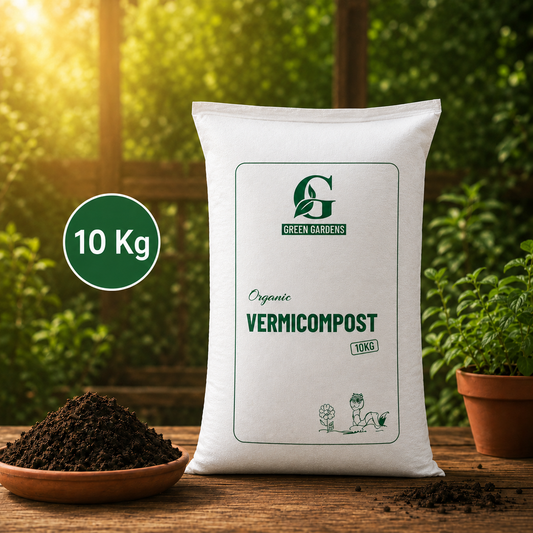
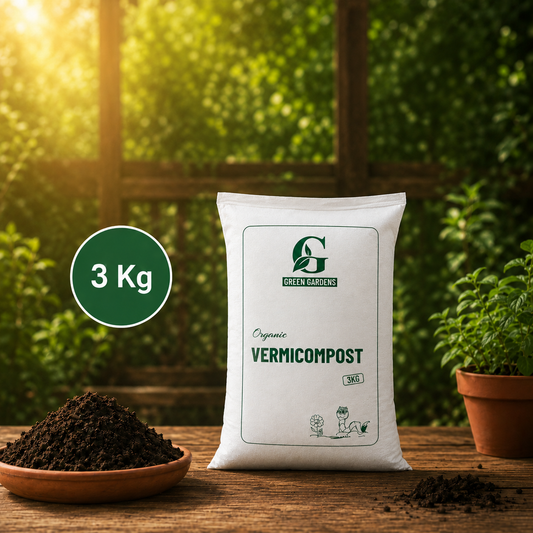
Before planting, incorporate GREEN GARDENS Vermicompost 🔗.
Lemon Mint generally performs well in moderately fertile soil.
Avoid excessive nitrogen feeding because very lush leafy growth may reduce flowering.
Young plants may be lightly pinched to encourage:
Avoid excessive pinching once flower production begins.
Flowers generally develop on upright stems in distinctive stacked or tiered clusters.
The blooms are commonly:
Lilac-purple
and may continue over an extended period under suitable conditions.
Plants are especially valuable for attracting pollinators.
Lemon Mint can self-seed under favourable conditions.
If you do not want volunteer seedlings, remove mature flower heads before seeds are fully released.
If natural reseeding is desired, allow some flower heads to mature.
Inspect plants regularly for:
Good airflow and proper drainage help reduce many problems.
Harvest healthy leaves once plants are well established.
Pick:
Young leaves and tender shoot tips
for the best aroma.
Avoid removing too much foliage from young plants.
Flowering stems may be cut for ornamental use when clusters are well developed.
Use clean scissors or pruning shears.
Leaving some flowers on the plant helps support bees and other pollinators.
Allow selected flower heads to dry fully on the plant.
Once dry:
Store seeds in a cool, dry place for future sowing.
G-11 Grow Bag – 11 × 10 inch 🔗
Thanks for subscribing!
This email has been registered!


We are here to assist you