


Best Sowing Season: October - January


- Choosing a selection results in a full page refresh.

Available 24/7 at
0300 110 7787
Pack Size: Approx. 30 seeds per pack.
Grow Lamb's Lettuce, also known as Corn Salad or Mâche, a cool-season leafy green producing small, tender, dark green leaves with a mild, slightly nutty flavour.
Excellent for fresh salads, sandwiches, wraps and garnishing. Its compact growth makes it suitable for kitchen gardens, raised beds, pots and grow bags.
Germination Time: 7–14 days
Suitable Temperature: 10°C–20°C
Best Sowing Season: October - January
Couldn't load pickup availability
Free standard shipping on orders over RS 5000
Lamb's Lettuce belongs to the species Valerianella locusta and is also widely known as:
It develops compact rosettes of soft green leaves close to the soil surface.
The leaves have a tender texture with a mild, pleasant and slightly nutty flavour, making them particularly useful for fresh eating.
Unlike heading lettuce, Lamb's Lettuce grows as individual leafy rosettes rather than forming a large central head.
Plants remain relatively compact, making them especially suitable for:
It can be harvested as individual leaves or as complete young rosettes.
Under suitable growing conditions, plants may become ready for harvesting approximately:
35–50 days after sowing
Exact growth rate, leaf size, maturity and yield may vary according to temperature, soil fertility, seed strain and crop management.
Lamb's Lettuce is especially suitable for:
Its delicate leaves are best used fresh or with minimal cooking.
Wash harvested leaves thoroughly before use, particularly because the compact rosettes grow close to the soil surface.
Suitable for growing a small cluster of Lamb's Lettuce plants for regular fresh harvesting.
G-11 Grow Bag – 11 × 10 inch 🔗
Provides comfortable growing space for several compact rosettes.
G-24 Grow Bag – 24 × 12 inch 🔗
Excellent for growing a larger patch of Lamb's Lettuce for repeated salad harvesting.
Because Lamb's Lettuce has a compact growth habit, several plants can be grown together when adequate spacing and airflow are maintained.
Use fertile, loose and well-drained soil rich in organic matter.
A practical GREEN GARDENS mix can be:
50% Bhalu Mitti (Sandy Soil) + 50% Vermicompost 🔗
Lamb's Lettuce prefers:
An approximate soil pH of:
6.0–7.0
is suitable for healthy growth.
Avoid compacted or continuously waterlogged soil.
Lamb's Lettuce is best direct-sown into its final growing position.
Sow seeds approximately:
0.5–1 cm deep
Cover lightly with fine soil.
Water gently after sowing so the seeds remain in position.
Do not bury the seeds too deeply.
Keep the soil consistently moist but not waterlogged.
Seeds generally germinate within:
7–14 days
under suitable cool conditions.
Germination can become slower or less reliable when temperatures are too warm.
After germination, provide:
Thin crowded seedlings carefully to allow individual rosettes to develop properly.
Provide approximately:
4–6 hours of direct sunlight daily
during cool weather.
Plants can also perform well in partial shade, particularly where daytime temperatures begin to rise.
In warmer conditions, protection from harsh afternoon sun can help maintain better leaf quality.
Maintain approximately:
5–8 cm between plants
for compact salad-leaf production.
For larger individual rosettes, slightly wider spacing can be provided.
Avoid severe overcrowding because dense growth can reduce airflow around the foliage.
Maintain evenly moist soil throughout the growing period.
Water whenever the upper soil surface begins to dry.
Avoid:
Consistent moisture helps produce soft and tender leaves.
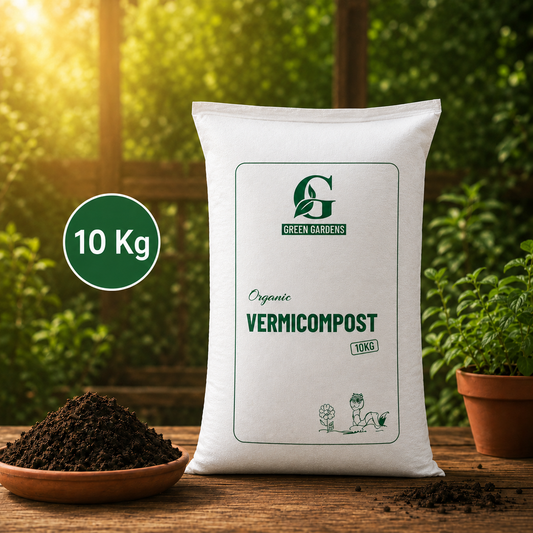
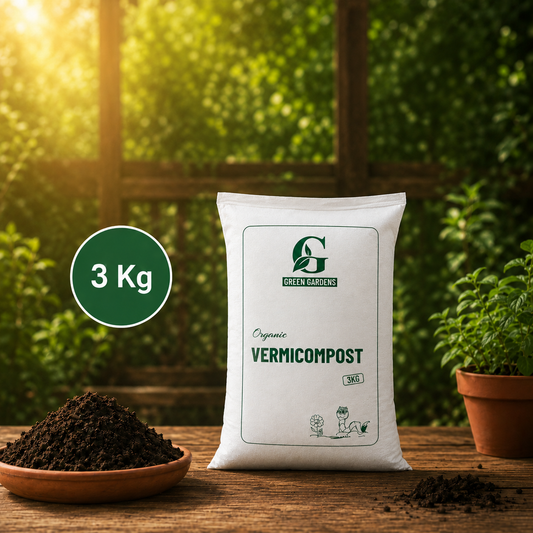
Before sowing, incorporate GREEN GARDENS Vermicompost 🔗.
Lamb's Lettuce does not require excessive feeding.
A fertile soil containing sufficient organic matter is generally suitable for healthy leafy growth.
Avoid excessive fertilizer application, particularly heavy feeding immediately before harvesting.
Lamb's Lettuce performs best in:
Cool to mild weather
with temperatures around:
10°C–20°C
High temperatures can reduce germination and may cause plants to mature rapidly or lose their preferred tender leaf quality.
For this reason, avoid sowing during prolonged hot weather.
A very light organic mulch may be applied around established plants.
Mulching can help:
Do not bury the small rosettes under mulch.
Remove weeds regularly while they are small.
Because Lamb's Lettuce plants remain low-growing, aggressive weeds can easily compete with them for:
Hand weeding is generally most suitable around young plants.
Inspect plants regularly for:
Good spacing and airflow help reduce disease problems.
Avoid excessive overhead watering during cool, humid conditions.
For baby-leaf use, begin harvesting when leaves are:
Young, tender and sufficiently developed for eating
Pick individual outer leaves while leaving the central growing point intact.
This allows the plant to continue producing fresh leaves.
Whole rosettes can be harvested when they have developed a compact cluster of usable leaves.
Cut the plant carefully:
Just above soil level
using clean scissors or a sharp knife.
Harvest preferably during the cooler part of the day for best freshness.
For repeated harvesting, cut mature outer leaves or small groups of leaves while preserving the central crown.
Plants may continue producing additional foliage when:
Avoid removing all foliage from very young plants.
Lamb's Lettuce leaves are tender and should be handled gently after harvesting.
Wash thoroughly in clean water to remove:
Drain or dry gently.
For best quality, use freshly harvested leaves promptly or refrigerate them in a clean container or food-safe bag.
G-11 Grow Bag – 11 × 10 inch 🔗
Thanks for subscribing!
This email has been registered!


We are here to assist you