



Best Sowing Season: February - March & September - October


- Choosing a selection results in a full page refresh.

Available 24/7 at
0300 110 7787
Pack Size: Approx. 70–80 seeds per pack.
Grow Greek Oregano, a highly aromatic Mediterranean culinary herb valued for its strong flavour and fragrant leaves. Excellent for pizzas, pasta, sauces, grilled vegetables, meat dishes and herb seasoning blends.
Suitable for kitchen gardens, herb gardens, raised beds, pots and grow bags.
Germination Time: 7–14 days
Suitable Temperature: 18°C–25°C
Best Sowing Season: February - March & September - October
Couldn't load pickup availability
Free standard shipping on orders over RS 5000
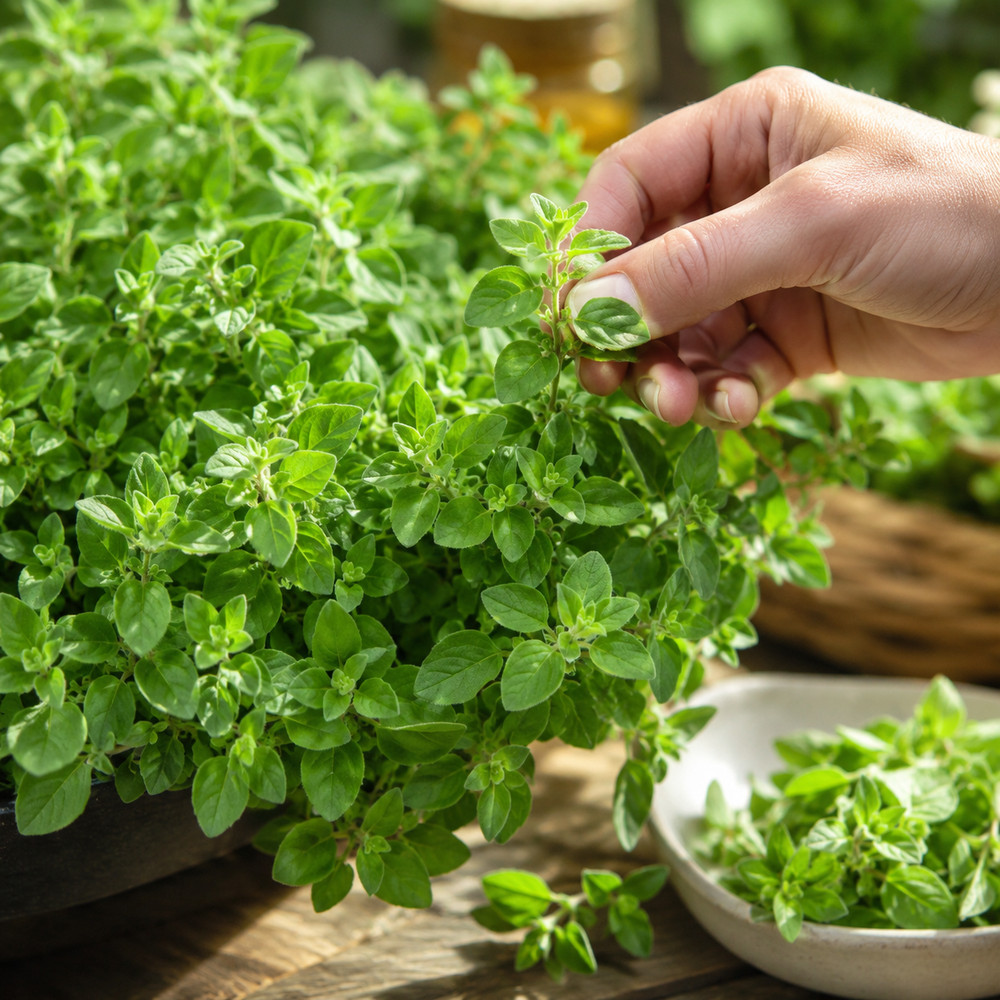
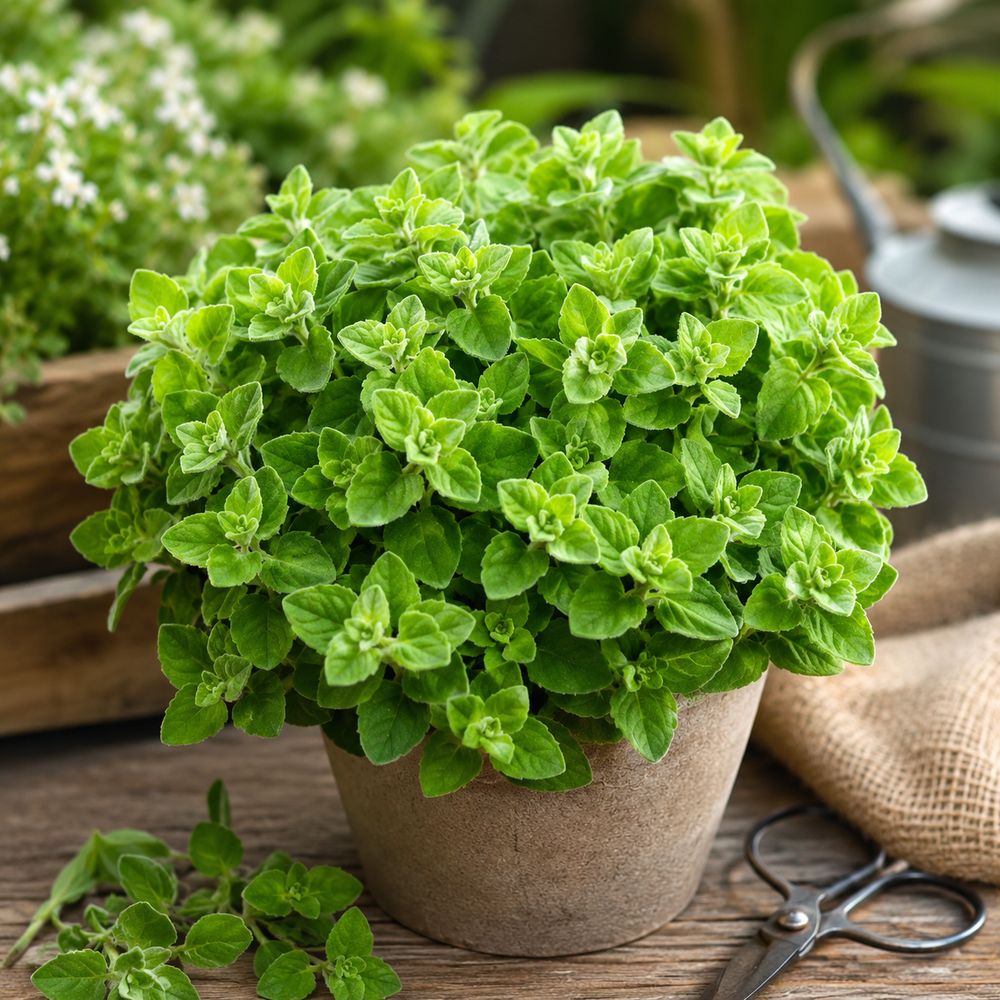
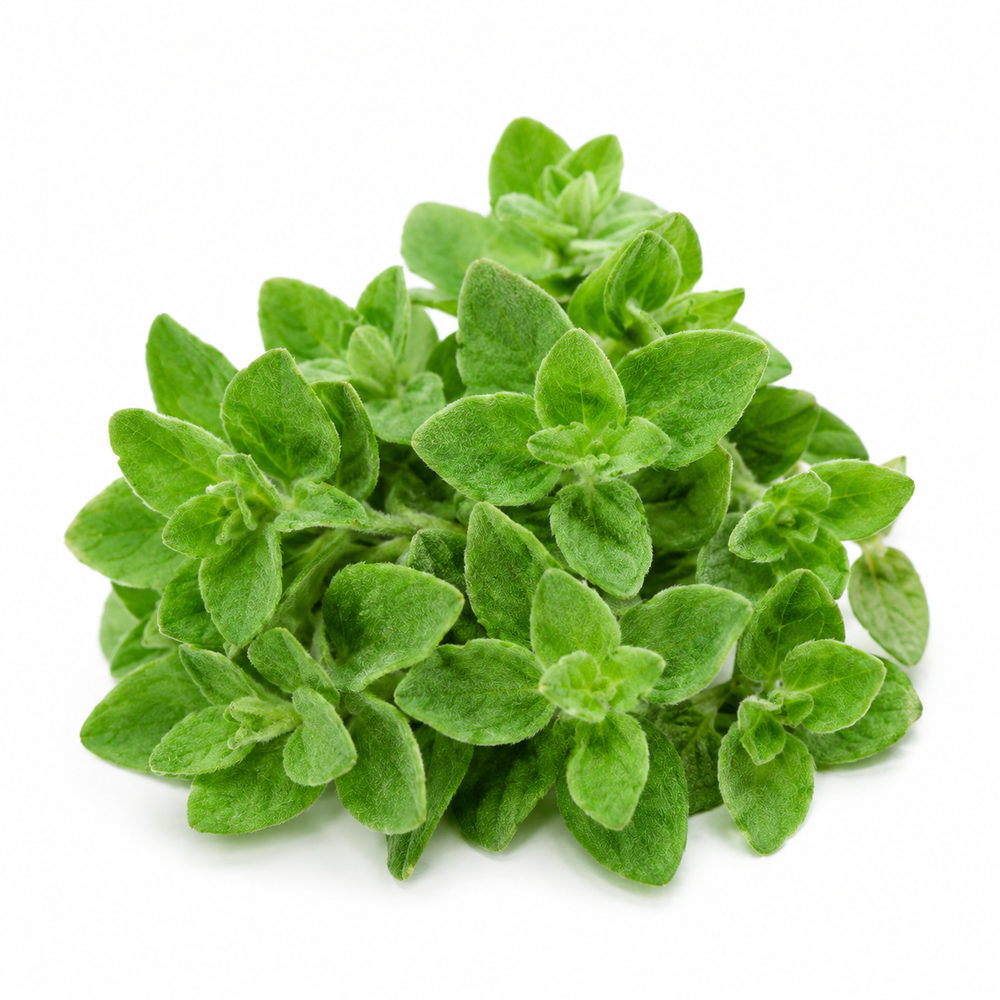
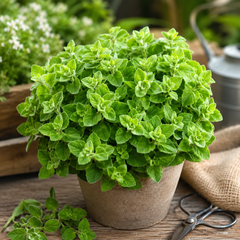
Greek Oregano is a strongly aromatic perennial culinary herb botanically known as Origanum vulgare subsp. hirtum.
It belongs to the mint family, Lamiaceae, and is particularly valued for its distinctive Mediterranean aroma and flavour.
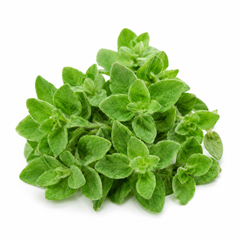
The plant develops compact, branching growth with small aromatic green leaves.
Greek Oregano is commonly grown for both fresh and dried leaves, which are widely used in Mediterranean, Italian and Middle Eastern cooking.
Once established, plants can be harvested repeatedly by cutting stems and allowing fresh growth to develop.
The flavour is generally strongest when plants are grown in plenty of sunlight and in well-drained soil that is not excessively rich.
Exact plant height, leaf size and flavour intensity can vary according to climate, soil fertility and crop management.
Greek Oregano is especially suitable for:
Leaves can be used:
Fresh or dried
For drying, harvest healthy leafy stems and allow them to dry naturally in a shaded, well-ventilated location.
Dried leaves retain excellent aroma and are useful for long-term kitchen storage.
Suitable for growing one compact Greek Oregano plant.
G-11 Grow Bag – 11 × 10 inch 🔗
Provides additional root space for a larger, well-branched herb plant.
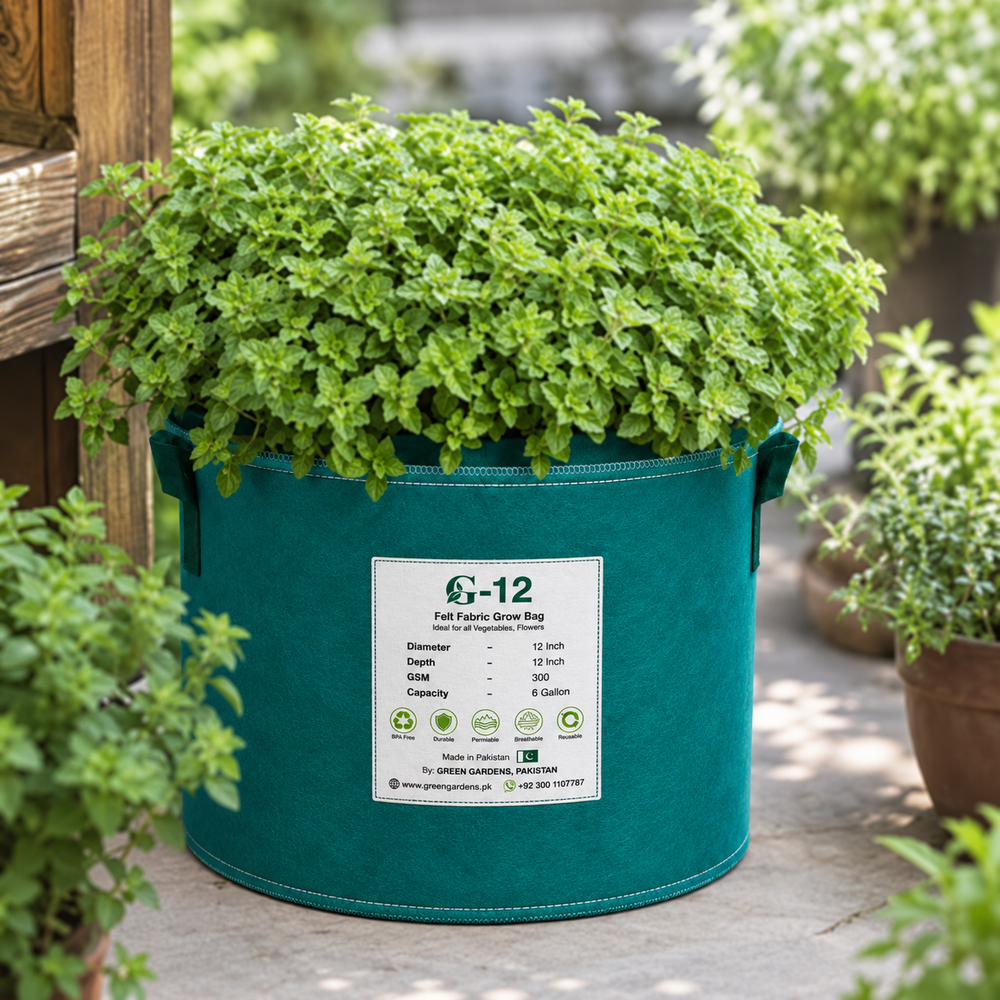
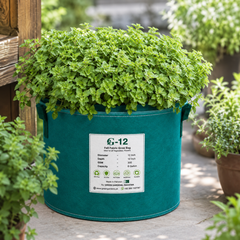
G-12 Grow Bag – 12 × 12 inch 🔗
Suitable for a mature oregano plant or a small herb grouping with adequate spacing.
Greek Oregano also performs very well in conventional pots and herb planters.
Use a light, loose and very well-drained growing medium.
Greek Oregano naturally performs well in relatively lean, well-drained soils and does not require excessively rich soil.
A practical GREEN GARDENS mix can be:
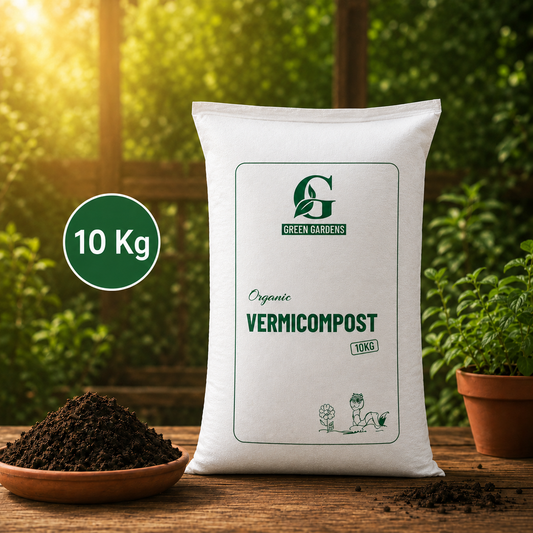
60% Bhalu Mitti (Sandy Soil) + 40% Vermicompost 🔗
Avoid excessive vermicompost or heavy nitrogen feeding because overly rich soil can encourage soft vegetative growth and may reduce aroma intensity.
Greek Oregano generally prefers neutral to slightly alkaline, freely draining soil.
Avoid continuously wet or waterlogged growing media.
Greek Oregano seeds are extremely small.
Start seeds in:
Scatter seeds lightly over the surface.
Do not bury deeply.
Press them gently onto the moist growing medium and either leave uncovered or apply only the finest dusting of growing mix.
Greek Oregano seeds require light for good germination.
Keep the growing medium consistently moist but never waterlogged.
Seeds generally germinate within:
7–14 days
at approximately:
18°C–21°C
Some seed lots may take slightly longer depending on growing conditions.
Mist gently so that the tiny seeds are not displaced.
Once seedlings emerge, provide:
Avoid overwatering.
Allow seedlings to develop slowly and steadily.
Transplant seedlings when they are well established and have approximately:
4 true leaves
Move individual plants carefully into small pots or their final growing position.
Avoid damaging the fine root system during transplanting.
Provide:
6–8 hours of direct sunlight daily
Greek Oregano performs best in full sun, although it can tolerate some partial shade.
Good sunlight improves compact growth and helps develop stronger aromatic foliage.
Maintain approximately:
25–30 cm between plants
Adequate spacing improves:
For individual container growing, one plant per small to medium grow bag is generally sufficient.
Water moderately.
Allow the upper layer of soil to begin drying slightly before watering again.
Once established, Greek Oregano is relatively tolerant of short dry periods.
Avoid:
Good drainage is particularly important for long-term plant health.
Greek Oregano does not require heavy fertilization.
Before planting, incorporate a moderate quantity of GREEN GARDENS Vermicompost 🔗.
Avoid excessive nitrogen.
Too much feeding can encourage lush, soft growth with comparatively weaker aroma.
Pinch the growing tips once plants become established.
Regular pinching encourages:
Remove old, woody or damaged stems when necessary.
Established Greek Oregano plants may produce clusters of small flowers.
These flowers are attractive to:
If the primary purpose is leaf production, stems may be harvested before or around early flowering when aroma is strong.
A light mulch may be used around established plants, particularly during hot weather.
Mulching helps reduce rapid soil moisture loss.
However, keep mulch away from the crown and avoid creating continuously wet conditions around the plant base.
Greek Oregano is generally a relatively trouble-free herb when grown in suitable conditions.
Inspect occasionally for:
Most serious problems are associated with poor drainage, excess humidity or continuous overwatering.
Begin light harvesting once plants are well established and producing multiple healthy stems.
Cut individual stems approximately:
5 cm above the base
or harvest the upper leafy portions as required.
Regular trimming encourages new growth.
For the strongest dried-herb quality, harvest healthy stems just before or as flowering begins.
Avoid removing all foliage from a young plant at one time.
Thanks for subscribing!
This email has been registered!