



Best Sowing Season: January - March & July - October


- Choosing a selection results in a full page refresh.

Available 24/7 at
0300 110 7787
Pack Size: Approx. 50 seeds per pack.
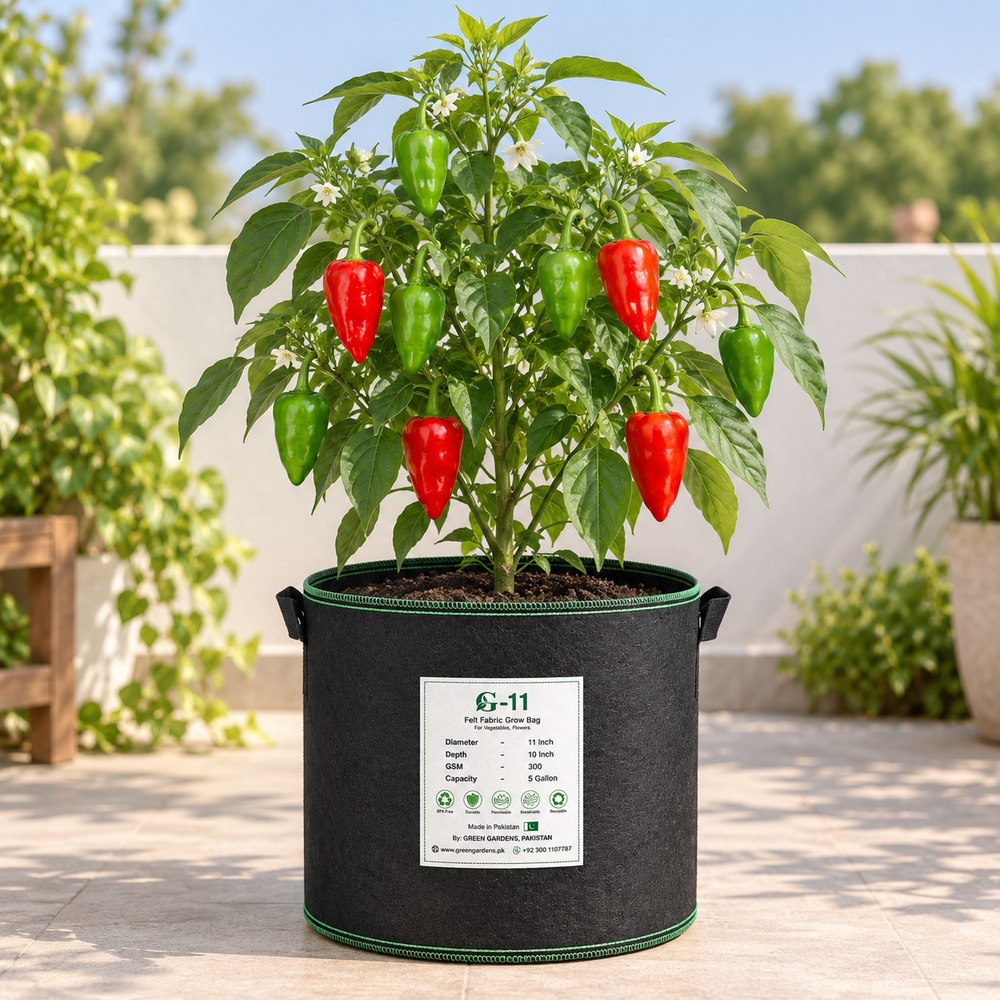
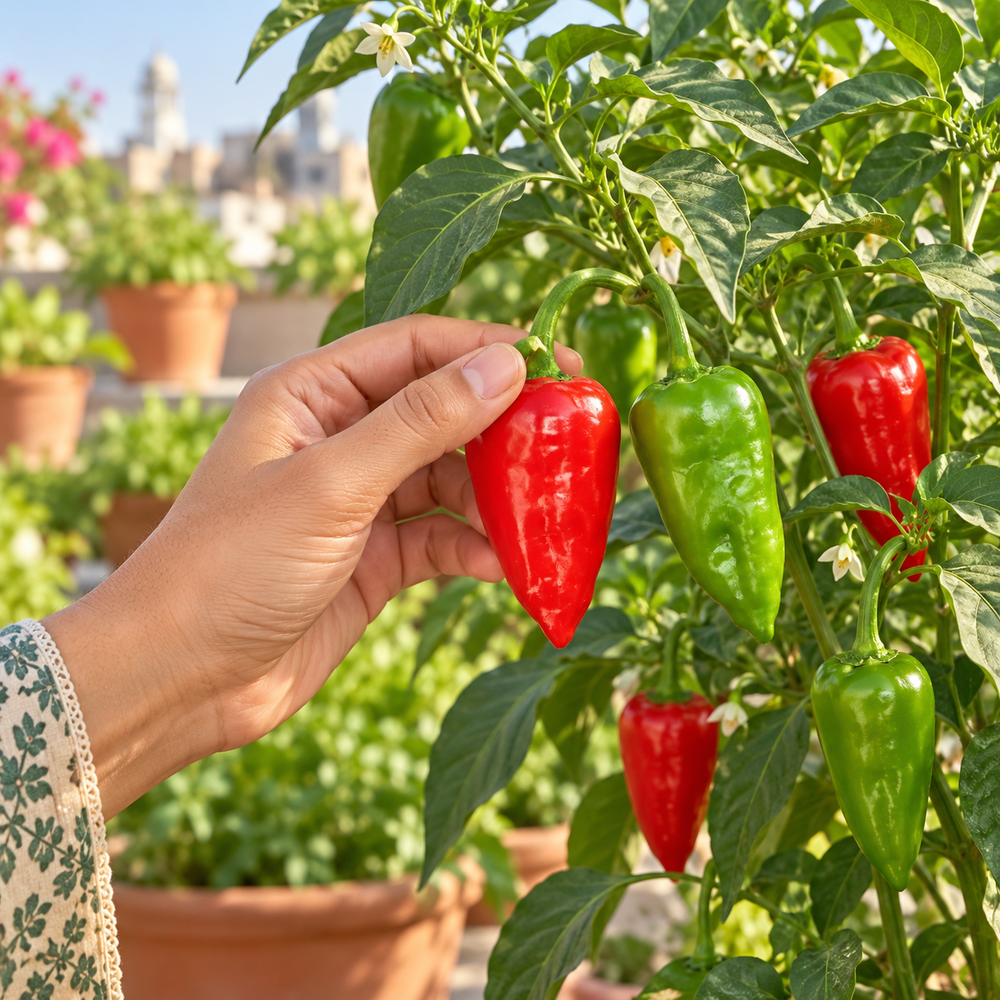
Grow Ghotki Chili, a traditional Pakistani chilli variety valued for its slender green-to-red fruits, strong chilli flavour and excellent culinary use. Suitable for kitchen gardens, raised beds, open soil and grow bags.
Excellent for fresh cooking, curries, pickles, sauces and drying.
Germination Time: 10–15 days
Suitable Temperature: 20°C–30°C
Best Sowing Season: January - March & July - October
Couldn't load pickup availability
Free standard shipping on orders over RS 5000
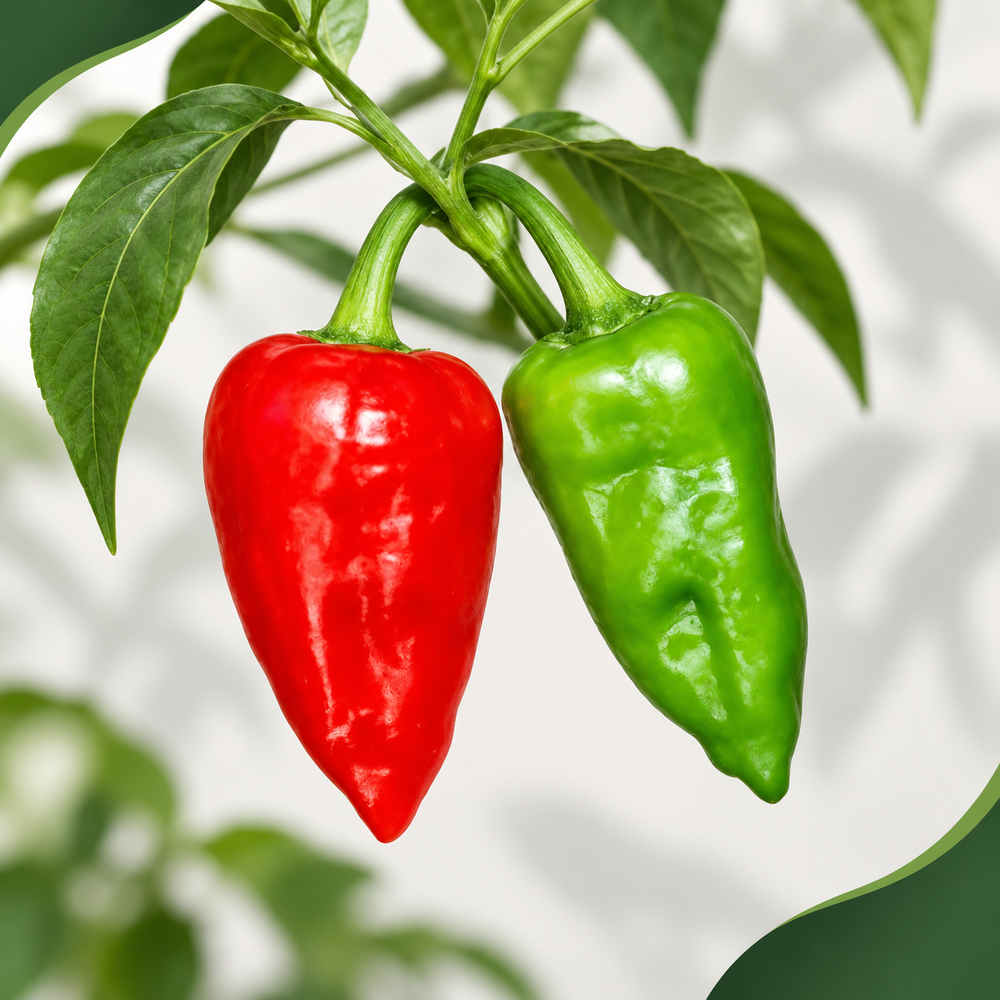
Ghotki Chili is a traditional Pakistani chilli variety botanically belonging to Capsicum annuum.
The variety is particularly associated with Sindh, Pakistan, and has historically been cultivated in areas including Ghotki and surrounding districts.
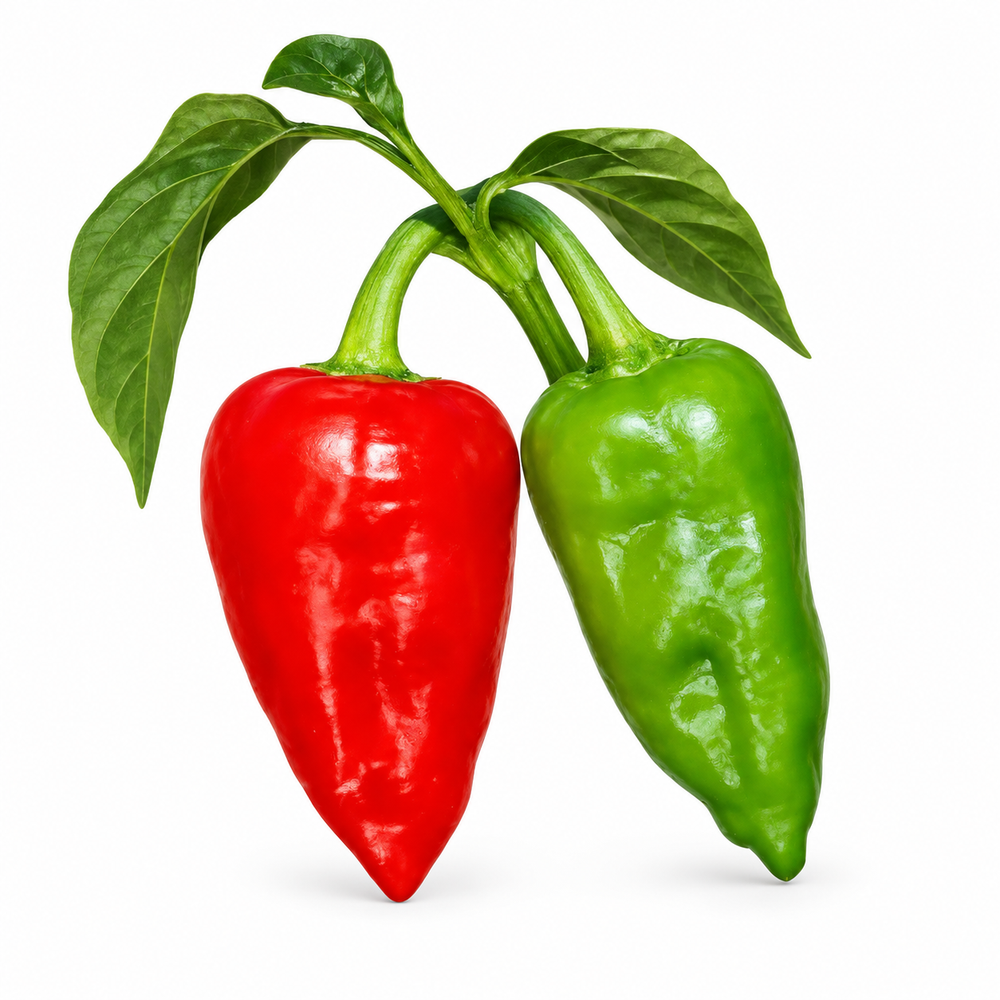
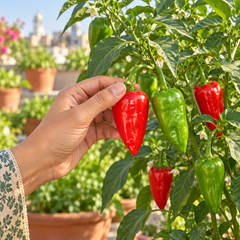
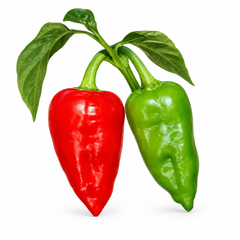
Ghotki is regarded as an early-producing chilli variety. Its fruits are generally long, slender and thin, developing either straight or with a slight curve. The fruits contain comparatively fewer seeds than many thicker chilli types.
Young fruits are harvested green for fresh-market use, while fruits allowed to mature fully develop their characteristic ripe colour.
Its productive growth, useful fruit shape and suitability for Pakistani cooking make Ghotki Chili an excellent choice for home gardeners looking for a traditional local chilli.
Exact fruit length, pungency, plant height, fruit colour and yield may vary according to seed strain, climate, soil fertility and crop management.
Ghotki Chillies are especially suitable for:
For fresh use, harvest the chillies while they are firm, green and fully developed.
Fruits may also be allowed to mature further when ripe chillies are required.
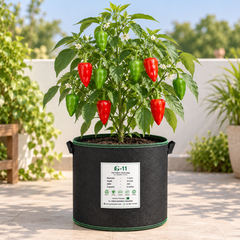
G-12 Grow Bag – 12 × 12 inch 🔗
Suitable for growing one healthy Ghotki Chili plant with adequate root space.
G-15 P Grow Bag – 15 × 14 inch 🔗
Provides additional root volume and moisture stability for larger, longer-producing chilli plants.
G-24 Grow Bag – 24 × 12 inch 🔗
Suitable for growing several chilli plants together while maintaining appropriate spacing.
Use light staking if mature plants become heavy with fruit.
Use fertile, loose and well-drained loamy soil enriched with organic matter.
A practical GREEN GARDENS mix can be:
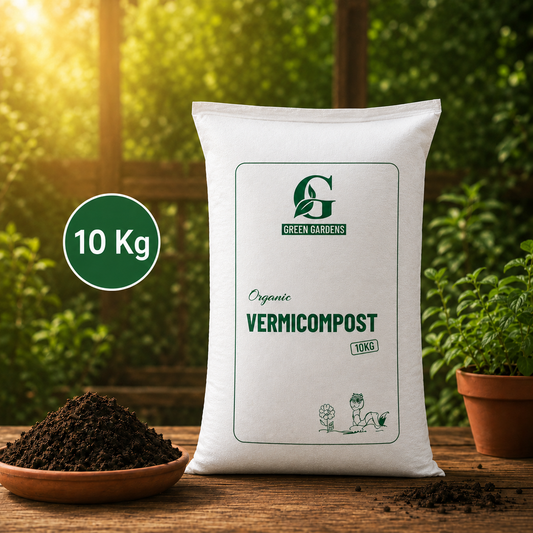
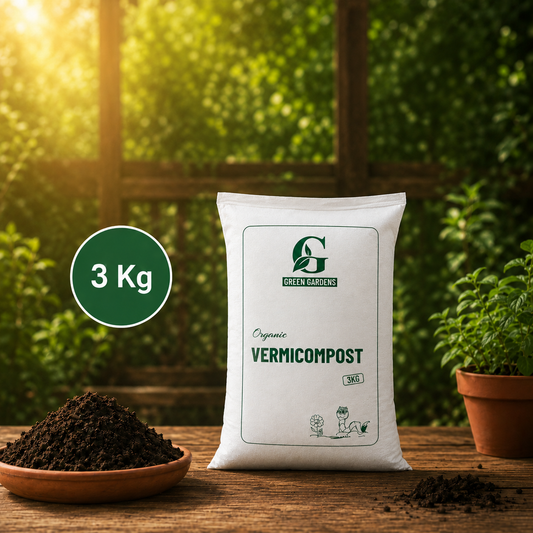
50% Bhalu Mitti (Sandy Soil) + 50% Vermicompost 🔗
Chilli plants generally perform well in slightly acidic to neutral soil with an approximate pH of:
6.0–7.0
Good drainage is essential.
Avoid continuously wet, compacted or waterlogged soil because chilli roots are sensitive to prolonged waterlogging.
Ghotki Chili seeds are best started in:
Sow approximately:
0.5–1 cm deep
Cover lightly with fine soil or potting mix and water gently.
Avoid sowing chilli seeds too deeply.
Maintain consistently moist but well-drained growing media.
Seeds generally germinate within:
7–14 days
Maintain approximately:
20°C–30°C
Warm conditions encourage faster and more uniform germination.
Keep seedlings in bright light after germination.
Avoid excessive watering, particularly while seedlings are young.
Seedlings should develop:
before transplanting.
Transplant seedlings into their final location once they are well established and have developed approximately:
4–6 true leaves
Handle seedlings carefully to avoid disturbing the root system.
Water immediately after transplanting.
Provide:
6–8 hours of direct sunlight daily
Good sunlight supports strong plant development, flowering and fruit production.
During exceptionally intense summer heat, some protection from harsh late-afternoon sun may help young container-grown plants.
Maintain approximately:
30–45 cm between plants
Adequate spacing improves:
Avoid overcrowding.
Maintain regular and consistent soil moisture.
Water deeply when required but allow excess water to drain freely.
Pay particular attention to moisture during:
Avoid continuously soggy soil.
Large fluctuations between very dry and excessively wet soil can stress chilli plants.
Before transplanting, incorporate GREEN GARDENS Vermicompost 🔗 into the growing medium.
During active growth, maintain balanced nutrition.
Avoid excessive nitrogen fertilization because it can encourage lush leafy growth while reducing flowering and fruit development.
Once plants begin flowering, balanced feeding with adequate potassium can support fruit development.
Chilli flowers are generally capable of self-pollination.
Natural airflow, gentle plant movement and visiting pollinating insects can assist pollen transfer.
High temperatures, severe moisture stress or other environmental stress can sometimes cause flower drop.
Ghotki Chili plants may benefit from light support as they become larger and begin carrying multiple fruits.
Suitable supports include:
Tie stems loosely and avoid damaging the plant.
Apply a light organic mulch around established plants.
Mulching helps:
Keep mulch slightly away from the main stem.
Inspect plants regularly for common chilli problems including:
Maintain good airflow and avoid prolonged waterlogging.
Remove severely damaged leaves or fruits where necessary.
Harvest Ghotki Chillies when fruits have reached a suitable size and are:
Firm, green and fully developed
Regular harvesting of green chillies encourages continued fruit production.
Use scissors or gently remove fruits without pulling heavily on branches.
Fruits intended for mature chilli use may be left on the plant longer until they develop their mature colour.
Under suitable growing conditions, Ghotki is regarded as an early-producing variety, although exact first-harvest timing depends on sowing date, temperature and crop management.
G-12 Grow Bag – 12 × 12 inch 🔗
Thanks for subscribing!
This email has been registered!