



Best Sowing Season: October - November


- Choosing a selection results in a full page refresh.

Available 24/7 at
0300 110 7787
Pack Size: Approx. 200 seeds per pack.
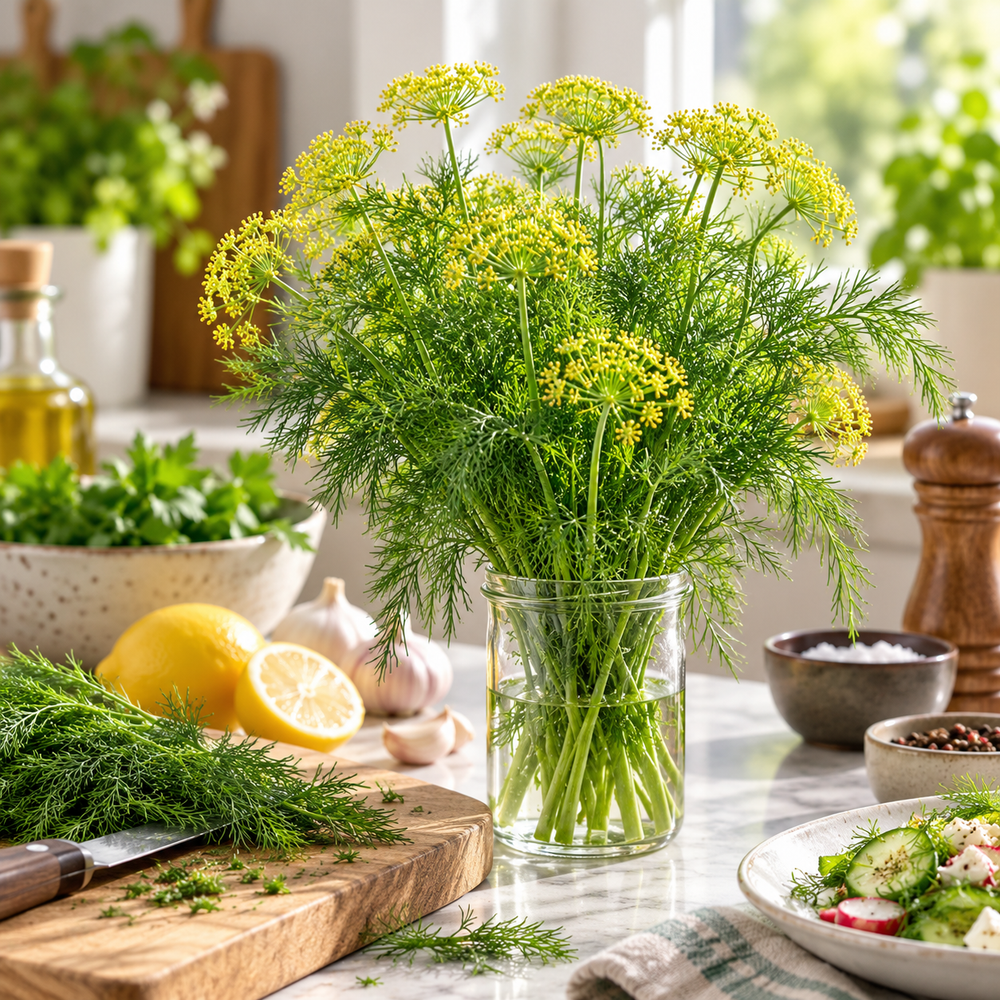
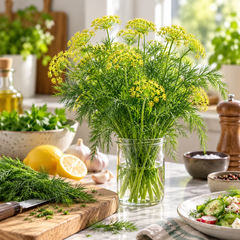
Grow Dill (Soya), a fragrant winter herb with delicate feathery leaves and a fresh aromatic flavour. Both the leaves and mature seeds are edible and useful in salads, soups, pickles, sauces and everyday cooking.
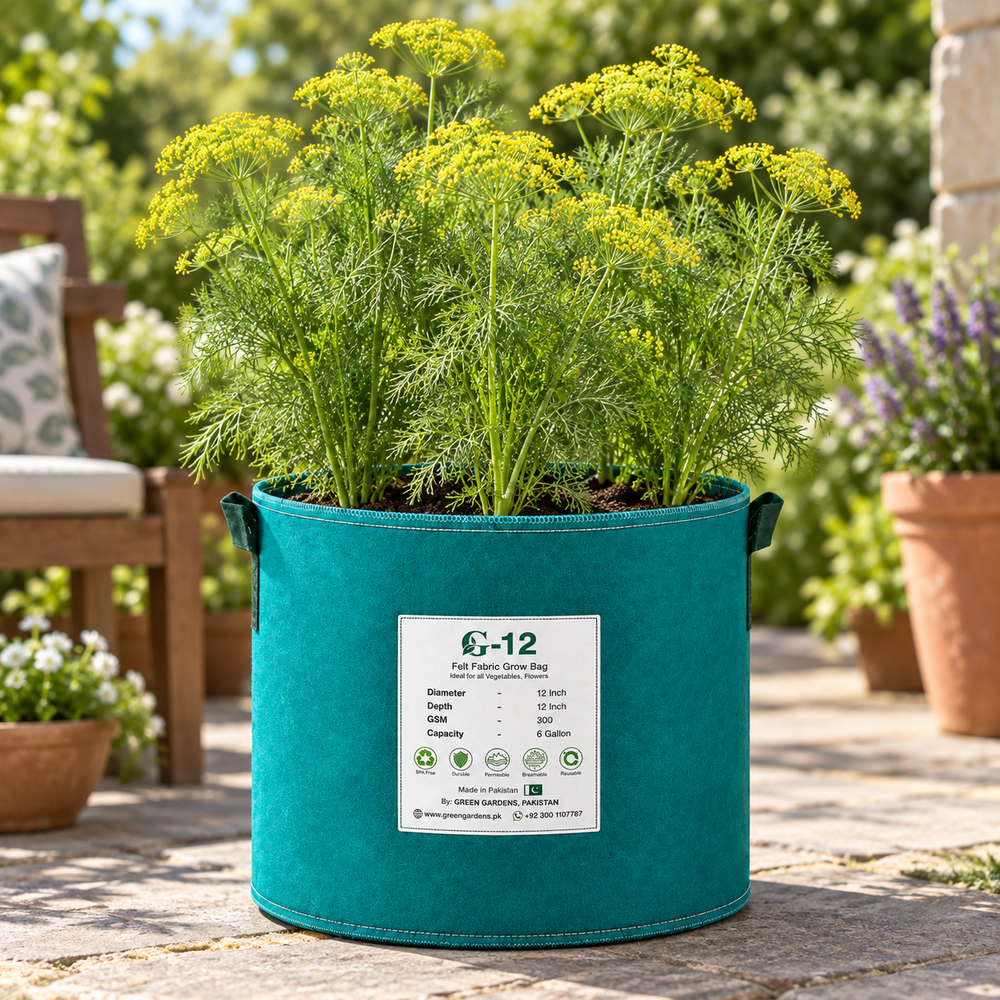
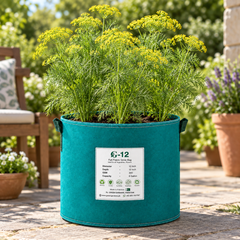
Suitable for kitchen gardens, herb beds, pots and grow bags.
Germination Time: 10–14 days
Suitable Temperature: 15°C–25°C
Growing Guide Video Link 🔗
Best Sowing Season: October - November
Couldn't load pickup availability
Free standard shipping on orders over RS 5000
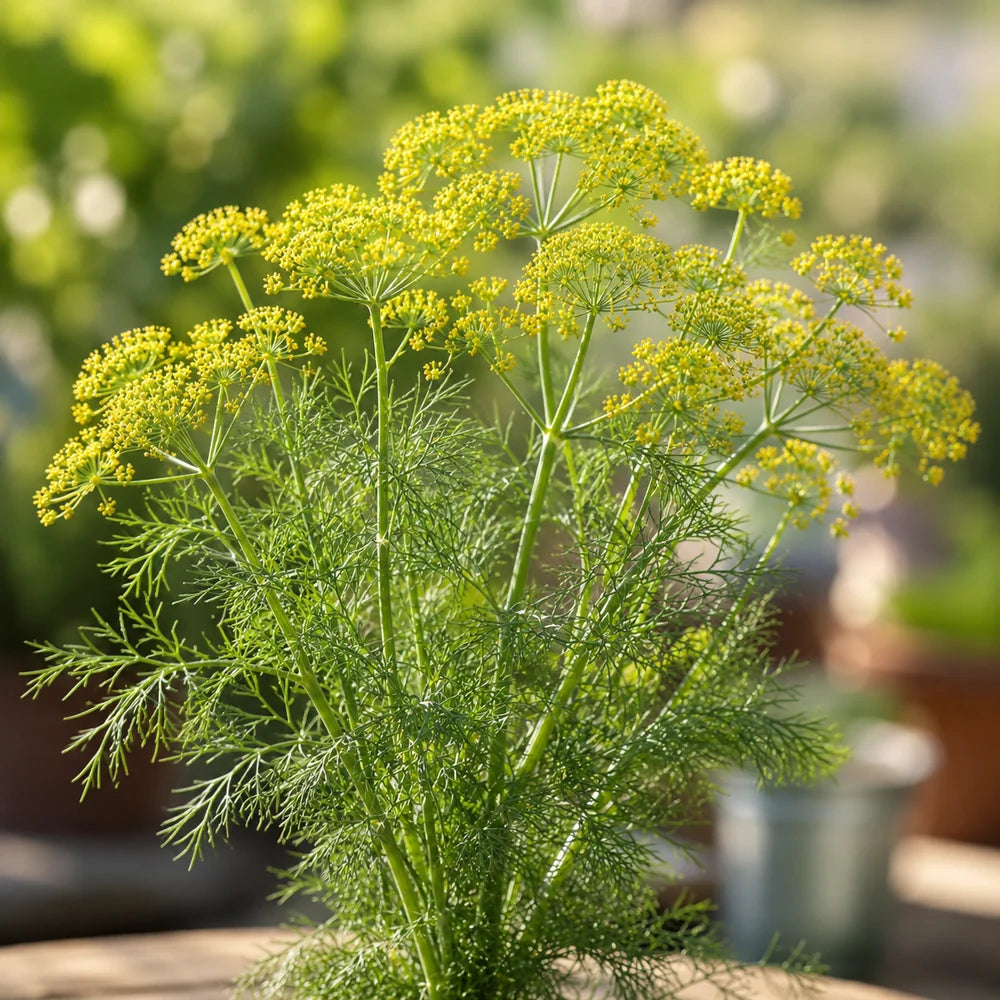
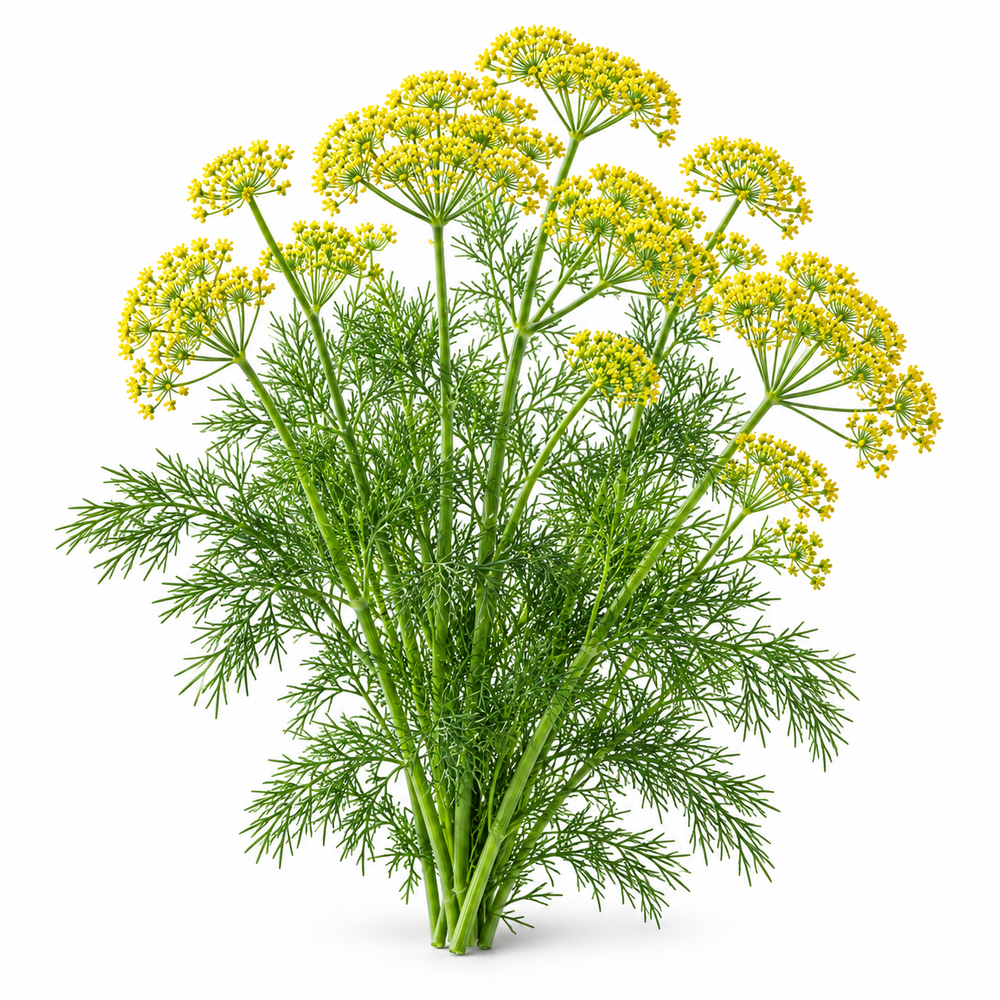
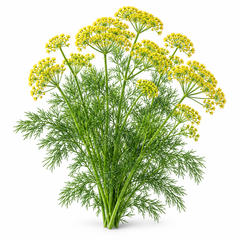
Dill is an aromatic annual herb botanically known as Anethum graveolens.
It develops upright stems with distinctive fine, feathery green leaves and later produces attractive flat clusters of small yellow flowers.
Both the fresh foliage and mature seeds are edible. The leaves are commonly called dill weed, while the aromatic seeds are widely used for seasoning and pickling.
Dill develops a relatively long taproot and therefore performs best when directly sown in its final growing position rather than repeatedly transplanted.
The flowers also attract bees and other beneficial insects, making dill useful in a pollinator-friendly kitchen garden.
Dill leaves and seeds are especially suitable for:
Fresh leaves have a delicate aromatic flavour, while mature seeds have a stronger and more concentrated taste.
G-8 Grow Bag – 8 × 8 inch 🔗
Suitable for a small group of dill plants when regularly harvested for leaves.
G-11 Grow Bag – 11 × 10 inch 🔗
Suitable for several dill plants with adequate thinning and spacing.
G-24 Grow Bag – 24 × 12 inch 🔗
Suitable for growing a larger group of dill plants for continuous leaf and seed production.
Because dill develops a taproot, deeper containers are preferable to very shallow pots.
Use light, fertile and well-drained soil rich in organic matter.
A practical GREEN GARDENS mix can be:
50% Bhalu Mitti (Sandy Soil) + 50% Vermicompost 🔗
Dill performs best in reasonably fertile, well-drained soil and does not tolerate prolonged waterlogging.
Dill is best direct-sown into its final growing position because its taproot does not respond well to repeated transplanting.
Sow approximately:
0.5–1 cm deep
Cover only lightly with fine soil.
Keep the seedbed evenly moist during germination.
Seeds generally germinate within:
10–14 days
under suitable cool to mild conditions.
Maintain consistent moisture without waterlogging.
Provide approximately:
5–6+ hours of direct sunlight daily
Full sun supports strong foliage, healthy stems and good flowering.
Once seedlings establish, thin them to approximately:
20–30 cm apart
Adequate spacing helps improve airflow and allows plants to develop properly.
Removed young seedlings can often be used as fresh herbs.
Dill usually performs better when allowed to remain in the place where it germinated.
Avoid unnecessary transplanting because disturbance of the taproot can slow establishment.
Keep the soil:
Moderately and consistently moist
Avoid allowing the soil to remain continuously wet.
Water near the root zone whenever the upper soil begins to dry.
Before sowing, incorporate GREEN GARDENS Vermicompost 🔗.
Dill normally does not require excessively heavy feeding.
Avoid excessive nitrogen because very soft, lush growth may become weak and less aromatic.
For a longer supply of fresh dill leaves, sow small batches at intervals of approximately:
2–3 weeks
This is useful because leaf production declines as plants begin flowering.
Mature dill plants produce flat-topped clusters of small yellow flowers.
The flowers attract bees and other beneficial insects.
Allow selected plants to flower if you want to harvest dill seeds.
Fresh leaves can be harvested once plants are established and have developed sufficient foliage.
Your current GREEN GARDENS listing suggests leaf harvest at approximately:
6–8 weeks
when plants are around 10–12 inches tall.
For the best leaf quality, harvest before heavy flowering begins.
Allow flower heads to mature and dry on the plant.
Harvest seed heads when they become:
Brown and dry
Seeds can then be collected and stored in a cool, dry place.
Your current listing indicates seed harvesting at approximately 90–100 days, depending on growing conditions.
Dill is generally easy to grow but inspect plants occasionally for:
Maintain good airflow and avoid prolonged waterlogging.
If caterpillars are present, remember that dill can also serve as a host plant for beneficial butterfly species, so identify insects before applying control measures.
G-11 Grow Bag – 11 × 10 inch 🔗
Thanks for subscribing!
This email has been registered!