



Best Sowing Season: February - April & August - October


- Choosing a selection results in a full page refresh.

Available 24/7 at
0300 110 7787
Pack Size: Approx. 20 seeds per pack.
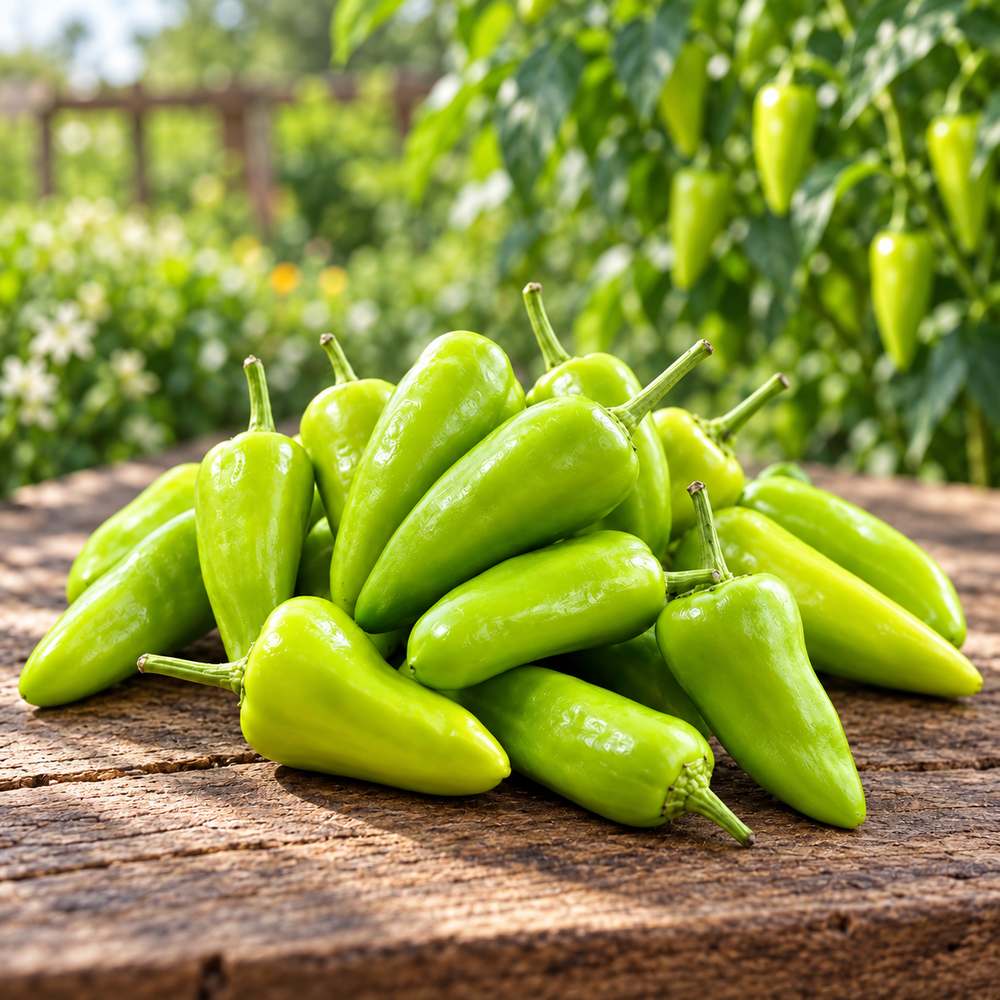
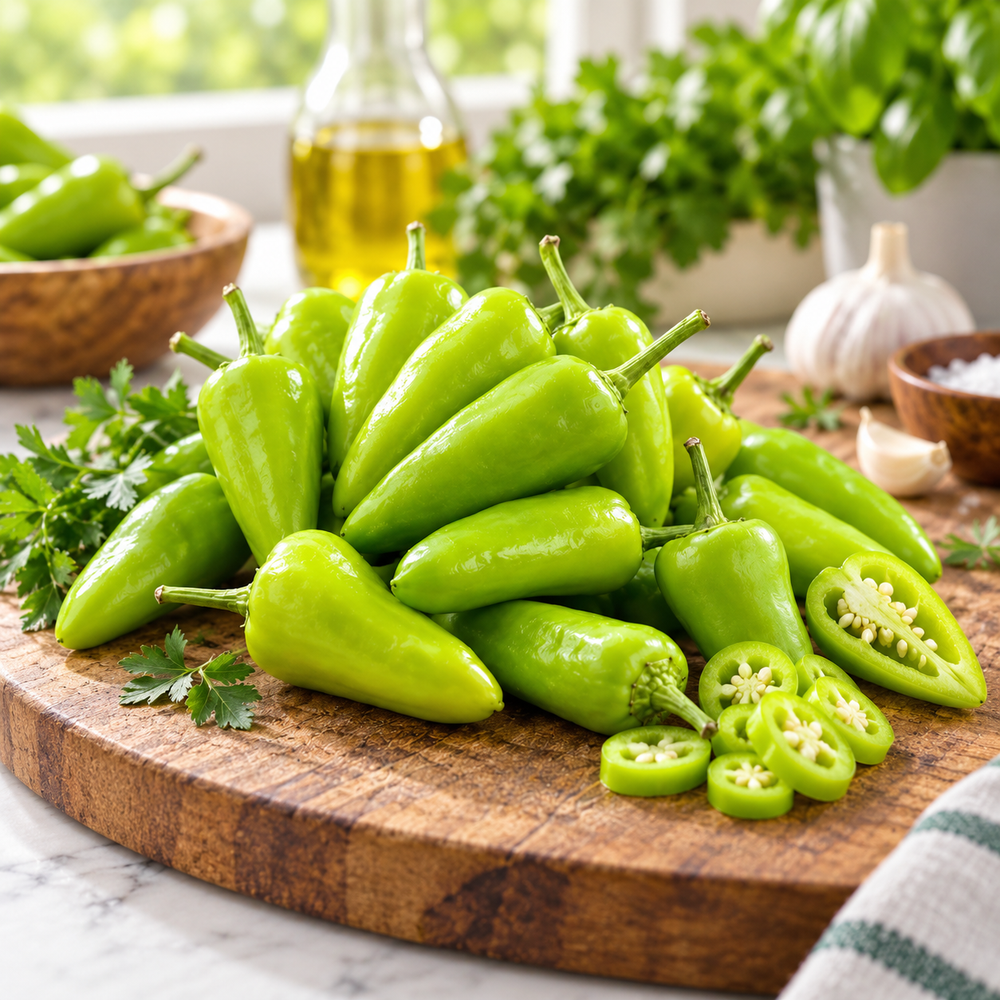
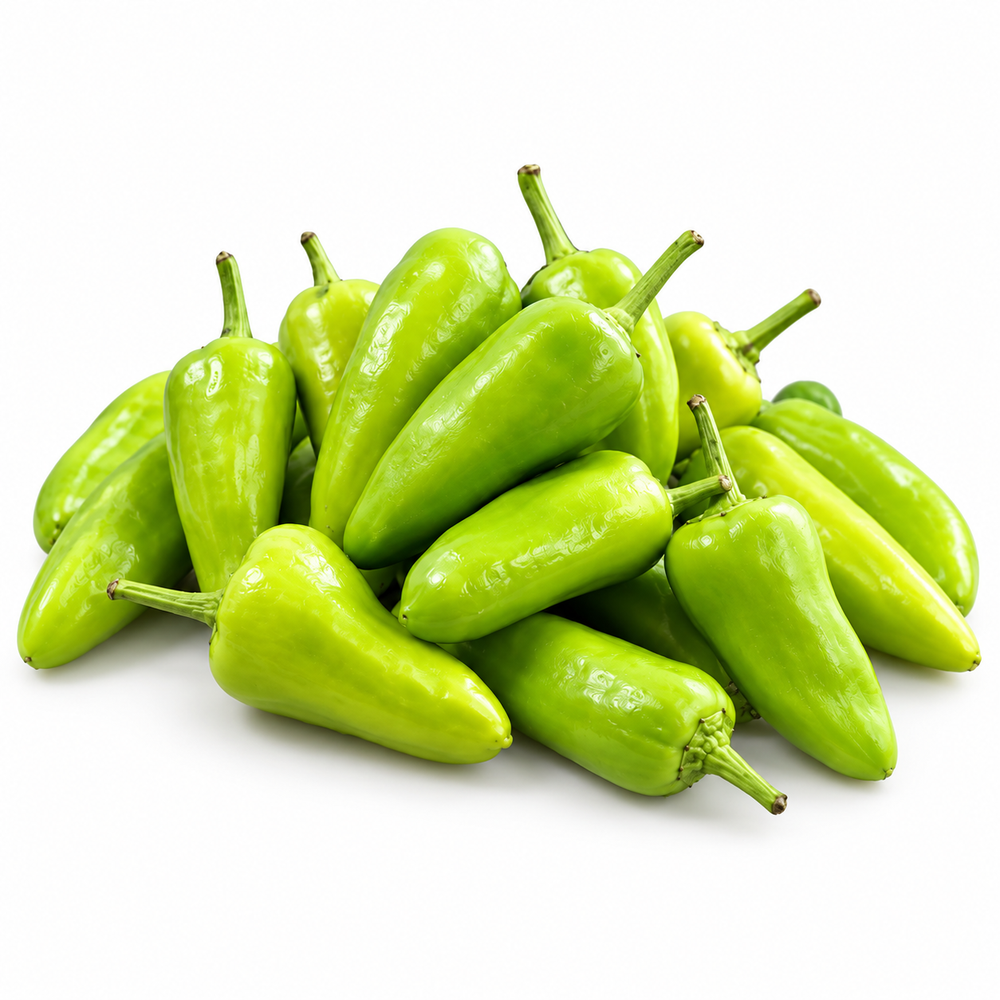
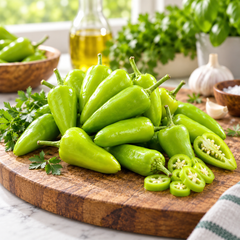
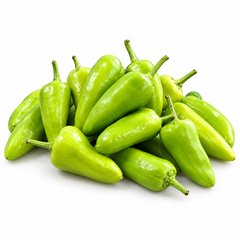
Grow Desi Green Chilli, a popular Pakistani chilli producing slender green fruits with the familiar hot, fresh flavour used in everyday cooking. Productive plants are suitable for kitchen gardens, raised beds, pots and grow bags.
Excellent for curries, chutneys, pickles and fresh use.
Germination Time: 7–21 days
Suitable Temperature: 20°C–30°C
Best Sowing Season: February - April & August - October
Couldn't load pickup availability
Free standard shipping on orders over RS 5000
V.I.P
Desi Green Chilli is a traditional hot chilli type widely grown and used in Pakistan.
Botanically belonging to Capsicum annuum, the plants develop into branching bushes and produce numerous elongated green chillies under suitable growing conditions.
Fruits are generally harvested while green and tender for their characteristic fresh heat and flavour. If left on the plant, mature fruits may gradually change colour depending on the strain.
Desi chillies are particularly useful for home gardens because a few healthy plants can provide repeated harvests over a long fruiting period.
Plants perform best in full sun, fertile well-drained soil and consistent moisture.
Exact fruit length, pungency, maturity and yield may vary according to seed strain, weather and crop management.
Desi Green Chillies are especially suitable for:
The chillies can be harvested at different stages, but young green fruits provide the characteristic fresh flavour traditionally preferred in Pakistani cuisine.
G-11 Grow Bag – 11 × 10 inch 🔗
Suitable for one Desi Green Chilli plant with regular watering and feeding.
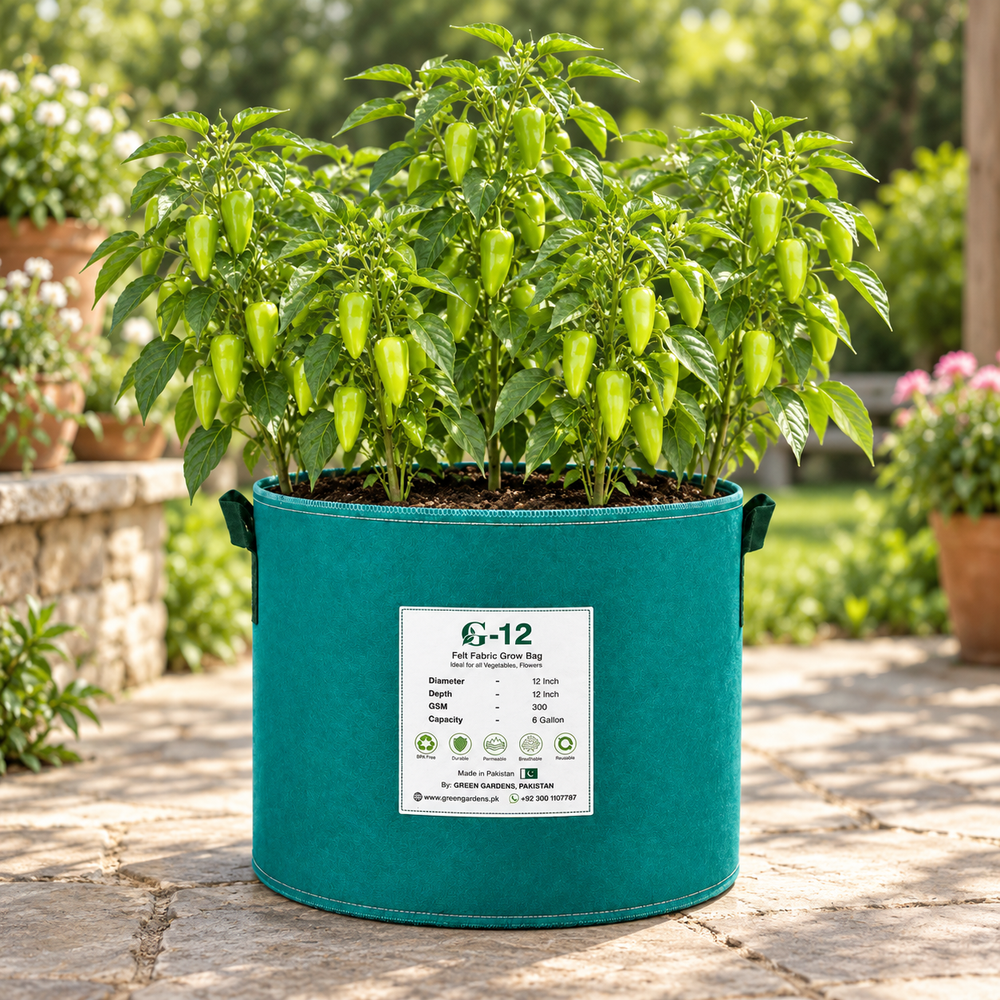
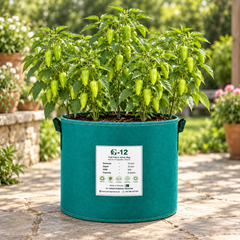
G-12 Grow Bag – 12 × 12 inch 🔗
Recommended for one plant with comfortable root space and improved moisture stability.
G-24 Grow Bag – 24 × 12 inch 🔗
Suitable for approximately two to three chilli plants with adequate spacing.
Individual chilli plants can remain productive for several months, so adequate soil volume supports healthier long-term growth.
Use fertile, loose and well-drained soil rich in organic matter.
A practical GREEN GARDENS mix can be:
50% Bhalu Mitti (Sandy Soil) + 50% Vermicompost 🔗
Chilli plants prefer well-drained soil with good organic fertility.
Avoid heavy, compacted or continuously waterlogged soil because poor root aeration can weaken plants and encourage root problems.
Start chilli seeds in nursery trays, seedling cells or small pots.
Sow approximately:
0.5–1 cm deep
Cover lightly with fine growing medium.
Chilli seeds germinate best when the growing medium remains warm.
Keep the growing medium lightly and consistently moist.
Seeds generally germinate within:
7–21 days
under suitably warm conditions.
Maintain approximately:
20°C–30°C
for reliable germination.
Cool soil can significantly slow germination.
After germination, provide seedlings with bright light.
Established chilli plants generally require:
6–8 hours of direct sunlight daily
Adequate sunlight supports compact plant growth, flowering and fruit development.
Transplant seedlings when they are healthy, sturdy and approximately:
4–6 inches tall
or after developing several true leaves.
Harden seedlings gradually before moving them permanently into strong outdoor sunlight.
Water immediately after transplanting.
Maintain approximately:
40–50 cm between plants
Adequate spacing improves airflow and allows plants to develop a healthy branching canopy.
Desi Green Chilli develops into a branching bush.
Most plants can support themselves, but productive plants carrying many fruits may benefit from:
Tie branches loosely if support is required.
Maintain consistent soil moisture without keeping the root zone continuously wet.
Water deeply when the upper soil begins to dry.
Consistent moisture becomes particularly important during:
Avoid severe drying followed by excessive watering.
Before transplanting, incorporate GREEN GARDENS Vermicompost 🔗.
Once plants become established, balanced supplementary nutrition can help support flowering and repeated fruit production.
Avoid excessive nitrogen fertilizer because it may produce very leafy plants with fewer flowers and fruits.
Chilli plants produce small flowers that are generally capable of self-pollination.
Wind, vibration and visiting insects can further assist pollen movement.
Poor fruit set during extremely hot weather can sometimes occur because excessive temperatures may reduce pollen viability or cause flower drop.
Apply a light layer of organic mulch around established plants.
Mulching helps:
Keep mulch slightly away from the main stem.
Inspect chilli plants regularly for common pests such as:
Also watch for:
Healthy seedlings, good airflow and proper watering help reduce many plant-health problems.
Control sucking pests early because they can weaken chilli plants and may spread plant viruses.
Harvest chillies while they are:
Green, firm and fully developed
Pick fruits regularly using clean scissors or pruning snips to avoid damaging branches.
Depending on conditions, the first harvest commonly begins approximately:
70–90 days after sowing
with repeated picking continuing afterwards.
Regular harvesting encourages plants to continue producing flowers and fruits.
G-11 Grow Bag – 11 × 10 inch 🔗
G-12 Grow Bag – 12 × 12 inch 🔗
Thanks for subscribing!
This email has been registered!