



- Choosing a selection results in a full page refresh.

Available 24/7 at
0300 110 7787
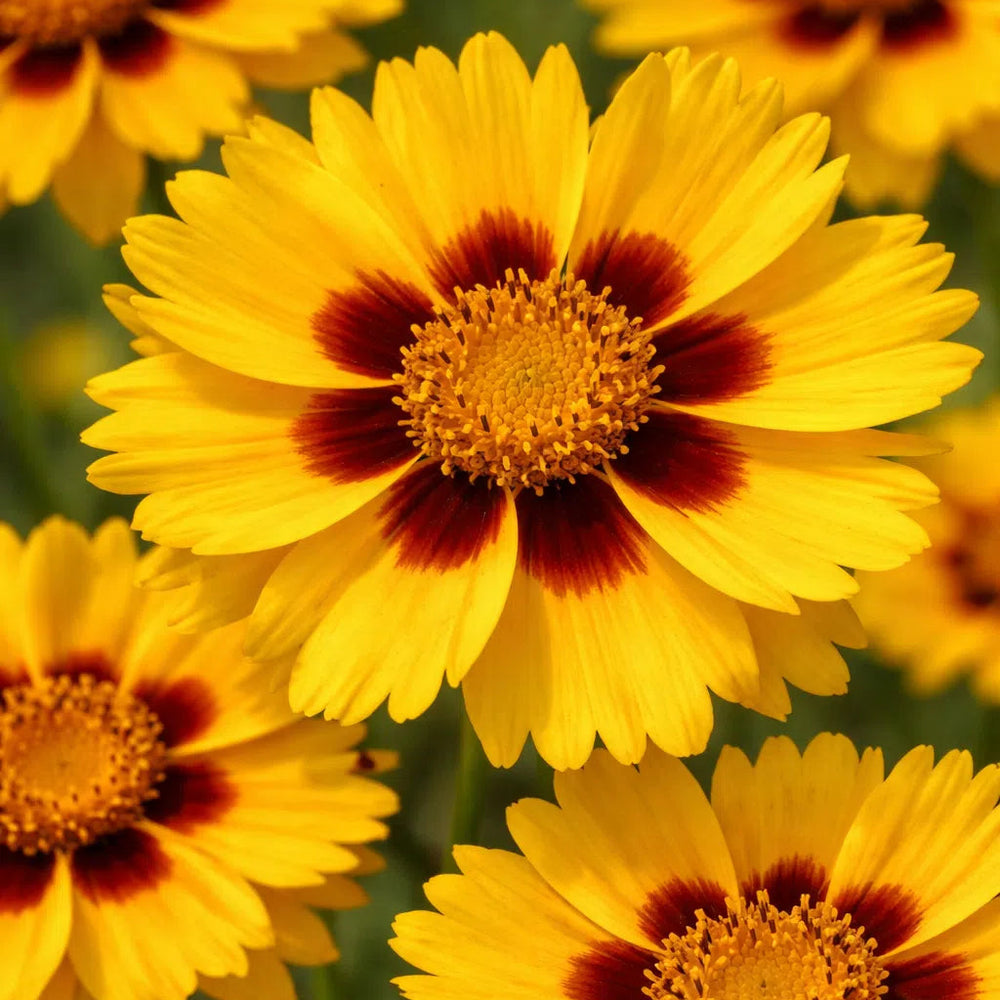
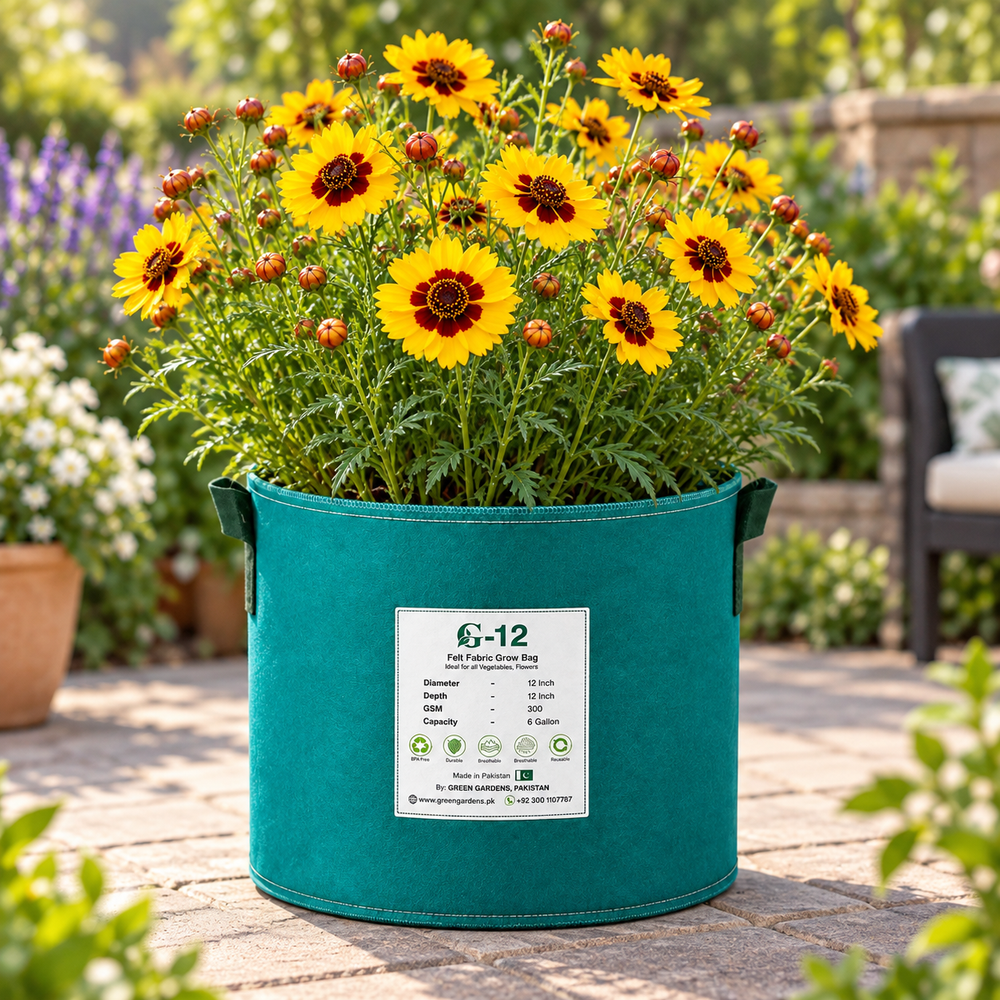
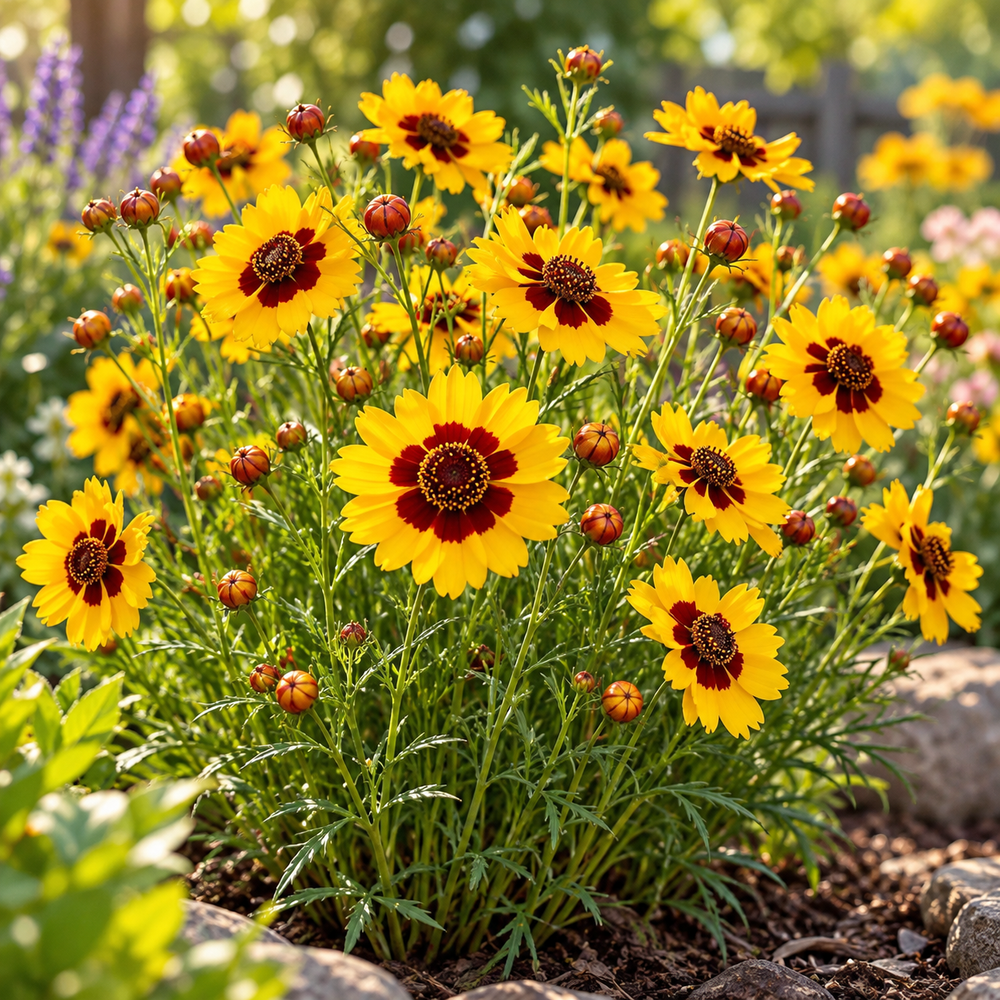
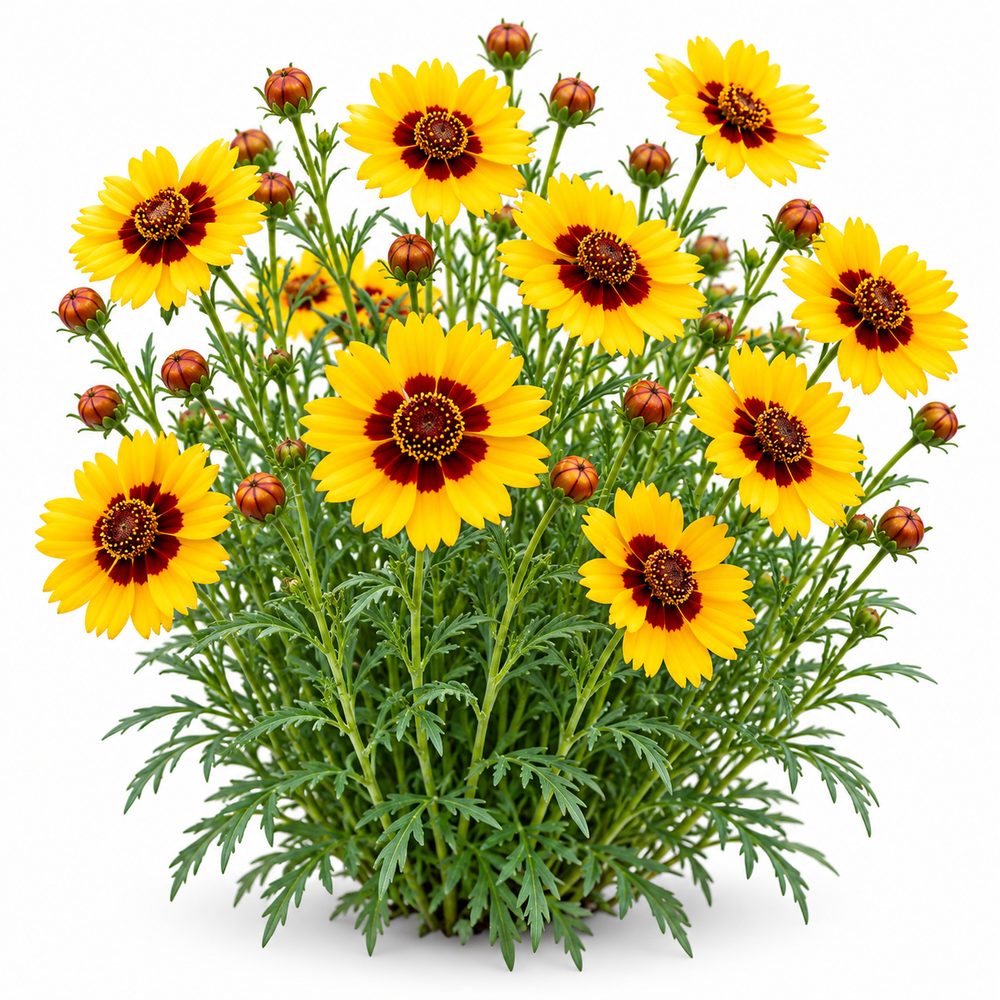
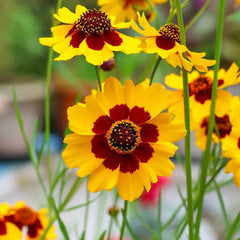
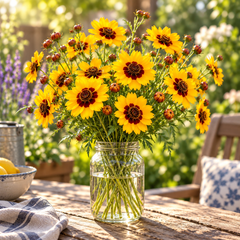

Approx. 30-40 seeds per pack.
Grow cheerful Coreopsis – Tickseed, an easy-to-grow ornamental flowering plant producing masses of attractive daisy-like flowers in yellow, golden and sometimes red-centred or bicolour shades.
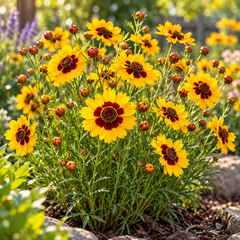
Coreopsis develops a naturally branching habit and provides an excellent display in flower beds, borders, pots, grow bags, cottage-style gardens, wildflower areas and pollinator-friendly landscapes.
Its combination of bright flowers, long blooming potential, low maintenance and excellent pollinator value makes Coreopsis an excellent choice for both beginner and experienced gardeners.
Best Sowing Season: October–November & February–March
Couldn't load pickup availability
Free standard shipping on orders over RS 5000
Coreopsis belongs to the:
Asteraceae / Daisy family
and is valued for its:
G-11 Grow Bag – 11 × 10 inch 🔗
Highly recommended for Coreopsis.
A G-11 provides suitable root space for:
One strong, bushy plant
and gives sufficient soil volume for regular flowering.
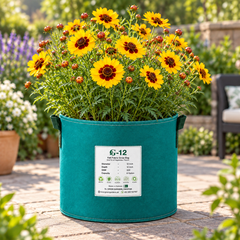
G-12 Grow Bag – 12 × 12 inch 🔗
Also an excellent choice where:
A larger root zone and fuller plant
are desired.
G-24 Grow Bag – 24 × 12 inch 🔗
Suitable for growing:
Several Coreopsis plants together
while maintaining proper spacing.
Coreopsis is additionally suitable for:
Coreopsis performs best in:
Loose, moderately fertile and well-draining soil.
A practical GREEN GARDENS mix can include:
60% Bhalu Mitti / Sandy Soil + 30% GREEN GARDENS Vermicompost 🔗 + 10% Cocopeat
The growing medium should provide:
Coreopsis does not require an excessively rich growing medium.
Avoid:
Very rich soil and excessive nitrogen can encourage:
Leafy growth with reduced flowering.
Fill a seedling tray, nursery pot or final container with:
Fine, loose and well-draining growing medium.
Moisten the surface lightly before sowing.
Coreopsis can be:
Sow seeds approximately:
0.5 cm deep
or cover only lightly with fine growing medium.
Do not bury deeply.
After sowing, apply water using:
A fine mist or gentle shower.
Avoid strong irrigation because it may:
Maintain:
Light and consistent moisture
until seedlings emerge.
Coreopsis germination can vary according to species and temperature.
Under suitable conditions, many Coreopsis types may germinate in approximately:
10–21 days
although some seeds can take longer.
A useful germination temperature range is approximately:
15–20°C
for many commonly grown Coreopsis types.
Germination depends on:
Coreopsis seeds should be:
Shallow sown and only lightly covered.
Maintain:
Moist but well-aerated soil.
Avoid permanently saturated conditions.
The ideal combination is:
Shallow sowing + gentle moisture + mild temperature + good airflow.
Once seedlings emerge:
Strong light helps produce:
Compact, sturdy and well-branched seedlings.
When seedlings have developed:
Several healthy true leaves
and are strong enough to handle, transplant carefully into:
Water lightly after transplanting.
Allow plants to establish before applying additional fertiliser.
Maintain approximately:
20–30 cm / 8–12 inches between plants.
Correct spacing encourages:
Coreopsis performs best in:
Full sun.
Provide approximately:
6–8 hours of direct sunlight daily.
Strong sunlight encourages:
Light partial shade can be tolerated by some types, but:
Flowering is generally strongest in full sun.
During germination and establishment:
Maintain consistent moderate moisture.
Once plants become established:
Allow the upper soil layer to begin drying between waterings.
Avoid:
Established plants generally tolerate:
Short periods of moderate dryness
better than continuously wet roots.
Many Coreopsis types develop:
Useful drought tolerance once established.
This makes them particularly suitable for:
Young seedlings still require:
Consistent moisture during establishment.
Before planting, enrich the growing medium moderately with:
Coreopsis is generally:
Not a heavy feeder.
Additional balanced feeding can be provided when required, but avoid excessive nitrogen.
Too much nitrogen may encourage:
Tall leafy growth with fewer flowers.
Once young plants become established, light pinching of the growing tip can encourage:
Pinching is especially useful where plants begin growing:
Tall or loosely branched.
Do not pinch immediately after transplanting.
Coreopsis produces:
Bright daisy-like flowers
on branching stems above the foliage.
Depending on sowing time and genetics, flowering in Lahore can occur from:
Late winter / spring through summer and into early autumn
under suitable conditions.
Autumn-sown plants may begin flowering as conditions become favourable in:
Late winter to spring.
Late-winter or early-spring-sown plants can continue into:
Summer.
Flowering performance depends on:
Regularly remove:
Faded flower heads.
Deadheading can help:
Use clean scissors or pinch old flowers off carefully.
One of the strongest characteristics of Coreopsis is its ability to produce:
Repeated waves of flowers.
Where flowering begins to slow, plants may benefit from:
A lightly trimmed plant may produce:
Fresh branching and another flowering flush.
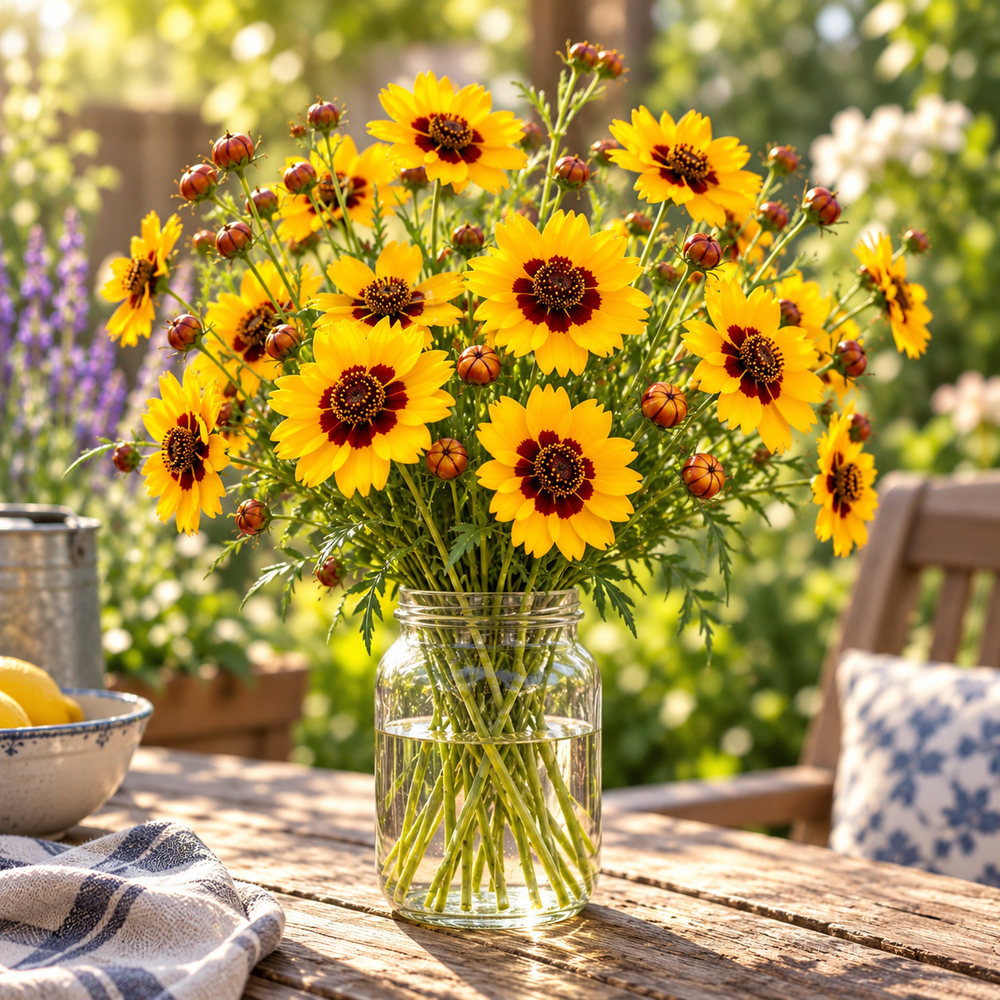
Coreopsis can also be used as a:
Fresh cut flower.
Its cheerful daisy-like blooms are suitable for:
Harvest stems when flowers are:
Freshly opened or nearly fully open.
Place cut stems into clean water promptly.
Coreopsis is particularly valuable for:
Pollinator-friendly planting.
Its open daisy-style flowers may attract:
Mass planting several plants together can create:
An especially attractive pollinator display.
If seeds are required:
Allow selected healthy flower heads to mature fully instead of deadheading them.
When mature:
Harvest dry heads before excessive seed loss occurs.
Allow harvested seeds to:
Dry thoroughly before storage.
Some Coreopsis types may:
Self-seed naturally
where mature seed heads are allowed to remain.
If self-seeding is not desired:
Deadhead before seeds mature.
For autumn-sown plants in Lahore:
Cool sunny conditions support:
Strong establishment and future flowering.
During Lahore's warmer months:
During extreme heat:
Container-grown plants may appreciate protection from the harshest reflected rooftop heat, especially if wilting becomes persistent.
During humid or rainy weather:
Drainage becomes especially important.
Avoid:
Improve airflow around plants to reduce fungal problems.
Coreopsis is generally:
Relatively low maintenance.
Inspect occasionally for:
Young seedlings may require more attention than established plants.
Coreopsis generally remains healthy when grown with:
Avoid:
Healthy growing conditions significantly reduce disease problems.
G-11 Grow Bag – 11 × 10 inch 🔗
G-12 Grow Bag – 12 × 12 inch 🔗
Thanks for subscribing!
This email has been registered!


We are here to assist you