


Best Sowing Season: February - April & August - October


- Choosing a selection results in a full page refresh.

Available 24/7 at
0300 110 7787
Pack Size: Approx. 100 seeds per pack.
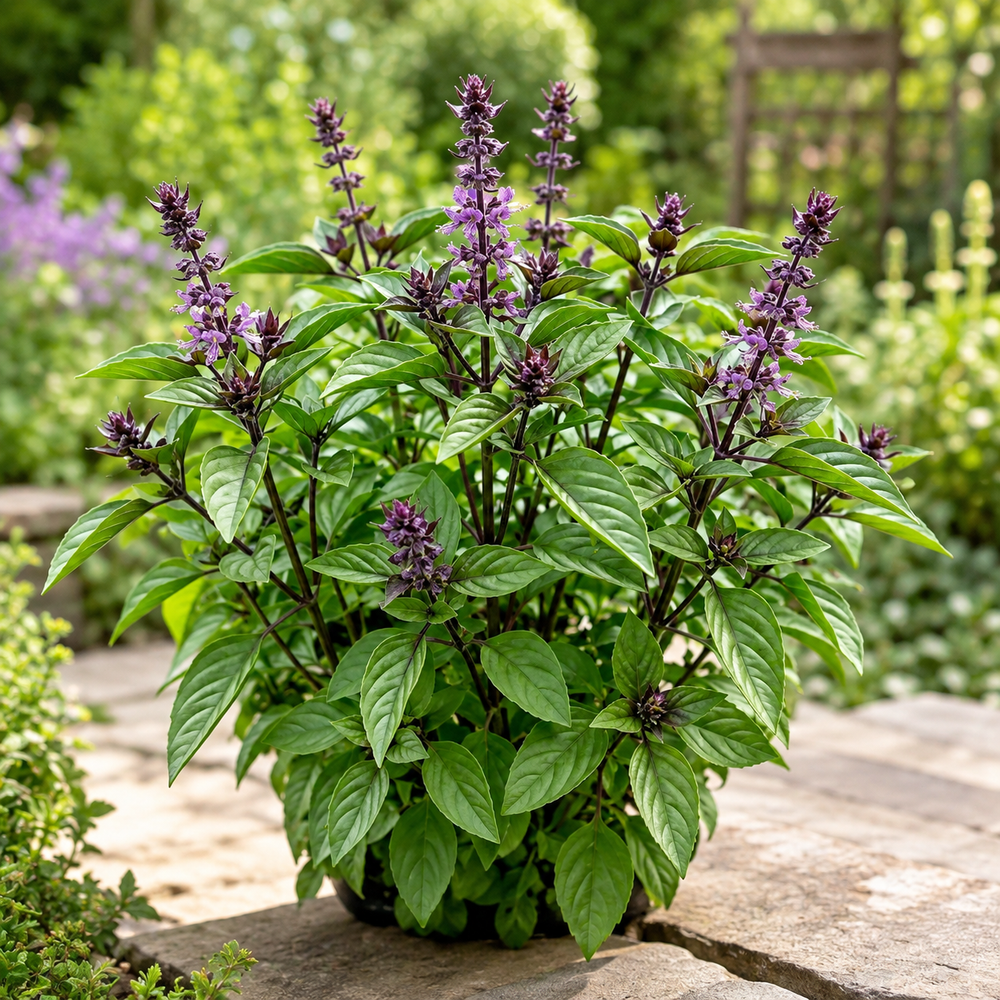
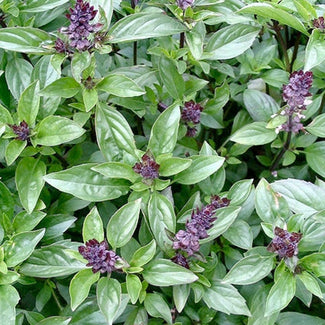
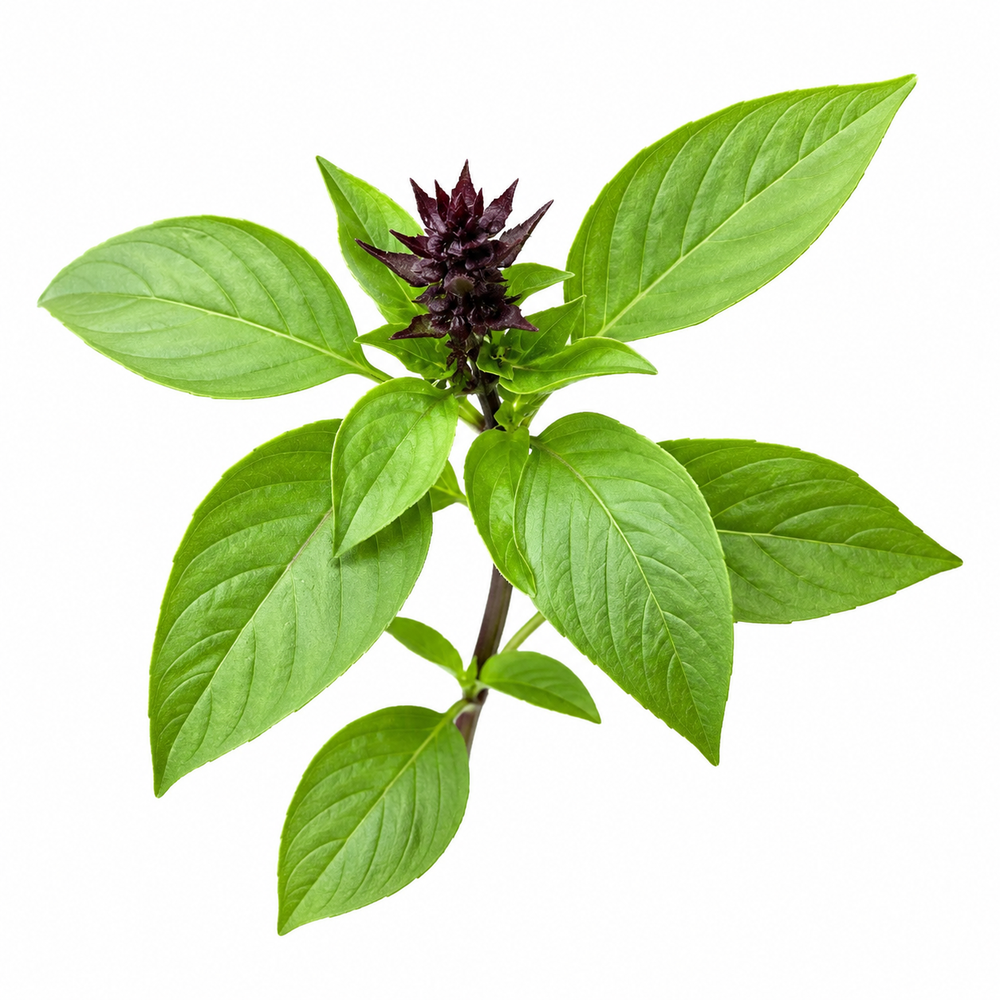
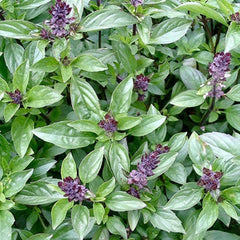
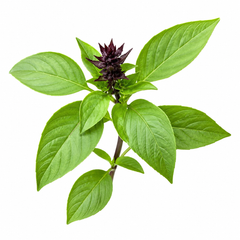
Grow aromatic Cinnamon Basil from seeds for attractive green foliage, colourful stems and a distinctive sweet-spicy fragrance with cinnamon-like notes. This versatile culinary and ornamental herb is ideal for kitchen gardens, pots and grow bags.
Fresh leaves are useful in salads, herbal drinks, garnishing and a variety of fresh dishes.
Germination Time: 5–10 days
Suitable Temperature: 20°C–30°C
Best Sowing Season: February - April & August - October
Couldn't load pickup availability
Free standard shipping on orders over RS 5000
Cinnamon Basil is an aromatic basil type valued for its distinctive fragrance, attractive foliage and culinary usefulness.
The leaves have a sweet basil character combined with warm, spicy notes often described as cinnamon-like.
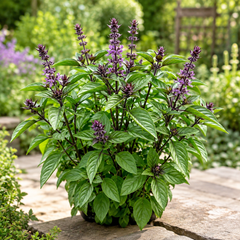
Plants develop an upright, branching habit and may produce attractive flower spikes when allowed to mature.
Regular harvesting and pinching encourages bushier growth and continued production of fresh leaves.
Exact leaf colour, stem colour, aroma intensity and plant height may vary according to the seed strain included in the mix and growing conditions.
Cinnamon Basil leaves can be used in:
For the best aroma, use freshly harvested young leaves.
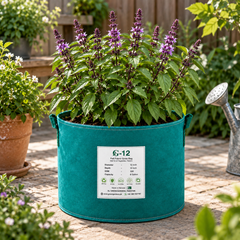
G-8 Grow Bag – 8 × 8 inch 🔗
Suitable for an individual basil plant or a compact herb planting.
G-11 Grow Bag – 11 × 10 inch 🔗
Suitable for a fuller basil plant or a small group with adequate spacing.
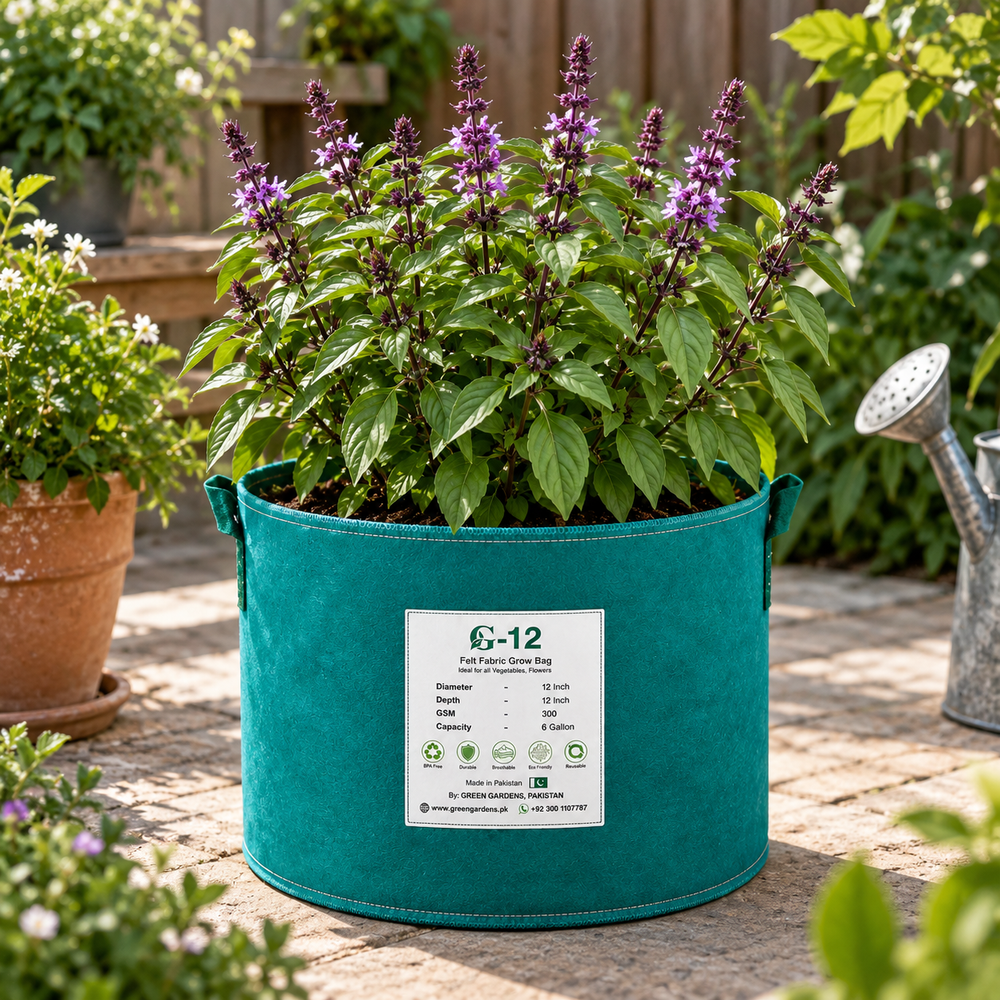
G-12 Grow Bag – 12 × 12 inch 🔗
Provides additional root space for vigorous and bushy plants.
Basil also performs very well in ordinary pots, herb planters and raised beds.
Use fertile, loose and well-drained soil rich in organic matter.
A practical GREEN GARDENS mix can be:
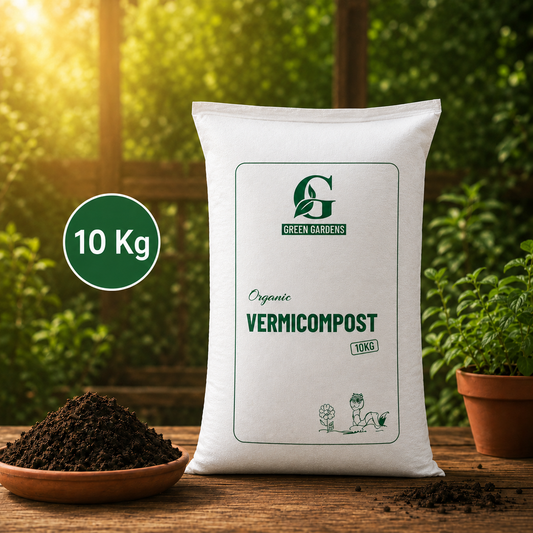
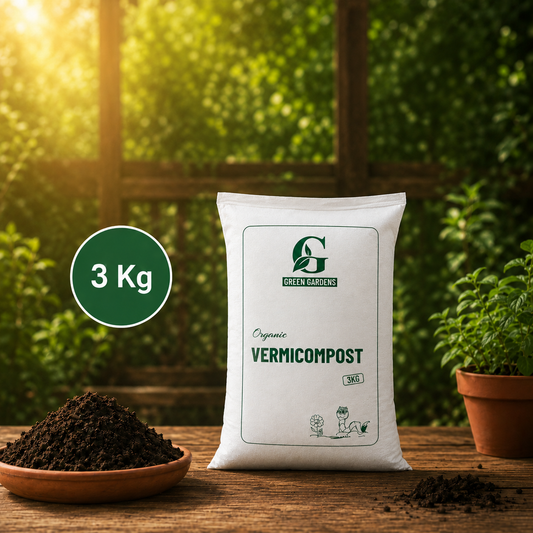
50% Bhalu Mitti (Sandy Soil) + 50% Vermicompost 🔗
The growing medium should retain adequate moisture while allowing excess water to drain freely.
Avoid compact and permanently waterlogged soil.
Prepare a fine, loose and well-drained seed-starting medium.
Seeds may be started in trays, small pots or directly in the final container.
Sow shallowly:
Approximately 0.5 cm deep
Cover lightly with fine soil or growing medium.
Do not bury basil seeds too deeply.
Mist or water gently after sowing.
Keep the surface consistently moist until germination.
Avoid strong watering that may displace the small seeds.
Seeds generally germinate within:
5–10 days
under suitable warm conditions.
Provide bright light immediately after germination.
Established plants generally perform best with:
5–6+ hours of sunlight daily
During extremely hot summer weather, some protection from intense afternoon sun can help maintain tender foliage.
Thin overcrowded seedlings after true leaves develop.
Allow enough space for each plant to develop a bushy structure.
If started in seedling trays, transplant once plants are strong enough to handle and have developed several true leaves.
Handle the roots carefully and water after transplanting.
Maintain approximately:
20–30 cm between plants
depending on how large you want the plants to grow.
Proper spacing improves airflow and encourages branching.
Once plants are established, pinch the growing tips regularly.
This encourages:
Pinch just above a healthy pair of leaves.
Water regularly while allowing excess water to drain freely.
Keep the soil reasonably moist but avoid permanently wet conditions.
Container-grown basil may require more frequent watering during hot weather.
Basil responds well to fertile soil and moderate regular feeding.
Incorporate GREEN GARDENS Vermicompost 🔗 before planting.
Additional light feeding may be provided during active leafy growth.
Avoid excessive fertilization.
Mature Cinnamon Basil produces flower spikes.
If the main objective is continuous leaf production, pinch flower buds regularly before they fully develop.
If flowers are desired for ornamental value or pollinators, allow selected stems to bloom.
Maintain good airflow around plants.
Remove:
Monitor regularly for common sap-sucking and leaf-feeding pests.
Begin harvesting once plants have developed several healthy sets of leaves.
Harvest the upper stems just above a leaf node rather than removing individual leaves only.
Regular harvesting encourages new branching and continued fresh growth.
Avoid removing too much foliage from a young plant at one time.
For maximum fragrance and flavour, harvest leaves shortly before use.
Fresh basil leaves are generally best used without prolonged cooking where the characteristic aroma is desired.
Excess leaves can also be dried or preserved, although the fresh aroma may be stronger.
G-11 Grow Bag – 11 × 10 inch 🔗
Thanks for subscribing!
This email has been registered!