


Best Sowing Season: October - December


- Choosing a selection results in a full page refresh.

Available 24/7 at
0300 110 7787
Pack Size: Approx. 60–70 seeds per pack.
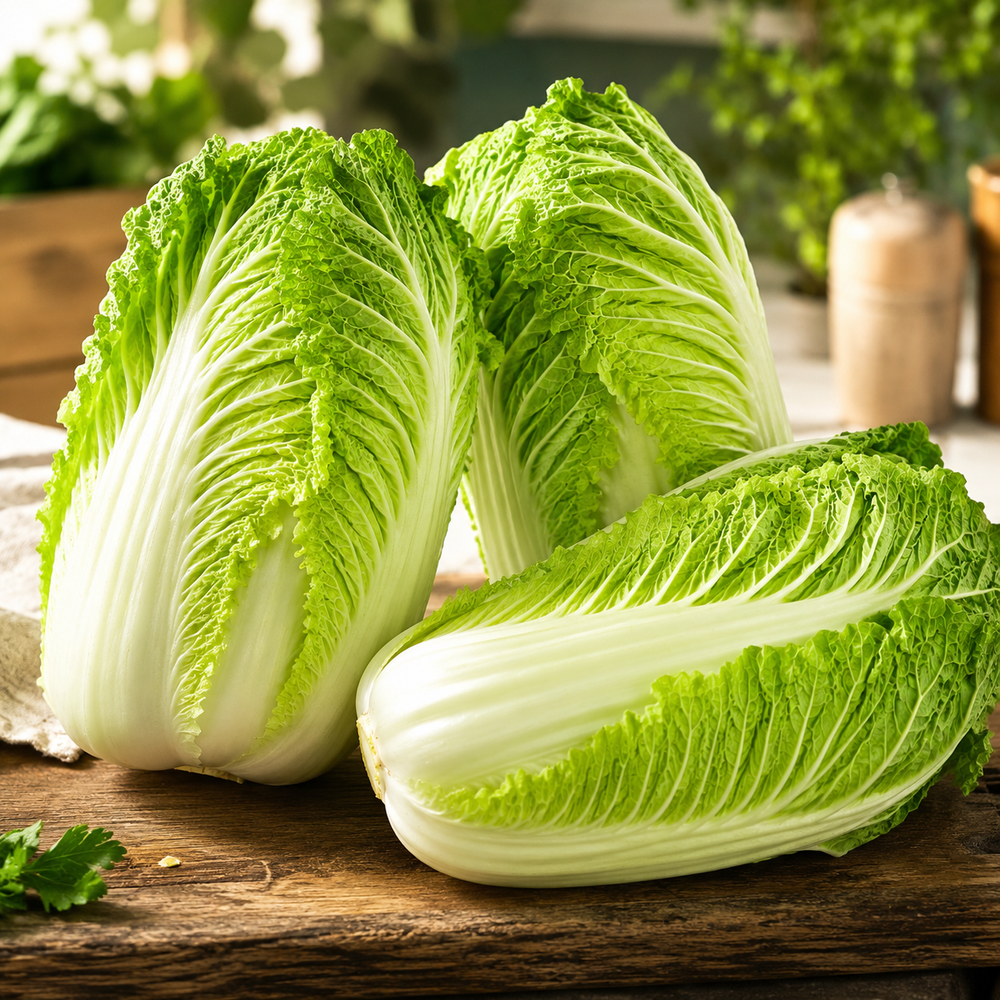
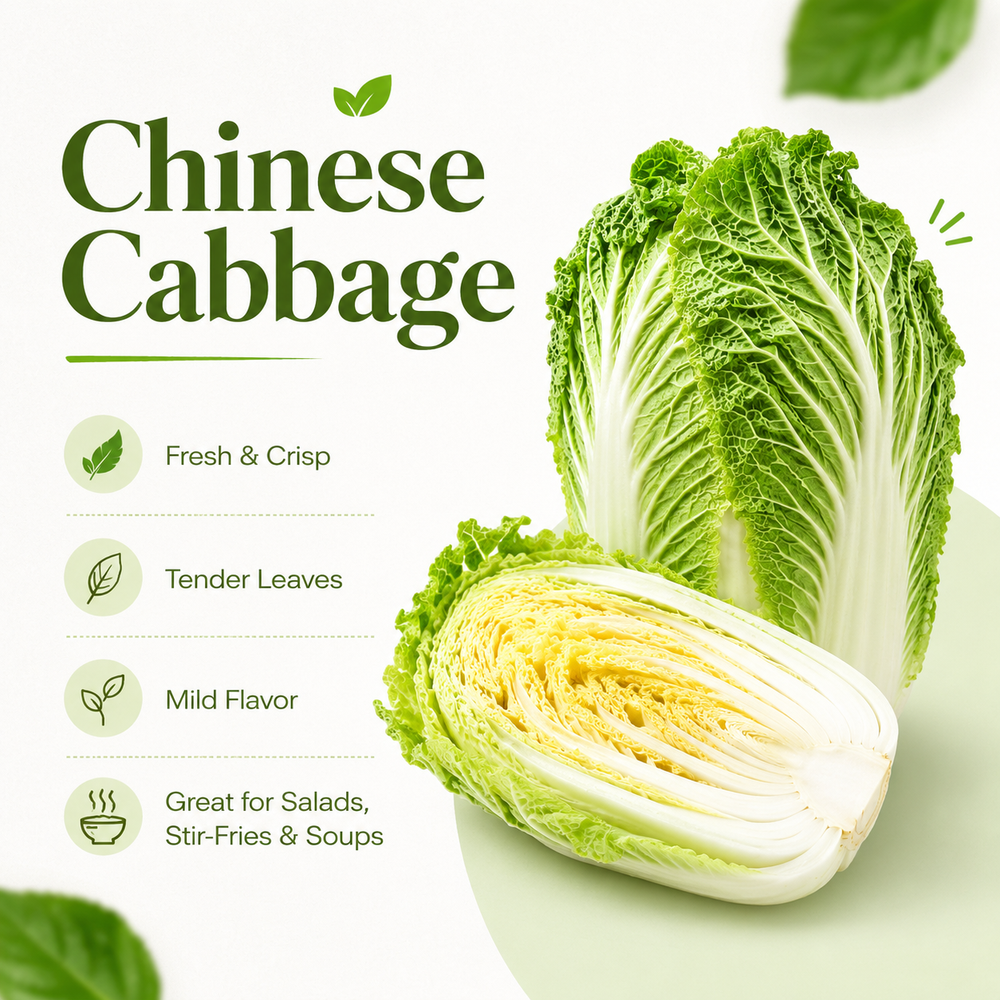
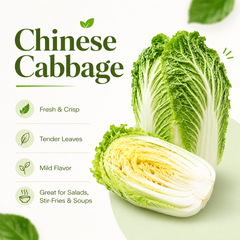
Grow crisp and tender Chinese Cabbage (Napa Cabbage) from F1 hybrid seeds for fresh, leafy heads with broad pale-green leaves and crunchy white ribs. This productive cool-season vegetable is ideal for kitchen gardens, raised beds and grow bags.
Excellent for salads, stir-fries, soups, dumplings, pickling and Asian-style cooking.
Germination Time: 4–8 days
Suitable Temperature: 15°C–24°C
Best Sowing Season: October - December
Couldn't load pickup availability
Free standard shipping on orders over RS 5000
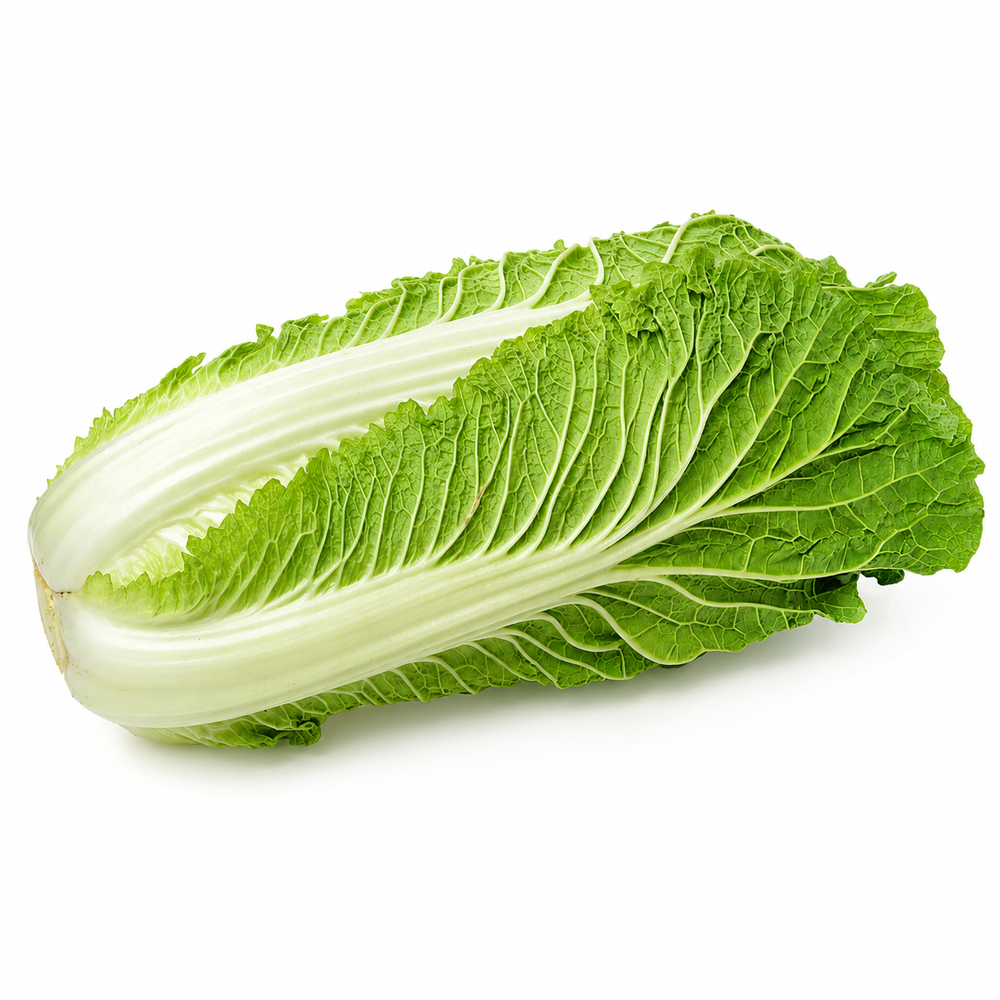
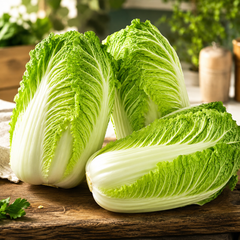
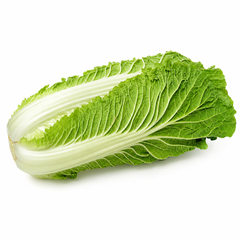
Chinese Cabbage, also known as Napa Cabbage, is a cool-season leafy vegetable that forms elongated to oval heads of tender, overlapping leaves.
The leaves are generally pale to medium green with broad, crisp white or cream-coloured ribs.
Compared with conventional round cabbage, Napa Cabbage has a softer texture and milder flavour, making it particularly useful for fresh and Asian-style dishes.
This F1 hybrid type is suitable for gardeners looking for vigorous and comparatively uniform crop development under suitable growing conditions.
Exact head size, shape, maturity period and colour can vary according to the hybrid strain and growing environment.
Chinese Cabbage / Napa Cabbage is suitable for:
Both the tender leafy portions and crisp ribs are edible.
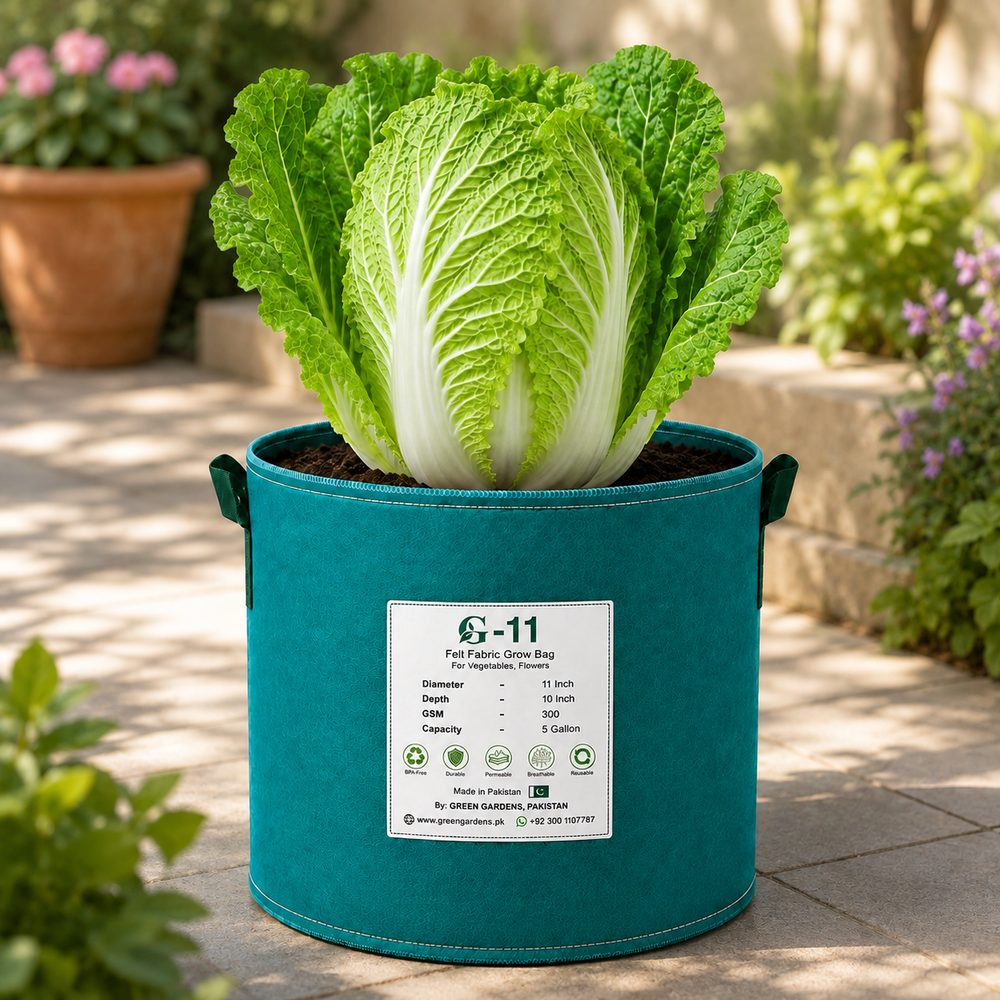
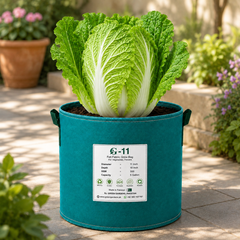
G-12 Grow Bag – 12 × 12 inch 🔗
Suitable for approximately one mature Napa Cabbage plant with adequate growing space.
G-24 Grow Bag – 24 × 12 inch 🔗
Suitable for approximately 2–3 plants depending on mature head size and spacing.
For multiple plants, wider grow bags or raised beds are preferable to overcrowding.
Use fertile, loose and well-drained soil rich in organic matter.
A practical GREEN GARDENS mix can be:
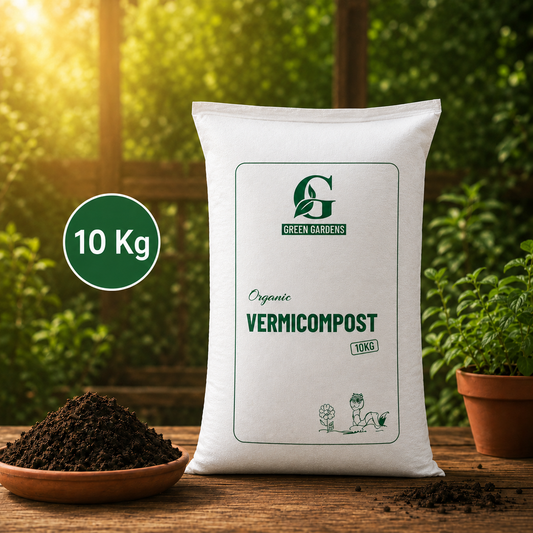
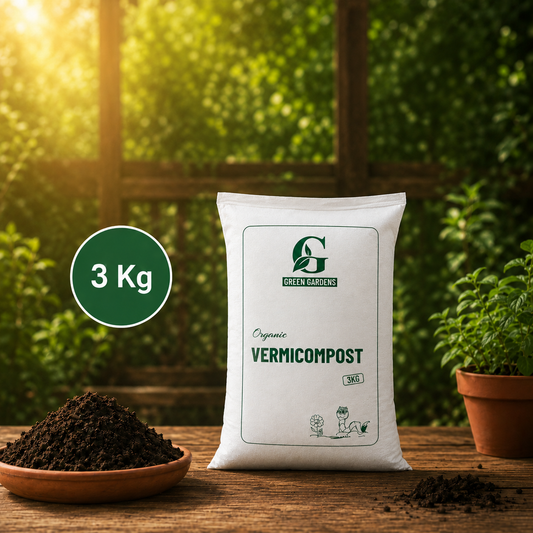
50% Bhalu Mitti (Sandy Soil) + 50% Vermicompost 🔗
Chinese Cabbage develops rapidly and benefits from fertile soil with consistent moisture.
Avoid compact soil and prolonged waterlogging.
Prepare a fine, fertile and well-drained seed-starting medium.
Seeds can be started in nursery trays, seedling cells or directly in the final growing area.
Sow approximately:
0.5–1 cm deep
Cover lightly with fine soil or growing medium.
Water carefully after sowing.
Keep the medium evenly moist but not soggy.
Seeds generally germinate within:
4–8 days
under suitable cool to mild conditions.
Provide bright light immediately after germination.
Once established, plants generally require:
5–6+ hours of direct sunlight daily
Good winter sunlight helps develop healthy, compact plants and well-formed heads.
Keep young seedlings in good light with adequate airflow.
Avoid overcrowding.
Thin weak or excess seedlings where necessary.
Transplant nursery-grown seedlings when they have approximately:
3–5 true leaves
Transplant carefully and water immediately after planting.
Avoid delaying transplanting excessively, as young vigorous seedlings generally establish more easily.
Maintain approximately:
25–40 cm between plants
depending on the expected mature head size of the hybrid.
Adequate spacing allows the elongated heads to develop properly and improves airflow.
Water regularly to maintain reasonably consistent soil moisture.
Chinese Cabbage has tender foliage and grows quickly, so prolonged drought can affect leaf and head quality.
Avoid repeated severe drying followed by heavy watering.
Do not keep the root zone permanently waterlogged.
Chinese Cabbage benefits from fertile soil and moderate regular nutrition.
Before planting, incorporate GREEN GARDENS Vermicompost 🔗 into the growing medium.
Balanced nutrition during active leafy growth supports healthy head formation.
Avoid excessive nitrogen feeding, particularly late in the crop.
Keep weeds under control and maintain good airflow between plants.
Monitor regularly for common brassica pests, including:
Remove badly damaged leaves when necessary.
Chinese Cabbage performs best when grown under relatively stable cool conditions.
Unfavorable temperature stress, particularly unusual temperature fluctuations, can encourage premature flowering or bolting in some plants.
Sowing during the recommended season helps reduce this risk.
As plants mature, the inner leaves begin overlapping and gradually form an elongated or oval head.
Maintain regular moisture and adequate nutrition during this stage.
Avoid removing healthy outer leaves unnecessarily while the head is developing.
Tender outer leaves may be harvested young for salads and cooking where desired.
For full-sized Napa Cabbage, allow the central head to develop before harvesting the whole plant.
Harvest when the head becomes:
Well developed, compact and reasonably firm
Cut the head near soil level using a clean, sharp knife.
Harvest promptly once mature to maintain crisp leaf quality.
G-12 Grow Bag – 12 × 12 inch 🔗
Thanks for subscribing!
This email has been registered!