


- Choosing a selection results in a full page refresh.

Available 24/7 at
0300 110 7787
10 seeds per pack.
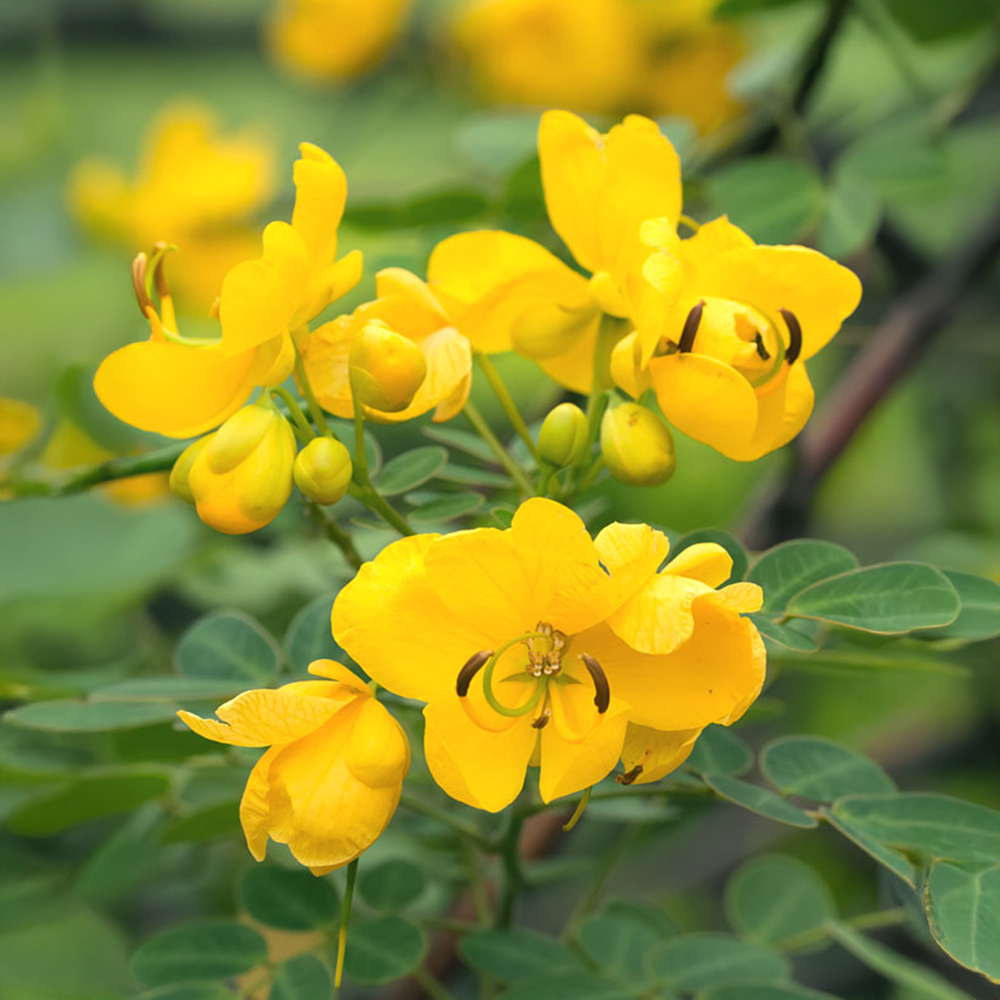
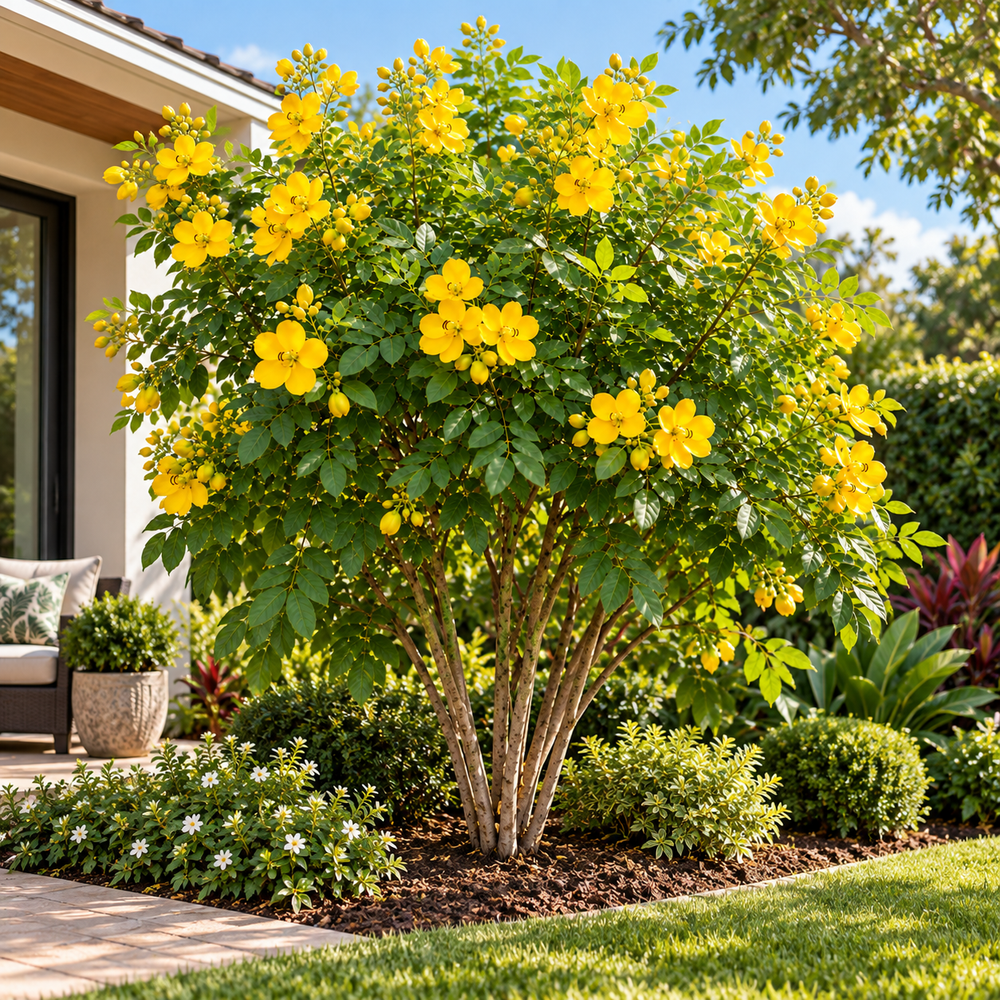
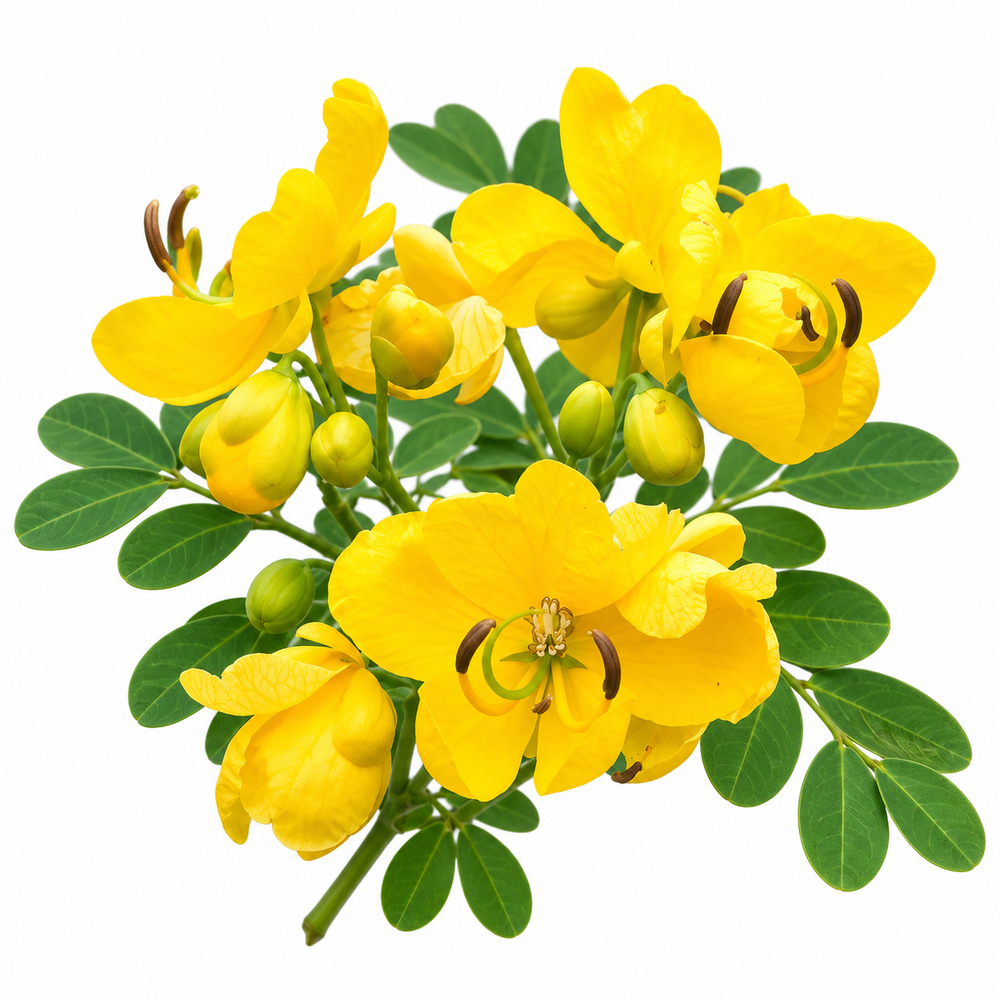
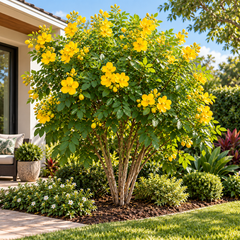
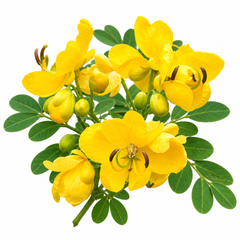
Grow beautiful Cassia bicapsularis, commonly known as Butterfly Bush, a vigorous perennial flowering shrub producing clusters of attractive bright golden-yellow flowers against fresh green foliage.
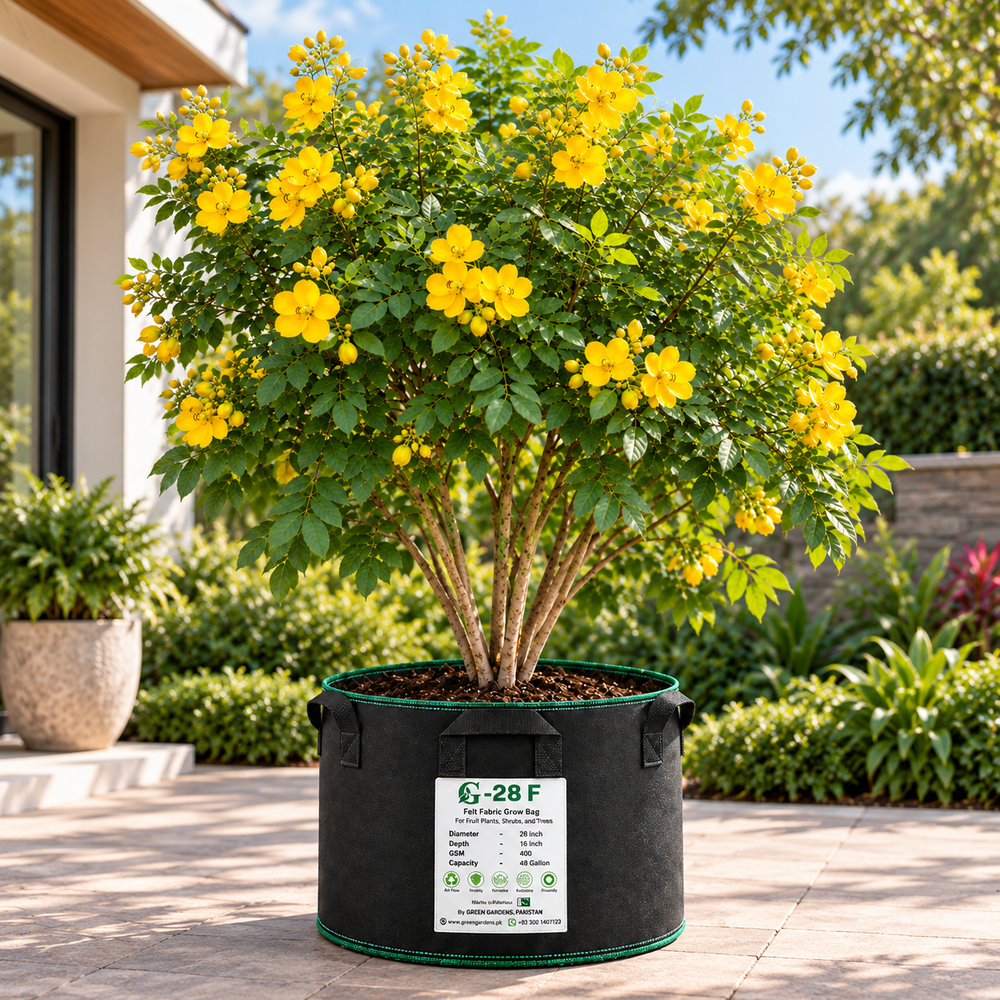
It develops into an impressive ornamental shrub and is excellent for home gardens, landscape planting, large grow bags, borders, hedges and specimen planting.
Once established, Cassia bicapsularis is a relatively hardy, fast-growing shrub that responds well to sunlight, pruning and regular care.
Germination Time: 10–20 days
Ideal Temperature: 20°C–25°C
Best Sowing Season: February–April & September–October
Couldn't load pickup availability
Free standard shipping on orders over RS 5000
👌🏻👌🏻👌🏻👌🏻👌🏻
Cassia bicapsularis is a perennial flowering shrub valued for its:
Golden-yellow flowers, attractive foliage and vigorous growth habit.
The flowers are produced in attractive clusters and create a bright ornamental display on established plants.
The plant naturally develops into a spreading, branching shrub and can be maintained at a manageable size through regular pruning.
Its ability to develop into a substantial flowering shrub makes it particularly suitable for:
Permanent garden planting and larger landscape spaces.
Cassia bicapsularis is commonly known as Butterfly Bush because its bright yellow flowers frequently attract butterflies and other flower-visiting insects.
When mature plants are in full bloom, the combination of abundant yellow flowers and visiting butterflies can create an especially attractive garden display.
For the early growth stage:
G-12 Grow Bag – 12 × 12 inch 🔗
Suitable for:
Young Cassia bicapsularis plants during early establishment.
As the shrub grows, it should be shifted to a larger grow bag or planted permanently in open soil.
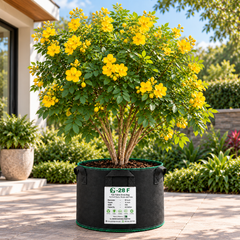
For larger and longer-term container growing:
G-20 F Black Grow Bag – 20 × 16 inch | 22 Gallon 🔗
Highly recommended for a larger Cassia bicapsularis shrub.
The G-20 F provides:
For unrestricted mature growth:
Open-ground planting is preferable where sufficient space is available.
Cassia bicapsularis is naturally a shrub and can eventually outgrow smaller containers.
Use:
60% Bhalu Mitti / Sandy Soil + 30% GREEN GARDENS Vermicompost 🔗 + 10% Cocopeat
The growing medium should be:
Fertile, loose and well-draining.
Cassia bicapsularis performs well in sandy-loam or garden soils provided drainage is good.
Avoid:
Cassia bicapsularis seeds have a:
Relatively hard outer seed coat.
For improved and more uniform germination, lightly scarify the seeds before sowing.
A practical home-gardening method is:
Gently rub or nick a small area of the seed coat without damaging the inner seed.
After light scarification:
Soak the seeds in clean water for approximately 12–24 hours.
Seeds that absorb water may swell slightly.
This preparation can help moisture penetrate the hard outer seed coat and support germination.
Seeds can be started in:
After scarification and soaking, sow approximately:
0.5–1 cm deep.
Cover lightly with fine growing medium.
Water gently after sowing.
Keep the growing medium:
Consistently moist but never waterlogged.
Place the nursery in a:
Warm, bright location.
Seeds generally germinate within approximately:
10–20 days
under favourable conditions.
Some seeds may take longer depending on:
Do not discard the nursery immediately if individual seeds take longer than the average germination period.
Recommended germination temperature:
20°C–25°C
Moderately warm conditions help support reliable germination.
Temperatures that are significantly cooler may result in:
Slower germination.
Maintain consistent moisture during germination, but avoid keeping the growing medium saturated.
Transplant seedlings when they are:
Healthy, strongly rooted and approximately 6–8 inches tall.
Choose the strongest seedlings.
Before transplanting:
Transplant preferably:
During the late afternoon.
Water thoroughly after transplanting.
For permanent open-ground planting, maintain approximately:
3–4 feet between plants
where a shrub-like growth habit is desired.
Provide more space where plants will be allowed to develop into:
Larger landscape shrubs.
Adequate spacing helps provide:
Provide:
Full sun.
For strong growth and good flowering:
6–8 hours of direct sunlight daily is recommended.
Adequate sunlight encourages:
Plants grown in excessive shade may become:
Leggy and produce fewer flowers.
During germination:
Keep the growing medium consistently moist.
Young transplanted plants require:
Regular watering while their root system becomes established.
Once established:
Water deeply when the upper soil layer begins to dry.
Established plants develop better tolerance to short dry periods.
Avoid:
Permanent waterlogging around the roots.
At planting time, incorporate:
into the soil.
For established shrubs:
Top-dress periodically with Vermicompost during active growth.
Apply organic nutrition around the root zone rather than directly against the main stem.
Avoid excessive nitrogen fertilizer because it can encourage:
Heavy foliage growth with comparatively reduced flowering.
Cassia bicapsularis develops into a:
Branching, spreading perennial shrub.
Under suitable garden conditions, plants may commonly reach approximately:
1.5–3 metres / 5–10 feet
depending on:
Plants growing unrestricted in open ground may become larger than regularly pruned container-grown plants.
Regular pruning is useful for maintaining:
Lightly prune:
Long, weak or poorly positioned branches.
For container-grown plants, periodic pruning is especially helpful because Cassia bicapsularis can naturally develop into a large shrub.
Avoid severe pruning of:
Very young or recently transplanted plants.
Established Cassia bicapsularis produces:
Bright golden-yellow flowers
in attractive clusters.
Flowering performance depends on:
Plants receiving good sunlight generally produce:
A stronger flowering display.
For long-term landscape planting, open soil provides:
The best opportunity for unrestricted root and canopy development.
Select a location with:
Avoid planting too close to:
Walls, pathways or other plants that may restrict mature growth.
Cassia bicapsularis can also be grown in large containers or grow bags.
For container growing:
Because it is naturally a substantial shrub:
Container-grown plants will require more regular pruning than plants growing in open ground.
G-12 Grow Bag – 12 × 12 inch 🔗
Thanks for subscribing!
This email has been registered!


We are here to assist you