



Best Sowing Season: November - December


- Choosing a selection results in a full page refresh.

Available 24/7 at
0300 110 7787
Approx. 30-40 seeds per pack.
Grow beautiful Carnation Mix (Dianthus caryophyllus), a classic flowering plant admired for its colourful, fragrant and long-lasting blooms.
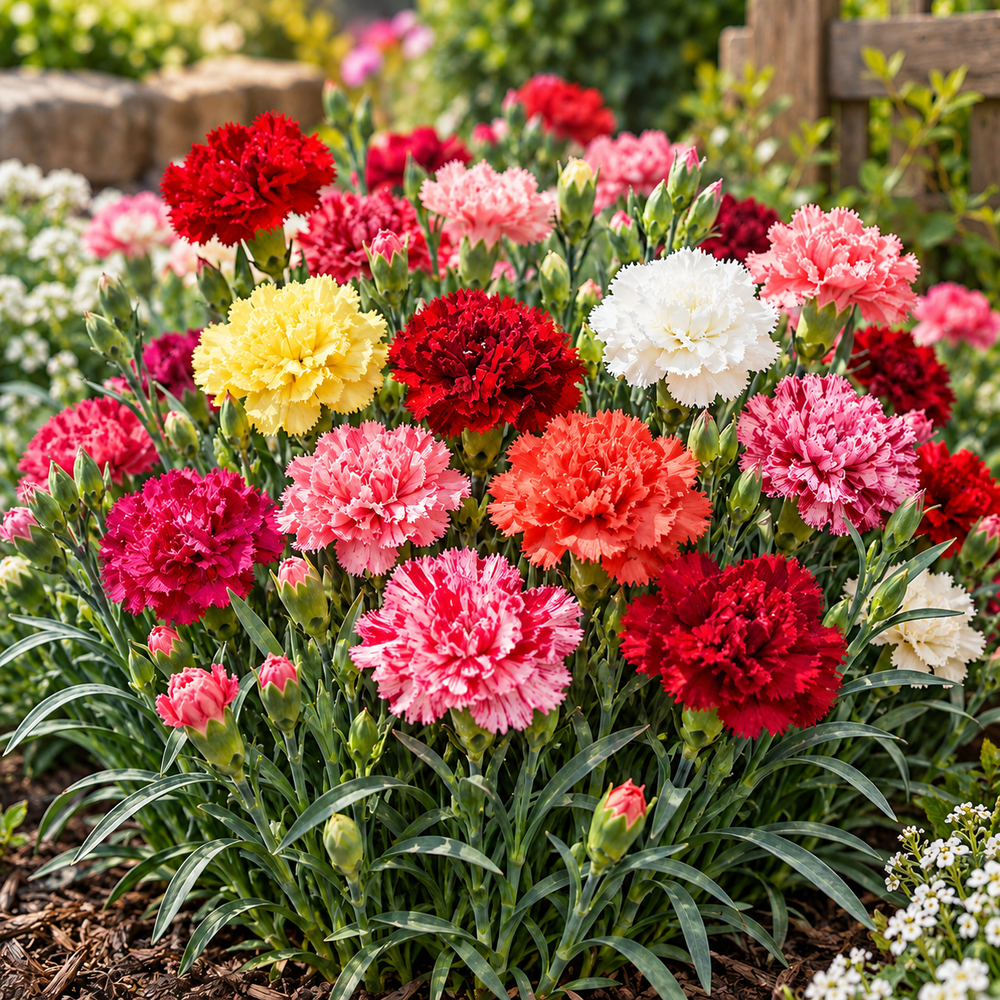
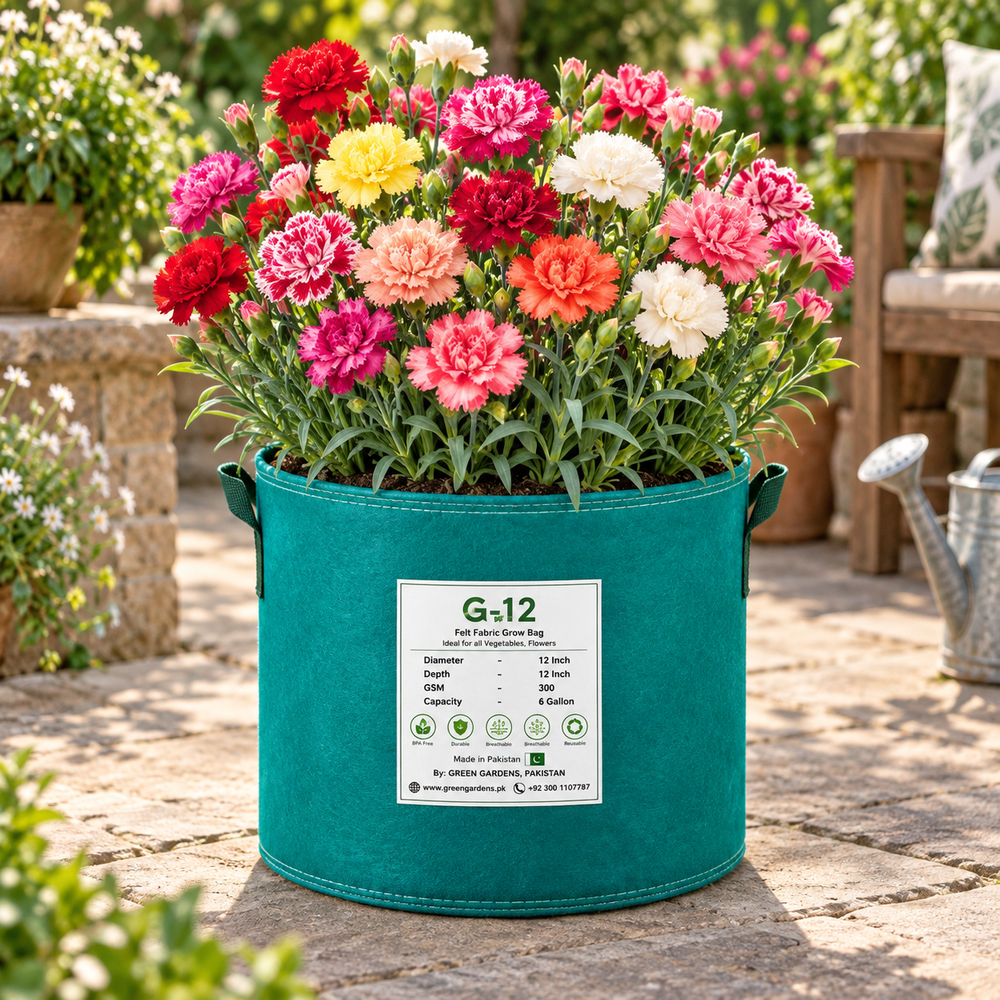
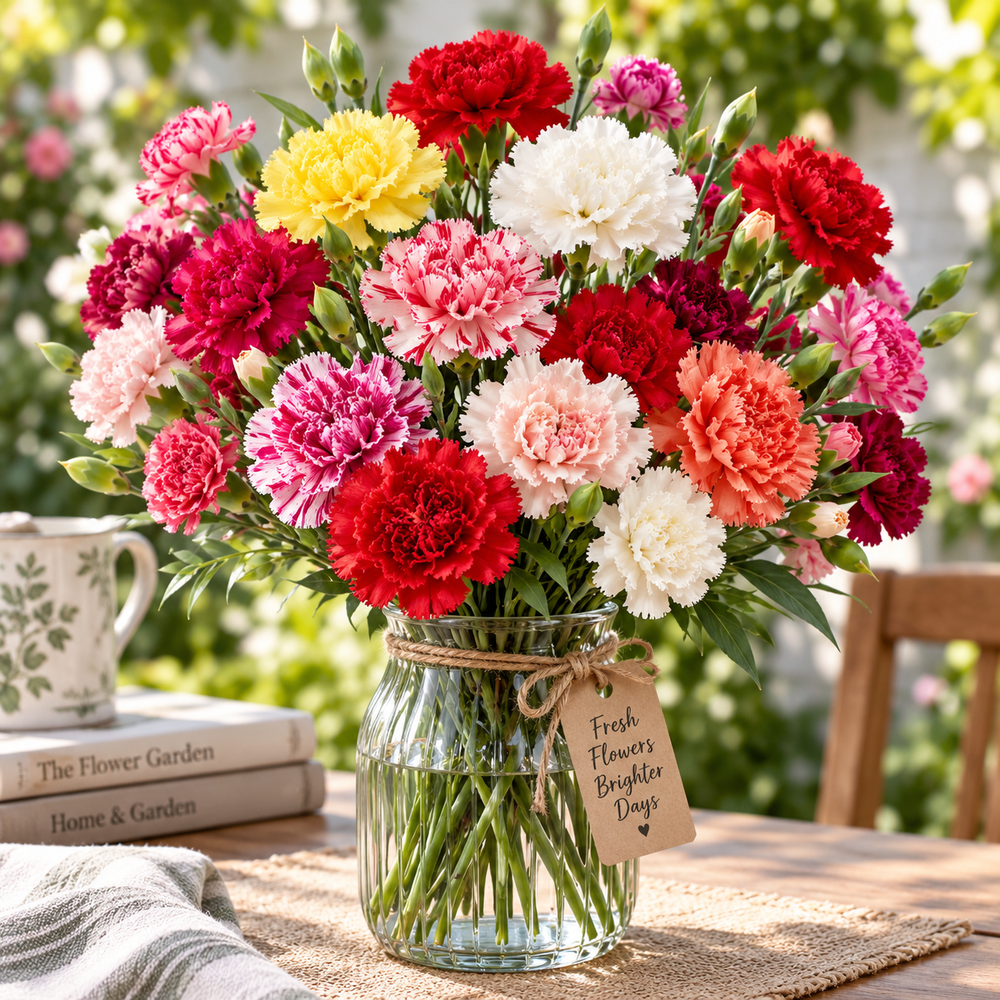
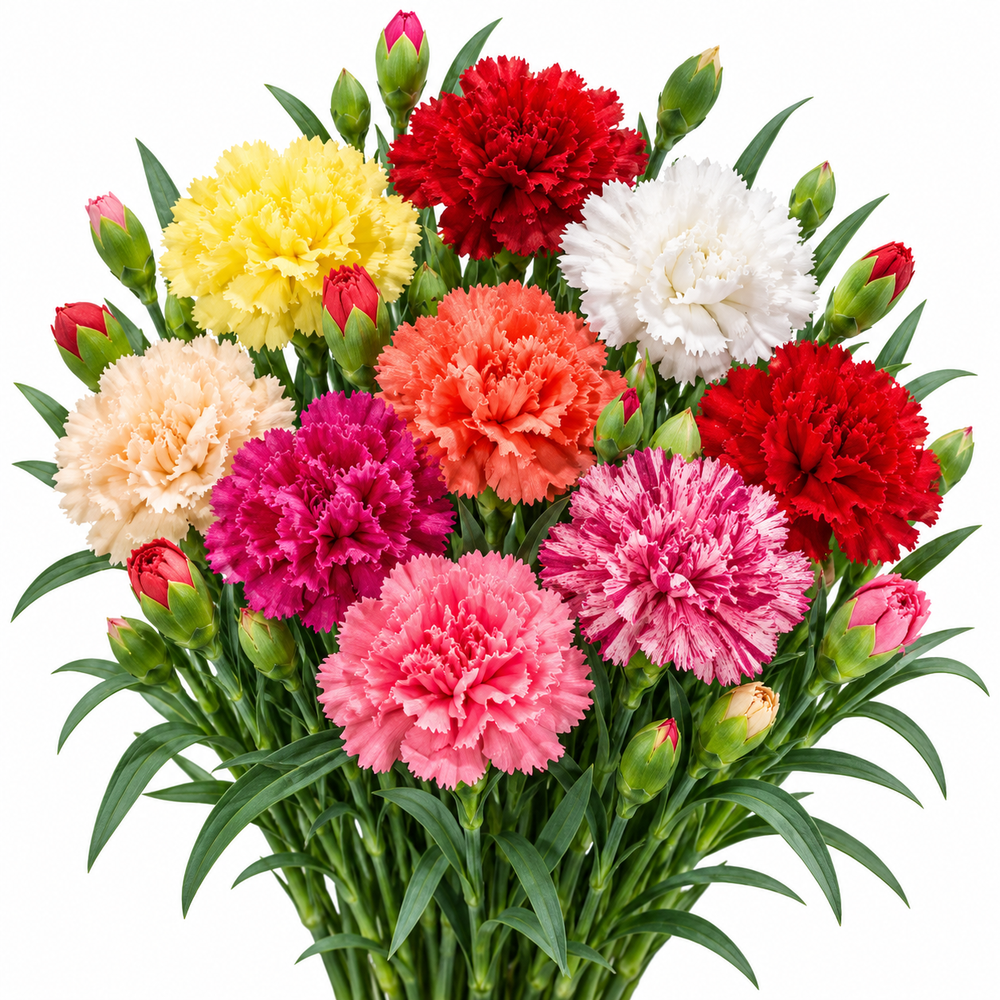
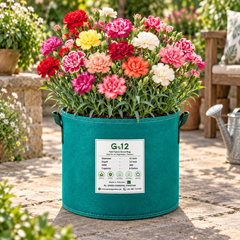
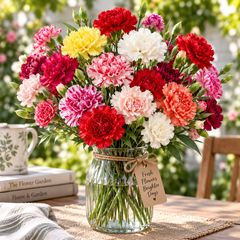
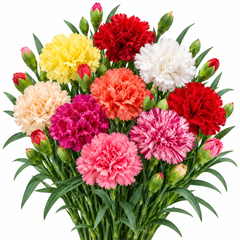
This mixed seed pack may produce attractive flowers in shades of red, pink, white and purple, creating an elegant winter display in flower beds, borders, pots and grow bags.
Carnations are especially valued for their sweet fragrance, ruffled flowers and excellent cut-flower quality, making them ideal for both garden displays and fresh floral arrangements.
Best Sowing Season: November - December
Couldn't load pickup availability
Free standard shipping on orders over RS 5000
Carnation (Dianthus caryophyllus) is a classic ornamental flowering plant valued for its:
The botanical name is:
Dianthus caryophyllus
Carnations have been cultivated for generations as both:
Garden flowers and cut flowers.
This mixed seed pack may produce flowers in shades of:
Because this is a:
Mixed-colour seed selection
the exact number or proportion of plants producing each colour cannot be guaranteed.
Carnation develops a:
Bushy, upright flowering habit
with narrow foliage and flowering stems rising above the plant.
Depending on the genetics of the individual plant and growing conditions, seed-grown Carnations may commonly develop into medium-height flowering plants suitable for:
Some taller flowering stems may benefit from support in exposed or windy locations.
G-11 Grow Bag – 11 × 10 inch 🔗
Highly recommended for Carnation.
Its size provides sufficient root space and soil volume for healthy growth and flowering.
For individual container growing:
One strong Carnation plant per G-11 Grow Bag can develop into an attractive flowering specimen.
G-12 Grow Bag – 12 × 12 inch 🔗
Also an excellent option where additional root space and moisture stability are desired.
G-24 Grow Bag – 24 × 12 inch 🔗
Suitable for growing several Carnation plants together while maintaining proper spacing and airflow.
Carnations are additionally suitable for:
Use a:
Fertile, loose and well-draining growing medium.
A practical GREEN GARDENS mix can include:
50% Bhalu Mitti / Sandy Soil + 50% GREEN GARDENS Vermicompost 🔗
Where the soil naturally retains too much moisture, additional sand or other drainage-improving material may be added.
The growing medium should provide:
Carnations generally perform particularly well in:
Well-drained soil with a neutral to slightly alkaline reaction.
Avoid:
Fill a seedling tray, nursery pot or small container with:
Fine, fertile and well-draining seed-starting medium.
Moisten the medium gently before sowing.
Sow Carnation seeds approximately:
0.5–1 cm deep
and cover lightly with fine growing medium.
Do not bury the seeds excessively deep.
Seeds can be started in:
Maintain approximately:
2–3 cm between seeds
during nursery sowing where practical.
After sowing, water using:
A fine mist or gentle shower.
Avoid strong irrigation because it can:
Keep the growing medium:
Consistently slightly moist
during germination.
Under suitable cool to mild conditions, Carnation seeds generally germinate within approximately:
7–14 days
although individual seeds may take longer depending on:
A temperature range around:
15–21°C
is suitable for germination.
During germination:
Carnation seeds should be:
Lightly covered but not buried deeply.
Maintain moisture without keeping the seed-starting medium continuously saturated.
Cold, wet and poorly aerated soil may increase the risk of:
Seed rot and damping-off.
Good drainage is particularly important during the germination stage.
Once seedlings emerge:
Strong light helps produce:
Stockier seedlings with stronger future flowering stems.
According to current GREEN GARDENS growing guidance, seedlings can be transplanted once they reach approximately:
5–6 cm tall
and are strong enough to handle.
Move carefully into:
Handle young roots gently.
Water after transplanting and allow plants to establish before applying strong fertilizer.
Maintain approximately:
20–25 cm / 8–10 inches between plants.
Suitable spacing encourages:
Avoid overcrowding mature plants.
Once young Carnation plants become properly established, lightly pinch the main growing tip.
Pinching can encourage:
Do not pinch very small or recently transplanted seedlings.
Allow the plant to become properly established first.
Carnations perform best in:
Full winter sun.
Provide approximately:
5–7 hours of direct sunlight daily.
Good sunlight encourages:
Carnations can tolerate some light partial shade, but stronger flowering is generally achieved in good sunlight.
Maintain:
Moderate and consistent soil moisture.
Water when the upper layer of soil begins to dry.
Avoid:
Where possible, water around the root zone rather than repeatedly soaking the foliage and flowers.
Carnations prefer:
Moist but well-drained soil.
Before planting, enrich the growing medium with:
A moderate quantity supports healthy establishment.
During active growth and flowering, light balanced feeding may be provided where required.
Avoid excessive nitrogen because it can encourage:
Soft leafy growth with fewer flowers and weaker stems.
Carnation Mix produces attractive:
Colourful, ruffled and fragrant flowers
on upright flowering stems.
Expected colours may include:
Red, Pink, White and Purple.
Plants established during November–December can begin flowering during the cool season, with performance continuing according to:
One of the most distinctive qualities of Carnation is its:
Sweet, spicy-clove-like floral fragrance.
Fragrance intensity may vary between individual plants and flower colours because this is a mixed seed selection.
Good sunlight and healthy plant growth can support better flower quality.
Remove faded flowers regularly.
Deadheading helps:
Remove faded flowers along with the old flower stem where practical.
If seed saving is desired, selected healthy flowers can be allowed to mature naturally.
Carnations are among the classic:
Cut flowers.
Their attractive blooms, fragrance and long-lasting nature make them excellent for:
Harvest stems when flowers are:
Beginning to open or freshly opened.
Use clean pruning scissors and place cut stems into clean water soon after harvesting.
Some seed-grown Carnation plants may develop relatively tall flowering stems.
Plants growing in:
may benefit from:
Light staking or support.
Good sunlight and avoiding excessive nitrogen also help produce stronger stems.
Carnations perform particularly well during cool conditions.
During winter:
Cool sunny weather generally encourages healthy growth and good flowering.
For Lahore and the hot plains of Pakistan, seed-grown Carnation should primarily be managed as a:
Cool-season / WINTER flowering plant.
As temperatures rise strongly toward late spring and summer:
Individual plants may persist longer depending on their genetics and growing environment, but peak performance is expected during the cool season.
Inspect Carnation plants periodically for:
Pay particular attention to:
Early detection makes pest management easier.
Carnations benefit from:
Avoid:
Carnations may be susceptible to fungal problems such as:
Good growing conditions and sanitation help reduce these problems.
Carnation flowers can attract:
They can be included in colourful mixed winter pollinator gardens.
Carnation Mix is particularly suitable for:
Its combination of:
Colour + fragrance + attractive ruffled flowers + cut-flower quality
makes Carnation an excellent addition to the winter garden.
This product contains:
Mixed Carnation Seeds.
Expected flower colours include:
Red, Pink, White and Purple.
Because this is a mixed seed selection:
The exact number or proportion of each flower colour cannot be guaranteed.
Individual plants may also naturally vary in:
These differences may result from:
Product photographs represent the general appearance and colour range expected from mature plants grown under suitable conditions.
G-11 Grow Bag – 11 × 10 inch 🔗
G-12 Grow Bag – 12 × 12 inch 🔗
Thanks for subscribing!
This email has been registered!


We are here to assist you