



Best Sowing Season: October - November


- Choosing a selection results in a full page refresh.

Available 24/7 at
0300 110 7787
Approx. 40-50 seeds per pack.
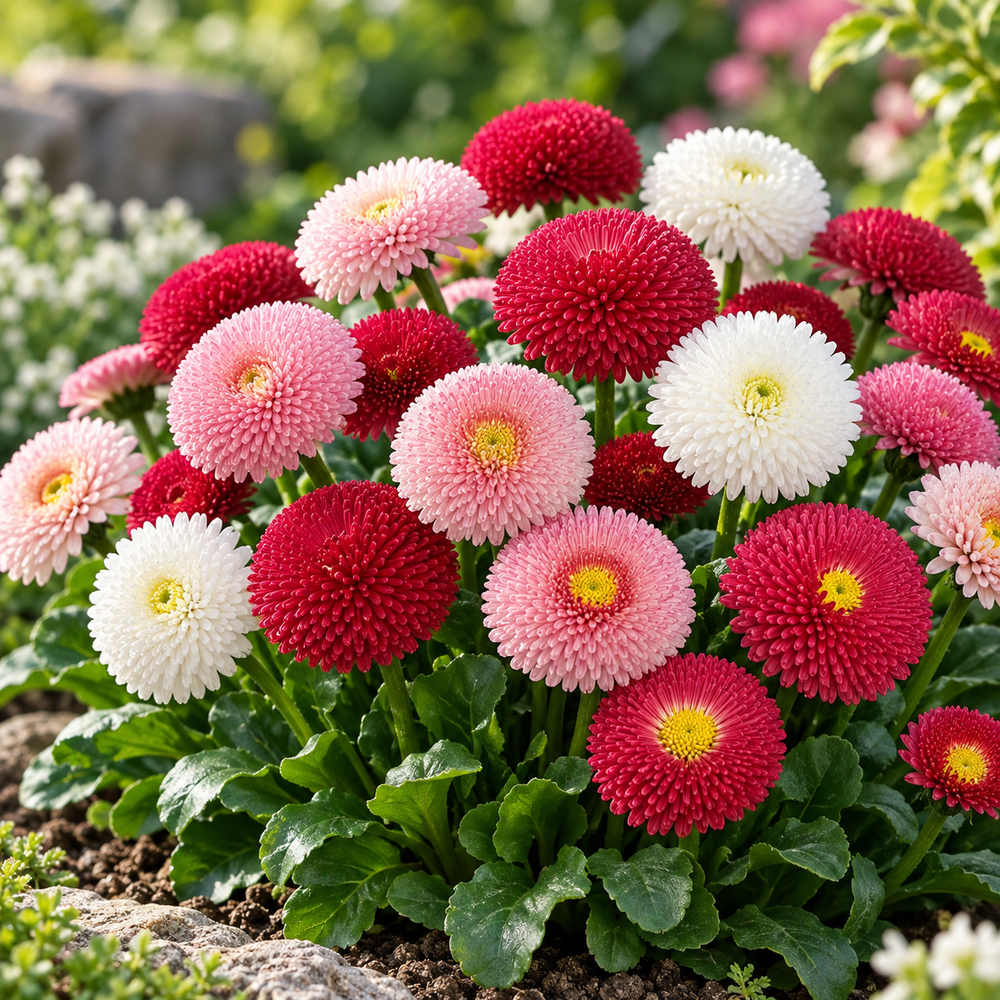
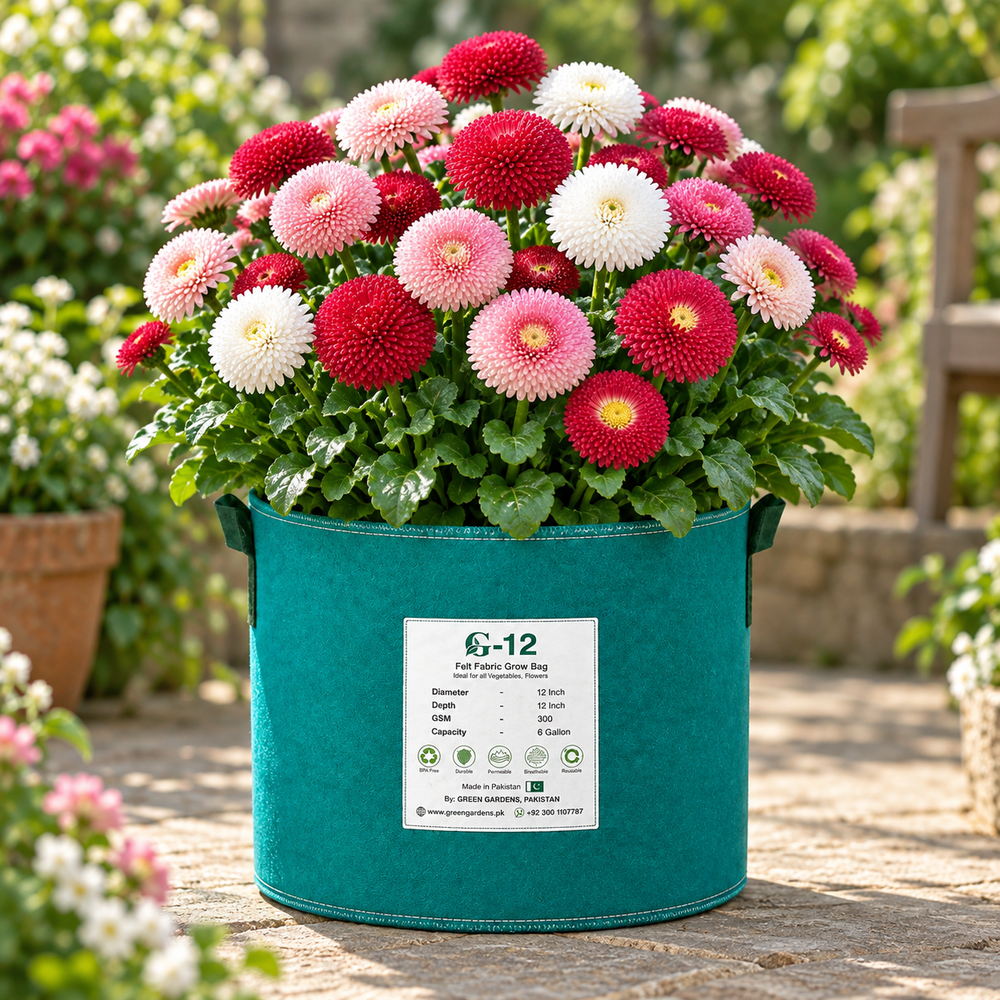
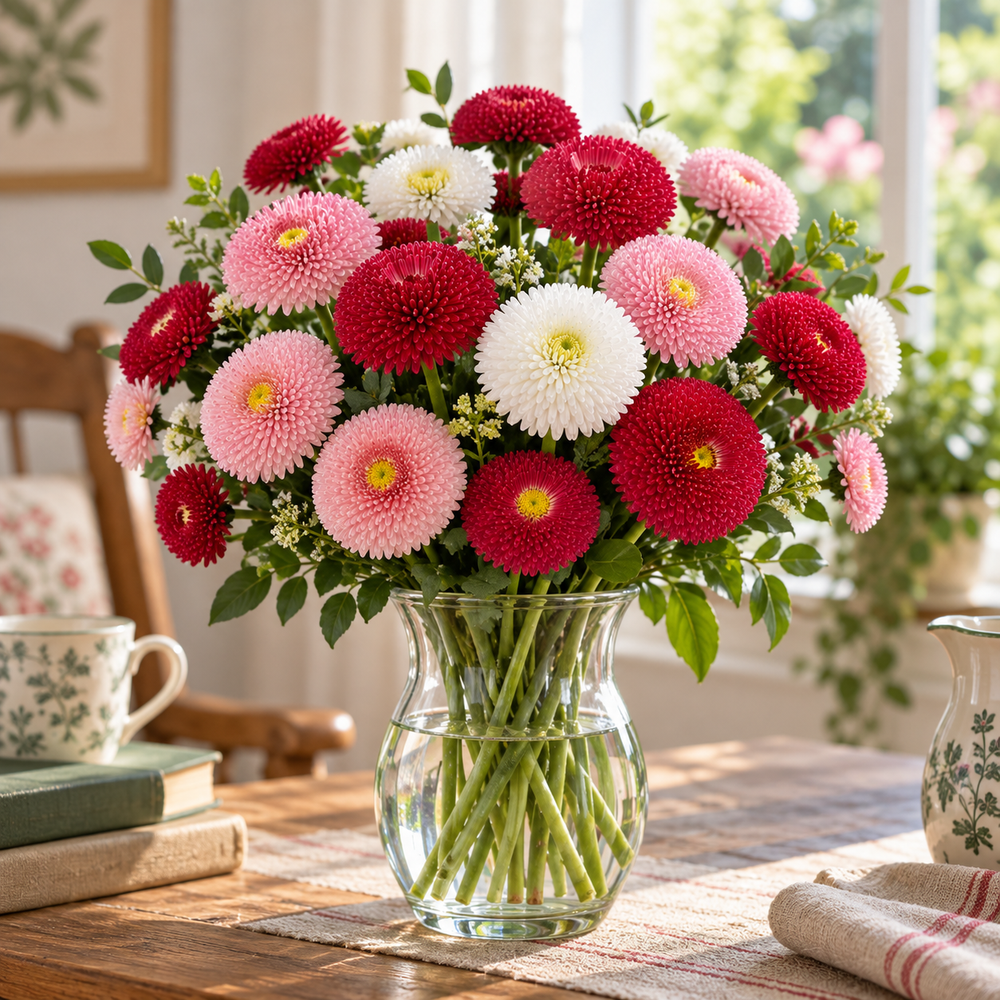
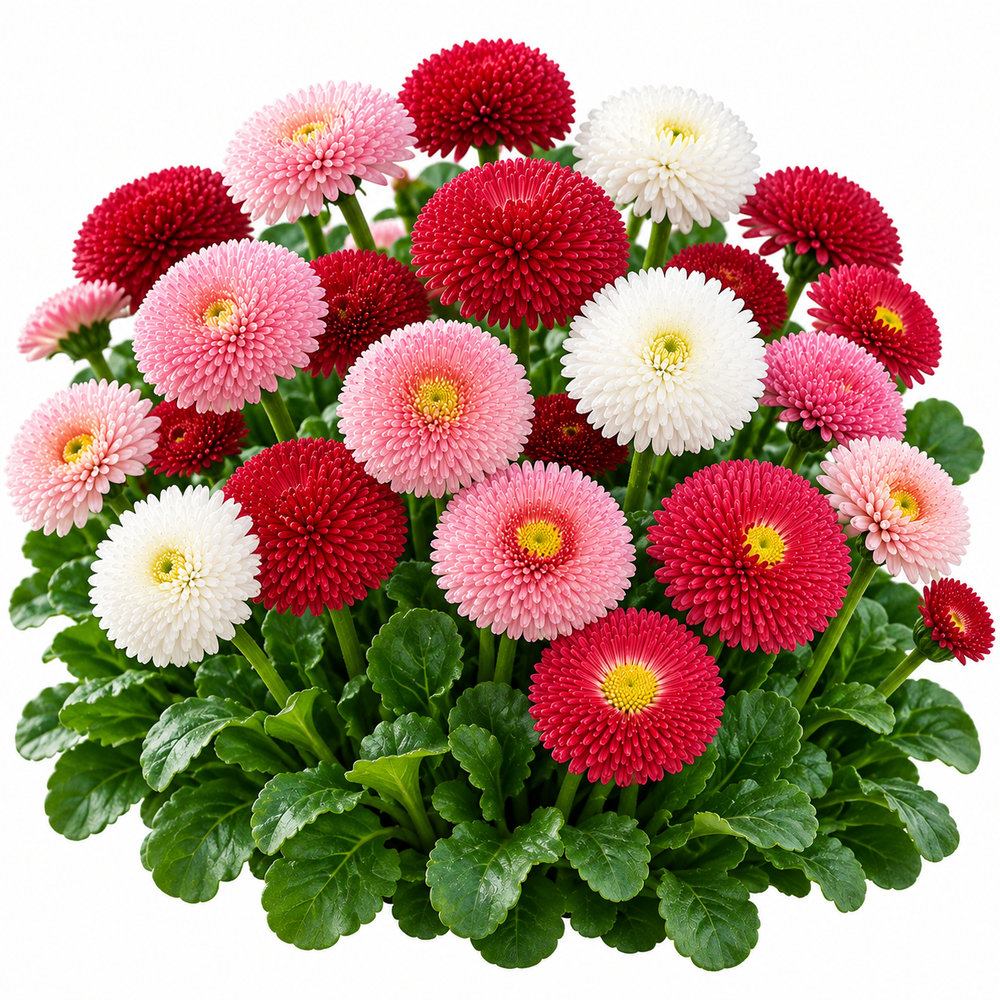
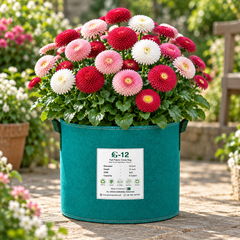
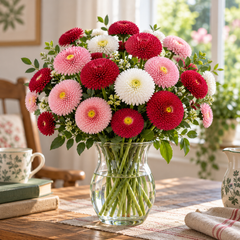
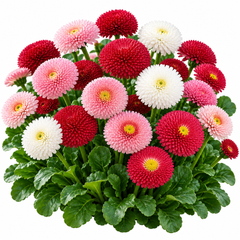
Grow the charming Button Daisy (Bellis perennis), also known as English Daisy, a compact cool-season flowering plant that forms neat rosettes of green foliage topped with attractive button-like daisy flowers.
Its naturally low and compact habit makes it especially suitable for pots, grow bags, flower-bed edging, front borders, pathways, balconies and small garden spaces.
Button Daisy is an excellent choice for creating cheerful winter and spring colour without requiring a large growing area.
Best Sowing Season: October - November
Couldn't load pickup availability
Free standard shipping on orders over RS 5000
Button Daisy (Bellis perennis) is a compact flowering plant valued for its:
G-11 Grow Bag – 11 × 10 inch 🔗
Highly recommended for Button Daisy.
Its width provides ample space for the plant's compact spreading habit.
Several plants may also be arranged in a larger container while maintaining suitable spacing and airflow.
G-12 Grow Bag – 12 × 12 inch 🔗
Also an excellent option for creating a fuller flowering display.
Button Daisy is additionally very suitable for:
Use a:
Light, fertile, moisture-retentive but well-draining growing medium.
A practical GREEN GARDENS mix can include:
50% Bhalu Mitti / Sandy Soil + 50% GREEN GARDENS Vermicompost 🔗
For seed starting, a finer mixture containing some cocopeat may also be used.
The growing medium should provide:
Avoid:
Fill a seedling tray, nursery pot or small container with:
Fine, moist and well-draining seed-starting medium.
Level the surface before sowing.
Button Daisy seeds are small.
Scatter the seeds gently over the surface.
Press them lightly into the growing medium and cover with only:
A very thin layer of fine soil or growing medium.
Do not bury deeply.
After sowing, use:
A fine mist spray or very gentle shower.
Avoid strong irrigation because the small seeds can easily be displaced or buried too deeply.
Keep the growing medium:
Consistently slightly moist
during germination.
Under suitable conditions, germination generally occurs within approximately:
7–21 days
although timing may vary according to:
A cool to mild environment of approximately:
15–21°C
is suitable for germination.
Because Button Daisy seeds are small:
Do not bury them deeply.
Very shallow sowing gives young seedlings a better chance of reaching the surface successfully.
Maintain gentle moisture without waterlogging.
Once seedlings emerge:
Young seedlings should remain compact rather than becoming excessively stretched.
When seedlings are large enough to handle and have developed several true leaves, transplant carefully into:
Handle the young roots gently.
Water lightly after transplanting.
Maintain approximately:
6–8 inches / 15–20 cm between plants.
Suitable spacing allows:
Button Daisy grows well in:
Full winter sun to partial shade.
Approximately:
4–6 hours of good sunlight daily
is suitable under Lahore's winter conditions.
Good winter sunlight encourages:
In warmer conditions, some afternoon shade can help protect plants from heat stress.
Button Daisy prefers:
Moderately moist soil.
Water when the upper soil layer begins to dry.
Avoid allowing plants to remain severely dry during active growth and flowering.
Also avoid:
The ideal condition is:
Moist but well drained.
Before planting, enrich the growing medium with:
A moderate amount is generally sufficient for healthy growth.
Light balanced feeding may be provided during active flowering if required.
Avoid excessive nitrogen because it may encourage leafy growth at the expense of flowers.
Button Daisy produces attractive:
Small button-like daisy flowers
held just above the compact foliage.
Flowering generally occurs during:
Winter into spring
in Lahore and the plains of Pakistan when plants are established during autumn.
Flowering performance depends on:
Remove faded flower heads regularly.
Deadheading can help:
Use clean scissors or simply remove faded stems carefully.
One of the main strengths of Button Daisy is its:
Naturally compact size.
Unlike taller winter flowers, it works especially well at the:
Front of flower beds and borders.
It can also be combined with taller winter flowers to create layered planting displays.
During winter:
Cool weather supports compact growth and good flowering.
Button Daisy is primarily a:
Cool-season flowering plant
for Lahore and the hot plains of Pakistan.
As temperatures increase strongly toward late spring and summer:
It should therefore primarily be grown as a:
WINTER flower in Pakistan's hot plains.
Button Daisy is generally easy to maintain.
Inspect plants occasionally for:
Young seedlings are especially worth checking regularly.
Maintain:
Avoid:
Healthy growing conditions help reduce fungal and root problems.
Button Daisy flowers can attract:
They can be incorporated into mixed winter pollinator displays.
Button Daisy is particularly suitable for:
Its compact size makes it especially useful where:
Low-growing winter colour is required.
G-11 Grow Bag – 11 × 10 inch 🔗
Thanks for subscribing!
This email has been registered!


We are here to assist you