



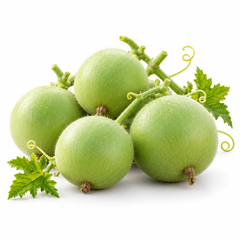
Best Sowing Season: February - April


- Choosing a selection results in a full page refresh.

Available 24/7 at
0300 110 7787
Pack Size: 10 seeds per pack.
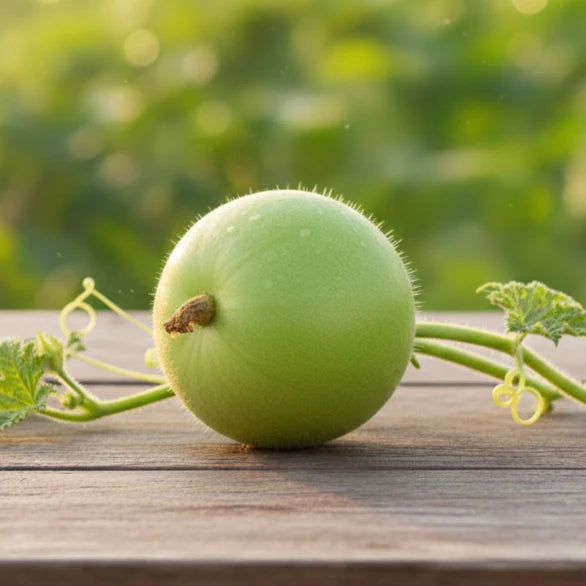
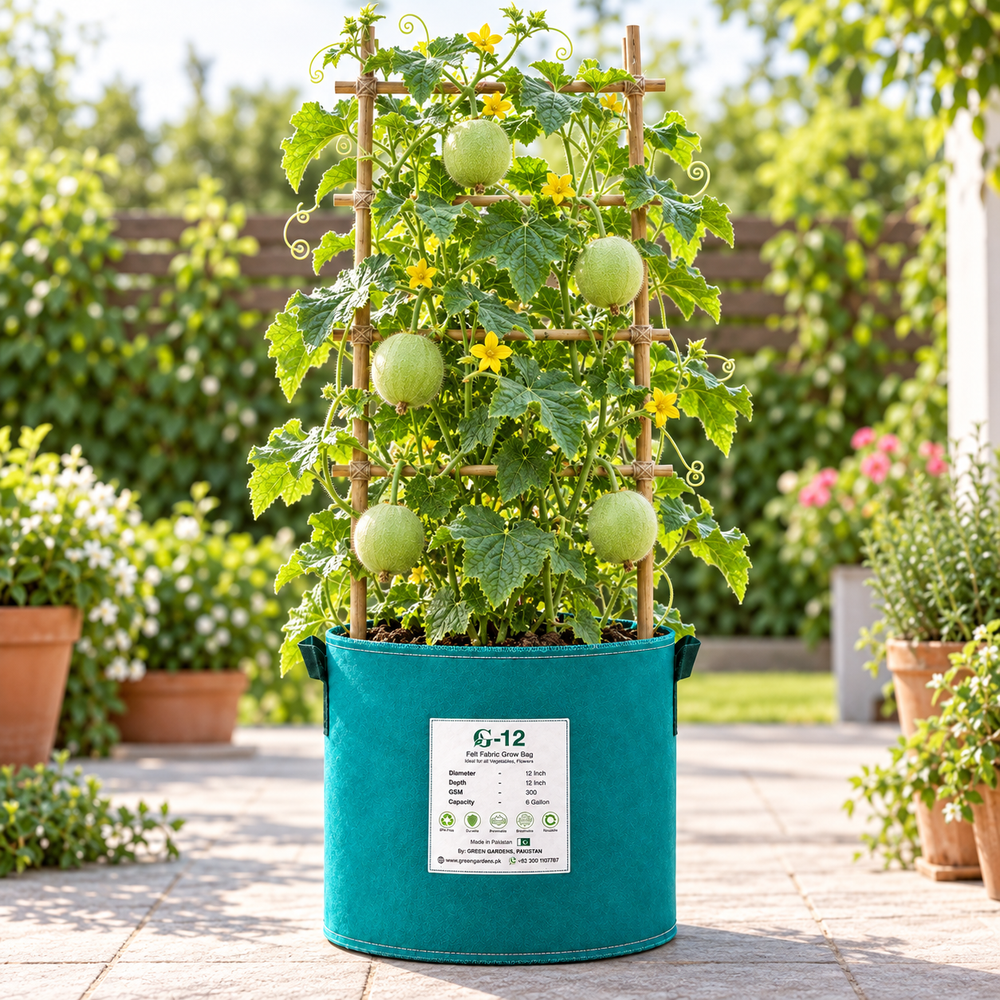
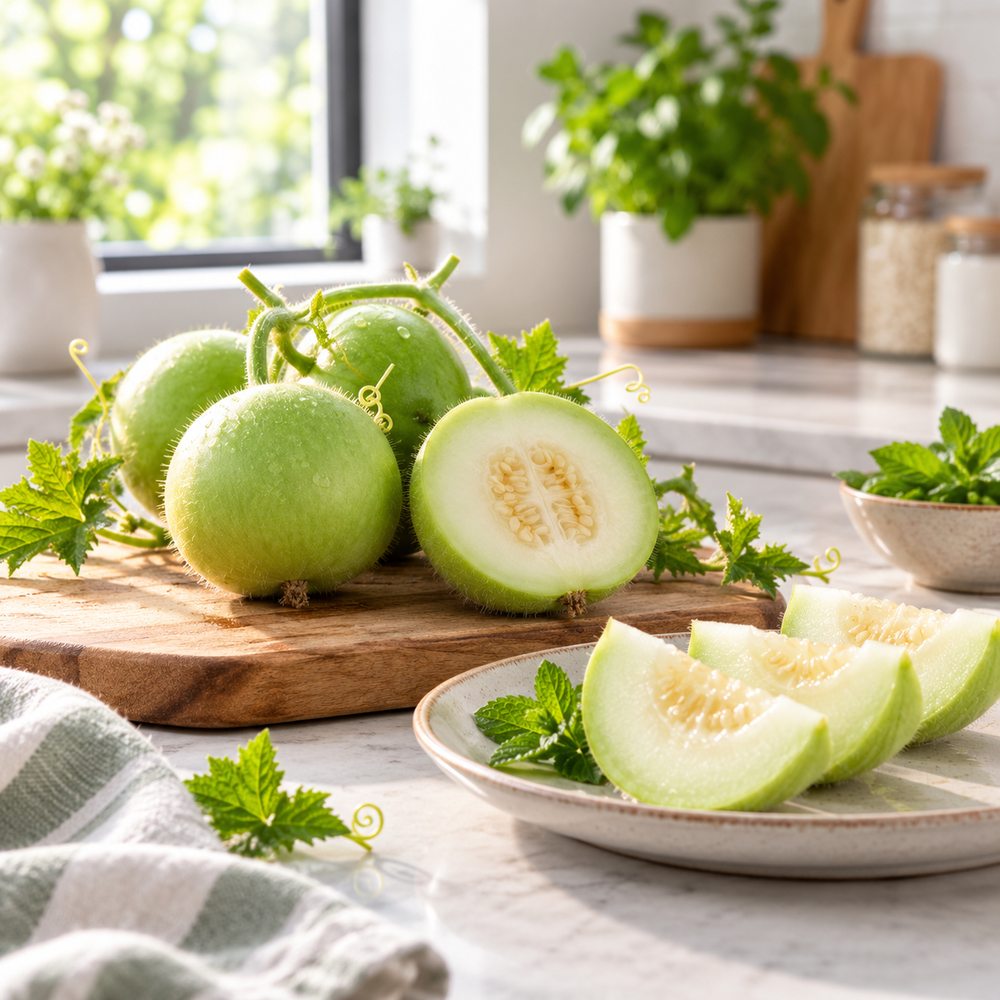
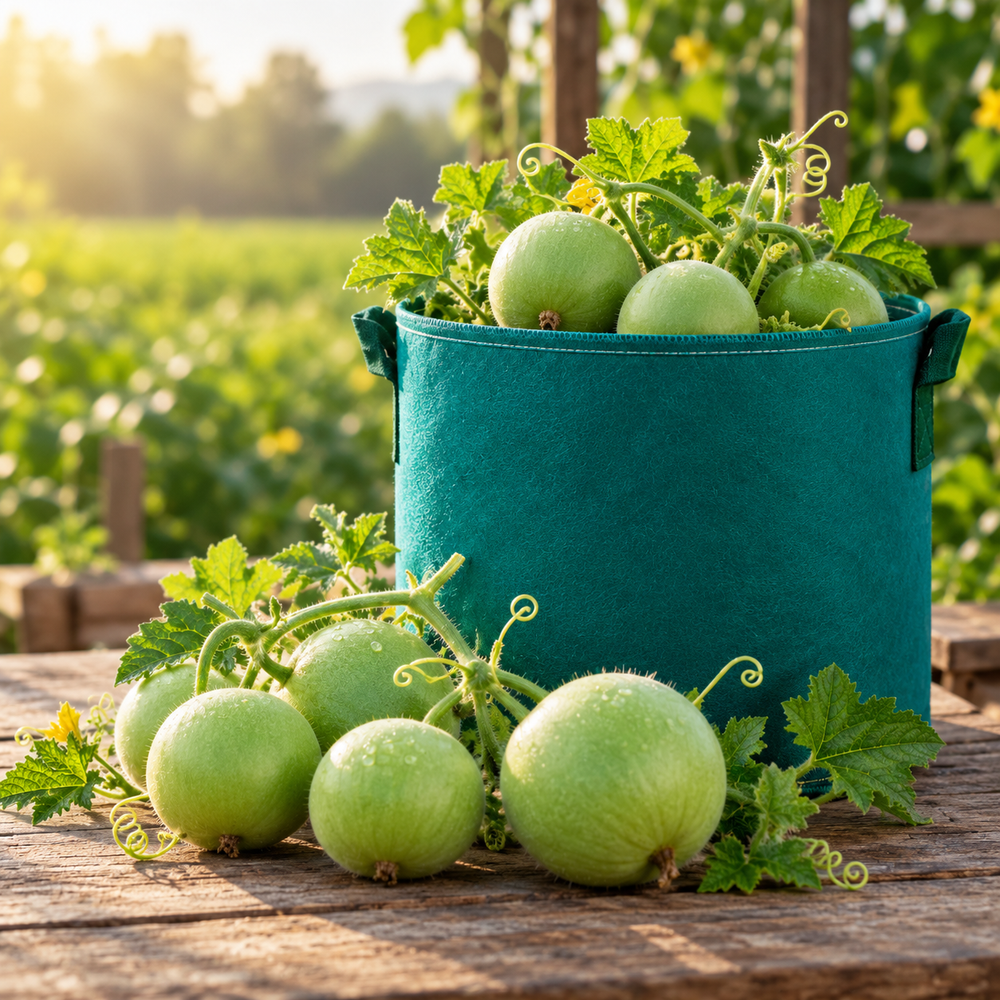
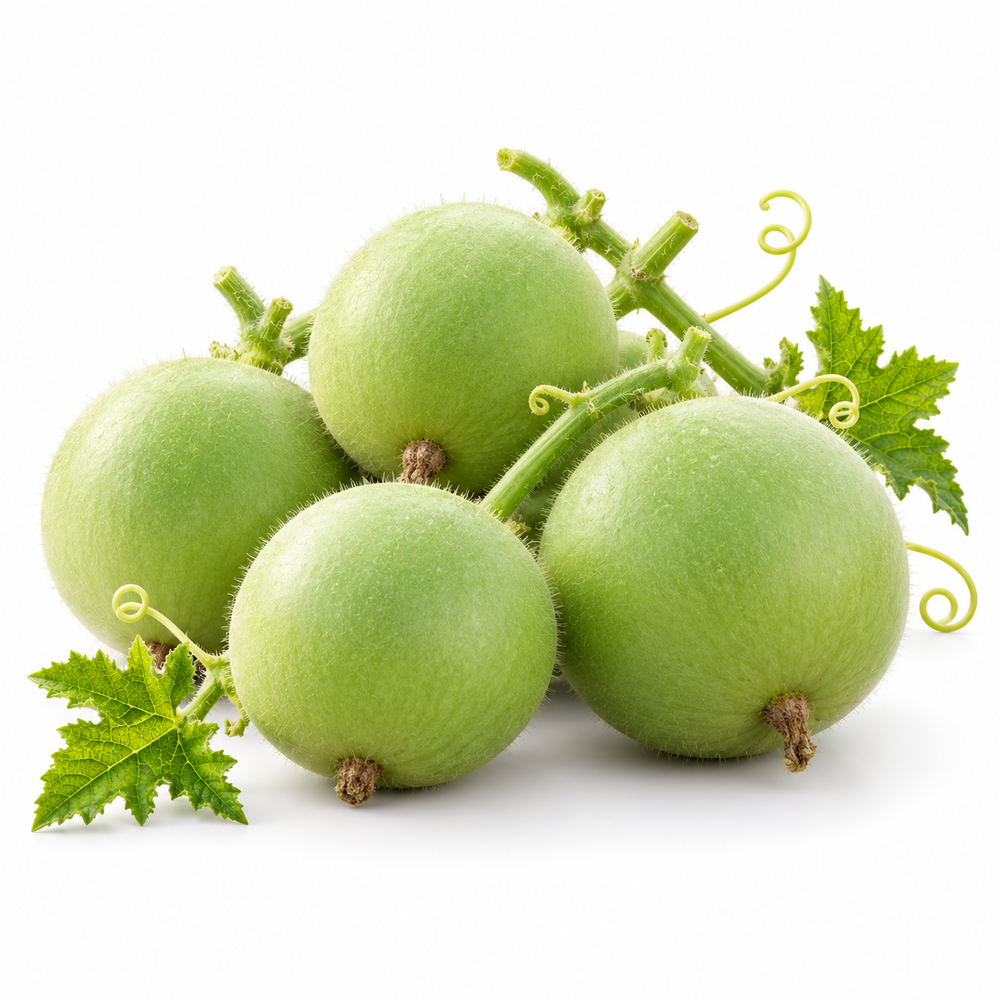
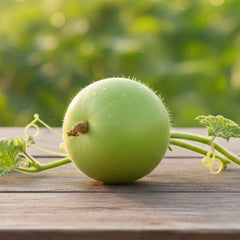
Grow Apple Gourd (Tinda) F1 Hybrid, a vigorous and productive summer vegetable producing uniform, round, light-green fruits with tender flesh and excellent cooking quality. Suitable for kitchen gardens, raised beds, farms and larger grow bags.
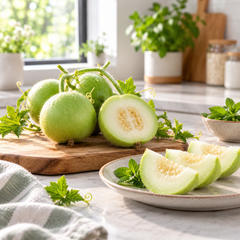
Excellent for curries, bhujia, mixed vegetables and pickling.
Germination Time: 7–10 days
Suitable Temperature: 22°C–32°C
Best Sowing Season: February - April
Couldn't load pickup availability
Free standard shipping on orders over RS 5000
Nice
Apple Gourd, commonly known as Tinda, is a popular warm-season vegetable widely grown and consumed in Pakistan.
This F1 Hybrid selection produces attractive round, light-green fruits with a tender texture and uniform appearance.
Plants develop vigorous spreading or trailing growth and perform best in fertile soil with consistent moisture and full sun.
Hybrid Tinda is particularly suitable for growers looking for vigorous growth, good fruit uniformity and productive performance under suitable conditions.
Fruits should generally be harvested while they are still young and tender, before the rind becomes hard and the seeds become fully mature.
Exact fruit size, maturity and yield may vary according to temperature, soil fertility, irrigation and crop management.
Tinda fruits are especially suitable for:
For the best flavour and texture, harvest fruits while they are young, tender and medium-sized.
Over-mature fruits can become firmer and develop harder seeds.
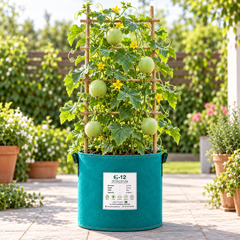
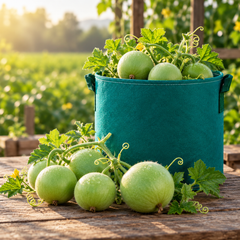
G-15 P Grow Bag – 15 × 14 inch 🔗
Suitable for one Tinda plant with regular watering and feeding.
G-20 F Grow Bag – 20 × 16 inch 🔗
Recommended for one vigorous plant with generous soil volume and improved moisture stability.
G-24 Grow Bag – 24 × 12 inch 🔗
Suitable for approximately one to two plants depending on spacing and vine management.
Tinda plants can spread considerably, so larger grow bags are preferable for healthy root development and stable moisture.
Use fertile, loose and well-drained soil rich in organic matter.
A practical GREEN GARDENS mix can be:
50% Bhalu Mitti (Sandy Soil) + 50% Vermicompost 🔗
Tinda prefers fertile soil that retains adequate moisture while allowing excess water to drain freely.
Organic matter helps support vigorous vegetative growth, flowering and fruit development.
Tinda seeds can be sown directly into the final growing position or started in individual seedling cells.
Sow approximately:
2–3 cm deep
Cover lightly with fine soil and water gently.
Direct sowing is particularly suitable once the weather has warmed adequately.
Keep the soil consistently moist but not waterlogged.
Seeds generally germinate within:
7–10 days
under suitable warm conditions.
Warm soil helps improve germination speed and seedling establishment.
Provide:
6–8 hours of direct sunlight daily
Full sun supports vigorous growth, flowering and good fruit development.
If seeds are started in nursery cells, transplant seedlings when they have approximately:
2–3 true leaves
Handle the root ball carefully and avoid unnecessary root disturbance.
Water thoroughly after transplanting.
Maintain approximately:
60–80 cm between plants
with adequate space between rows for airflow and vine development.
If plants are allowed to spread freely, additional space may be beneficial.
Tinda plants develop spreading or trailing vines.
They can be:
Providing support can help keep fruits cleaner and improve airflow around the foliage.
Maintain consistent soil moisture throughout the growing period.
Water requirements increase particularly during:
Avoid repeated severe drying of the root zone.
Do not allow the soil to remain waterlogged.
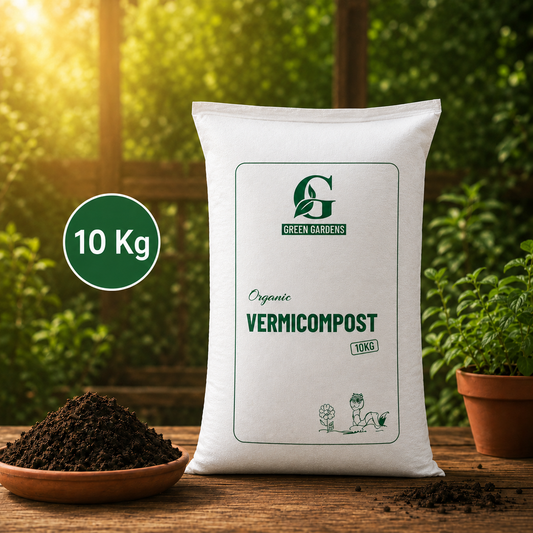
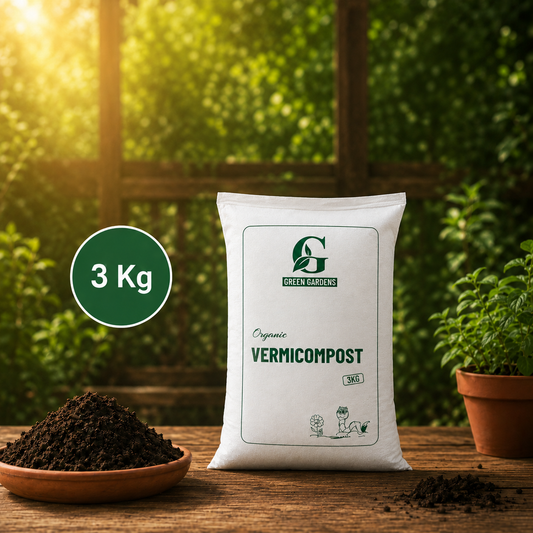
Before sowing or transplanting, incorporate GREEN GARDENS Vermicompost 🔗.
During vigorous growth and fruiting, balanced supplementary feeding can support continued production.
Avoid excessive nitrogen because it can encourage excessive foliage at the expense of fruiting.
Tinda plants produce separate male and female flowers on the same plant.
Bees and other pollinating insects help transfer pollen and support proper fruit development.
To encourage good pollination:
Poor pollination can result in small fruits that fail to develop properly.
Apply a light organic mulch around established plants.
Mulching helps:
Keep mulch slightly away from the main stem.
Inspect plants regularly for common cucurbit problems such as:
Good spacing and airflow help reduce disease pressure.
Water preferably near the root zone rather than repeatedly wetting the foliage.
Harvest Tinda fruits while they are:
Round, light green, tender and medium-sized
Do not allow fruits to become excessively mature.
Your current GREEN GARDENS listing recommends harvesting approximately:
30–40 days after flowering
while fruits are still tender.
Regular harvesting helps encourage continued flowering and fruit production.
G-15 P Grow Bag – 15 × 14 inch 🔗
Thanks for subscribing!
This email has been registered!