



Best Sowing Season: February - April & July - August


- Choosing a selection results in a full page refresh.

Available 24/7 at
0300 110 7787
Approx. 50 seeds per pack.
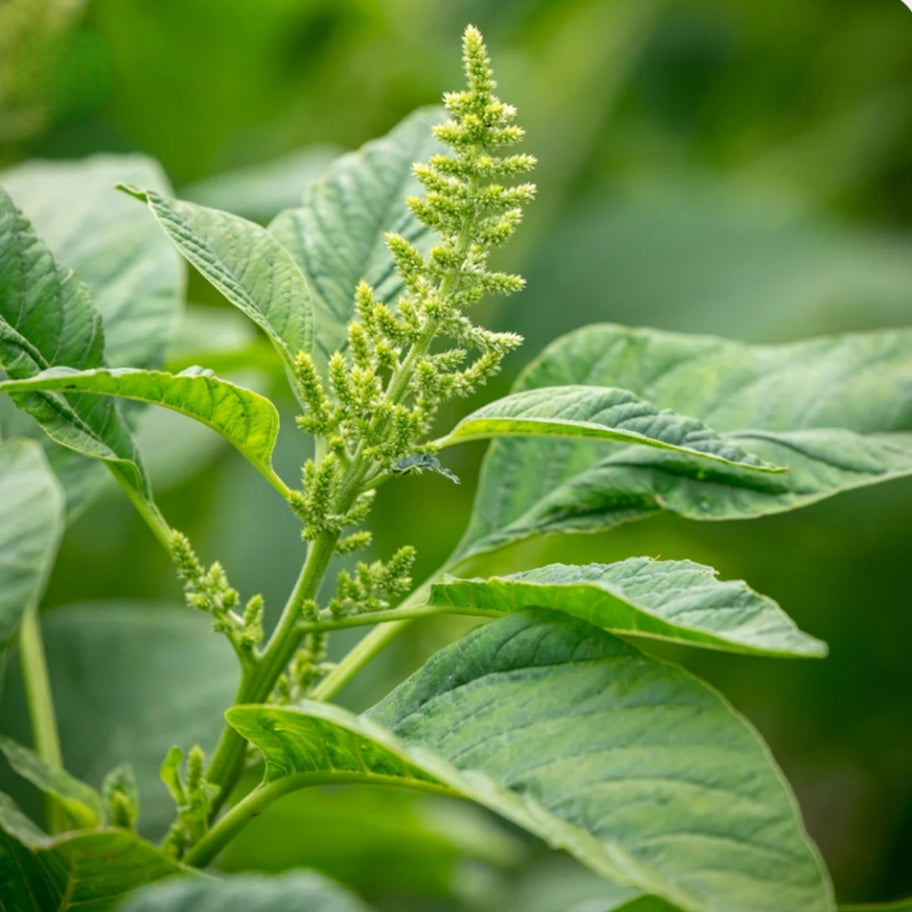
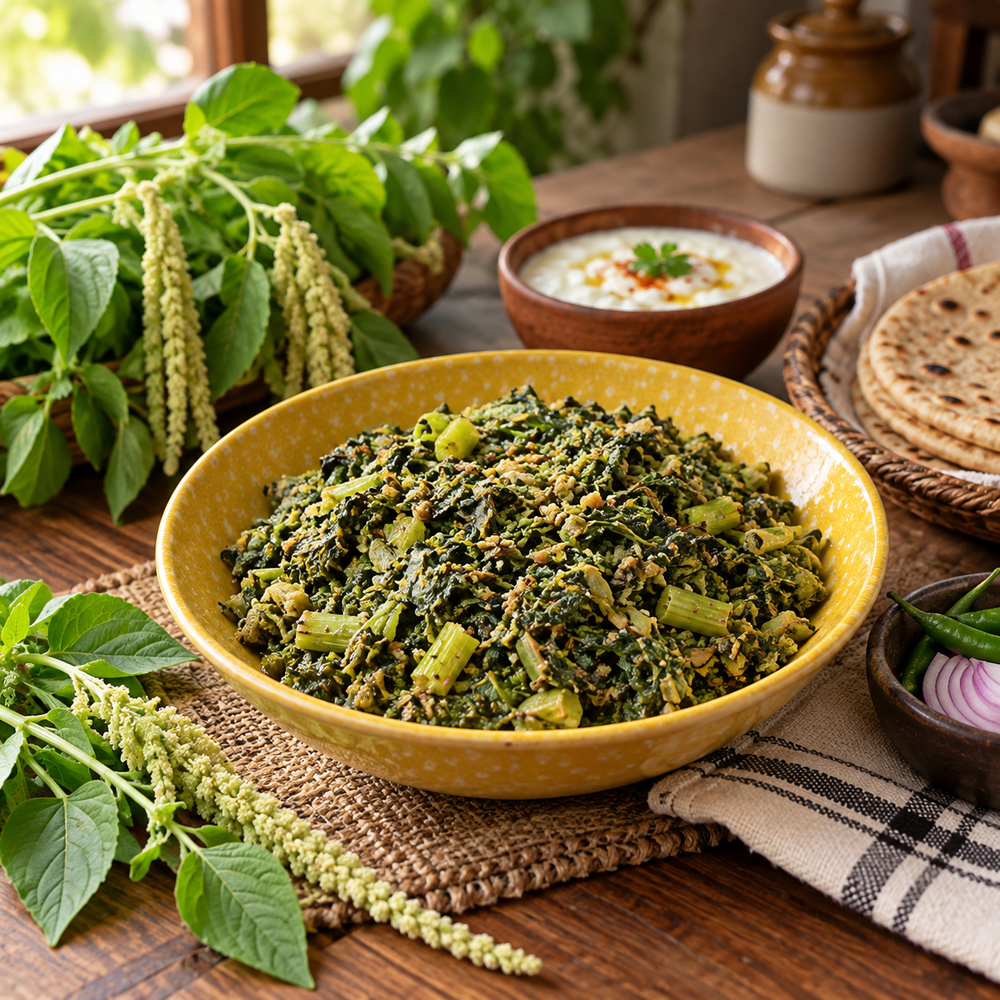
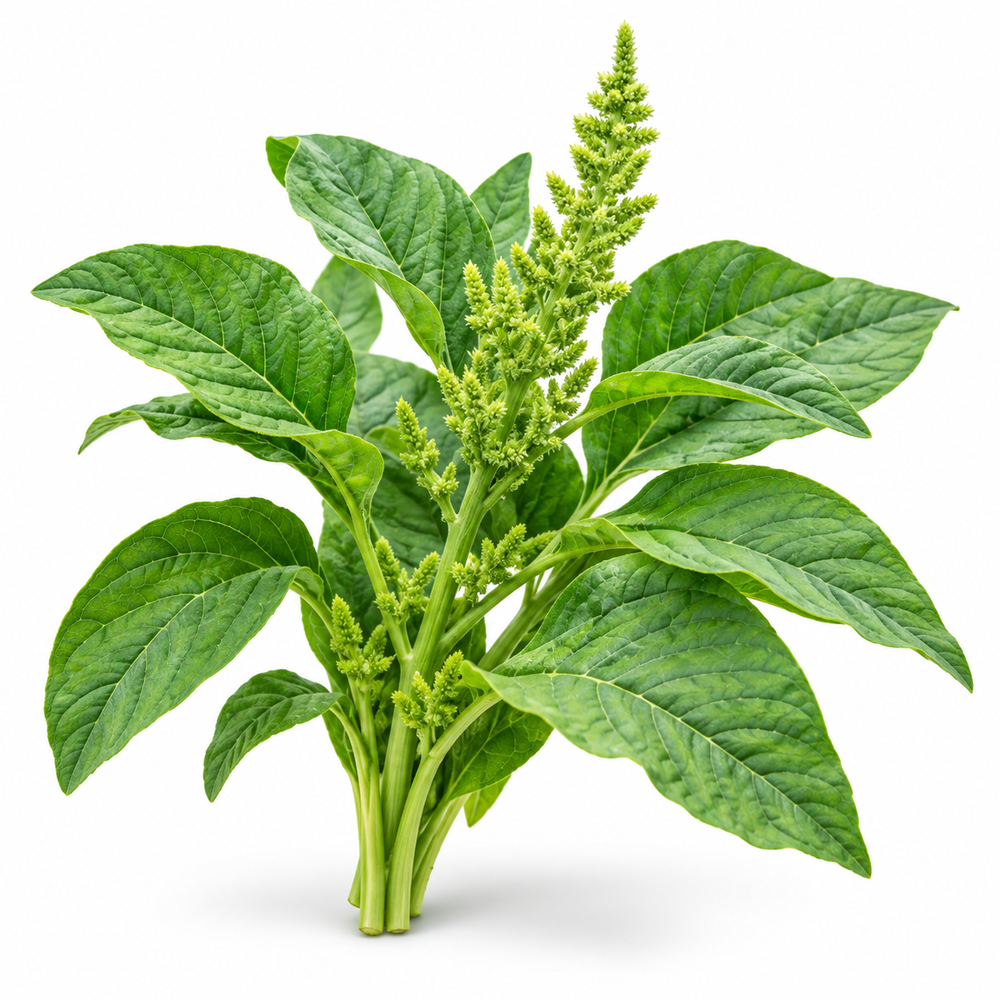
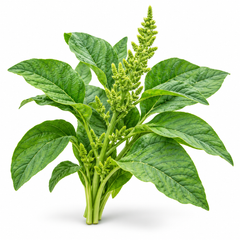
Grow Amaranthus Green, a fast-growing warm-season leafy vegetable producing tender green foliage suitable for regular harvesting and everyday home cooking.
This vigorous summer crop is heat-tolerant, easy to grow and suitable for both edible kitchen gardening and attractive foliage planting.
Young tender leaves can be used in cooked greens, soups, stir-fries, curries and mixed vegetable dishes.
Suitable for kitchen gardens, raised beds, open soil, pots and grow bags.
Germination Time: 5–10 days
Suitable Temperature: 20°C–32°C
Best Sowing Season: February - April & July - August
Couldn't load pickup availability
Free standard shipping on orders over RS 5000
Green leafy Amaranthus types are widely grown as fast-growing summer leafy vegetables.
Plants are generally recognized for:
Depending on the seed strain and maturity, plants may also develop ornamental flower heads if allowed to grow beyond the leafy harvest stage.
Exact plant height, leaf shape, growth habit and maturity may vary according to strain, climate, soil fertility and crop management.
Young Amaranthus leaves are especially suitable for:
Young tender leaves generally provide the best:
Older leaves may become comparatively firmer and are usually better suited to cooked dishes.
G-11 Grow Bag – 11 × 10 inch 🔗
Suitable for growing a compact group of Amaranthus plants.
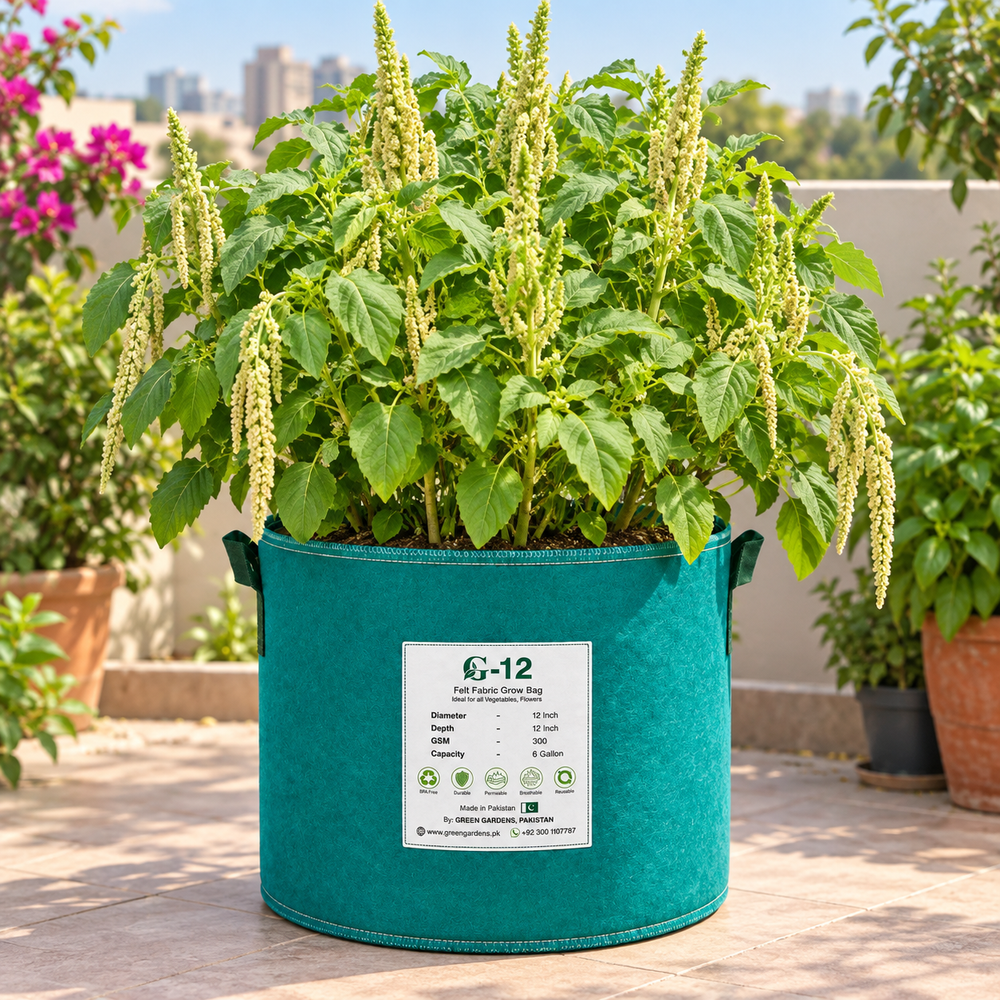
G-12 Grow Bag – 12 × 12 inch 🔗
Provides additional growing area and better moisture stability.
G-24 Grow Bag – 24 × 12 inch 🔗
Highly recommended for Amaranthus Green.
Its broad growing surface allows multiple plants to be grown together and works particularly well for repeated leafy harvesting.
For regular home production:
G-24 is an excellent choice because leafy crops benefit from wider growing surface area.
Use fertile, loose and well-drained soil rich in organic matter.
A practical GREEN GARDENS mix can be:
50% Bhalu Mitti (Sandy Soil) + 50% Vermicompost 🔗
This same basic mix is also recommended on the current GREEN GARDENS listing.
Amaranthus prefers:
An approximate soil pH of:
6.0–7.5
is suitable.
Avoid continuously waterlogged soil.
Prepare the growing area thoroughly before sowing.
Remove:
Mix GREEN GARDENS Vermicompost thoroughly into the soil.
Prepare a fine and level surface because Amaranthus seeds are small.
Amaranthus Green is well suited to:
Direct sowing
Sow seeds approximately:
0.5 cm deep
or scatter thinly over prepared moist soil and cover with a very light layer of fine soil.
Avoid burying seeds deeply.
Water gently after sowing.
Seeds generally germinate within approximately:
5–10 days
under suitable warm conditions.
Maintain approximately:
20°C–32°C
for rapid establishment.
Keep the soil consistently moist during germination but avoid waterlogging.
After germination, provide:
Avoid allowing young seedlings to dry completely.
Seedlings grow rapidly once warm conditions are established.
If seedlings emerge too densely, thin them carefully.
For normal leafy production, maintain approximately:
20–30 cm between mature plants
where larger plants are desired.
For younger leafy harvesting, plants may be grown more closely together.
The current GREEN GARDENS guidance recommends approximately 8–12 inches spacing, with larger plants given more room.
Proper spacing encourages:
Provide:
6–8 hours of direct sunlight daily
for vigorous growth.
The current GREEN GARDENS listing also recommends full sun with approximately this range.
Amaranthus can tolerate light partial shade, but strong sunlight generally encourages faster growth.
Keep soil:
Moist but not waterlogged.
Water regularly during:
Avoid:
During hot weather, container-grown plants may require more frequent watering.
Before sowing, enrich the soil with:
Amaranthus responds well to fertile soil.
Additional Vermicompost may be applied lightly during active growth if necessary.
Balanced fertility encourages:
Avoid excessive fertilizer application.
Keep the growing area free from weeds, particularly while plants are young.
Weeds compete for:
Once Amaranthus becomes established, its fast growth helps it compete more effectively.
Avoid excessive overcrowding.
Good airflow helps maintain healthy foliage and reduces conditions favourable for fungal problems.
Thin dense planting areas where required.
Amaranthus is naturally well adapted to warm weather.
During extreme heat:
Established plants generally tolerate heat better than newly germinated seedlings.
Inspect plants regularly for:
Check both upper and lower leaf surfaces.
Young tender foliage should be inspected frequently.
Possible problems may include:
Maintain:
Avoid keeping foliage continuously wet where possible.
Young leaves can generally begin reaching harvestable size approximately:
25–35 days after sowing
under favourable conditions.
This matches the current GREEN GARDENS guidance.
Actual timing depends on:
For repeated harvesting:
Cut young tender leaves and growing tips
using:
Avoid removing the entire growing structure if continued production is desired.
Amaranthus responds well to regular cutting.
For continuous production:
Regular harvesting encourages bushier growth and fresh regrowth. This is also specifically noted in the GREEN GARDENS listing.
Plants may also be harvested completely when the desired size is reached.
Cut near soil level or gently uproot the plant.
Whole-plant harvesting is useful when a complete young crop is required at one time.
If plants are allowed to mature beyond the leafy stage, they may develop upright flower heads.
For maximum tender leaf production:
Harvest regularly before plants become heavily mature or begin flowering strongly.
For continuous summer production, sow:
Small batches every 2–3 weeks
during suitable warm weather.
This provides plants at different stages and extends the harvesting period.
G-11 Grow Bag – 11 × 10 inch 🔗
G-12 Grow Bag – 12 × 12 inch 🔗
Thanks for subscribing!
This email has been registered!


We are here to assist you