


Best Sowing Season: October–November


- Choosing a selection results in a full page refresh.

Available 24/7 at
0300 110 7787
20 seeds per pack.
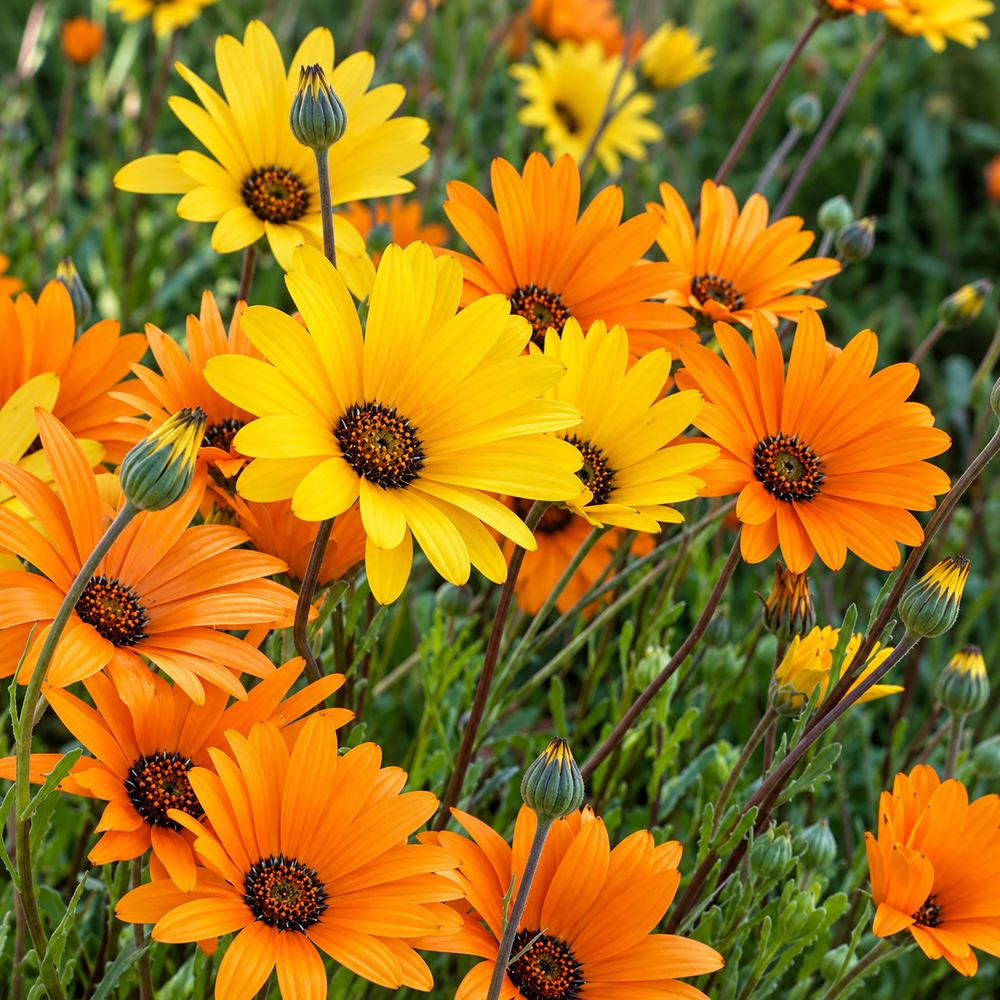
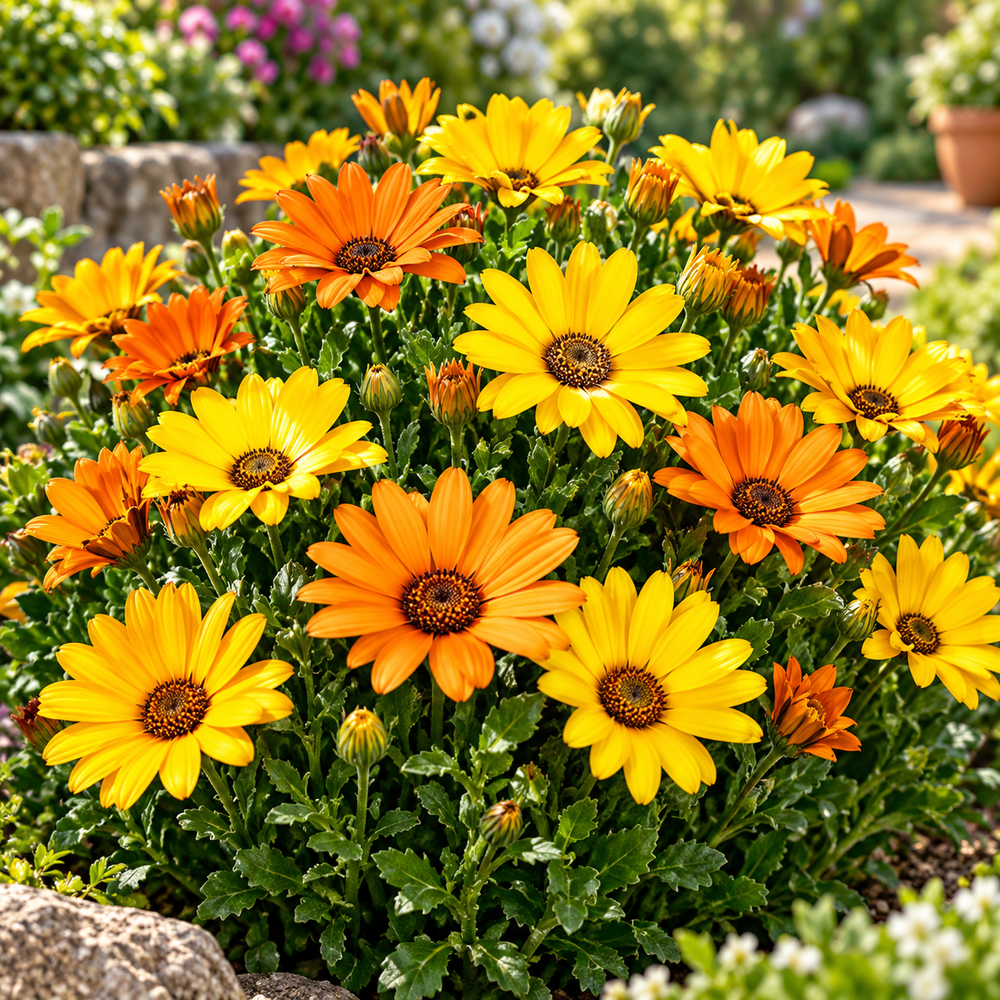
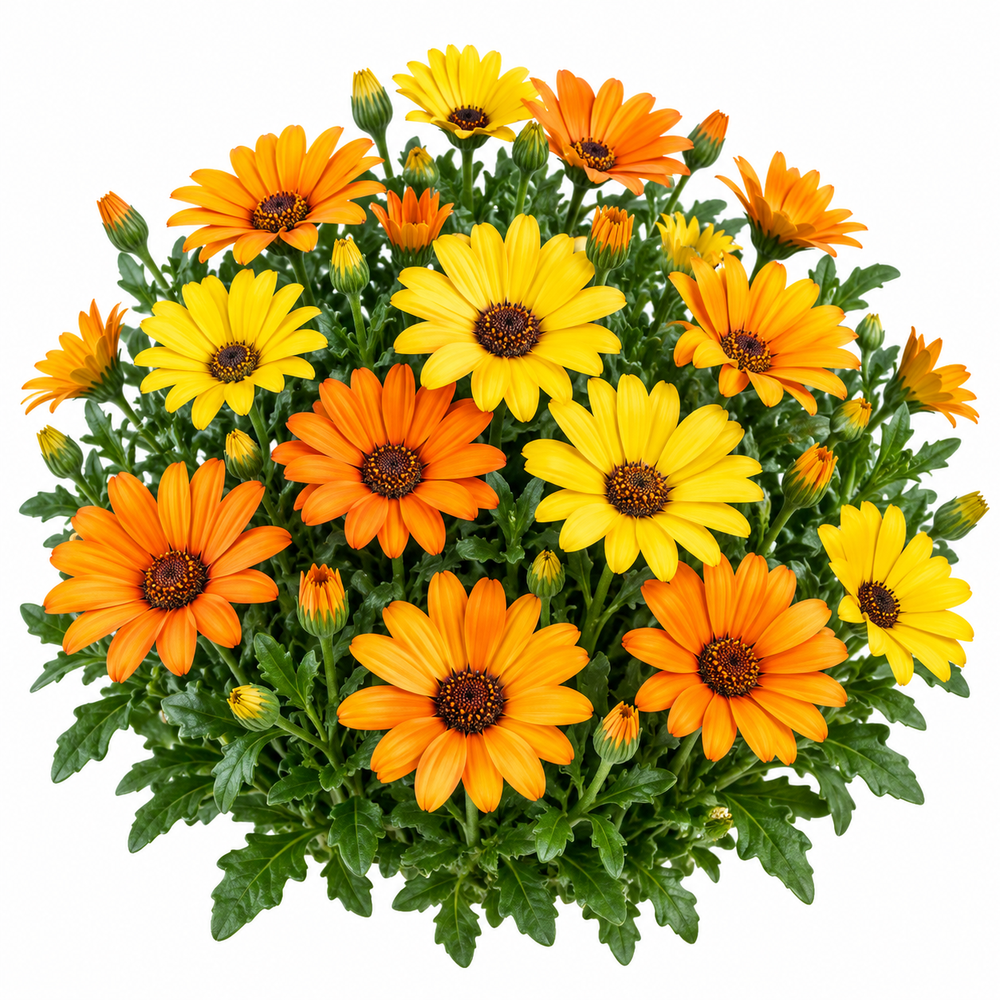
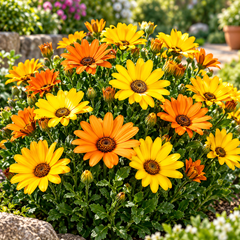
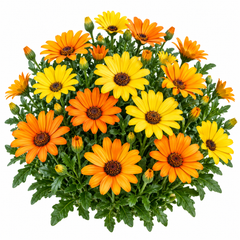
Grow beautiful African Daisy (Dimorphotheca), commonly sold as Dimore, a cheerful cool-season flowering plant producing bright daisy-like blooms in attractive shades of orange, yellow, white and pink.
Excellent for flower beds, borders, grow bags, rock gardens, cottage gardens, mass planting and pollinator-friendly displays.
African Daisy is especially admired for its bright sun-loving flowers, which open beautifully in strong sunlight and create an impressive carpet of colour during winter and spring.
Best Sowing Season: October–November
Couldn't load pickup availability
Free standard shipping on orders over RS 5000
African Daisy belongs to the Dimorphotheca group, native to southern Africa and particularly well adapted to sunny conditions and well-drained soils.
The plants develop a neat, branching habit with numerous colourful daisy-like flowers held above fresh green foliage. Depending on the individual plant in the mix, blooms may appear in orange, yellow, cream-white, pink and related shades.
One of the most attractive characteristics of African Daisy is its response to sunlight: the flowers generally open widest in bright sunshine and may partially close during dull weather, at night or under low light.
G-11 Grow Bag – 11 × 10 inch 🔗
Suitable for growing one well-developed African Daisy plant.
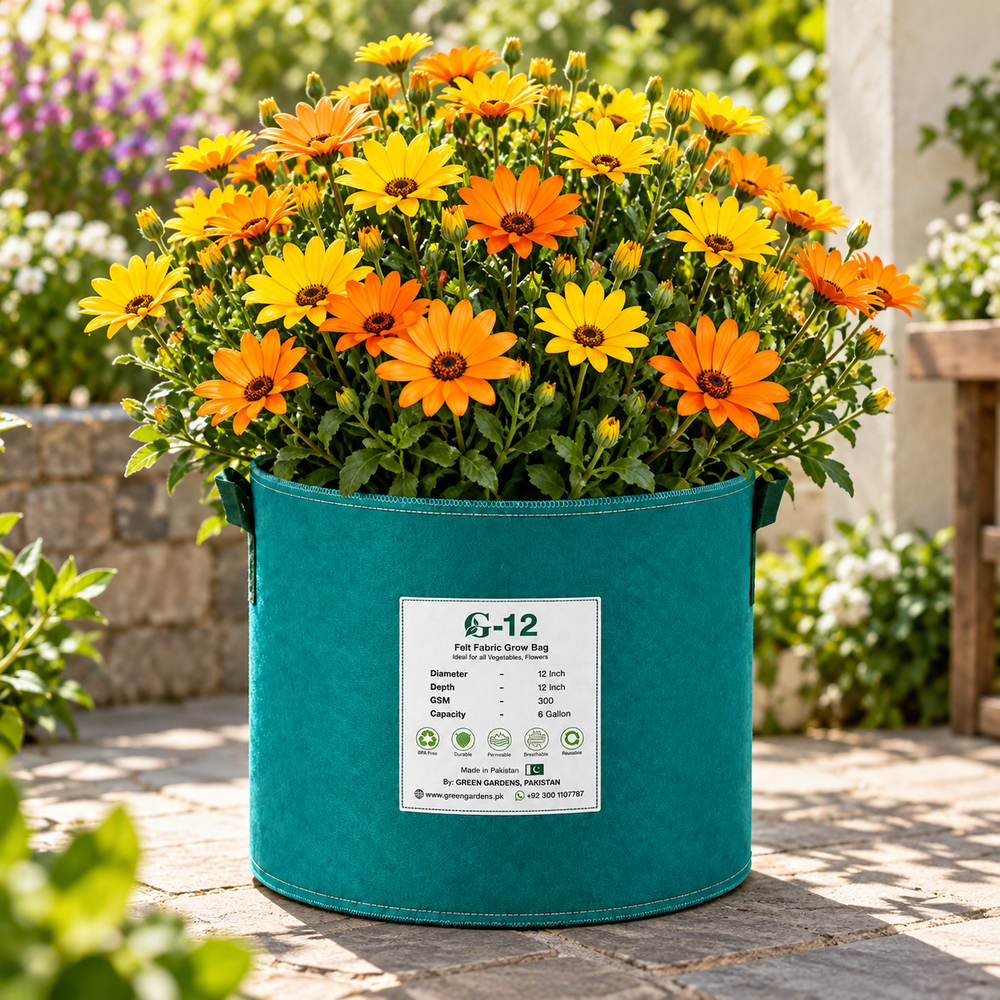
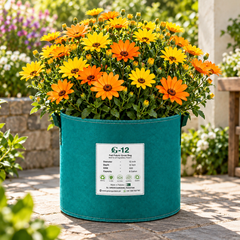
G-12 Grow Bag – 12 × 12 inch 🔗
Highly recommended for one strong, well-branched African Daisy plant.
G-24 Grow Bag – 24 × 12 inch 🔗
Excellent for growing several plants together for a colourful mass-flowering display.
Use:
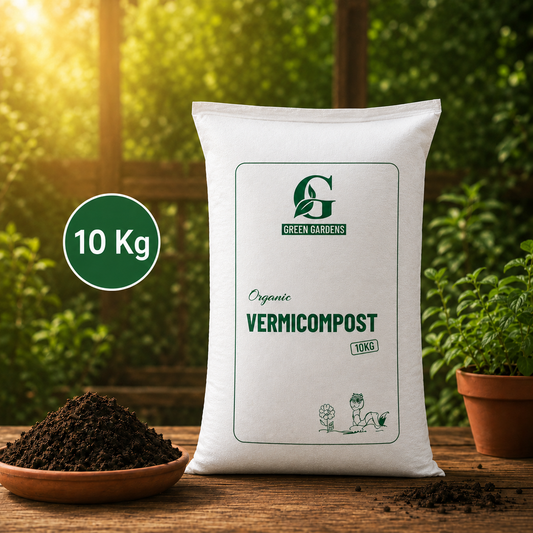
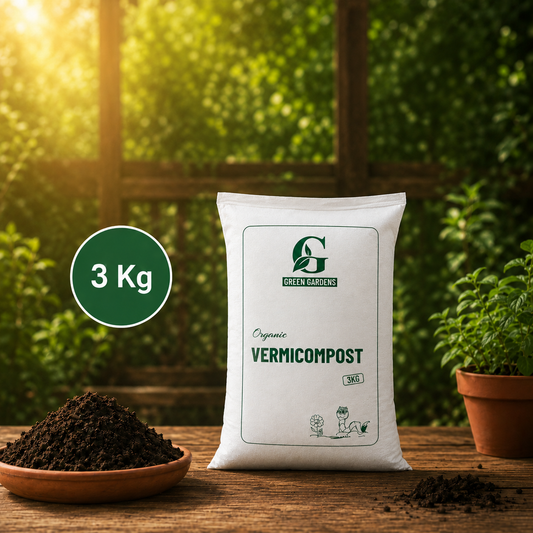
60% Bhalu Mitti / Sandy Soil + 30% GREEN GARDENS Vermicompost 🔗 + 10% Cocopeat
The soil should be:
Loose, light and very well-draining.
African Daisy naturally performs well in relatively sandy soils.
Avoid:
Too much nitrogen can encourage leafy growth at the expense of flowers.
Seeds may be sown:
Place the seeds on the prepared growing medium and cover:
Very lightly with approximately 2–5 mm of fine soil or growing medium.
Do not bury the seeds deeply.
Water gently after sowing and keep the medium:
Lightly moist until germination.
Under suitable cool-season conditions, African Daisy seeds generally germinate within approximately:
4–10 days
although germination time can vary with temperature, seed condition and growing medium.
For successful germination:
Once seedlings are established and have developed true leaves, thin or transplant as required.
Maintain approximately:
20–25 cm / 8–10 inches between plants.
Good spacing encourages:
For beds and G-24 Grow Bags, several plants can be grown together while maintaining adequate spacing.
Provide:
Full sun.
For the best flowering:
6–8 hours of direct sunlight daily is highly recommended.
African Daisy is strongly sun-loving.
Bright sunlight encourages:
African Daisy flowers are particularly responsive to light.
The flowers generally:
Open widely during bright sunny conditions.
They may:
Partially close during cloudy weather, low light or at night.
This is a natural characteristic of many Dimorphotheca-type African Daisies and should not be mistaken for a plant health problem.
During germination and early establishment:
Keep the soil lightly and consistently moist.
Once established:
Water when the upper soil layer begins to dry.
Avoid constant wetness.
African Daisy generally performs better with:
Moderate watering and excellent drainage
rather than continuously saturated soil.
At planting time, mix a moderate amount of:
into the growing medium.
Established plants may receive a light top dressing during active growth if required.
Avoid excessive feeding, particularly:
High-nitrogen fertilizer.
African Daisy can flower well even in relatively modest soil when sufficient sunlight and drainage are provided.
Depending on growing conditions and variety, plants may reach approximately:
20–40 cm in height.
Plants generally develop a:
Bushy, branching and somewhat spreading habit
that makes them especially attractive in:
African Daisy produces colourful:
Daisy-like flowers with contrasting central discs.
Expected shades within a mixed selection may include:
Orange, Yellow, White, Cream and Pink.
For Lahore and similar hot plains, autumn-sown plants generally provide flowering during:
Winter through spring.
Flowering time and duration can vary depending on:
Remove faded flowers regularly.
Deadheading helps:
If seeds are required for collection, allow selected mature flower heads to remain on the plant until seed develops.
African Daisy flowers can attract:
making them an attractive addition to:
Pollinator-friendly winter gardens.
African Daisy – Dimore is excellent for:
For a particularly impressive display:
Grow several plants together in informal groups rather than perfectly straight rows.
African Daisy is especially attractive when several plants are grown together.
A group planting can create:
A colourful carpet-like effect during peak flowering.
For larger beds, combine several plants while maintaining adequate spacing so that each plant receives:
Good sunlight and airflow.
During Lahore's winter:
For Lahore and similar hot plains, African Daisy should primarily be grown as a:
WINTER / COOL-SEASON flowering annual.
African Daisy prefers cooler growing conditions.
As temperatures rise significantly during late spring:
For this reason, in Lahore it is best used mainly for:
Winter and spring flowering displays.
G-11 Grow Bag – 11 × 10 inch 🔗
G-12 Grow Bag – 12 × 12 inch 🔗
G-24 Grow Bag – 24 × 12 inch 🔗
Thanks for subscribing!
This email has been registered!


We are here to assist you