



Best Sowing Season: October, November


- Choosing a selection results in a full page refresh.

Available 24/7 at
0300 110 7787
Pack Size: Approx. 50 seeds per pack.
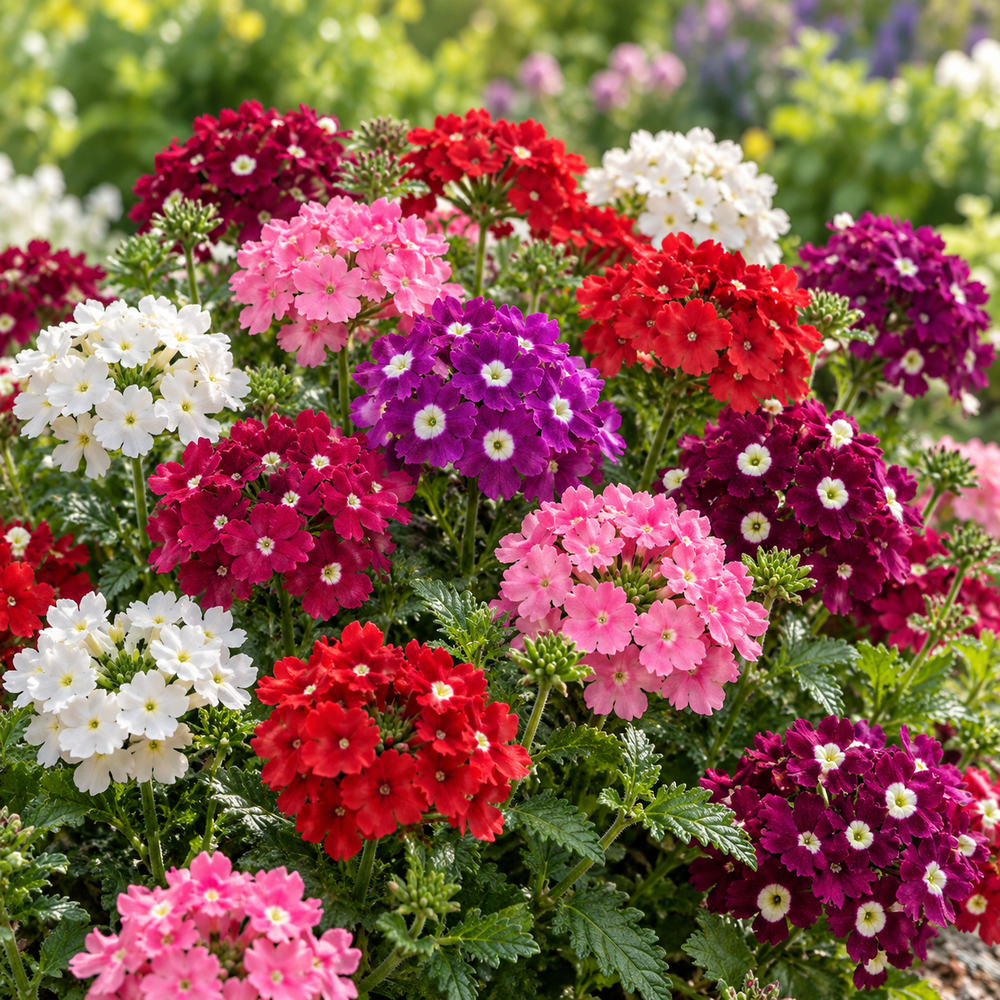
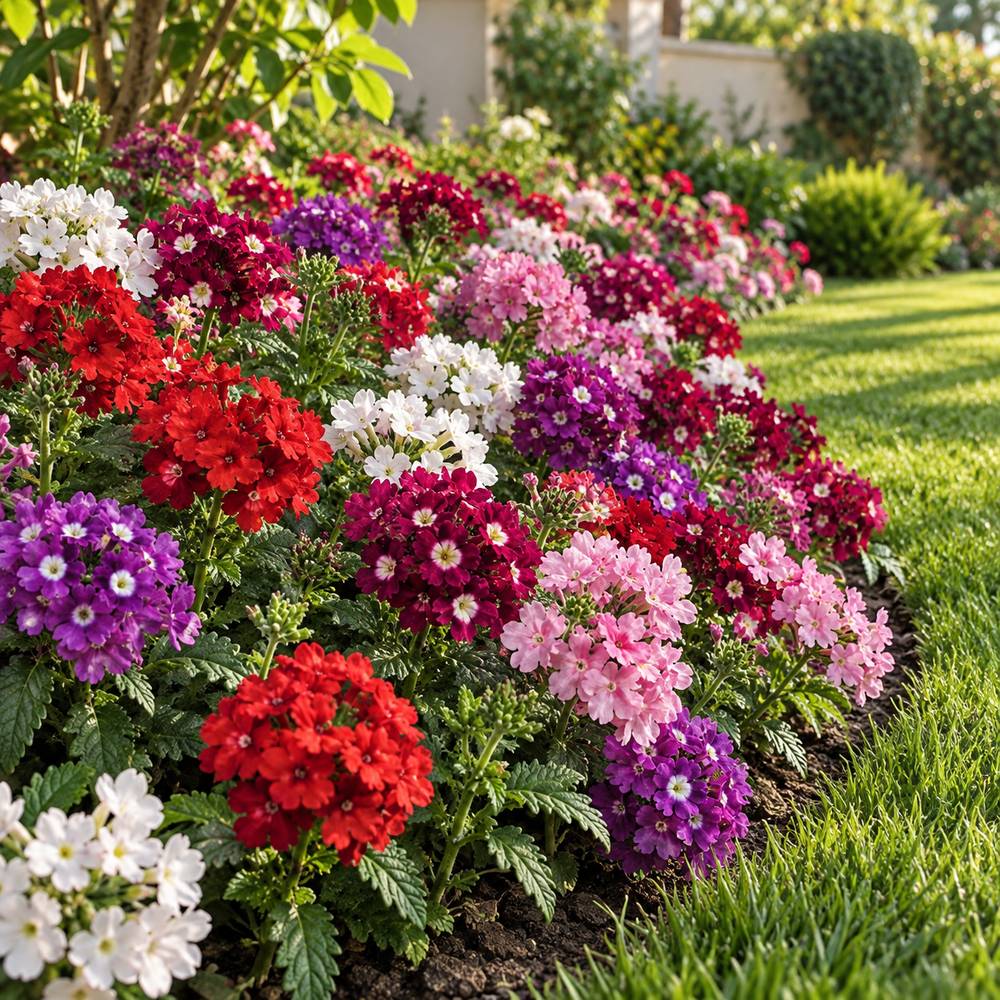
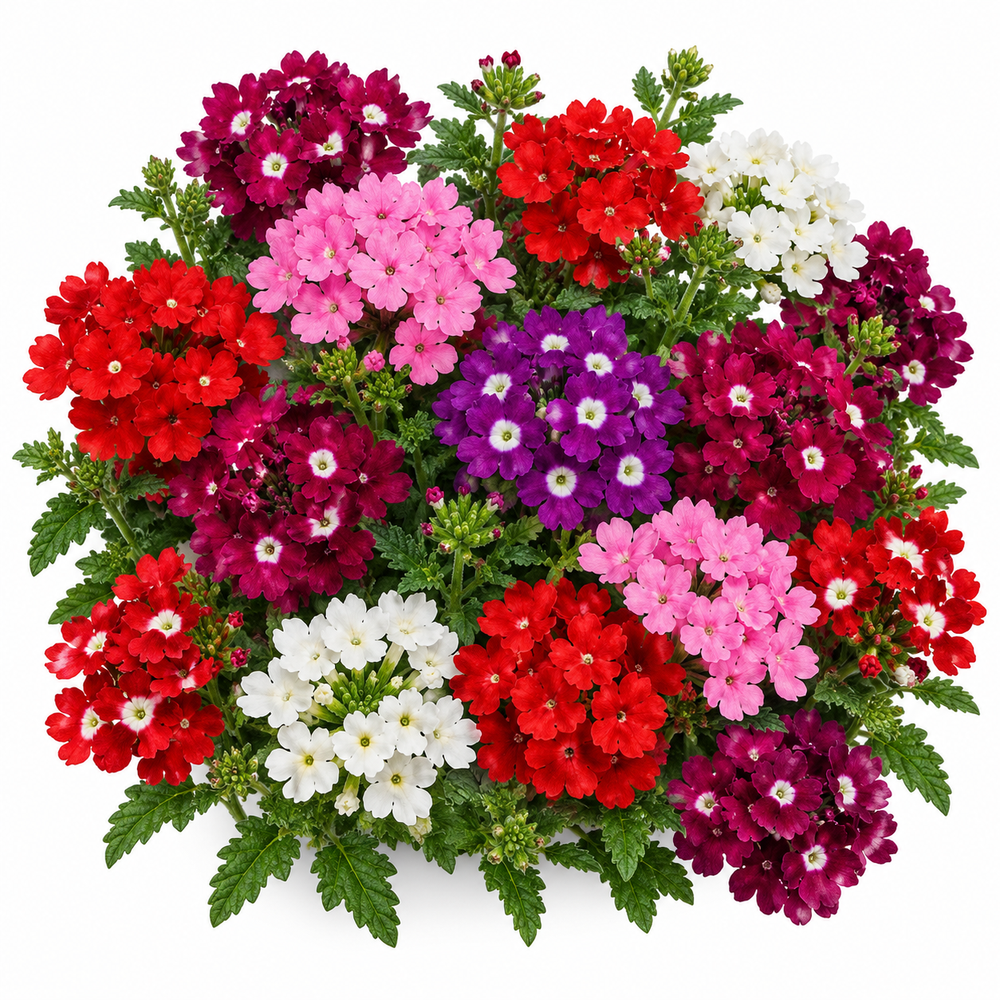
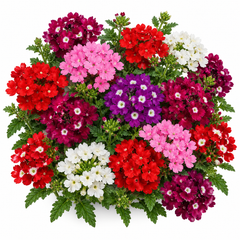
Grow colourful clusters of pink, red, purple and white Verbena flowers in beds, borders, pots and grow bags. A spreading flowering plant for sunny winter-season gardens.
Best Sowing Season in Pakistan: October, November.
🎥 Gardening Guidance: Gardening with Javed Iqbal
Best Sowing Season: October, November
Couldn't load pickup availability
Free standard shipping on orders over RS 5000
Verbena Mix brings clusters of small, colourful flowers above attractive green foliage. Its branching, spreading growth suits lawn edges, flower beds, patio containers and balcony gardens.
Often grown as a seasonal bedding plant, garden Verbena flowers best in a sunny position with freely draining soil. Autumn sowing provides plants for late-winter and spring displays, with flowering time influenced by local temperatures and growing conditions.
Botanical Name: Verbena × hybrida
Common Name: Garden Verbena
Flower Colours: Mixed shades of pink, red, purple and white
Growth Habit: Low-growing, branching and spreading
Typical Height: Approximately 20–40 cm, depending on variety and conditions
Colourful flower clusters for beds, borders and containers.
Suitable for sunny balconies, terraces and home gardens.
Flowers attract bees and butterflies.
Regular care and removal of faded flowers help maintain the display.
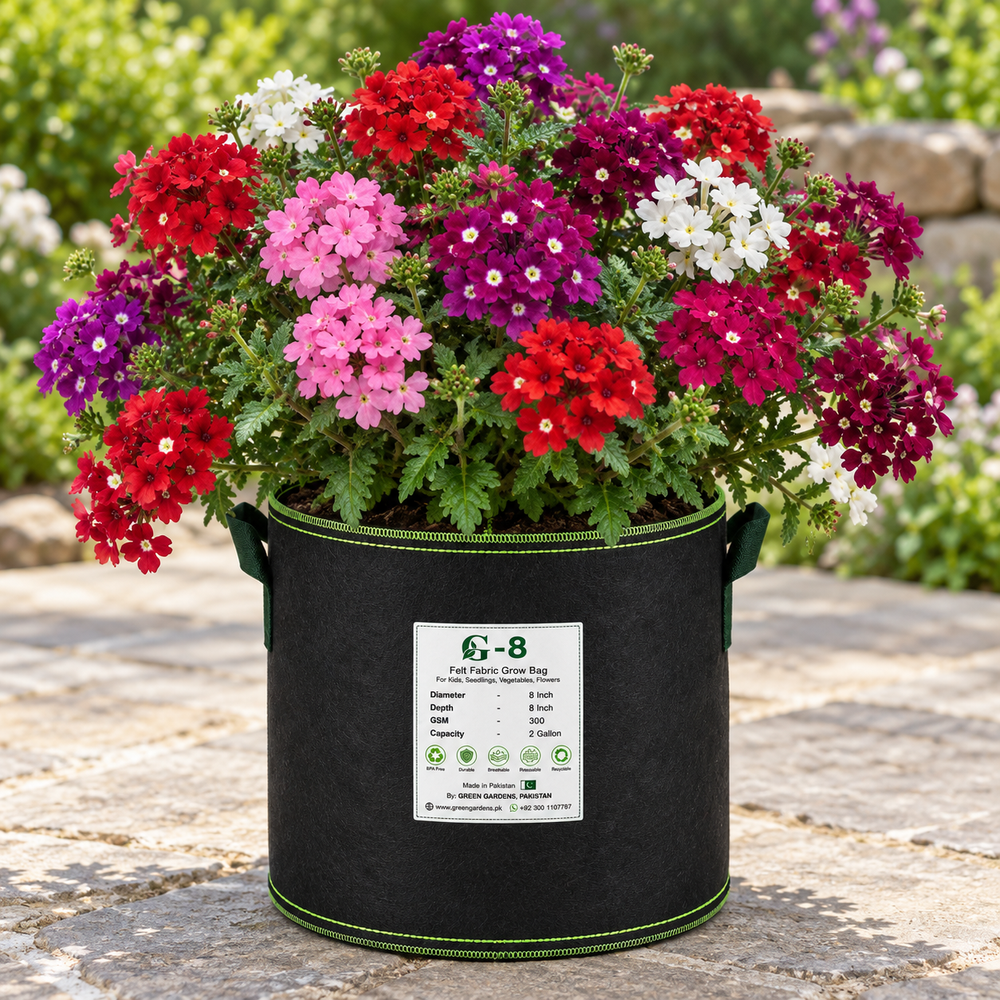
| Grow Bag | Size — Diameter × Height | Suggested Use |
|---|---|---|
| G-8 | 8 × 8 inches | One compact plant; monitor watering as the bag fills with roots. |
| G-11 | 11 × 10 inches | More root space for a fuller plant. |
| G-12 | 12 × 12 inches | A roomier container for vigorous growth and spreading stems. |
Allow plants space to branch naturally. For a mixed-colour display, grow several plants in separate bags or a suitably spaced flower bed.
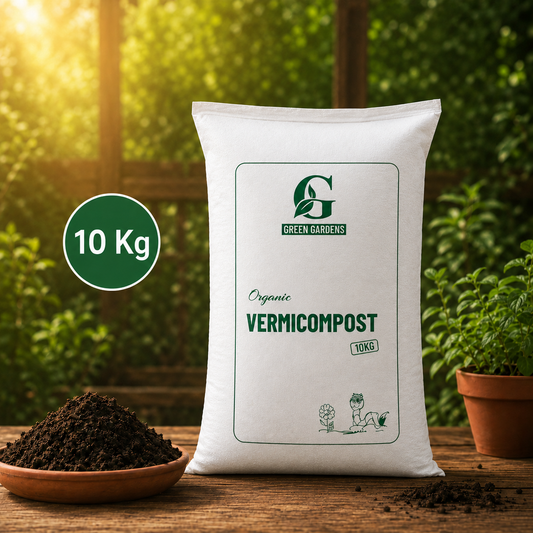
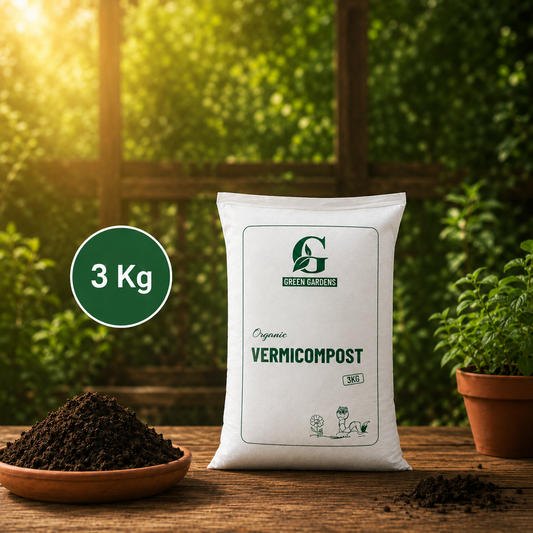
Use a fine, freely draining seed-starting mix for germination. For established plants, use an airy potting mix containing mature compost or a modest amount of vermicompost. Avoid compacted soil, fresh manure and mixtures that remain waterlogged.
Sow in October or November in a clean seed tray or small nursery pots.
Moisten the seed-starting mix before sowing. Spread seeds thinly, press gently and cover lightly with fine vermiculite. Avoid deep burial.
Keep the growing medium warm, ideally around 22–24°C, and lightly moist. Use a gentle mist or careful bottom watering.
Allow roughly 2–4 weeks for germination. Emergence may be uneven, and some seed lots take longer.
Once seedlings emerge, provide bright light and ventilation. Keep the mix moist without leaving it saturated.
Transplant when seedlings have several true leaves and roots hold the plug together. Gradually acclimatise them to outdoor sunlight, then plant at their original growing depth.
Space plants approximately 10–12 inches (25–30 cm) apart in beds. Allow additional room for vigorous spreading plants and maintain airflow between them.
Provide at least 6 hours of direct sunlight daily for strong growth and good flowering. Introduce nursery seedlings to direct sun gradually.
Water gently while seedlings establish. Afterwards, water thoroughly when the surface of the growing mix begins to dry, allowing excess water to drain. Check small grow bags more frequently and avoid leaving containers standing in water.
Once plants are established, container-grown Verbena benefits from a fertiliser suitable for flowering plants, used at the label rate and frequency. Avoid excessive nitrogen, which can encourage leafy growth at the expense of flowers.
If young plants become leggy, lightly pinch the growing tips above a leaf pair to encourage branching. Naturally bushy plants may not need pinching.
With October–November sowing, expect flowering as plants mature through late winter and spring in suitable plains conditions. Timing and duration depend on the variety, sunlight, temperatures and plant care.
Remove faded flower clusters just above a healthy leaf pair. Lightly trim straggly stems when needed to keep plants compact and encourage fresh growth.
Check new shoots and leaf undersides for aphids and spider mites. Remove small infestations with a gentle water spray. If treatment is needed, use a product labelled for the identified pest and ornamental plants, following its directions.
Good drainage and airflow help reduce problems. Avoid overcrowding and prolonged wetness around the roots. Remove badly affected foliage and faded flowers; watch for powdery mildew, grey mould and root rot.
This is a mixed-colour seed selection. Individual plants usually produce their own flower colour; one plant should not be expected to carry every colour shown in the images. The colour balance, plant size and flowering density vary with the seed mix and growing conditions.
Thanks for subscribing!
This email has been registered!