


Best Sowing Season: February, March & October - December


- Choosing a selection results in a full page refresh.

Available 24/7 at
0300 110 7787
Pack Size: Approx. 40–50 seeds per pack.
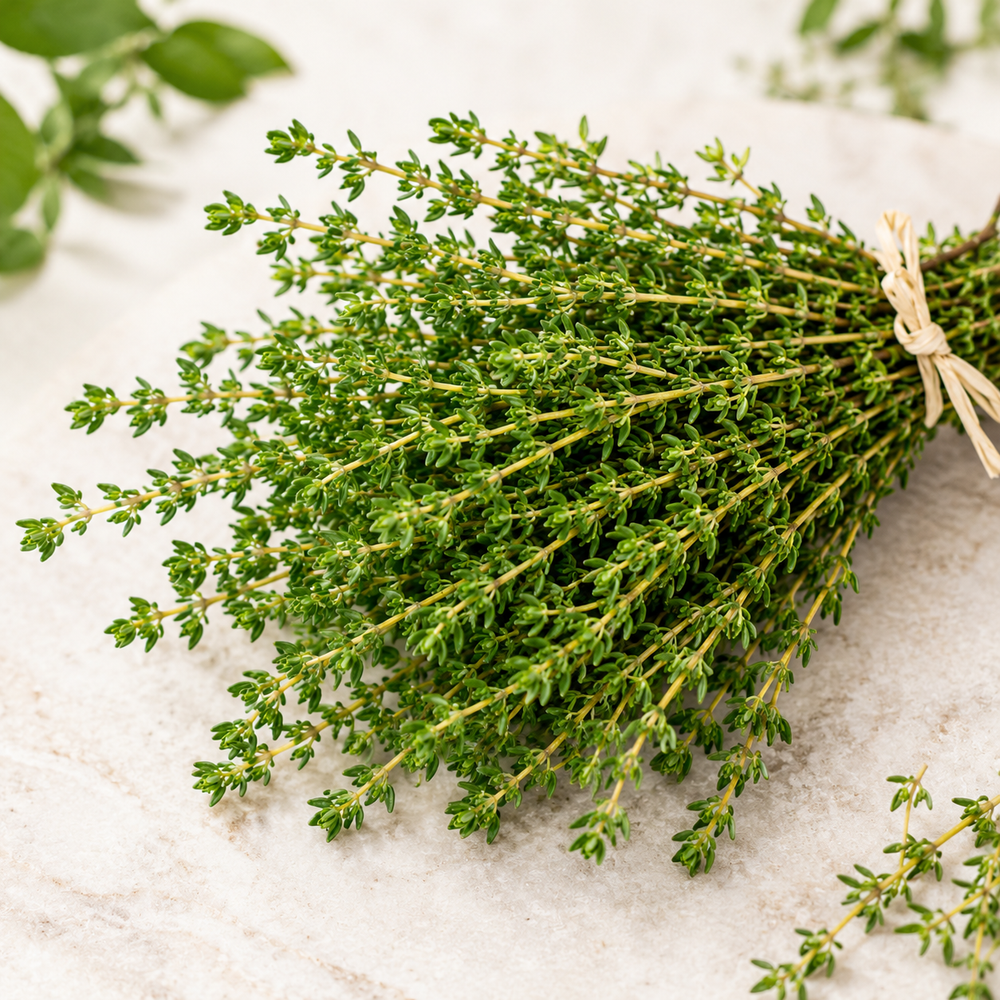
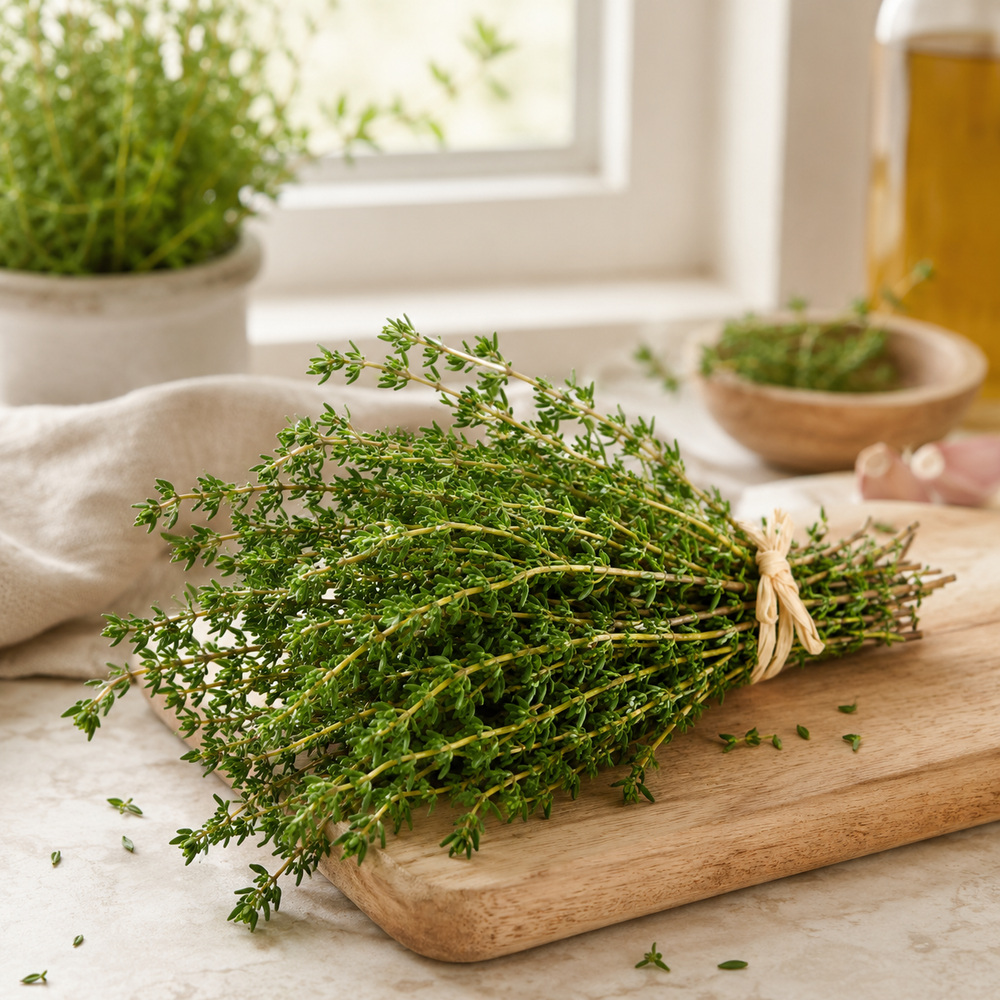
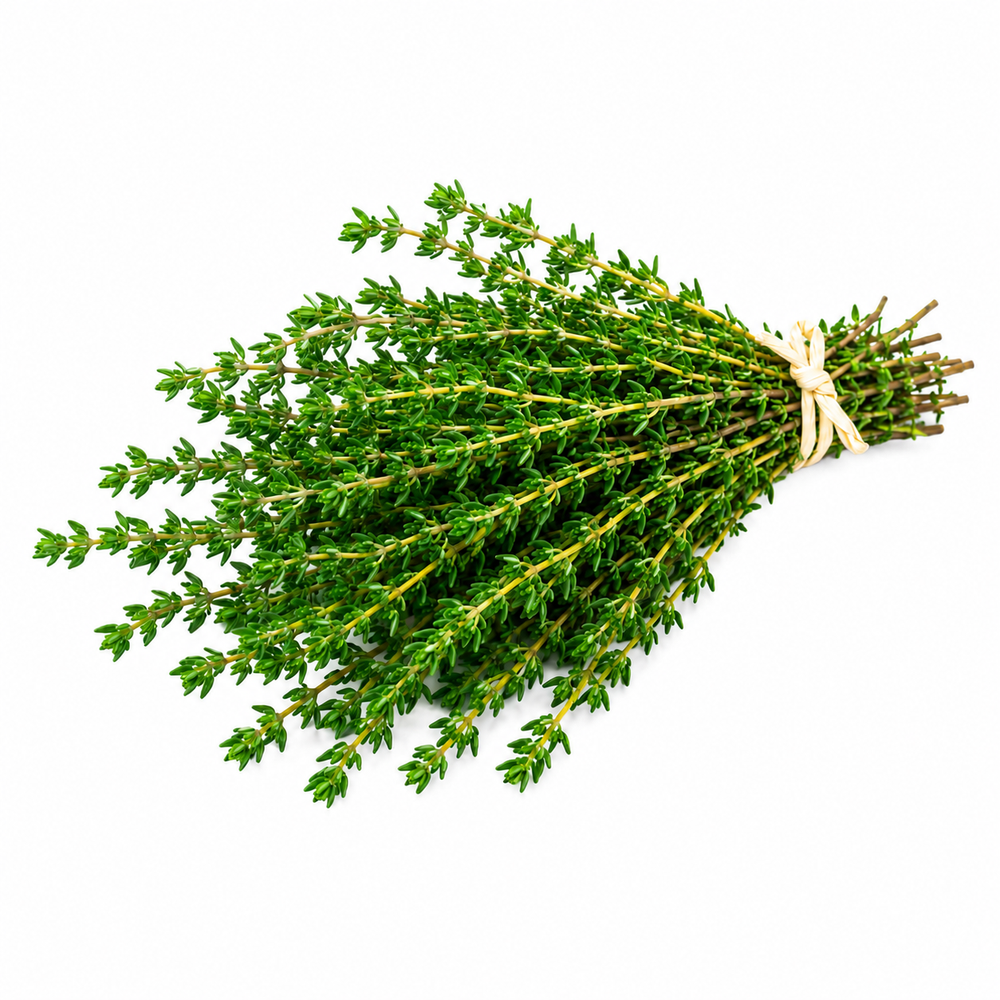
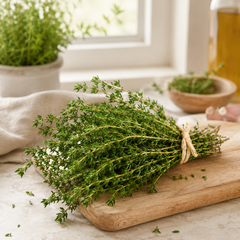
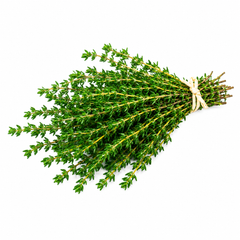
Grow fragrant Thyme at home from seeds. This compact aromatic herb produces small leaves with a distinctive savoury fragrance and is widely used in Mediterranean-style cooking, seasoning blends and home herb gardens.
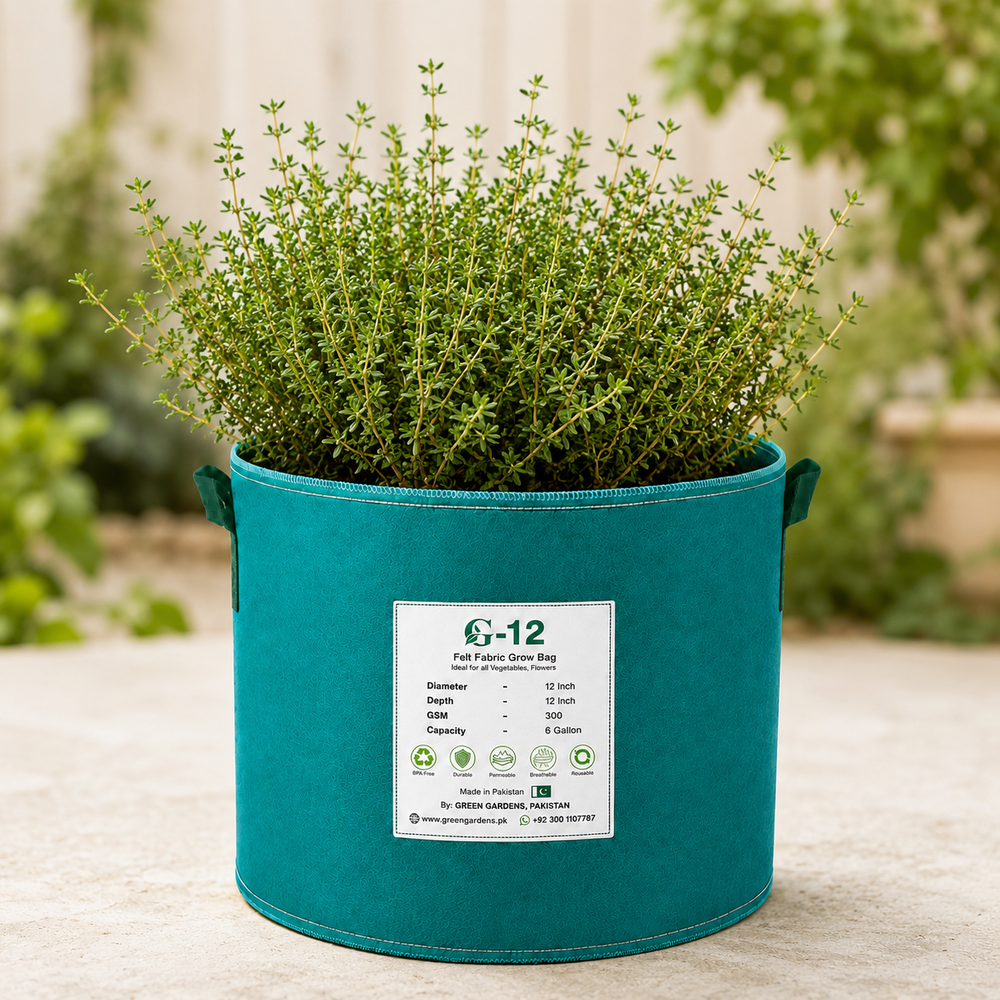
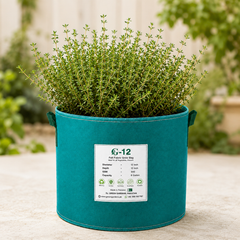
Ideal for kitchen gardens, pots and GREEN GARDENS Grow Bags. Thyme prefers a loose, well-drained growing medium and should not remain continuously wet.
Germination Time: 14–28 days
Suitable Temperature: 15°C–28°C
Best Sowing Season: February, March & October - December
Couldn't load pickup availability
Free standard shipping on orders over RS 5000
Thyme is a compact perennial aromatic herb valued for its small fragrant leaves and strong culinary flavour.
Plants develop many fine stems and can form a dense, bushy habit when regularly pinched and harvested. Once established, thyme generally prefers sunnier and slightly drier conditions than moisture-loving herbs such as mint.
Thyme leaves can be used in:
Fresh leaves can be used directly, while harvested sprigs may also be dried for later use.
G-11 Grow Bag – 11 × 10 inch
Suitable for a compact group of thyme plants.
G-12 Grow Bag – 12 × 12 inch
Provides additional root space for a fuller herb planting.
G-24 Grow Bag – 24 × 12 inch
Suitable for a wider herb bed or mixed culinary herb planting.
For Thyme, use a loose and well-drained growing medium.
A practical GREEN GARDENS mix is:
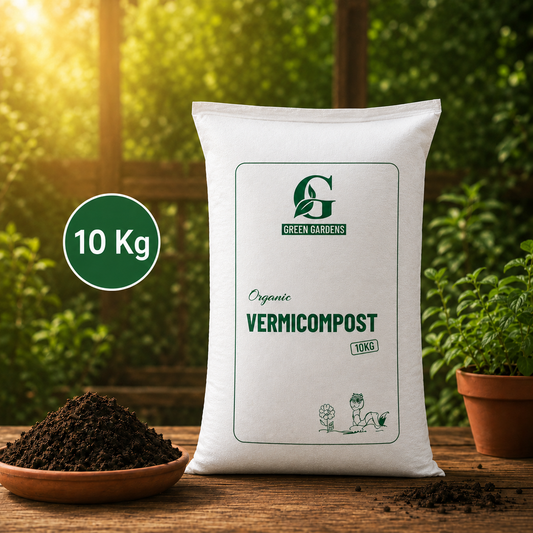
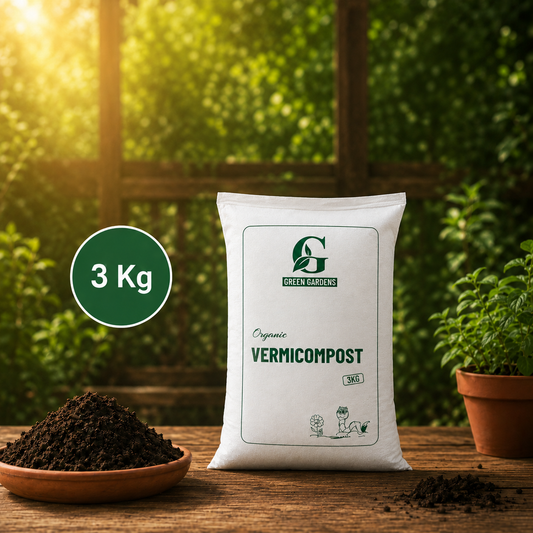
50% Vermicompost + 50% Bhalu Mitti (Sandy Soil)
Mix thoroughly before sowing or transplanting.
The growing medium should be:
Because thyme naturally prefers leaner, freely draining conditions, avoid excessive feeding after the plants are established.
1. Prepare the Growing Medium
Mix 50% Vermicompost + 50% Bhalu Mitti thoroughly and prepare a fine, level surface.
2. Sow the Seeds
Scatter the small seeds thinly over the surface.
Press gently into the soil and cover with only a very light layer of fine soil, around 2–3 mm.
3. Water Carefully
Use a fine mist so the seeds are not displaced.
Keep the surface lightly moist during germination.
4. Germination
Seeds generally germinate within 14–28 days under suitable conditions.
Thyme may germinate gradually, so maintain steady moisture without overwatering.
5. Light Requirements
Once established, provide around 6 or more hours of sunlight daily.
Good light encourages compact growth and aromatic foliage.
6. Thin the Seedlings
Remove weak or overcrowded seedlings once several true leaves have developed.
7. Transplanting
If started in trays, transplant carefully once seedlings are sturdy enough to handle.
8. Plant Spacing
Maintain approximately 20–25 cm between plants for good airflow and branching.
9. Watering
Water when the upper soil begins to dry.
Established thyme generally prefers slightly drier conditions than mint, celery or leafy vegetables.
10. Feeding
The recommended growing medium already contains Vermicompost.
Avoid heavy or frequent fertilizer applications, as excessive feeding can encourage soft leafy growth.
11. Pinching & Pruning
Pinch growing tips periodically to encourage a compact, bushy plant.
Trim back long or woody stems lightly when required.
12. Harvesting
Harvest tender sprigs once plants are well established.
Cut above a leafy node and avoid removing too much of the plant at one time.
Regular light harvesting encourages fresh branching.
Thanks for subscribing!
This email has been registered!