






Best Sowing Season: September - November & February – March


- Choosing a selection results in a full page refresh.

Available 24/7 at
0300 110 7787
Pack Size: 10 seeds per pack.
Source Company: Franchi Sementi
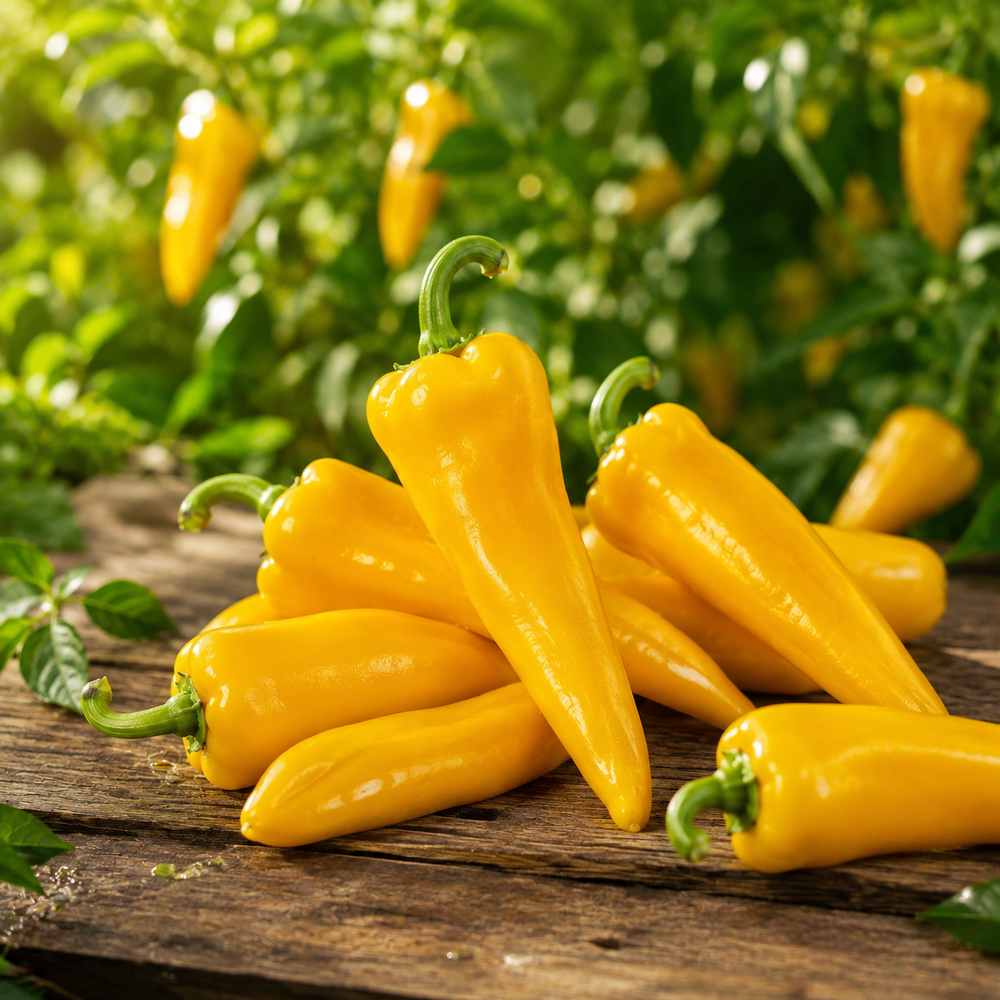
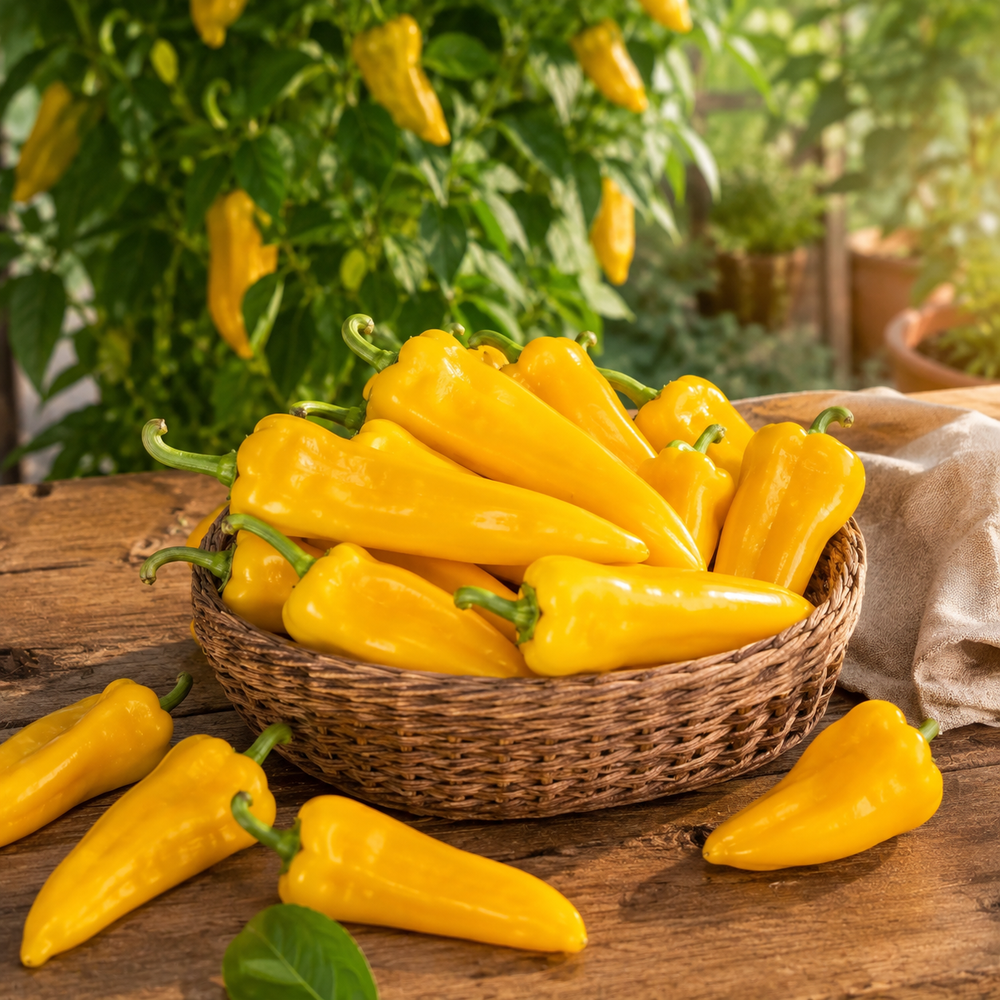
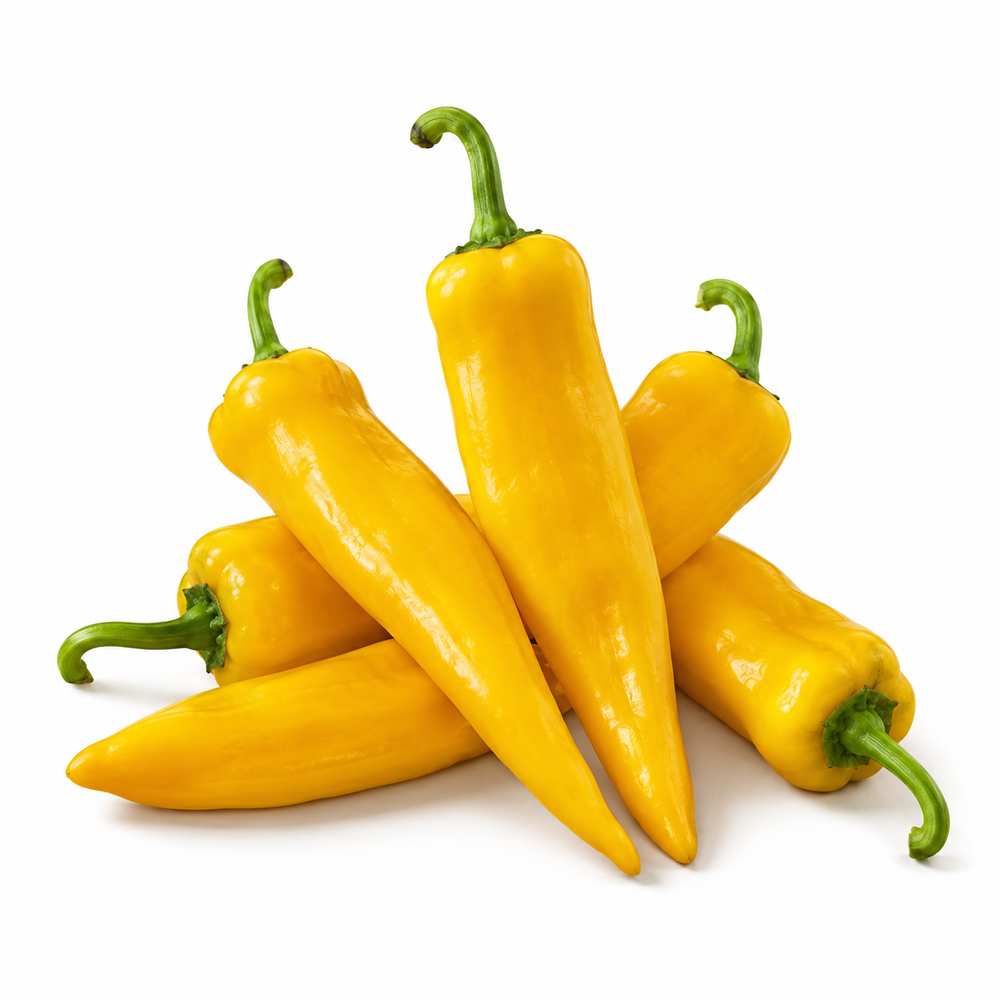
Grow beautiful Italian Golden Yellow Sweet Peppers, featuring glossy golden-yellow fruits with thick, juicy flesh and a deliciously sweet, mild flavour.
Perfect for fresh salads, stuffing, grilling, roasting and everyday cooking. Ideal for winter and summer kitchen gardens, raised beds and GREEN GARDENS grow bags.
Germination Time: 7–14 days
Ideal Germination Temperature: 25–30°C
Growing Guide Video: Gardening with Javed Iqbal
Best Sowing Season: September - November & February – March
Couldn't load pickup availability
Free standard shipping on orders over RS 5000
Italian Golden Yellow Sweet Pepper (Capsicum annuum) produces attractive golden-yellow peppers with sweet, juicy flesh.
Sow seeds approximately 0.5–1 cm deep in fertile, well-draining soil. Maintain warmth and consistent moisture for successful germination.
Botanical Name: Capsicum annuum
Variety Name: Italian Golden Yellow
Common Name: Italian Golden Yellow Sweet Pepper
Plant Family: Solanaceae
Plant Type: Warm-Season Vegetable
Fruit Colour: Green, Turning Golden Yellow at Maturity
Fruit Shape: Varies by Seed Selection
Fruit Flesh: Fleshy, Crisp and Juicy
Flavour: Sweet, Mild and Fruity
Heat Level: Sweet / Non-Spicy
Growth Habit: Upright and Bushy
Plant Height: Approximately 60–90 cm
Sunlight: Full Sun
First Harvest: Approximately 65–90 days after transplanting
G-11 Grow Bag – 11 × 10 inch – 1 plant with careful watering and feeding; larger bags are preferable for mature plants.
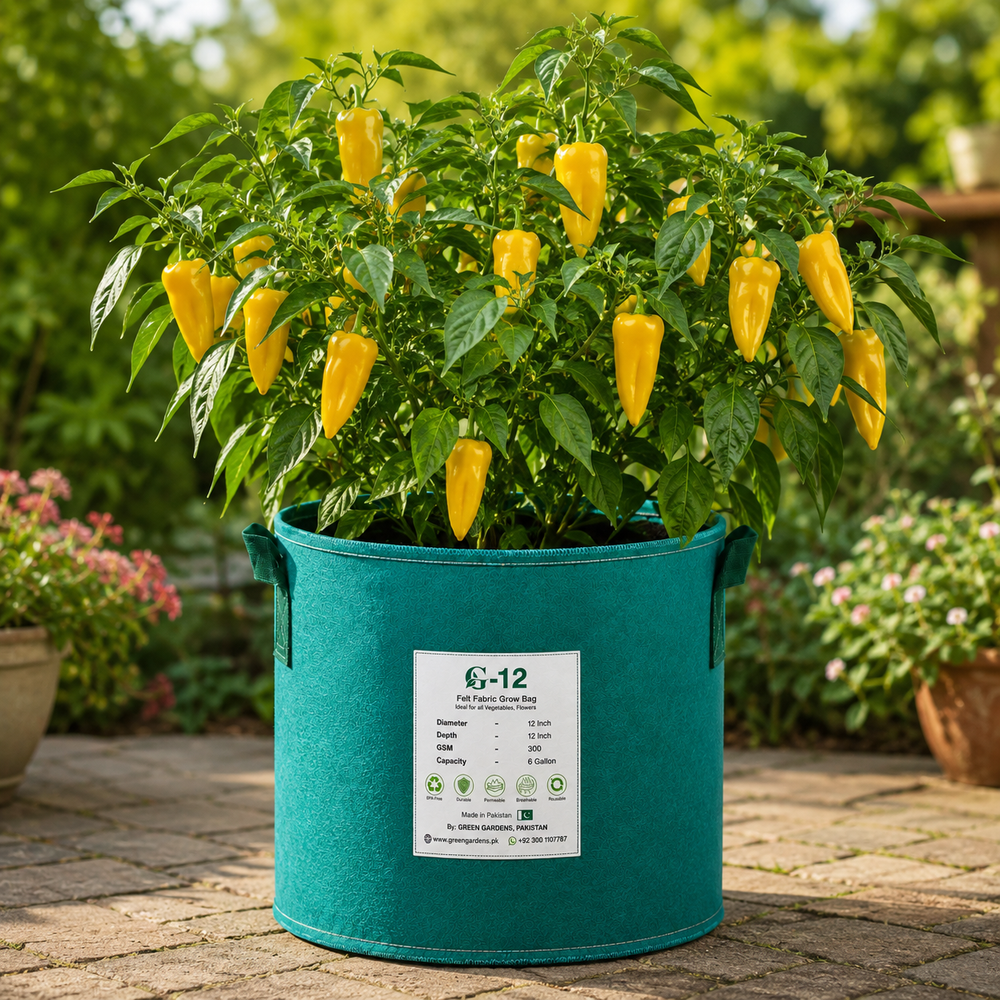
G-12 Grow Bag – 12 × 12 inch – 1 mature plant, suitable for regular fruit harvesting.
G-20 F Grow Bag – 20 × 16 inch – 1–2 mature plants with adequate spacing and support.
G-24 F Grow Bag – 24 × 18 inch – 2–3 plants with sufficient spacing, feeding and support.
Larger grow bags provide better root development and more stable moisture conditions.
50% Bhalu Mitti / Garden Soil + 30% GREEN GARDENS Vermicompost + 20% Cocopeat.
Use fertile, loose and well-draining soil enriched with organic matter.
Suitable Soil pH: Approximately 6.0–7.0.
Maintain consistent moisture without waterlogging.
Method: Nursery trays recommended
Sowing Depth: Approximately 0.5–1 cm
Germination: 7–14 days
Ideal Germination Temperature: 25–30°C
Seeds per Cell: 1–2 seeds
Transplanting: When seedlings develop 4–6 true leaves and are well established
Plant Spacing: Approximately 40–50 cm
Row Spacing: Approximately 60–75 cm
Watering: Keep growing medium evenly moist
Support: Stakes or plant supports recommended
Transplant seedlings when outdoor temperatures are favourable and the risk of frost has passed.
Avoid disturbing the roots during transplanting.
Sunlight: Full sun, preferably 6–8 hours daily.
During extreme summer heat in Lahore and similar regions, provide light afternoon shade to reduce flower drop and sunscald.
Watering: Water regularly to maintain even soil moisture, particularly during flowering and fruit development.
Avoid prolonged dryness, irregular watering and waterlogging.
Consistent moisture and adequate calcium uptake help reduce the risk of blossom-end rot.
Germination: Approximately 7–14 days
Seedling Development: Approximately 6–8 weeks
First Green Fruit Harvest: Approximately 60–75 days after transplanting
Fully Yellow Fruit Harvest: Approximately 75–95 days after transplanting
Immature Fruit Colour: Green
Mature Fruit Colour: Golden Yellow
Fruit Flesh: Crisp, Fleshy and Juicy
Flavour: Sweet and Mild
Harvesting Method: Cut mature fruits using clean scissors or pruning shears
Harvesting Frequency: Repeated harvesting during suitable growing conditions
Harvest peppers at the green stage or allow them to ripen fully golden yellow for their characteristic colour and sweetness.
Avoid pulling fruits directly from the branches.
Regular harvesting encourages further fruit development when growing conditions remain favourable.
Source Company: Franchi Sementi
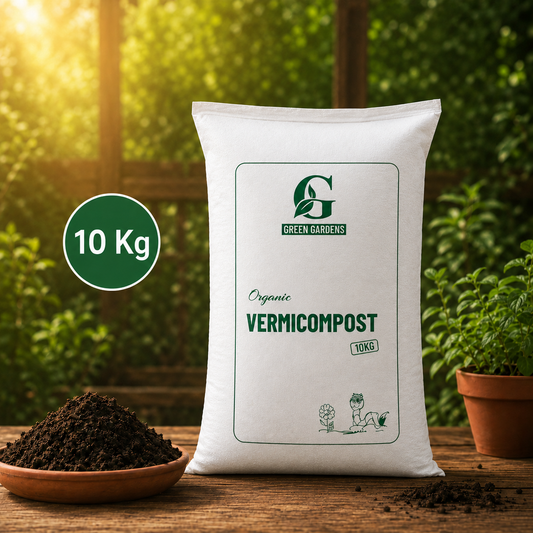
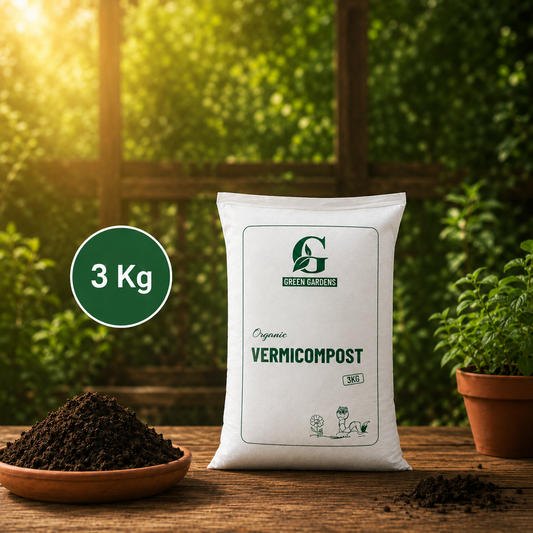
Mix GREEN GARDENS Vermicompost into the soil before transplanting.
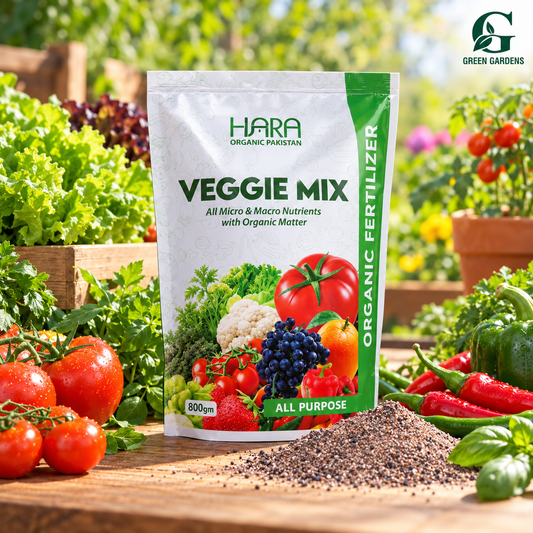
Apply balanced nutrition during early vegetative growth.
During flowering and fruiting, provide adequate potassium, calcium and other essential nutrients.
Additional vermicompost may be applied when necessary.
Avoid excessive nitrogen fertilization, which can encourage excessive foliage growth and reduce fruit production.
Thanks for subscribing!
This email has been registered!