




Best Sowing Season: February – April


- Choosing a selection results in a full page refresh.

Available 24/7 at
0300 110 7787
Pack Size: 100 g
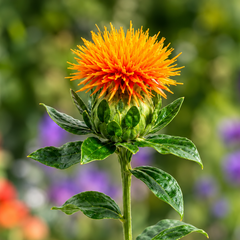
Grow Safflower (Carthamus tinctorius), also known as False Saffron, a hardy warm-season plant producing attractive yellow, orange to reddish flower heads.
Traditionally valued as an oilseed and dye plant, Safflower is also grown ornamentally for its colourful flowers and distinctive upright growth.
Germination Time: Approximately 7–14 days
Ideal Temperature: 18–25°C
Growing Guide Video: Gardening with Javed Iqbal
Best Sowing Season: February – April
Couldn't load pickup availability
Free standard shipping on orders over RS 5000
Safflower (Carthamus tinctorius) is an upright, branching annual valued for its colourful flower heads and oil-rich seeds. Its flowers may range from yellow and orange to deeper reddish tones as they mature.
It is suitable for home gardens, field-style planting, educational gardens and large containers.
Botanical name: Carthamus tinctorius
Common names: Safflower, False Saffron
Pack Size: 100 g
Warm-season annual
Yellow, orange to reddish flower heads
Upright, branching growth
Oil-rich seeds
Traditionally used as a dye plant
Full sun
Heat and drought tolerant once established
Suitable for garden beds and open-ground planting
Can be grown in large containers
Good choice for dry, sunny locations
No trellis required
SUMMER crop
Suitable for growing a small group of Safflower plants.
Recommended where greater soil volume and root depth are desired.
Use:
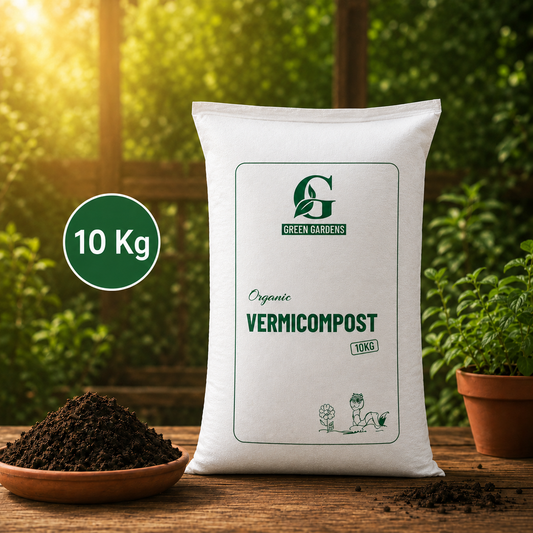
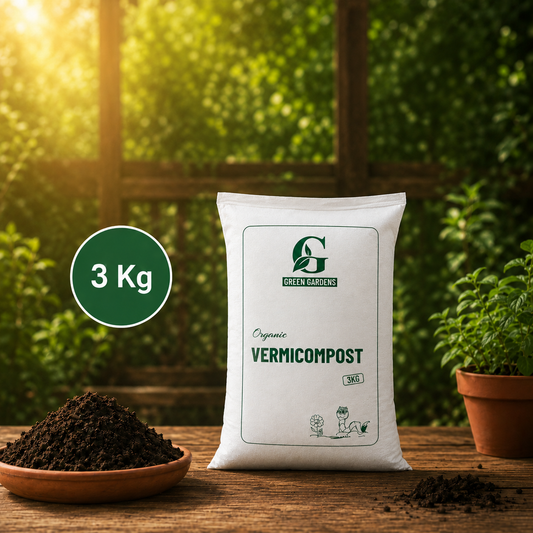
60% Bhalu Mitti / Garden Soil + 30% GREEN GARDENS Vermicompost + 10% Cocopeat
Use a loose, moderately fertile and well-draining growing medium.
Avoid heavy compact soil and continuous waterlogging.
Sow seeds directly into prepared beds, pots or grow bags.
Sow approximately:
2–3 cm deep
Keep the soil lightly moist until germination.
Safflower develops a strong root system and generally performs best with minimal root disturbance, so direct sowing is preferred.
7–14 days
For best results:
Sow in warm soil
Maintain light, even moisture
Provide good drainage
Avoid overwatering
Provide strong sunlight after emergence
Maintain approximately:
20–30 cm / 8–12 inches between plants
to allow good branching and airflow.
Provide:
Full sun — preferably 6–8 hours or more of direct sunlight daily.
Water regularly while young plants are establishing.
Once established, Safflower is relatively drought tolerant.
Allow the upper soil layer to dry between watering and avoid waterlogging.
Safflower develops an upright, branching growth habit with flower heads forming at the ends of stems.
Flowers typically open in shades of yellow to orange and may deepen towards reddish tones as they mature.
The plant later produces seeds that are widely valued for their oil content.
Mix GREEN GARDENS Vermicompost into the soil before sowing.
Moderate feeding is sufficient.
Avoid excessive nitrogen fertilizer, which may encourage leafy growth at the expense of flowering and seed production.
Thanks for subscribing!
This email has been registered!


We are here to assist you