




Best Sowing Season: February, March and October - December


- Choosing a selection results in a full page refresh.

Available 24/7 at
0300 110 7787
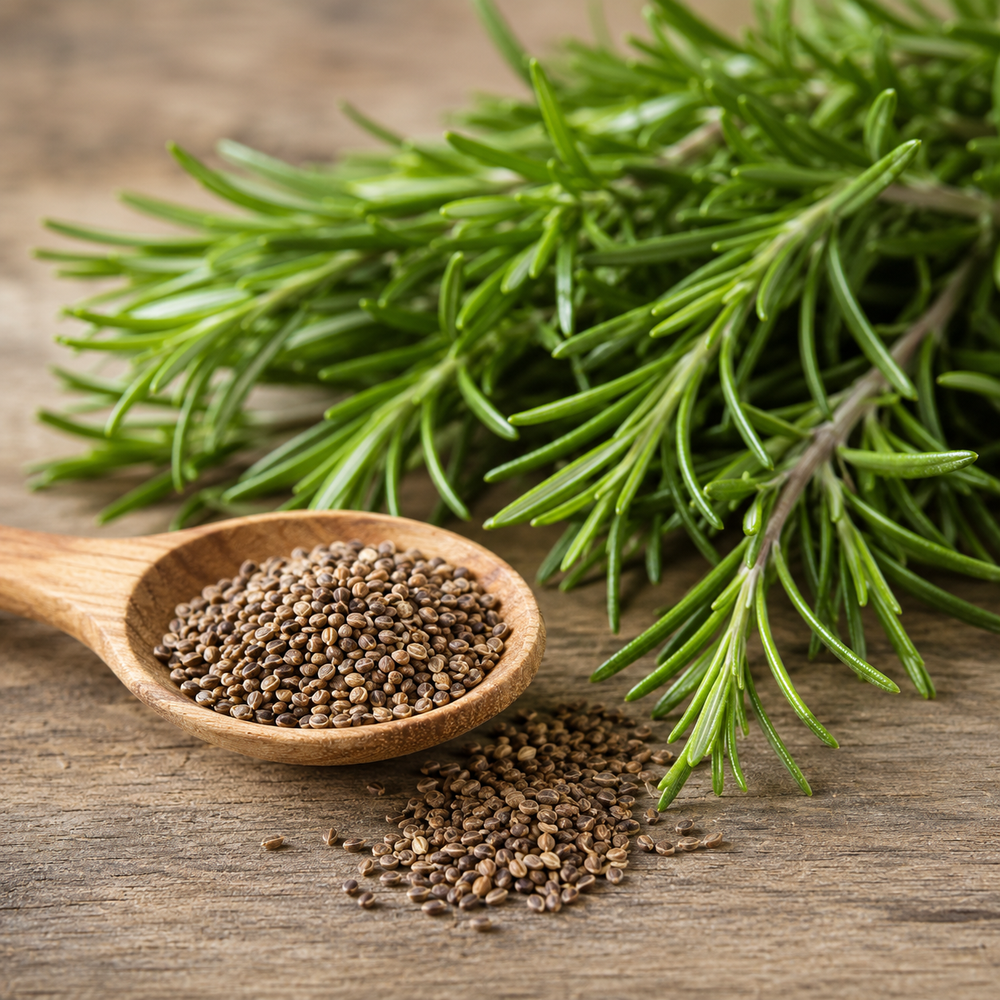
Pack Size: Approx. 20 seeds per pack.
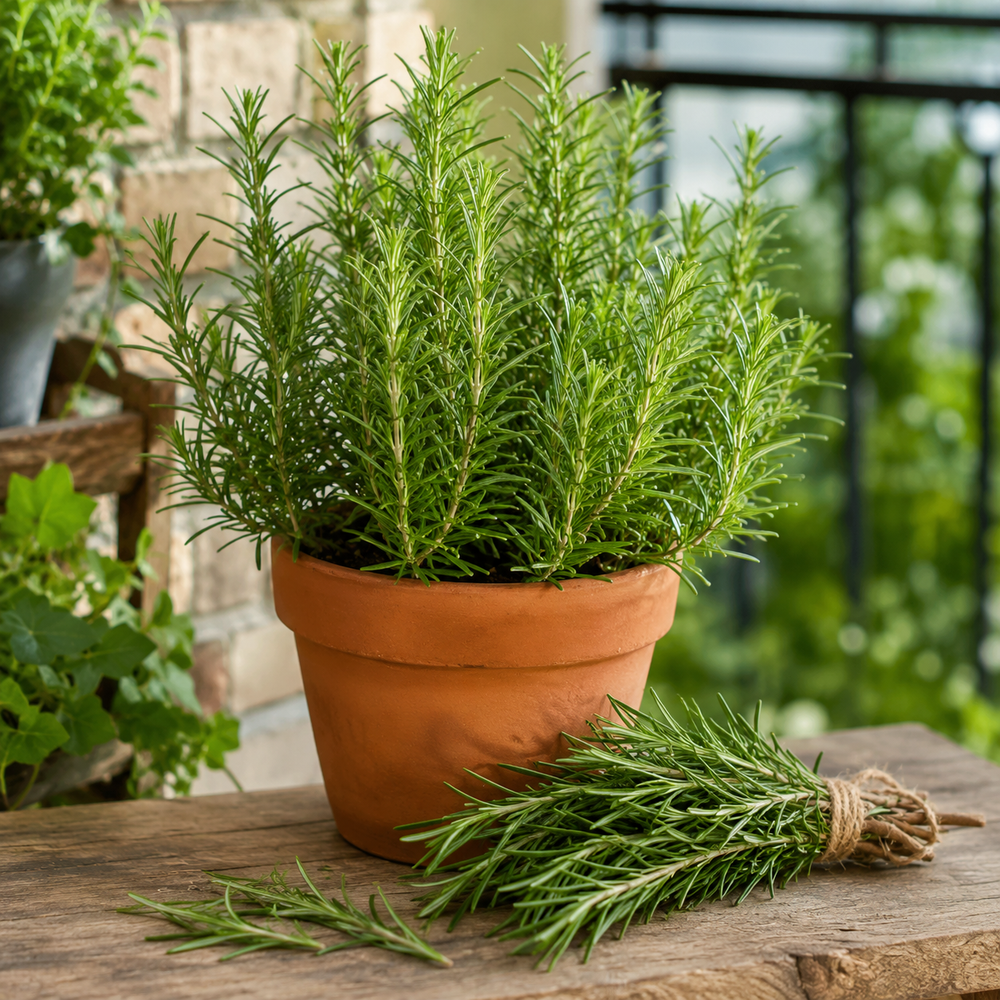
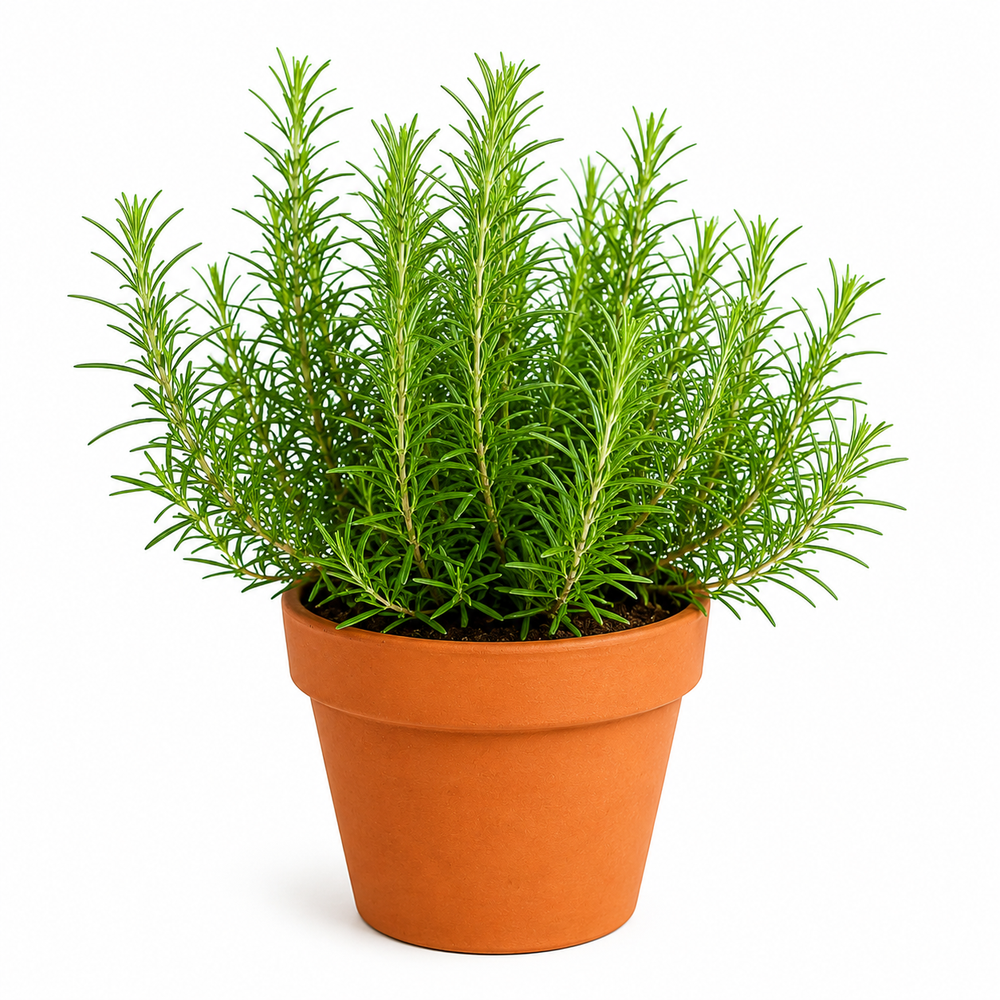
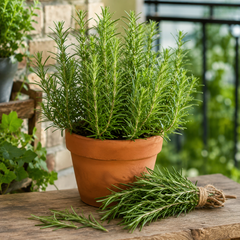
Grow fresh and aromatic Rosemary at home from seeds. Rosemary is a popular evergreen culinary herb known for its needle-like leaves, strong fragrance and rich flavour.
Ideal for kitchen gardens, raised beds, pots and grow bags. Once established, rosemary can be harvested repeatedly for fresh culinary use.
Germination Time: 14–30 days
Suitable Temperature: 15°C–28°C
Best Sowing Season: February, March and October - December
Couldn't load pickup availability
Free standard shipping on orders over RS 5000
I'm impressed with the quality of seeds. Germination rates were about 90% and it is excellent, and the seedlings are healthy. The packaging was neat, instructions were clear. Overall, happy with my purchase and would recommend!
Rosemary is a highly aromatic evergreen herb valued for its distinctive fragrance, narrow needle-like leaves and strong culinary flavour.
Botanically known as Salvia rosmarinus, rosemary develops upright woody stems with dense green foliage and can grow into a long-lived perennial shrub when provided with suitable conditions.
It is an excellent choice for kitchen gardens, herb gardens, raised beds, containers and grow bags.
The leaves can be harvested fresh and used in a wide variety of savoury dishes.
Fresh or dried rosemary leaves can be used in:
Because rosemary has a strong aroma and flavour, it is generally used in moderate quantities.
Rosemary can be grown successfully in GREEN GARDENS felt grow bags.
Recommended sizes:
Mix: 50% Vermicompost and 50% Bhalu Mitti / Sandy Soil
Break any large soil lumps and mix thoroughly.
Fill the seed tray or container lightly without compacting the mix.
2. Sow the Seeds
Sow rosemary seeds approximately:
0.5 cm deep
Cover with only a thin layer of fine soil.
Avoid deep sowing because rosemary seeds are relatively small and may germinate poorly when buried too deeply.
3. Water Gently
Water after sowing using a fine mist or gentle shower.
Keep the upper soil layer slightly moist during germination.
Do not keep the growing medium continuously wet.
4. Germination
Expected germination:
14–30 days
Recommended temperature:
15°C–28°C
Rosemary may germinate slowly and unevenly, so continue maintaining appropriate moisture throughout the germination period.
5. Provide Good Light
Once seedlings emerge, provide plenty of bright light.
Established rosemary performs best in:
Full sun
Aim for approximately:
6–8 hours of sunlight per day
Good sunlight helps produce compact growth and aromatic foliage.
6. Thin the Seedlings
Once seedlings have developed several true leaves, remove weak or overcrowded plants.
Keep the healthiest seedlings for further growth.
7. Transplanting
Transplant once seedlings are strong enough to handle and have developed a healthy root system.
Suitable final containers include:
Handle the young root system carefully during transplantation.
8. Watering
Rosemary prefers moderate watering and good drainage.
Water when the top layer of soil begins to dry.
Avoid permanently soggy soil.
Once established, rosemary generally tolerates slightly drier conditions better than excessive moisture.
9. Fertilization
Rosemary does not require heavy feeding.
The vermicompost included in the recommended potting mix provides useful organic nutrition.
Additional vermicompost may be applied lightly around established plants if required.
Avoid excessive nitrogen fertilizer because it may encourage soft, weak growth.
Regular light pruning helps maintain:
Use a clean, sharp gardening pruner to trim fresh rosemary shoots and maintain a compact, bushy plant.
Do not remove too much woody growth at one time.
Begin harvesting once the plant has developed enough healthy branches.
Cut fresh young sprigs as required.
Avoid removing more than approximately one-third of the plant at one time.
Regular light harvesting encourages continued new growth.
Rosemary is ideal for:
Franchi Sementi
Thanks for subscribing!
This email has been registered!