


Best Sowing Season: March–June


- Choosing a selection results in a full page refresh.

Available 24/7 at
0300 110 7787
Pack Size: 12 Seeds
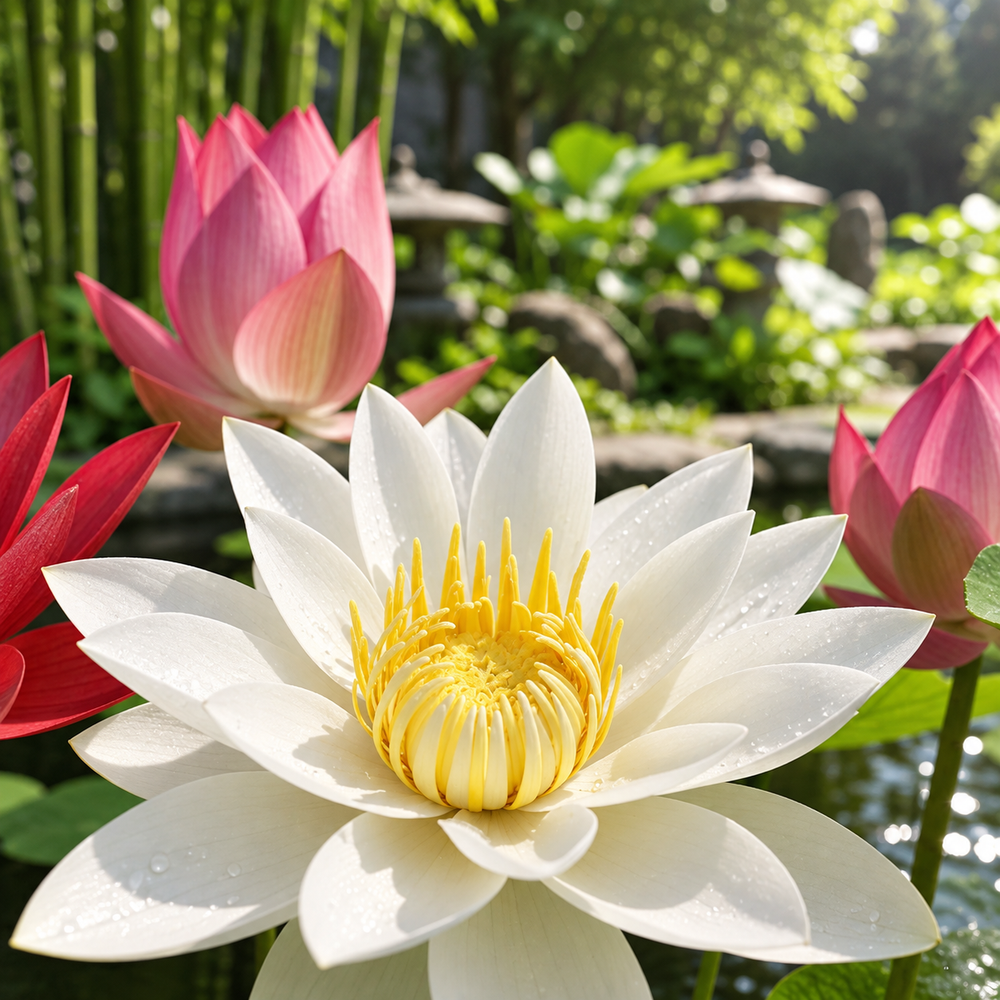
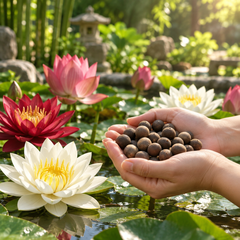
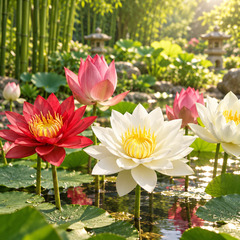
Grow beautiful Lotus (Nelumbo nucifera), a magnificent aquatic perennial admired for its large ornamental flowers and distinctive round foliage rising above the water.
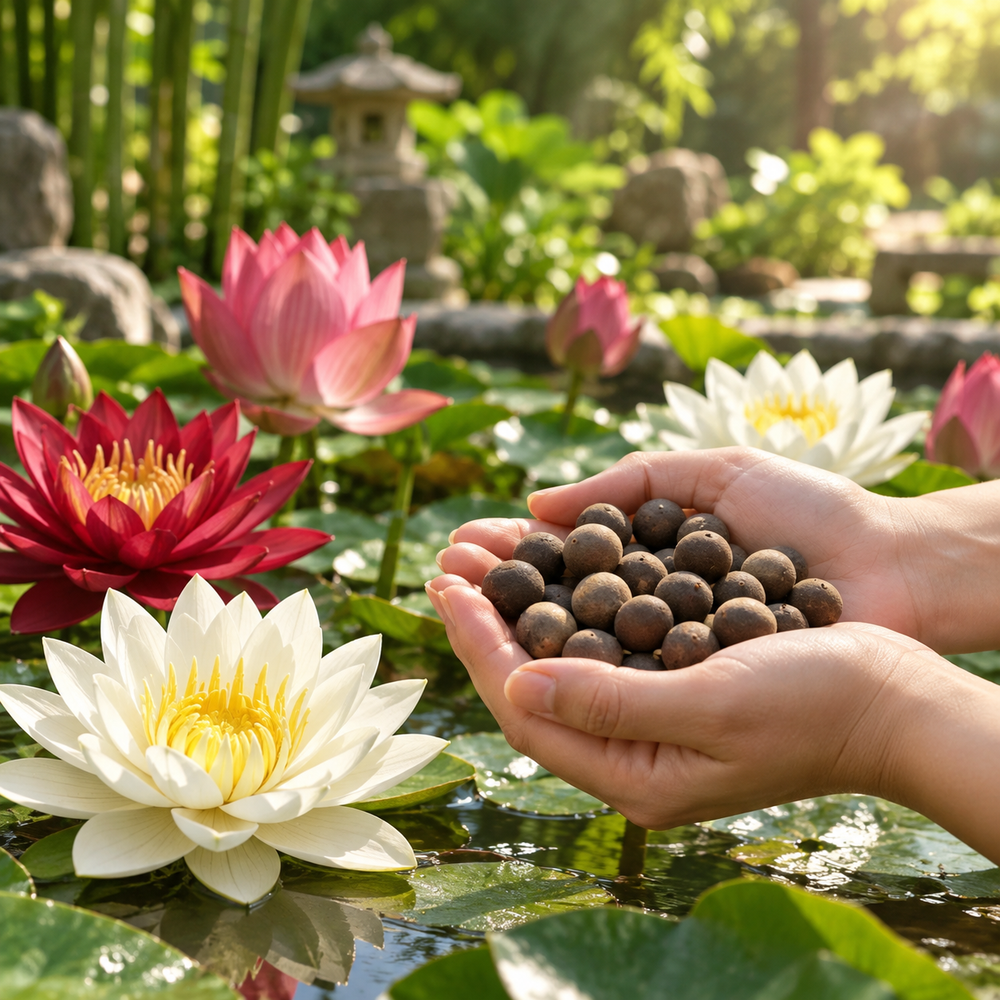
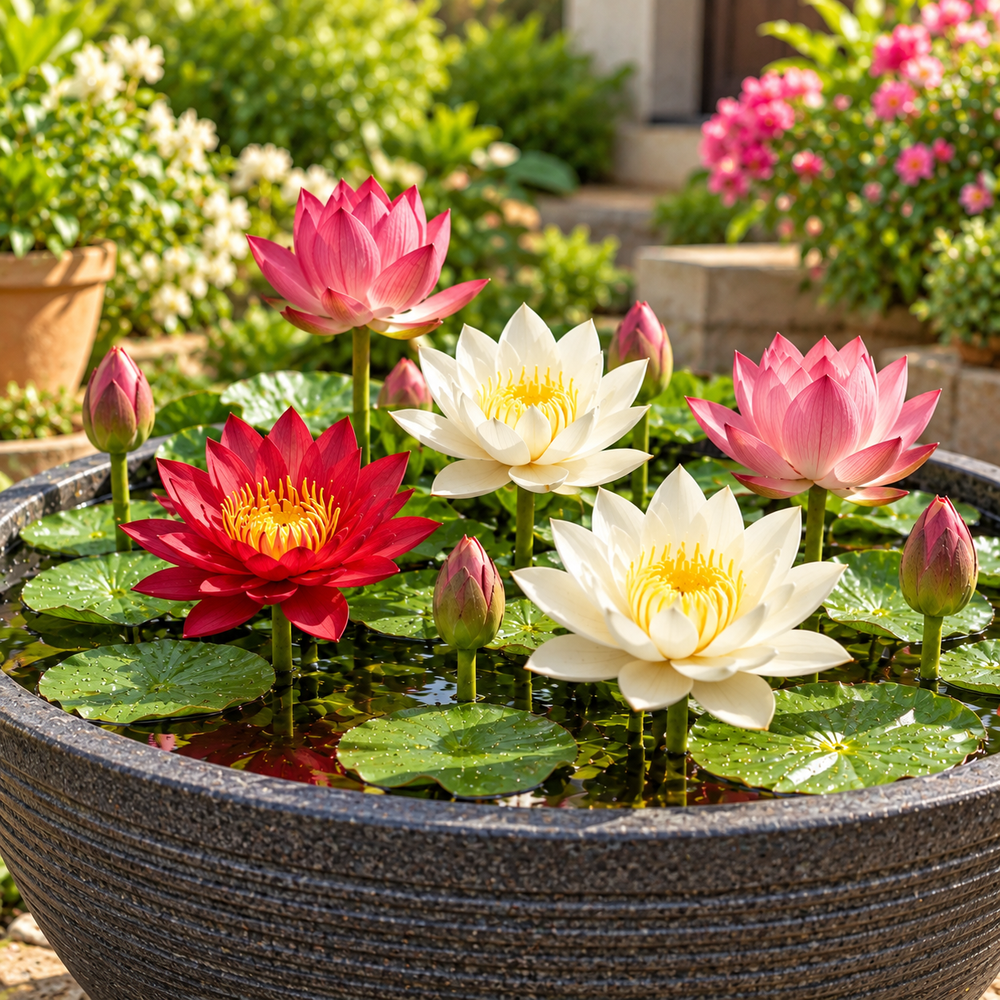
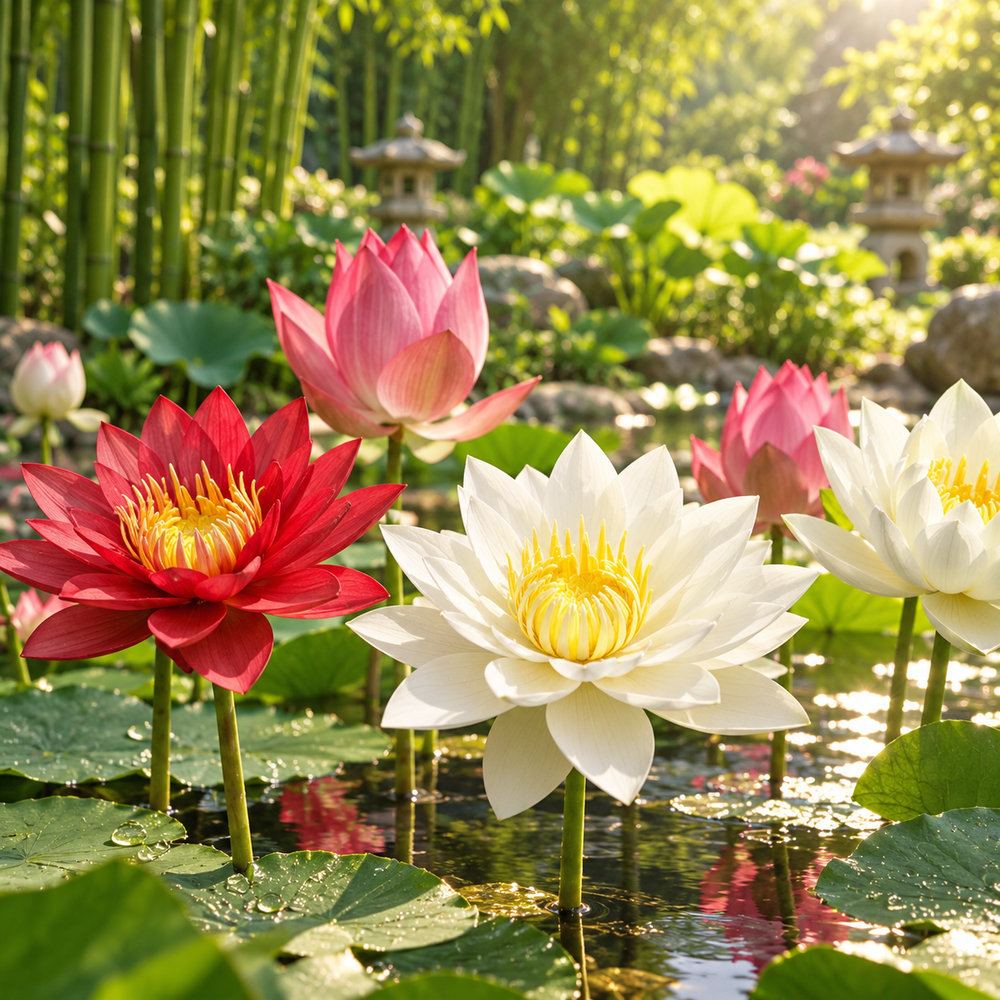
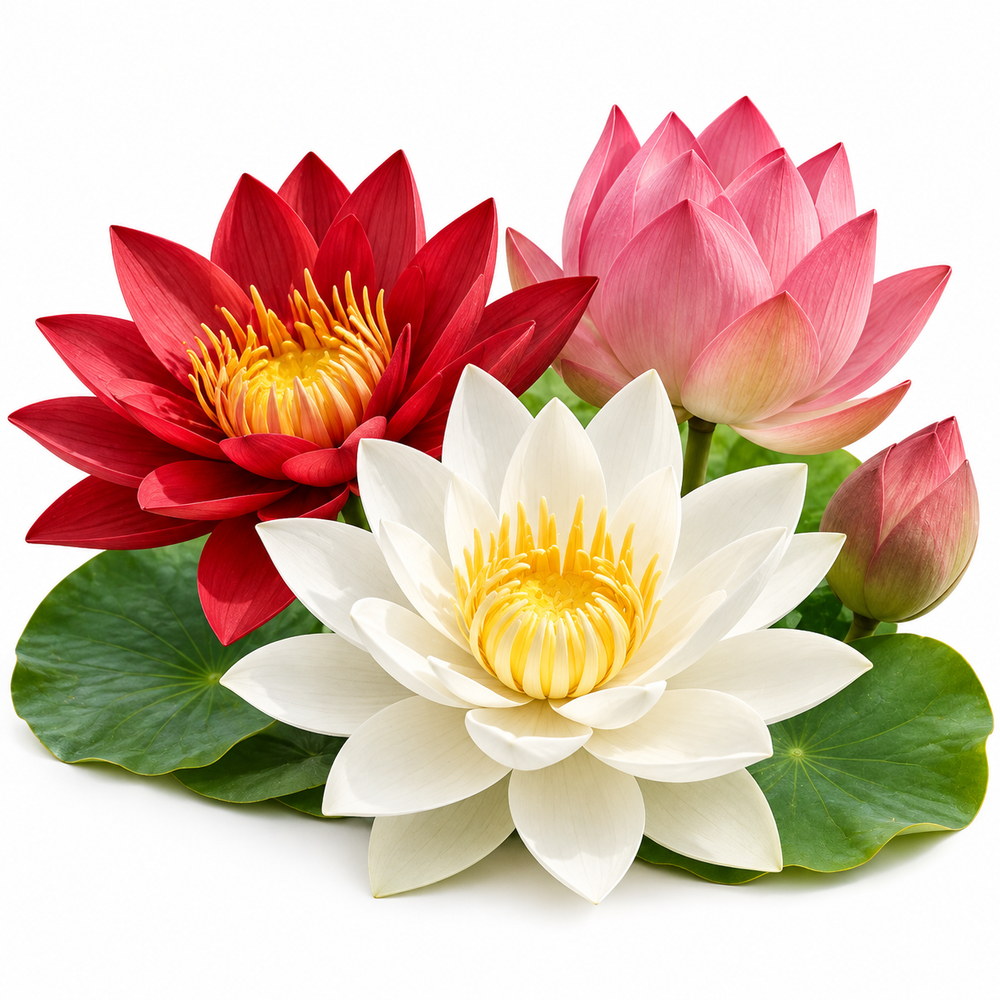
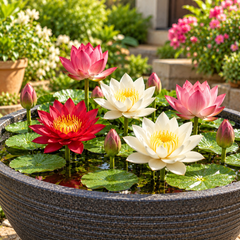
This mixed pack contains seeds selected for red, white and pink Lotus flowers, making it ideal for creating an elegant and colourful display in ponds, water gardens and large ornamental water containers.
Lotus thrives during the warm growing season and performs best with abundant sunlight, warm water and sufficient root space.
Germination Time: Approximately 3–10 days after proper scarification under suitable warm conditions
Ideal Temperature: Approximately 25–30°C
Best Sowing Season: March–June
Couldn't load pickup availability
Free standard shipping on orders over RS 5000
Lotus (Nelumbo nucifera) is an aquatic perennial from the Nelumbonaceae family, commonly known as:
Sacred Lotus / Indian Lotus.
It develops vigorous rhizomes below the soil surface and produces large rounded leaves that may float initially and later rise above the water.
Mature plants produce striking flowers held above the foliage.
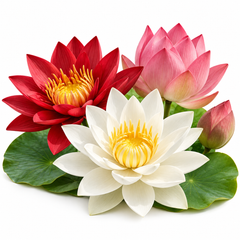
This mixed pack is intended to provide flowers in attractive shades of:
Red, Pink and White.
Lotus is particularly suitable for:
Large containers, ornamental ponds and dedicated water gardens.
Lotus should not be grown like a normal terrestrial plant in a standard grow bag.
Use:
A wide, heavy and preferably non-draining aquatic container.
For young plants, begin with a manageable container and shift established plants into a larger growing space.
For good mature growth:
A broad container approximately 18–24 inches or larger in diameter
is preferable.
Wider containers give Lotus rhizomes room to spread horizontally.
Avoid:
Narrow, deep containers with insufficient horizontal growing space.
Lotus performs best in:
Heavy loamy or clay-based garden soil.
Use a dense soil that remains settled beneath the water.
Suitable media include:
Bhalu Mitti / heavy garden loam with clay content.
Avoid using large amounts of:
These materials may rise into the water and make it cloudy.
A small amount of well-decomposed organic matter may be used after plants are established, but the main rooting medium should remain:
Heavy and stable.
Lotus seeds have an exceptionally:
Hard, waterproof outer seed coat.
Therefore, successful germination requires:
Scarification before soaking.
Do not simply place an untouched Lotus seed into water and expect rapid germination.
Using:
A metal file or coarse sandpaper
carefully remove a small area of the hard outer seed coat.
Continue only until:
The lighter inner layer becomes visible.
Do not cut deeply into the seed or damage the inner kernel.
Scarification allows water to penetrate the otherwise extremely hard seed coat. Kew specifically recommends filing the seed coat before placing seeds in warm water, and experimental research found dramatically improved germination after scarification.
After scarification:
Place seeds in a clean container filled with:
Warm water at approximately 25–30°C.
Keep the container in:
A warm, bright location.
Change the water:
Daily or whenever it becomes cloudy.
Properly scarified seeds may begin swelling quickly and can start germinating within several days.
Research on Nelumbo nucifera found scarified seeds germinated very effectively at about 25°C, while unscarified seeds failed to germinate during the same observation period.
Under suitable conditions, properly scarified seeds may germinate within approximately:
3–10 days.
Germination speed depends on:
Ideal germination conditions are:
Warm water around 25–30°C.
Do not:
Boil the seeds or use excessively hot water.
Do not damage the inner seed while filing.
Do not leave germinating seeds in:
Dirty, stagnant or foul-smelling water.
Clean water and stable warmth are important during this stage.
Allow seedlings to remain in water until they develop:
Several leaves and visible root development.
Once established, carefully transfer them into the prepared aquatic container.
Handle young roots gently.
Do not bury the young growing point excessively deeply.
Place the established young Lotus plant into:
Heavy loamy soil at the bottom of the container.
Initially maintain a relatively shallow layer of water above the soil.
As the plant becomes established and stronger:
Water depth can gradually be increased.
Young plants generally establish more easily in shallower water than mature Lotus plants.
For young newly planted seedlings:
Keep approximately 5–10 cm / 2–4 inches of water above the soil initially.
Once plants become established:
Gradually increase water depth according to plant size and container depth.
Avoid placing very young plants immediately under excessively deep water.
Provide:
Full sun.
For healthy growth and flowering:
6–8+ hours of direct sunlight daily
is highly recommended.
Lotus is a sun-loving aquatic plant, and insufficient sunlight can result in:
Weak growth and poor flowering.
Lotus performs best in:
Warm, still or gently moving water.
During active growth:
Warm water and warm daytime temperatures encourage rapid development.
Avoid:
Do not heavily fertilize very young Lotus seedlings.
Allow plants to develop:
Several healthy leaves and an established root system first.
After establishment, an appropriate:
Aquatic plant fertilizer
may be used according to label directions.
Avoid placing concentrated fertilizer directly against:
Young roots or rhizomes.
Excessive fertilizer can damage young plants and may also encourage algae.
Lotus is primarily a:
Warm-season flowering plant.
Established plants generally produce their strongest growth and flowering during:
Late spring and summer.
Flowering depends on:
Seed-grown Lotus may require:
More than one growing season to reach full flowering maturity.
In Lahore and other hot plains of Pakistan, Lotus growth slows as temperatures fall.
During winter:
Foliage may yellow, decline or disappear as the rhizome becomes dormant.
Do not assume the plant is dead simply because winter foliage disappears.
Reduce feeding during dormancy and allow the underground rhizome to remain undisturbed until warm-season growth resumes.
Thanks for subscribing!
This email has been registered!


We are here to assist you