



Best Sowing Season: October – February


- Choosing a selection results in a full page refresh.

Available 24/7 at
0300 110 7787
Pack Size: 0.75g per pack.
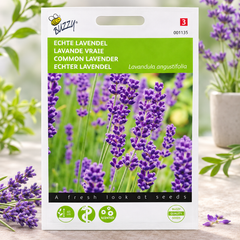
Source Company: Buzzy Seeds
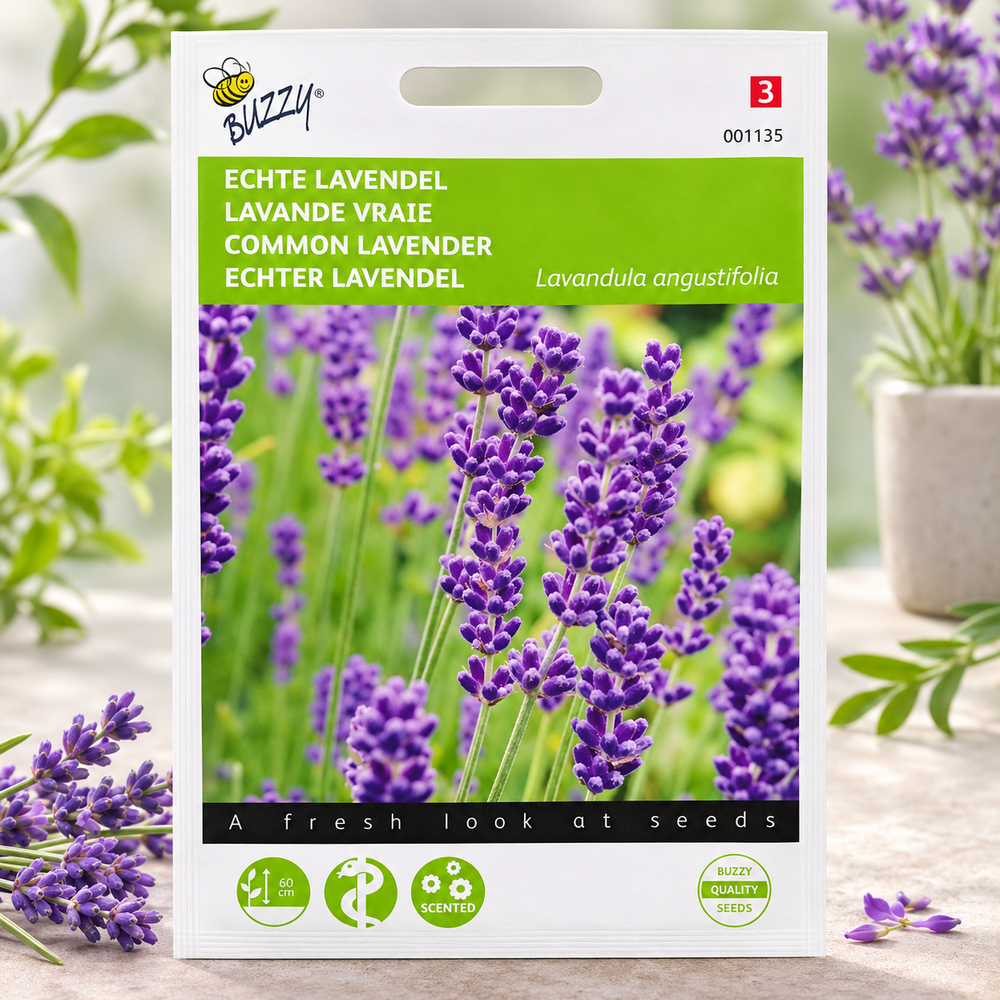
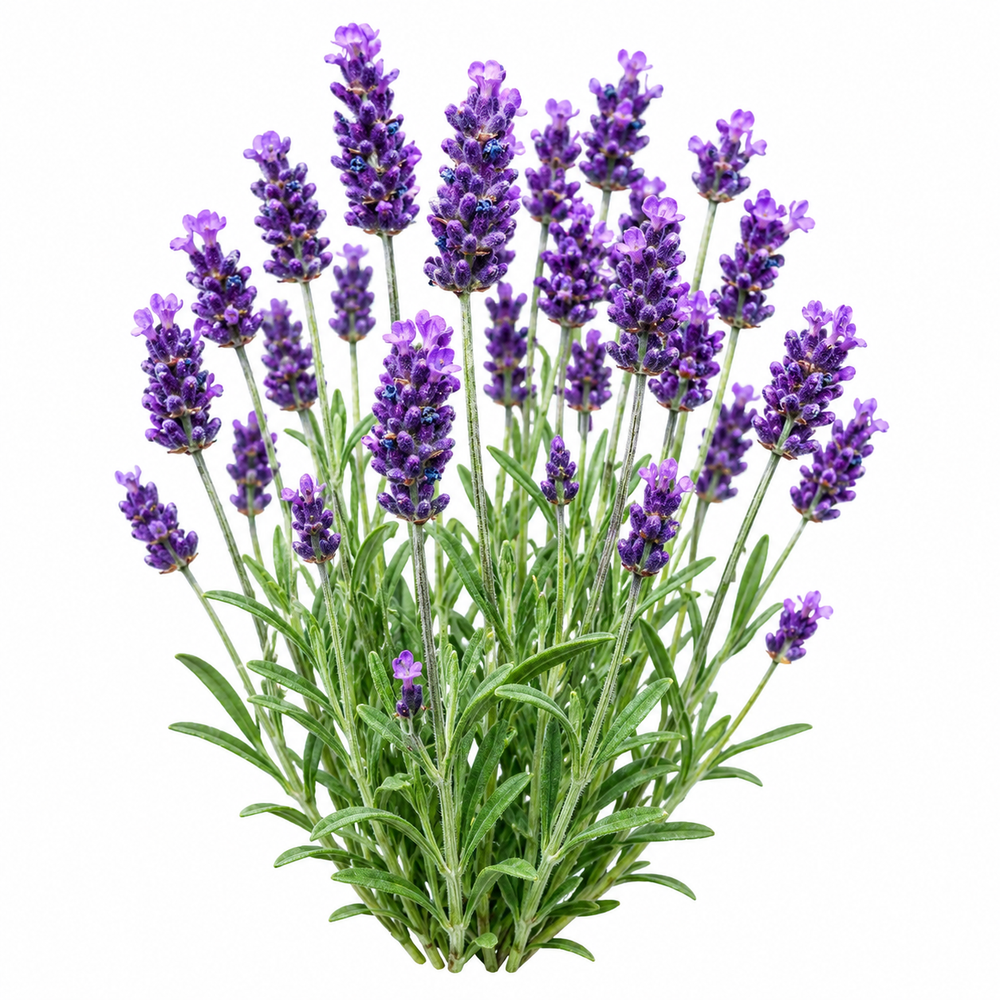
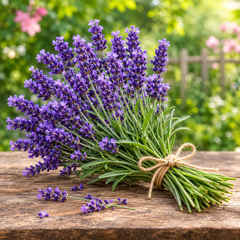
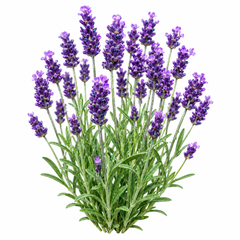
Grow beautiful English Lavender (Lavandula angustifolia), a fragrant perennial herb featuring elegant purple flower spikes and aromatic silvery-green foliage.
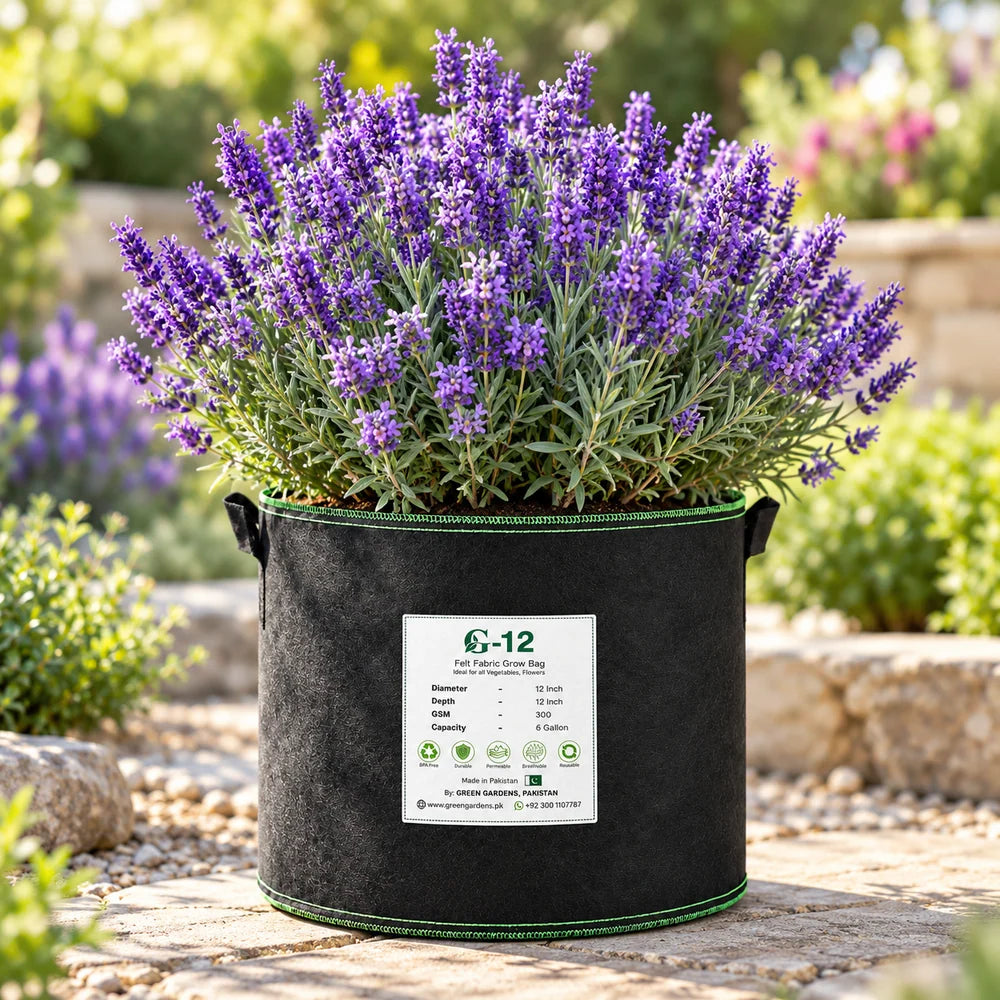
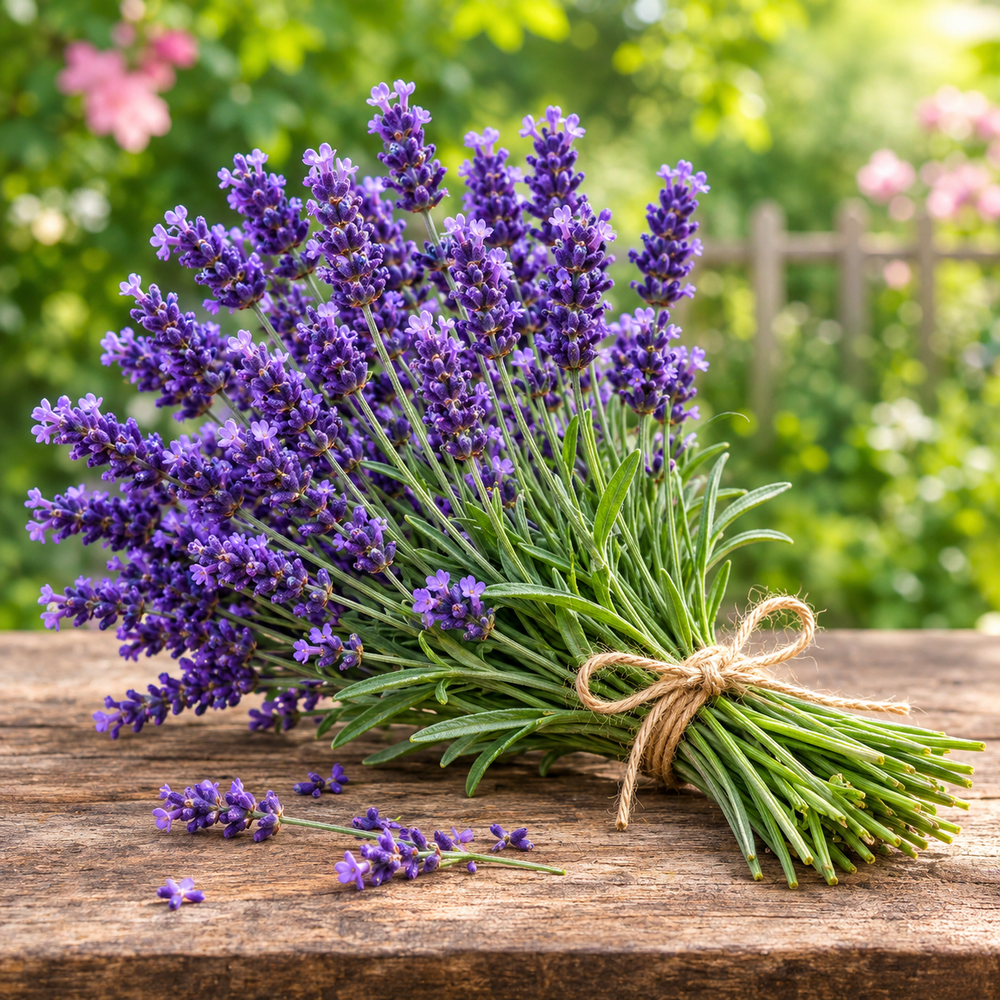
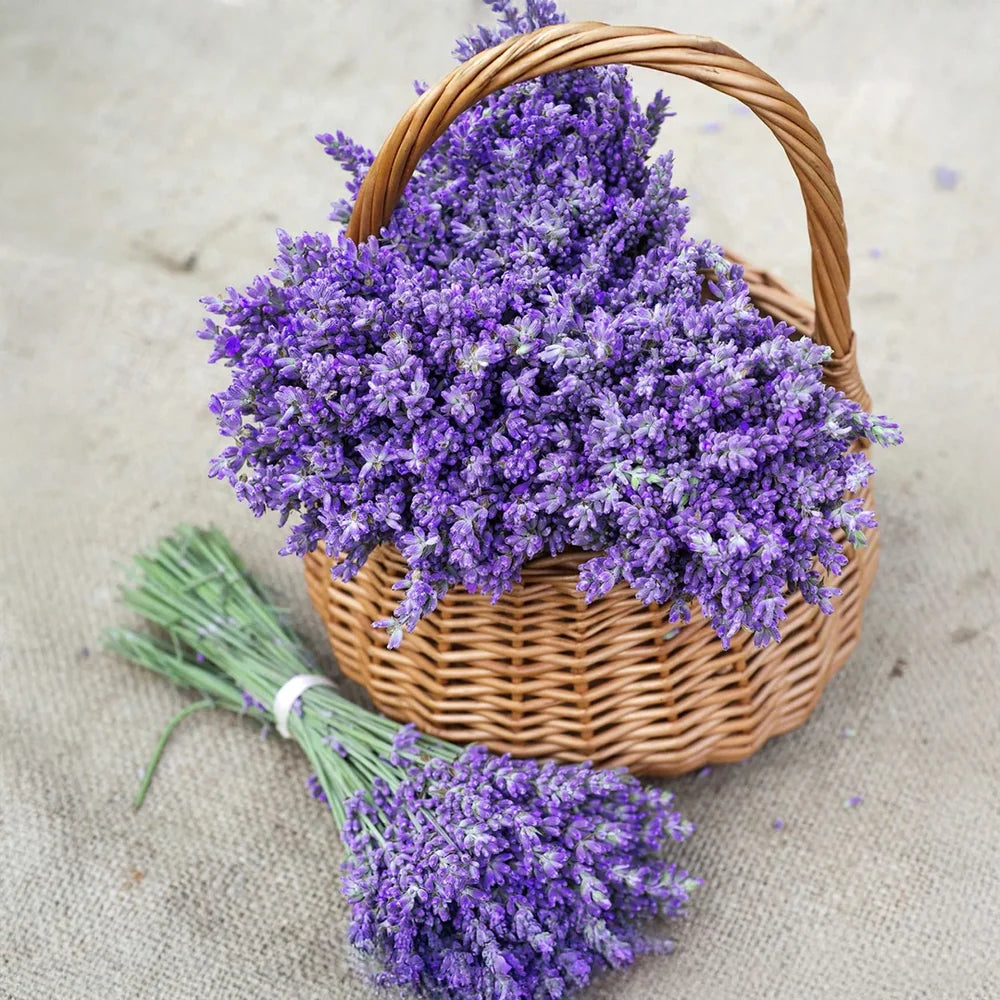
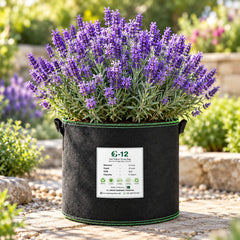
Perfect for ornamental gardens, containers and GREEN GARDENS grow bags. Its fragrant flowers attract bees and butterflies and are popular for dried floral arrangements.
Germination Time: Approximately 14–28 days, sometimes longer
Ideal Germination Temperature: 15–20°C
Growing Guide Video: Gardening with Javed Iqbal
Best Sowing Season: October – February
Couldn't load pickup availability
Free standard shipping on orders over RS 5000
Source Company: Buzzy Seeds
English Lavender (Lavandula angustifolia) is a fragrant evergreen perennial with silvery-green foliage and beautiful purple flower spikes.
Sow seeds on the surface or cover very lightly with fine growing medium. Maintain gentle moisture during germination and provide excellent drainage.
Botanical Name: Lavandula angustifolia
Common Name: English Lavender
Plant Type: Aromatic Evergreen Perennial
Flower Colour: Lavender Purple to Violet Blue
Foliage: Narrow, Silvery-Green and Aromatic
Fragrance: Sweet, Floral and Herbal
Growth Habit: Bushy and Compact
Plant Height: Approximately 40–90 cm
Sunlight: Full Sun
Flowering: Usually from the second growing season; sometimes earlier
Special Attraction: Bees and Butterflies
G-8 Grow Bag – 8 × 8 inch – 1 young lavender plant during early growth.
G-11 Grow Bag – 11 × 10 inch – 1 compact lavender plant.
G-12 Grow Bag – 12 × 12 inch – 1 mature plant, recommended for long-term container cultivation.
G-20 F Grow Bag – 20 × 16 inch – 2–3 plants with adequate spacing and air circulation.
40% Bhalu Mitti / Garden Soil + 30% Coarse River Sand or Perlite + 20% Cocopeat + 10% GREEN GARDENS Vermicompost.
Use a loose, gritty and exceptionally well-draining growing medium.
Suitable Soil pH: Approximately 6.5–8.0.
Avoid heavy clay soil, excessive compost and waterlogging.
Method: Nursery trays recommended
Sowing Depth: Surface sowing or very light covering (1–2 mm)
Germination: Approximately 14–28 days, sometimes longer
Ideal Germination Temperature: 15–20°C
Seeds per Cell: 2–3 seeds
Cold Stratification: Refrigerating moist seeds for 2–4 weeks may improve germination
Transplanting: When seedlings develop 3–4 true leaves and sufficient roots
Plant Spacing: Approximately 30–45 cm
Watering: Gentle misting during germination
Germination Requirement: Consistent light moisture without saturation
Lavender seeds may germinate slowly and unevenly. Avoid excessive watering or deep sowing.
Sunlight: Full sun, ideally 6–8 hours daily.
In Lahore and other extremely hot areas, provide protection from intense afternoon summer heat while maintaining bright light and good air circulation.
Watering: Keep the seed-starting medium lightly moist during germination.
Once established, water deeply but allow the upper soil layer to dry between watering sessions.
Avoid constantly wet roots.
Germination: Approximately 14–28 days or longer
Early Seedling Growth: Slow
Growth Habit: Bushy Evergreen Perennial
Mature Height: Approximately 40–90 cm
Flower Colour: Lavender Purple
Foliage Colour: Silvery Green
Flowering Time: Generally spring to summer, depending on climate
First Flowering: Commonly in the second growing season
Plant Lifespan: Several years under suitable conditions
Remove spent flower spikes to maintain a tidy appearance.
Lightly trim green growth after flowering to encourage compact, bushy plants.
Avoid severe pruning into old woody stems.
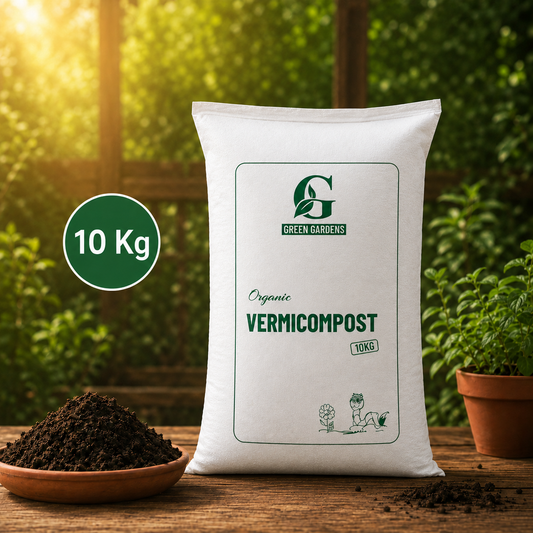
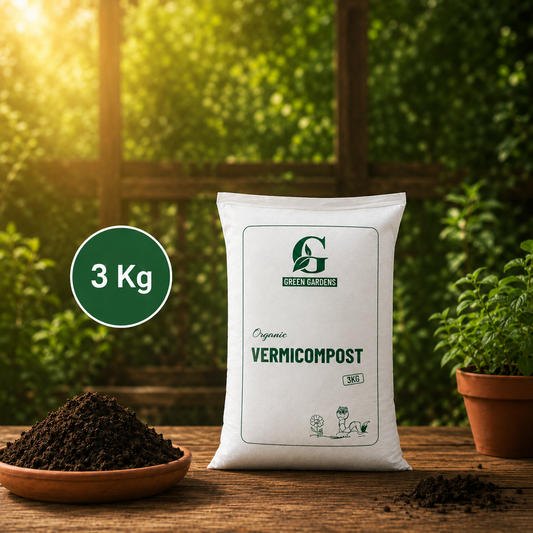
Mix a small quantity of GREEN GARDENS Vermicompost into the potting medium before planting.
Lavender generally requires little fertilization.
Apply mild, balanced nutrition only when necessary.
Avoid excessive nitrogen fertilizers and heavy organic feeding, which may encourage soft leafy growth at the expense of flowering.
Fragrant flower gardens
Balcony and terrace gardening
GREEN GARDENS grow bag cultivation
Decorative garden borders
Aromatic herb gardens
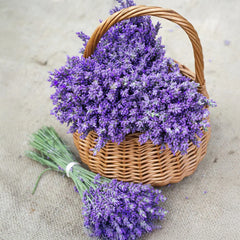
Dried flower arrangements
Fragrant sachets and potpourri
Pollinator-friendly gardens
Floral crafts and decorations
Mediterranean-style landscaping
English Lavender prefers sunny conditions, excellent drainage and relatively dry air.
In hot and humid regions such as Lahore, summer survival can be challenging. Protect plants from extreme afternoon heat, ensure continuous airflow and avoid wet soil.
Container cultivation is particularly useful because plants can be moved to a more suitable location during extreme weather.
Thanks for subscribing!
This email has been registered!