


- Choosing a selection results in a full page refresh.

Available 24/7 at
0300 110 7787
Pack Size: 10 seeds per pack.
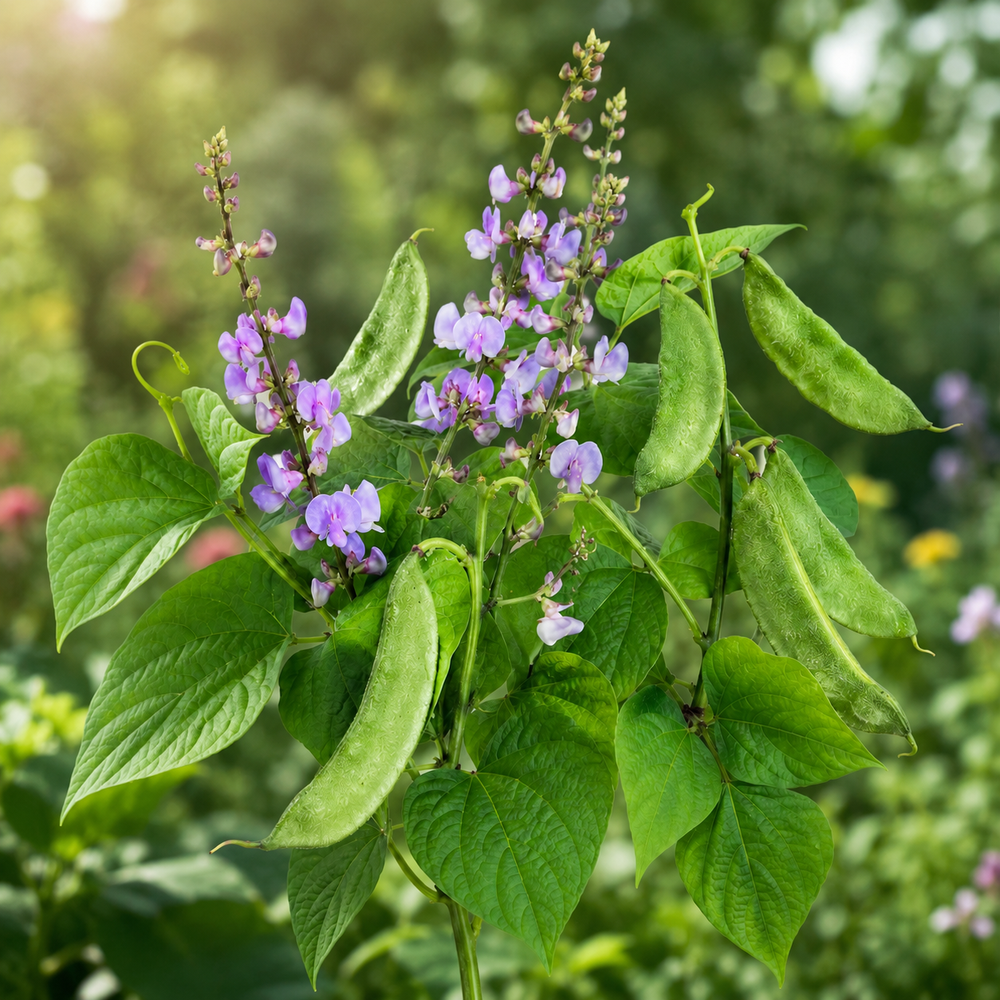
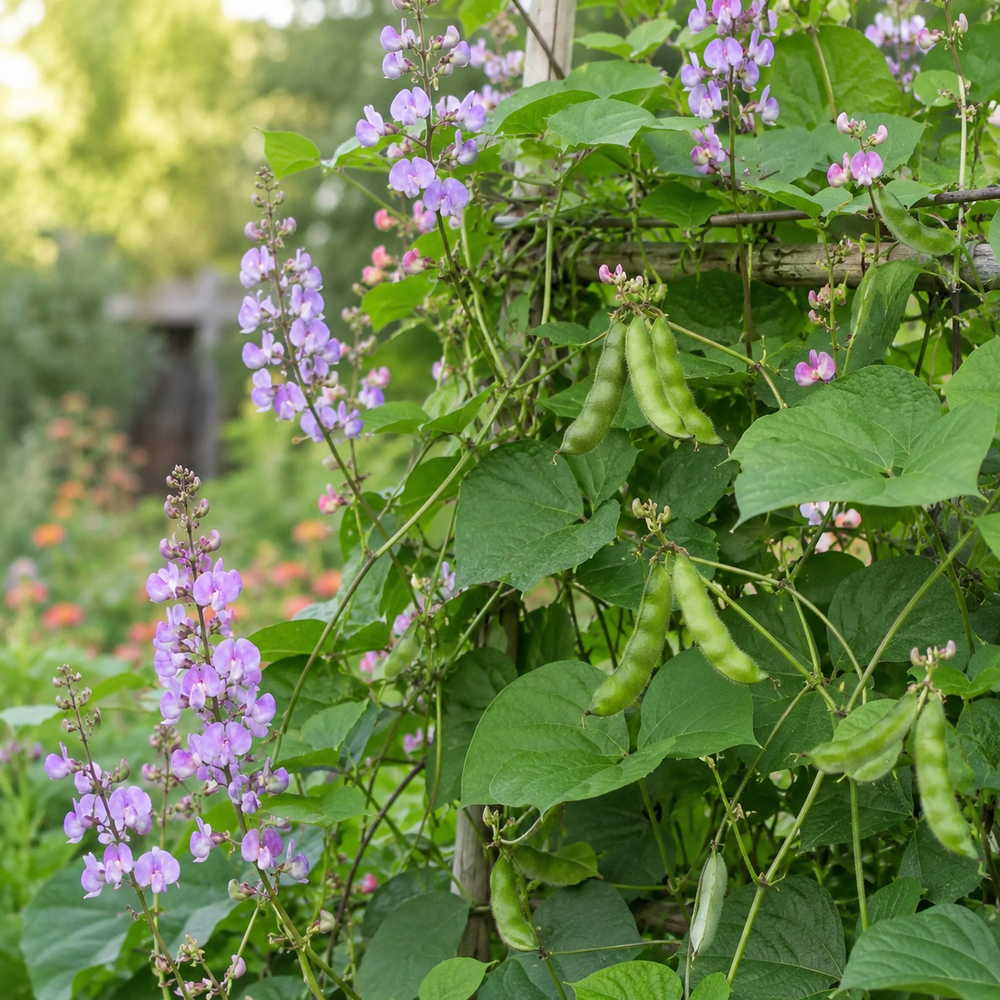
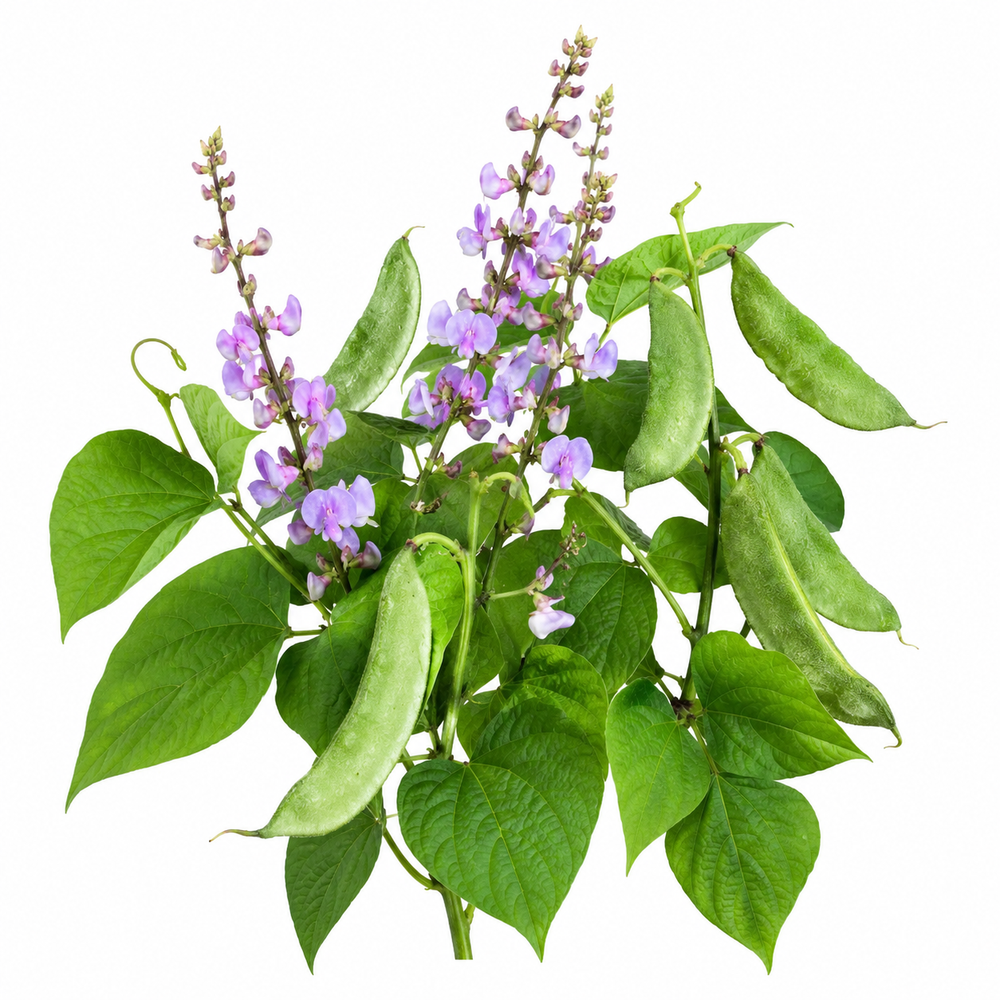
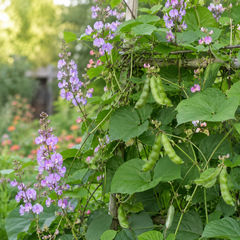
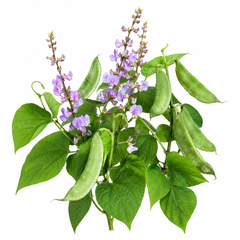
Grow Hyacinth Bean (Lablab), a vigorous and fast-growing climbing vine valued for its lush foliage, attractive purple to lavender flowers and decorative pods.
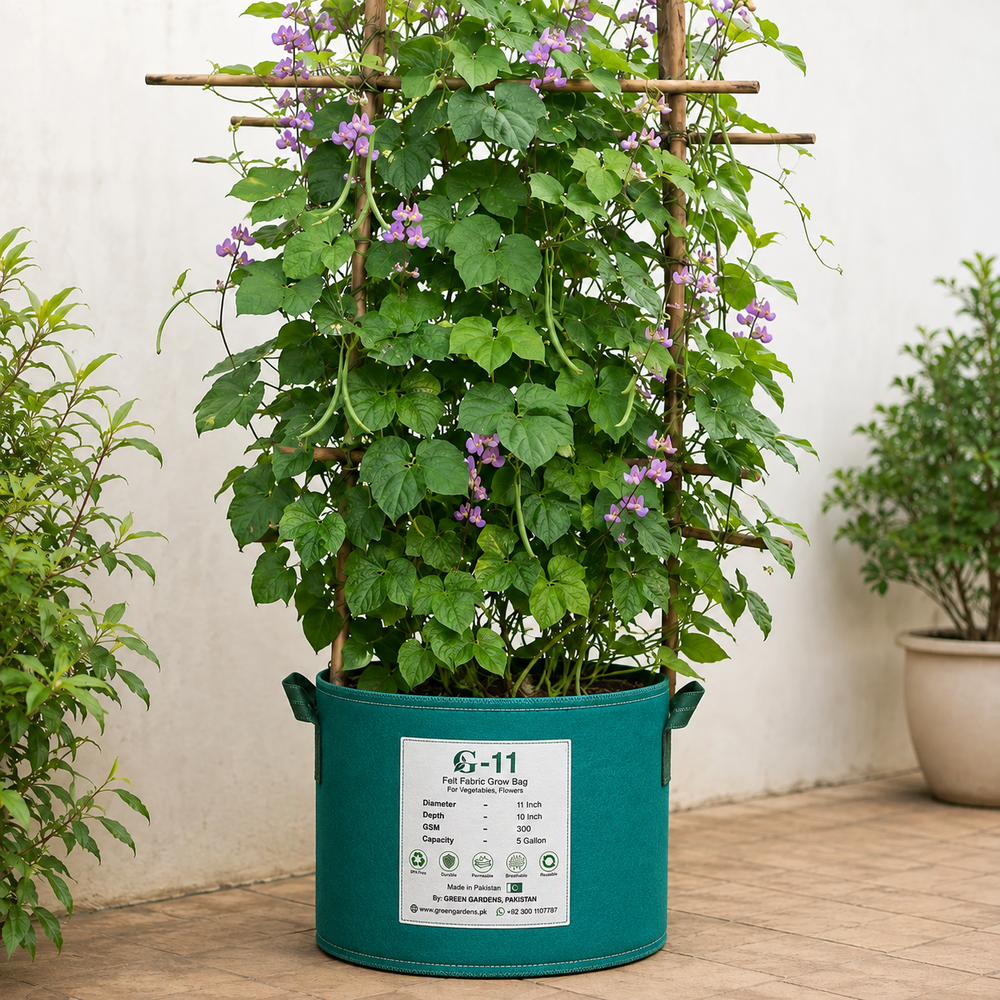
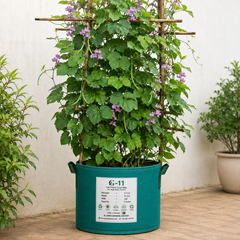
Ideal for trellises, fences, arches, balconies, rooftop gardens and vertical spaces. For container growing, use a spacious GREEN GARDENS Grow Bag and provide a sturdy Plant Support Net for the vigorous climbing vines.
Germination Time: Approximately 5–12 days
Suitable Germination Temperature: 18°C–27°C
Best Sowing Season: February - April & October - November
Couldn't load pickup availability
Free standard shipping on orders over RS 5000
Hyacinth Bean, botanically known as Lablab purpureus, is a vigorous twining vine grown for its rapid vertical growth, attractive foliage, pea-like flowers and ornamental pods.
The vine can quickly cover a trellis, fence, arch or garden support, creating an attractive natural screen. Flowers commonly appear in shades of purple, lavender, pink or white, depending on the plant, and are followed by decorative bean pods.
Its vigorous climbing habit makes Lablab particularly useful for rooftop gardens, balconies, pergolas and vertical gardening.
Key Features
Fast-growing climbing vine
Attractive purple to lavender flowers
Dense green foliage
Excellent for vertical gardening
Suitable for fences, arches and trellises
Useful as a seasonal privacy screen
Suitable for large containers and grow bags
Performs well in warm weather
Attractive to garden pollinators
Hyacinth Bean is widely grown as both an ornamental and food crop in different parts of Asia and Africa.
Young immature pods are traditionally cooked and eaten in some cuisines.
Important Safety Note: Mature dried Lablab seeds should never be eaten raw. They contain naturally occurring compounds that require proper preparation and thorough cooking. If grown primarily for ornamental gardening, avoid consuming mature seeds unless you are familiar with their correct traditional preparation.
Germination Time: Approximately 7–14 days
Suitable Temperature: 18°C–27°C
For quicker germination, seeds may be soaked in room-temperature water for approximately:
8–12 hours before sowing
Keep the growing medium evenly moist but never waterlogged.
For this vigorous vine, larger containers are preferable.
G-12 Grow Bag – 12 × 12 inch
Suitable for one plant where growing space is limited and regular feeding and watering can be maintained.
G-24 Grow Bag – 24 × 12 inch
Recommended where stronger root development and more vigorous vine growth are desired.
Provide climbing support from an early stage.
Hyacinth Bean requires a strong support structure because mature vines can become vigorous and heavy.
Use a:
Trellis
Fence
Arch
Pergola
Bamboo frame
Install the support before the vine becomes large so the young shoots can be trained easily.
Use a loose, fertile and well-drained growing medium.
For container cultivation, a practical mix is:
Bhalu Mitti (Sandy Soil) enriched with Vermicompost
Lablab belongs to the legume family, so avoid excessive nitrogen-rich feeding once the plant is established.
The growing medium should remain:
Loose
Well drained
Moderately fertile
Moist but not soggy
Free from hard compaction
1. Prepare the Seeds
Soak seeds in normal water for approximately 8–12 hours before sowing if quicker germination is desired.
2. Prepare the Growing Medium
Use loose, fertile and well-draining soil enriched moderately with organic matter.
3. Sow the Seeds
Sow approximately:
2–3 cm deep
Cover with soil and water gently.
4. Germination
Seeds generally germinate within approximately 7–14 days under suitable warm conditions.
5. Light Requirements
Grow in full sun, preferably with around 6–8 hours of direct sunlight each day.
6. Thin the Seedlings
If several seeds germinate together, retain the strongest plants and remove excessive crowding.
7. Plant Spacing
Allow approximately 30–45 cm between plants where sufficient space is available.
8. Provide Support
Guide young vines onto a trellis, fence, bamboo frame or Plant Support Net.
The stems naturally twine around available support.
9. Watering
Keep the soil moderately moist during establishment.
Once established, water deeply when the upper soil begins to dry, while ensuring excellent drainage.
10. Feeding
Avoid excessive nitrogen fertilizer, which may encourage excessive leafy growth.
A light application of Vermicompost can be used when additional organic nutrition is required.
11. Training & Pruning
Train vigorous shoots onto the support structure.
Light trimming may be used to control excessive growth and encourage a more manageable plant shape.
12. Flowering & Pods
Purple to lavender pea-like flowers develop on established vines and are followed by decorative pods.
Complete your Lablab growing setup with:
Thanks for subscribing!
This email has been registered!


We are here to assist you