


Best Sowing Season: February – July (Lahore and hot plains of Pakistan).


- Choosing a selection results in a full page refresh.

Available 24/7 at
0300 110 7787
Approx. 20 seeds per pack.
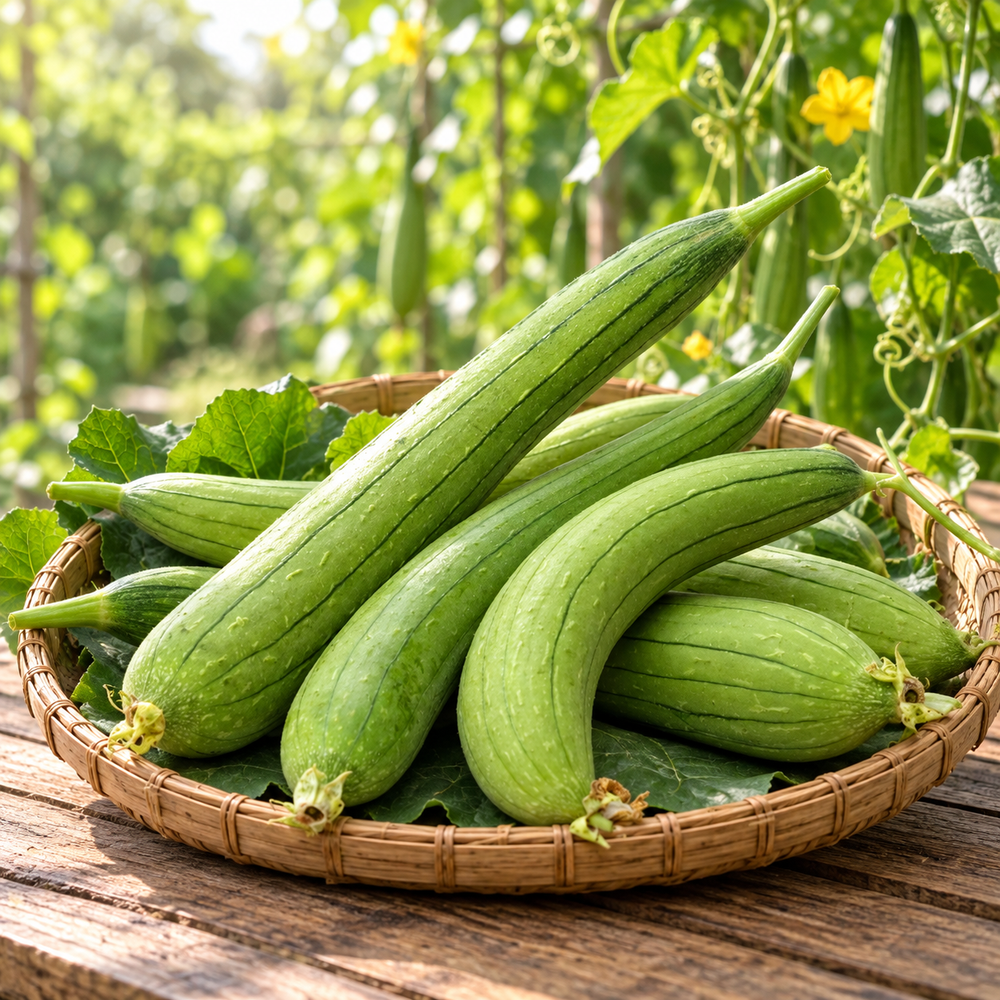
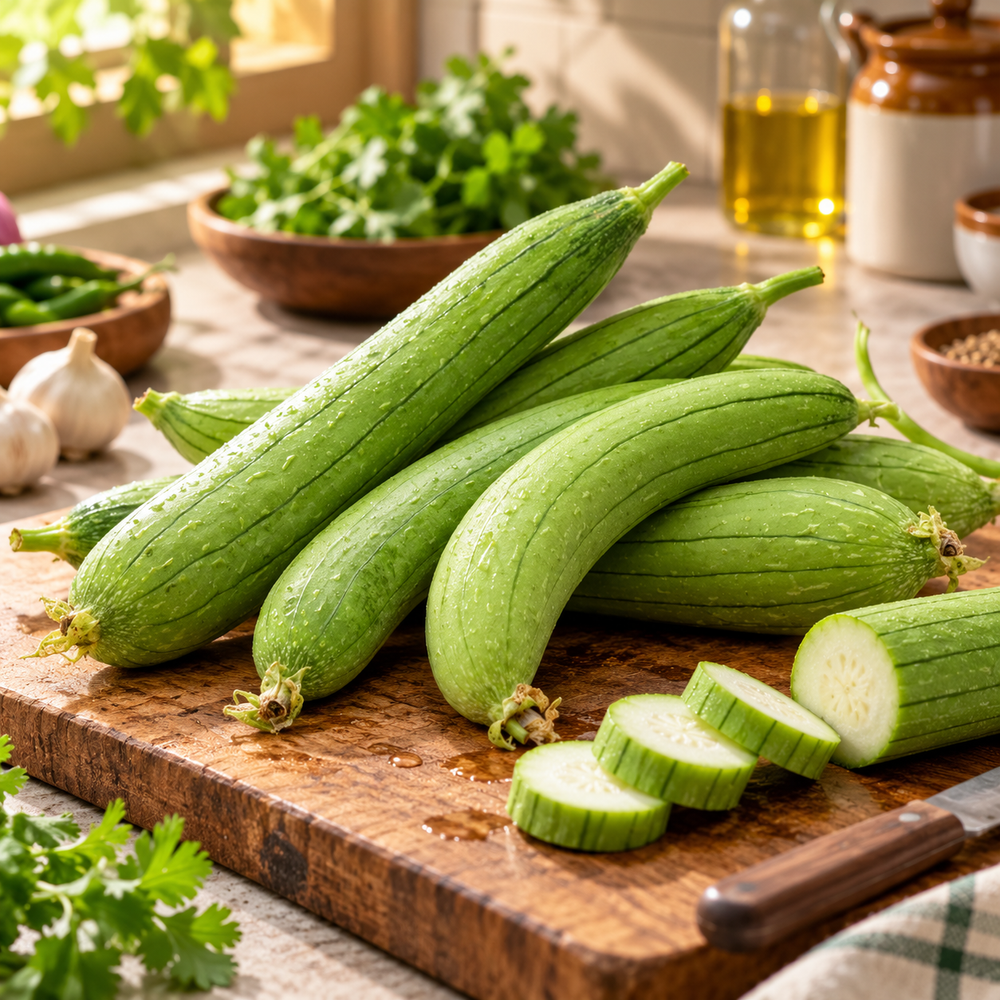
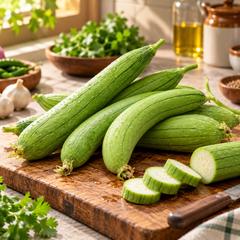
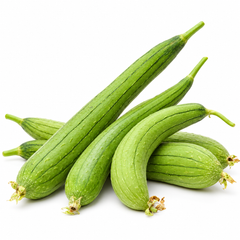
Grow fresh, tender and delicious Desi Tori (Sponge Gourd), producing attractive, elongated, light-green fruits with smooth skin, soft white flesh and a mild, traditional flavour.
This popular summer climbing vegetable is ideal for kitchen gardens, rooftop gardening, trellises and large grow bags. Its vigorous vines and traditional Desi characteristics make it an excellent choice for growing fresh, homegrown Tori throughout the warm season.
Germination Time: 5–10 days
Ideal Temperature: 25–30°C
Growing Guide Video: Gardening with Javed Iqbal
Best Sowing Season: February – July (Lahore and hot plains of Pakistan).
Couldn't load pickup availability
Free standard shipping on orders over RS 5000
Desi Tori (Luffa aegyptiaca, also known as Luffa cylindrica), commonly called Sponge Gourd or Ghiya Tori, is a traditional warm-season vegetable widely cultivated throughout Pakistan.
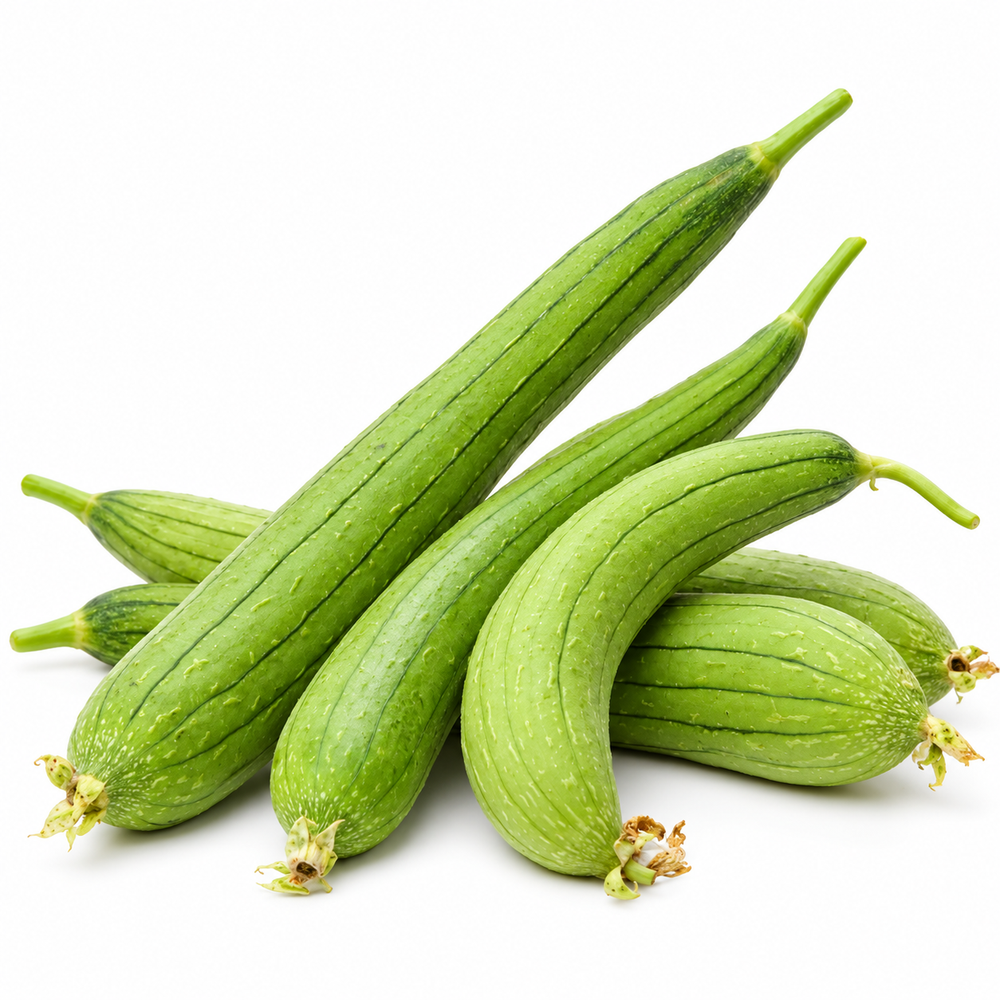
This popular Desi variety produces elongated, tender, light-green fruits with soft white flesh and a delicate flavour, making it particularly suitable for everyday Pakistani cooking.
Unlike Ridge Gourd (Kali Tori), which develops prominent longitudinal ridges, Sponge Gourd generally produces smoother, cylindrical fruits.
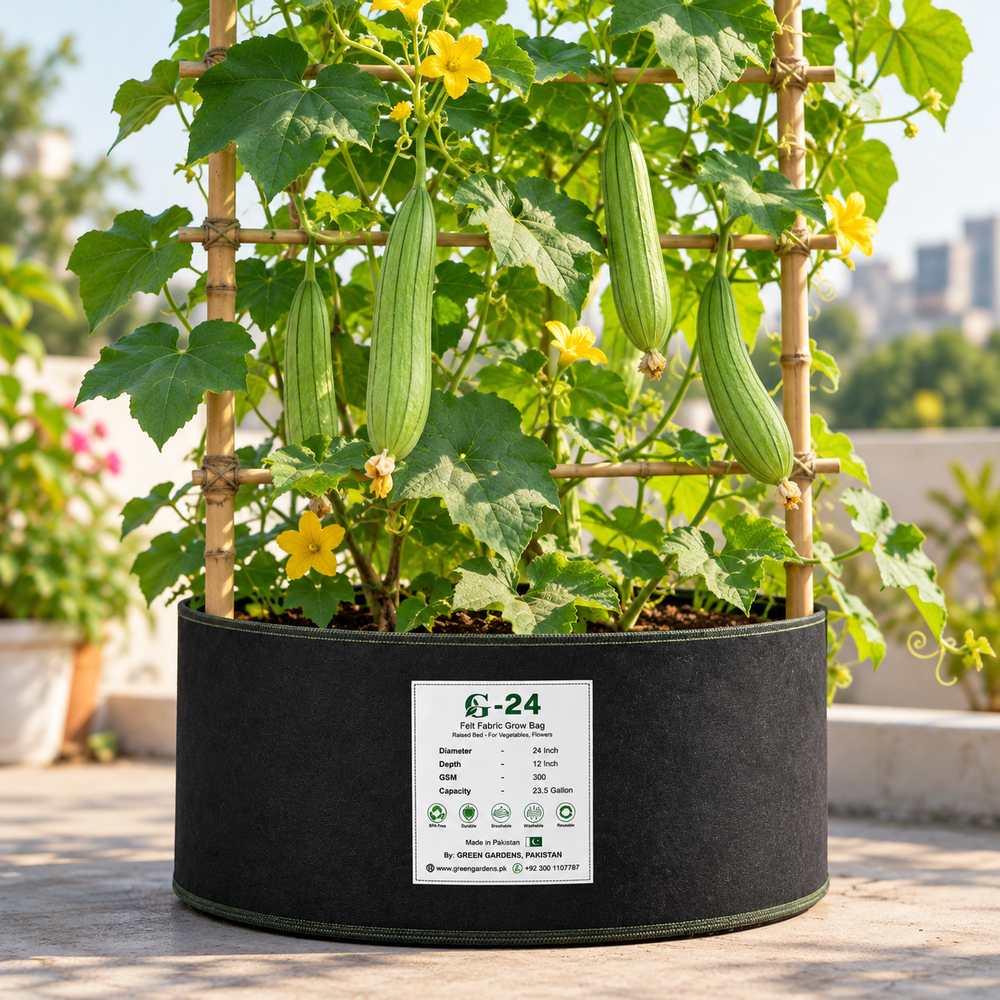
Its vigorous climbing vines grow well on vertical trellises and overhead supports, making it suitable for home kitchen gardens, rooftop spaces and large grow bags.
With adequate sunlight, fertile soil, consistent watering and successful pollination, plants can provide repeated harvests throughout the growing season.
Botanical Name: Luffa aegyptiaca (syn. Luffa cylindrica)
Common Name: Desi Tori / Sponge Gourd / Ghiya Tori
Variety: Traditional Desi Tori
Type: Warm-season climbing vegetable
Fruits: Elongated, cylindrical, smooth and light green
Flesh: Soft, tender, white and mild-flavoured
Growth Habit: Vigorous climbing and branching vines
Sunlight: Full sun
Special Features: Traditional Desi variety, suitable for vertical growing and repeated harvesting
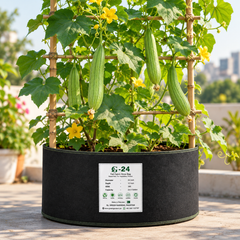
G-24 F Grow Bag – 24 × 18 inch – 1 plant.
G-28 F Grow Bag – 28 × 18 inch – 1 plant.
Provide a strong trellis approximately 6–7 feet high or an overhead support to encourage healthy vine growth and allow fruits to hang naturally.
Vertical growing helps maintain straighter fruits, improves airflow and makes harvesting easier.
50% Bhalu Mitti / Garden Soil + 30% GREEN GARDENS Vermicompost + 20% Cocopeat
Use loose, fertile, organic-rich and well-draining soil. Maintain consistent moisture while avoiding waterlogging.
Method: Direct sowing preferred
Sowing Depth: Approximately 2–3 cm
Germination: 5–10 days
Ideal Temperature: 25–30°C
Plant Spacing: Approximately 60–90 cm with adequate climbing support
Watering: Keep soil evenly moist until germination
Sow 1–2 seeds per planting position and retain the healthiest seedling after germination.
For untreated seeds, soaking in room-temperature water for 6–12 hours before sowing may help soften the seed coat.
Install a strong trellis early and gently guide developing vines towards the support.
Avoid overcrowding and ensure adequate airflow around the plants.
Sunlight: Full sun, preferably 6–8 hours daily.
Watering: Water regularly to maintain consistent soil moisture, particularly during flowering and fruit development. Avoid prolonged dryness and waterlogging.
First Harvest: Approximately 50–70 days after sowing, depending on growing conditions
Harvesting Season: Spring, summer and early autumn
Growth Habit: Vigorous climbing and branching vines
Fruit Type: Elongated, cylindrical, smooth-skinned green sponge gourds
Harvest fruits while they are young, tender and light green, before their skin becomes tough and the internal fibres develop.
Regular harvesting every 2–3 days during active fruiting encourages continued production and maintains excellent cooking quality.
Overmature fruits develop a fibrous interior and are no longer suitable for normal vegetable cooking.
Mix GREEN GARDENS Vermicompost into the soil before sowing.
Apply additional vermicompost as needed during active growth, flowering and fruit development.
Maintain balanced nutrition and avoid excessive nitrogen feeding, which may encourage leafy growth at the expense of fruit production.
Desi Tori produces separate male and female flowers on the same plant.
Bees and other pollinating insects transfer pollen between flowers, supporting healthy fruit development.
Successful pollination is important for proper fruit formation.
If small developing fruits turn yellow and drop prematurely, insufficient pollination may be one possible cause.
Encourage beneficial pollinators and avoid spraying insecticides while bees are actively visiting flowers.
Hand pollination may help when natural pollinator activity is limited.
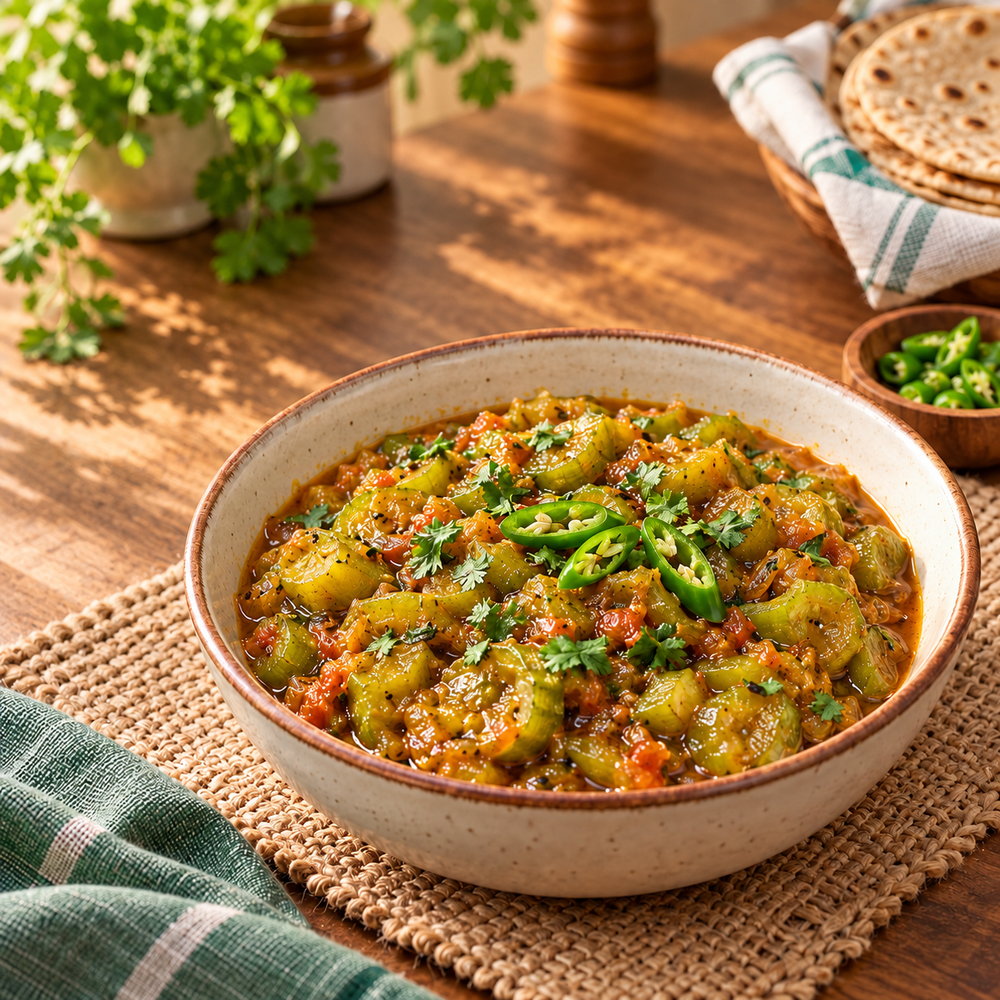
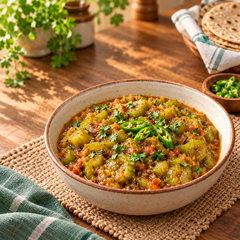
Desi Tori is widely used in traditional Pakistani cooking, including:
Tori ka Salan
Tori with Chana Dal
Tori with Qeema
Tori with Potatoes
Tori with Onions
Traditional homemade vegetable dishes
Its tender white flesh, soft texture and mild flavour make it particularly suitable for everyday curries and light vegetable dishes.
Thanks for subscribing!
This email has been registered!