


Best Sowing Season: 20 June to 15 August


- Choosing a selection results in a full page refresh.

Available 24/7 at
0300 110 7787
Pack Size: 10 seeds per pack.
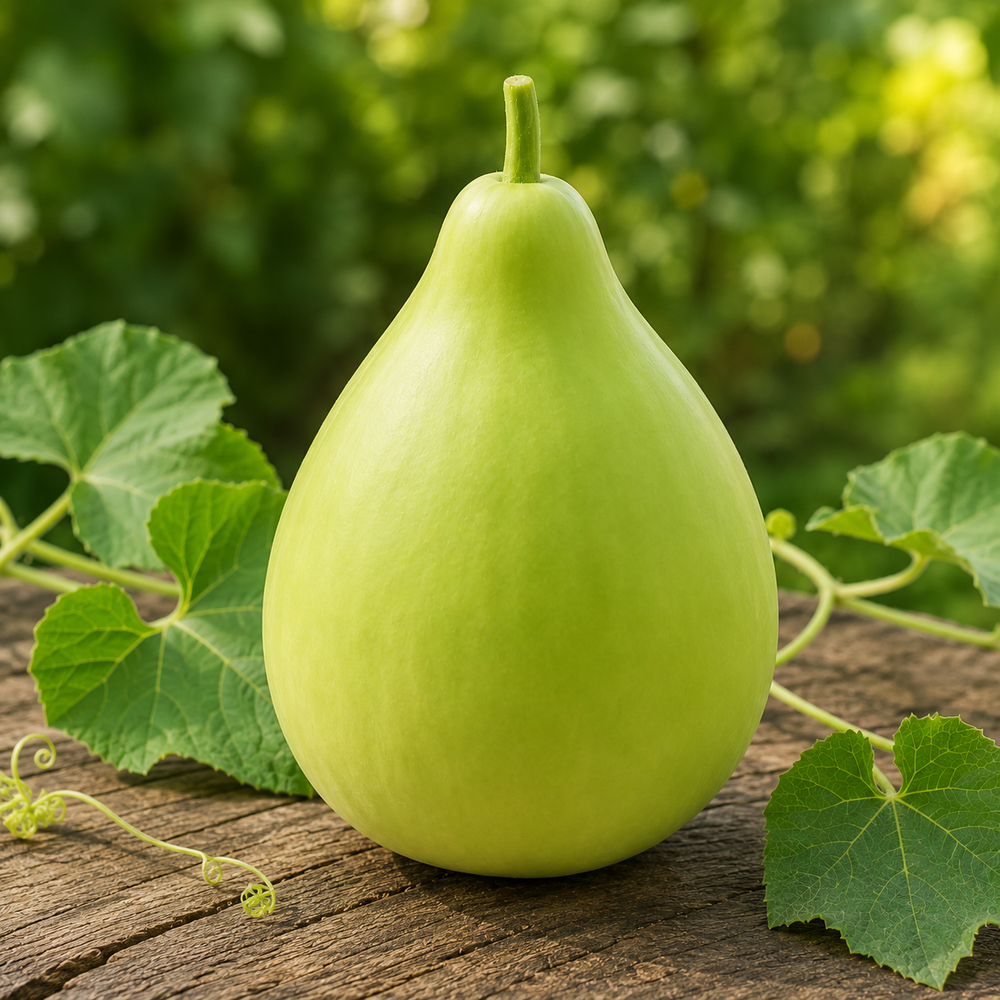
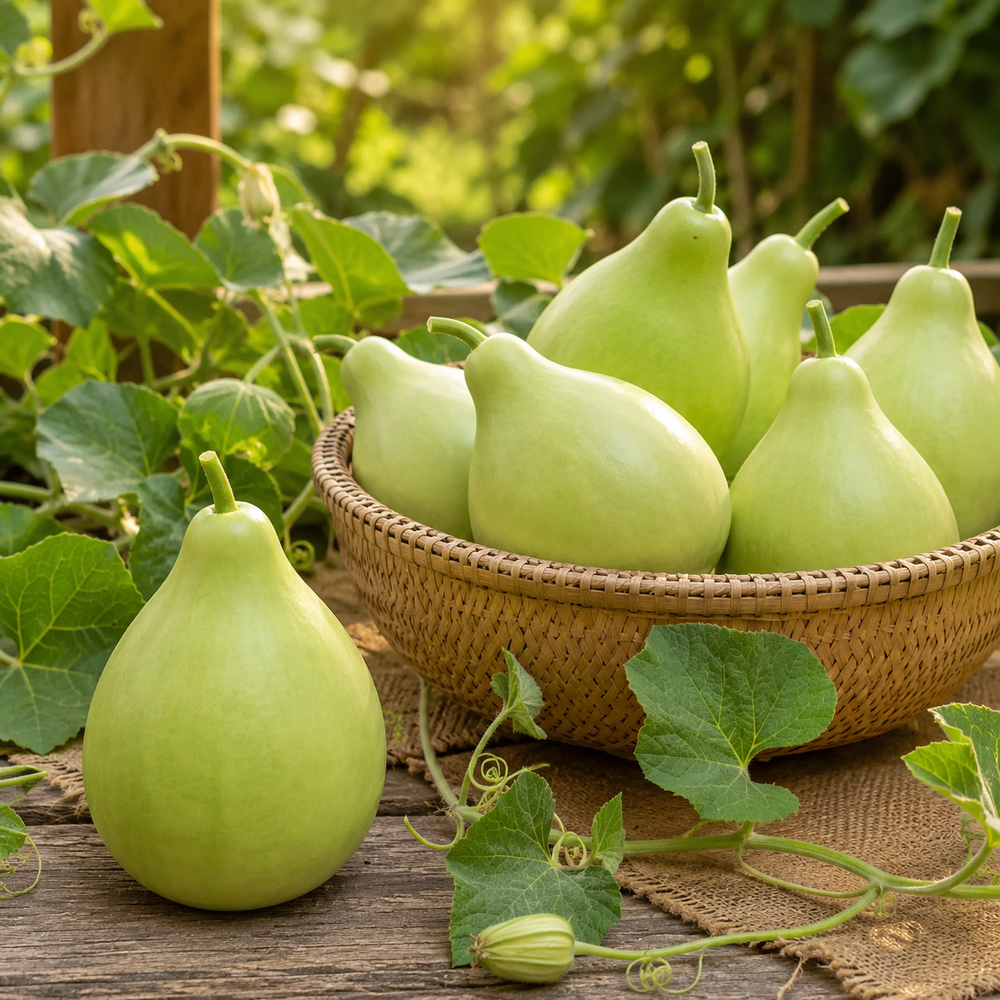
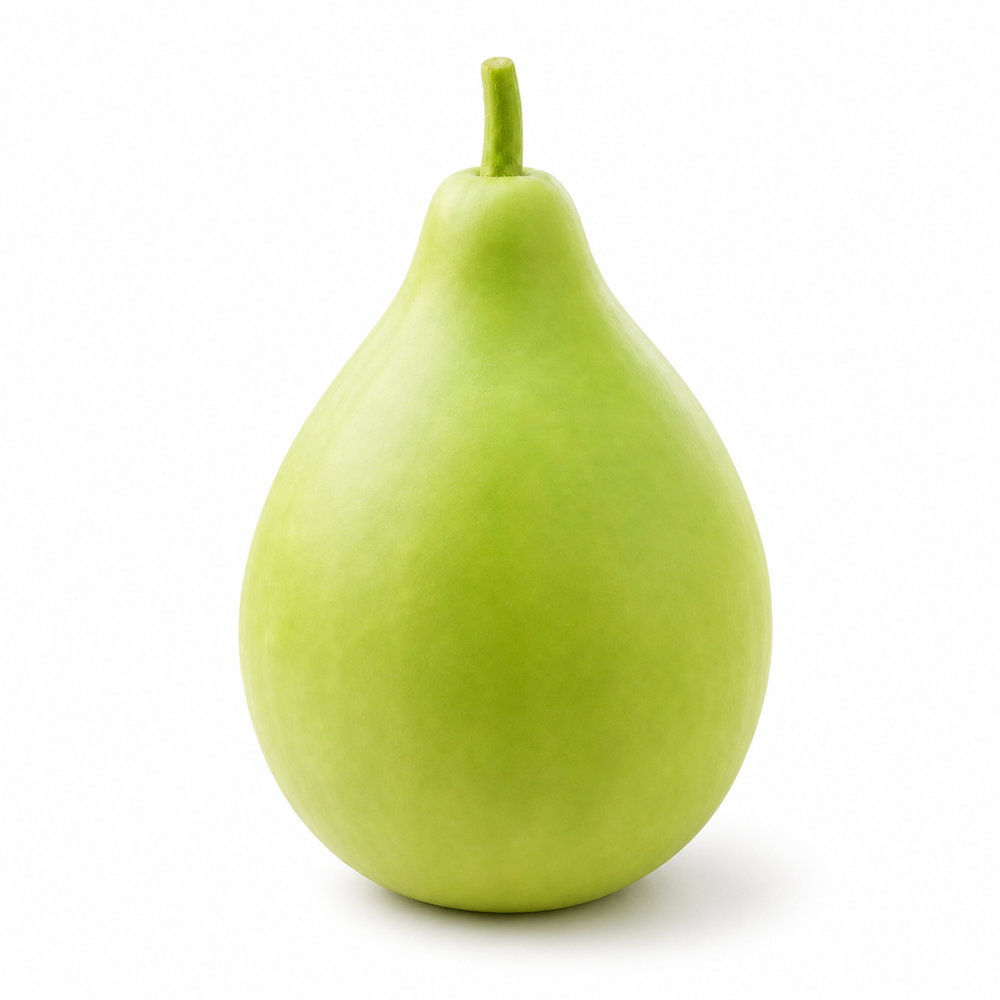
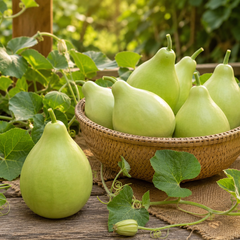
Grow BOLBY F1 Hybrid Bottle Gourd, a vigorous warm-season climbing vegetable producing attractive bulb-shaped green fruits. This summer late variety is suitable for kitchen gardens, rooftop gardens, raised beds and vertical growing systems.
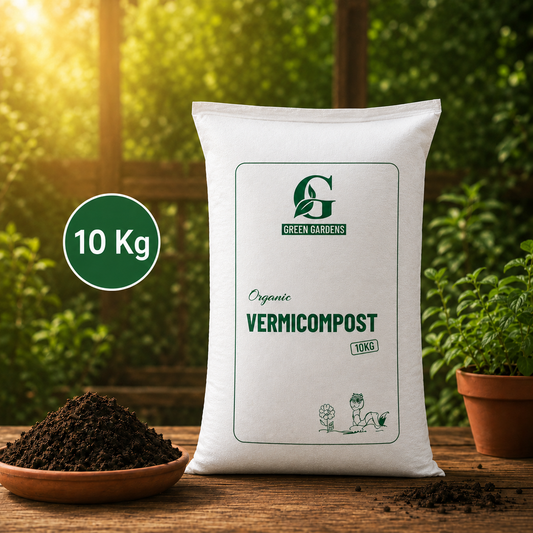
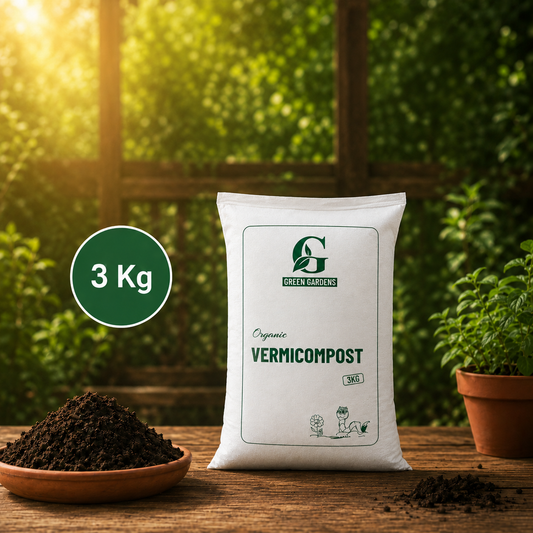
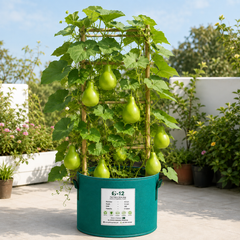
For container cultivation, use spacious GREEN GARDENS Grow Bags and provide a strong trellis or climbing support. For healthy vine growth, use a fertile, well-drained growing medium prepared with GREEN GARDENS Vermicompost and Bhalu Mitti.
Germination Time: 5–10 days
Suitable Temperature: 20°C–32°C
Growing Guide Video Link 🔗
Best Sowing Season: 20 June to 15 August
Couldn't load pickup availability
Free standard shipping on orders over RS 5000
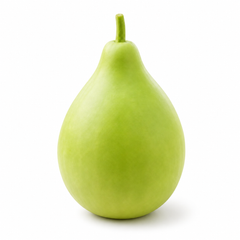
BOLBY is an F1 hybrid bottle gourd (lauki) grown for its vigorous climbing habit and distinctive bulb-shaped green fruits.
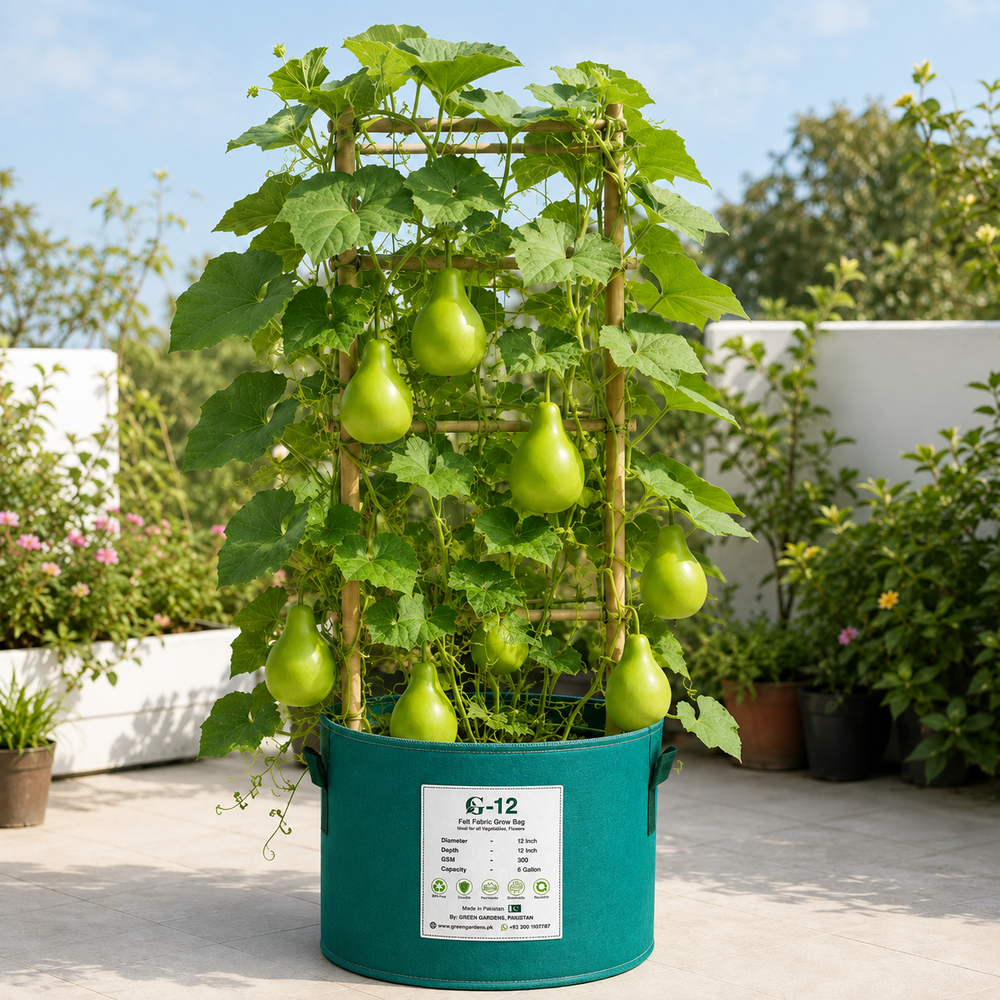
Bottle gourd vines develop long trailing stems with tendrils and perform best when trained vertically on a strong trellis, net or bamboo frame.
The fruits should generally be harvested while young, green and tender for the best culinary quality.
Tender Bottle Gourd can be used in:
Harvest fruits while tender, before the skin and seeds become hard.
G-11 Grow Bag – 11 × 10 inch
Can be used for one vine where regular watering, feeding and strong support are maintained.
G-12 Grow Bag – 12 × 12 inch
Better suited to one vigorous bottle gourd vine with additional root space.
G-24 Grow Bag – 24 × 12 inch
Recommended where greater soil volume or multiple vines with adequate spacing are desired.
Bottle gourd is a vigorous climber, so larger soil volume can make moisture and nutrient management easier.
BOLBY Bottle Gourd requires a strong support structure.
Suitable options include:
Install support early so the young vines can be trained before they become tangled.
Use:
50% Vermicompost + 50% Bhalu Mitti (Sandy Soil)
Mix thoroughly before sowing or transplanting.
The growing medium should be:
During monsoon cultivation, excellent drainage is especially important.
1. Prepare the Seeds
Optional: soak the seeds in clean water for approximately 8–12 hours before sowing.
2. Prepare the Growing Medium
Mix 50% Vermicompost + 50% Bhalu Mitti thoroughly.
Prepare a loose, fertile and well-drained growing medium.
3. Sow the Seeds
Sow seeds approximately:
2–3 cm deep
Place 1–2 seeds per sowing point and cover gently with soil.
4. Water Gently
Water immediately after sowing.
Keep the growing medium consistently moist during germination without making it soggy.
5. Germination
Seeds generally germinate within approximately:
5–10 days
under suitable warm conditions.
6. Light Requirements
Provide around 6–8 hours of direct sunlight daily.
Full sunlight supports vigorous vines, flowering and fruit development.
7. Thin the Seedlings
If multiple seedlings emerge together, retain the strongest plant and remove excessive crowding.
8. Plant Spacing
Maintain approximately:
60–90 cm between plants
where sufficient space is available.
9. Provide Climbing Support
Install a trellis, net, bamboo frame or pergola early.
Guide young vines gently onto the support.
The plant will naturally climb using tendrils.
10. Watering
Water deeply whenever the upper soil begins to dry.
Maintain more consistent moisture during flowering and fruit development.
During rainy periods, reduce irrigation if the growing medium remains naturally moist.
11. Feeding
The recommended soil mix already contains Vermicompost.
Additional GREEN GARDENS Vermicompost may be applied lightly around established vines when required.
Avoid excessive nitrogen feeding, which may encourage excessive vine growth at the expense of flowering.
12. Training & Pruning
Train vigorous vines along the support structure.
Remove weak, damaged or excessively crowded growth when necessary to improve airflow.
13. Flowering & Pollination
Bottle gourd produces separate male and female flowers on the same plant.
Bees and other pollinating insects usually help with fruit set.
Avoid unnecessary insecticide spraying during active flowering.
14. Harvesting
Harvest fruits while they are:
Use clean scissors or pruning shears and leave a short stem attached.
Regular harvesting can encourage continued flower and fruit production.
Thanks for subscribing!
This email has been registered!