



- Choosing a selection results in a full page refresh.

Available 24/7 at
0300 110 7787
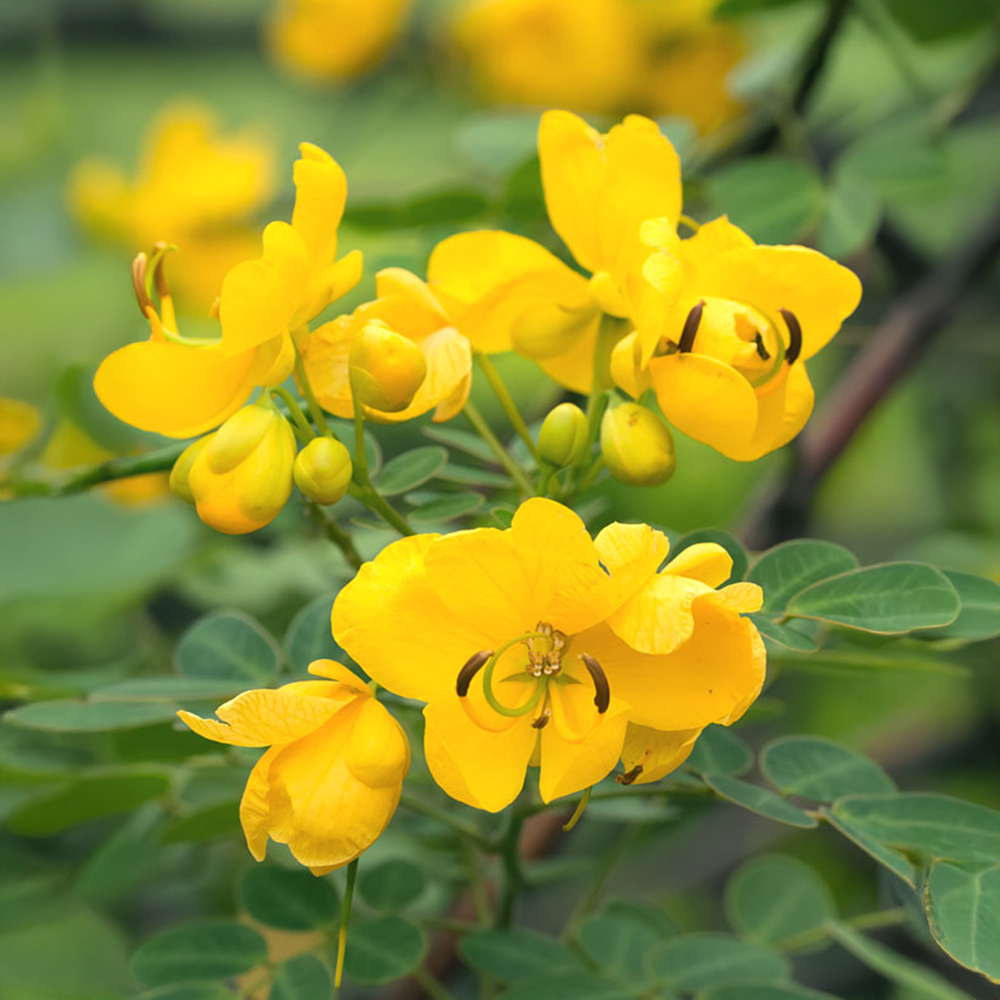
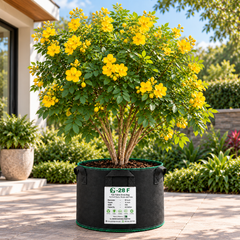
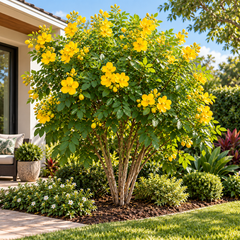
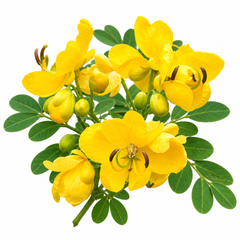
10 seeds per pack.
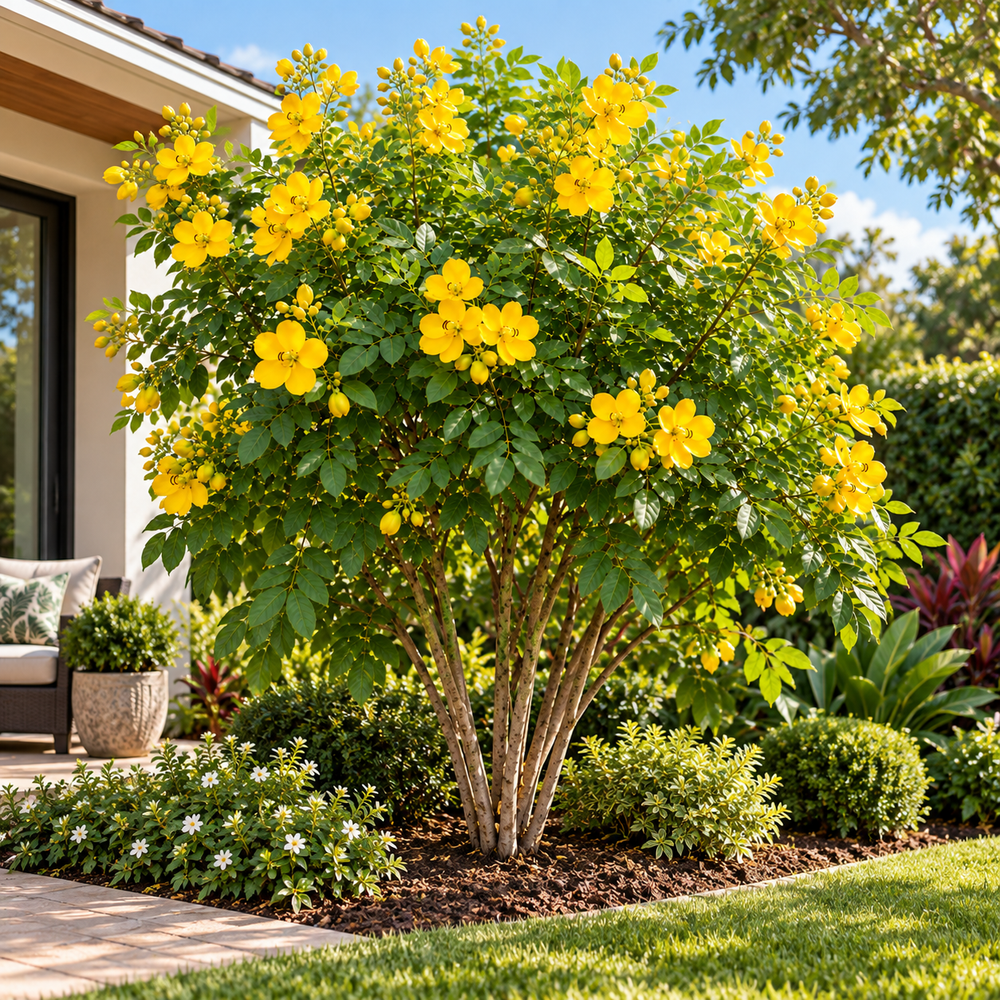
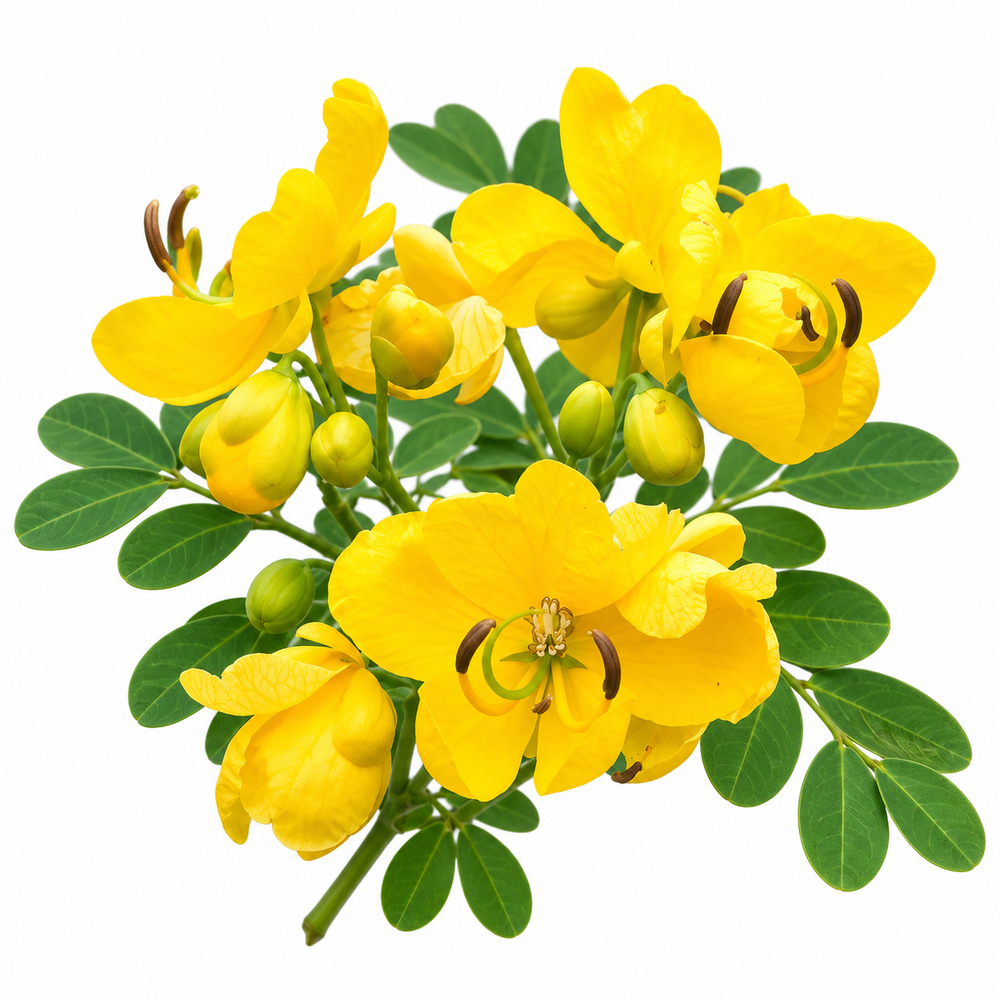
Grow the beautiful Senna bicapsularis (Butterfly Bush), formerly and commonly known as Cassia bicapsularis, a vigorous perennial flowering shrub admired for its bright yellow flowers, attractive green foliage and excellent pollinator value.
This fast-growing ornamental shrub attracts butterflies, bees and other beneficial flower-visiting insects, making it an excellent addition to pollinator-friendly home gardens and landscapes.
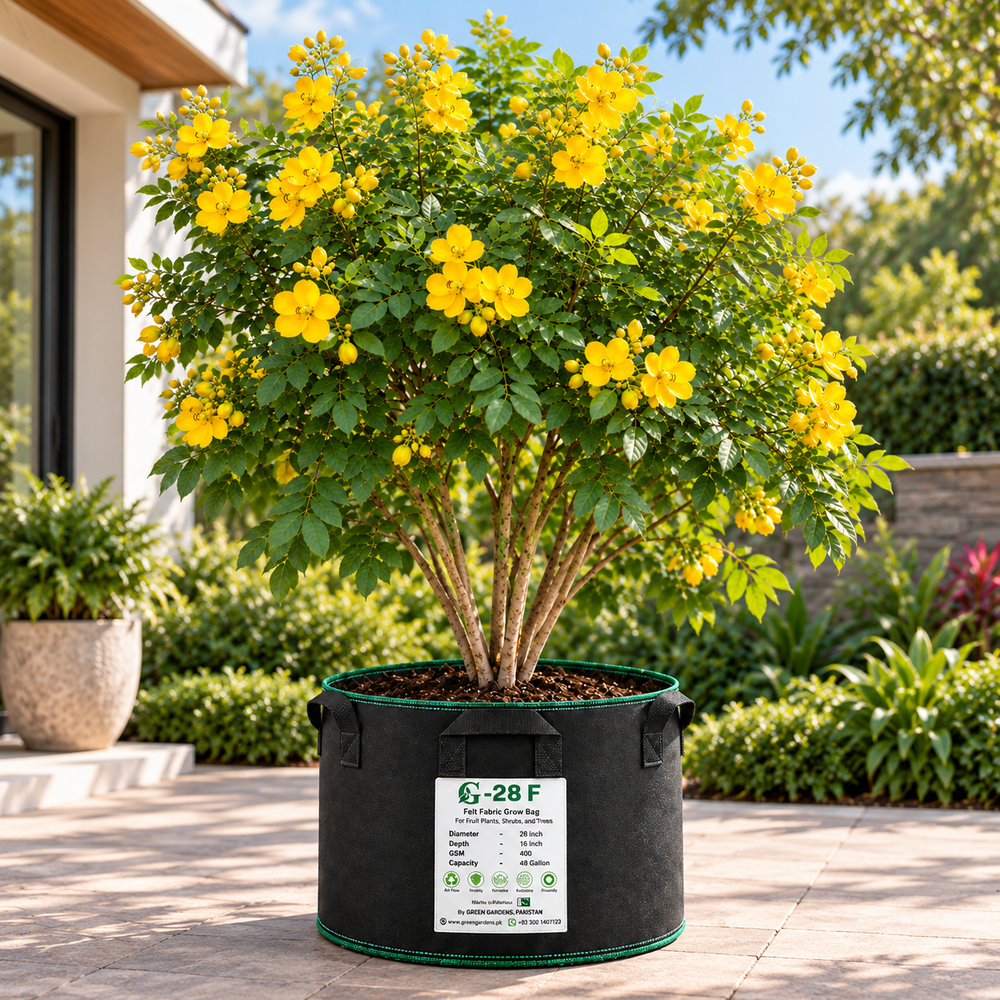
Once established, Senna bicapsularis develops into a substantial woody shrub suitable for garden beds, shrub borders, landscape planting and large containers or grow bags.
Best Sowing Season: February–April & September–October
Couldn't load pickup availability
Free standard shipping on orders over RS 5000
👌🏻👌🏻👌🏻👌🏻👌🏻
Senna bicapsularis is an ornamental shrub valued for its:
The currently accepted botanical name is:
Senna bicapsularis
The older botanical name still widely found in horticulture and the seed trade is:
Cassia bicapsularis
Because Senna Bicapsularis develops into a:
Large woody perennial shrub
small containers should only be used during the early stages of growth.
G-12 Grow Bag – 12 × 12 inch 🔗
Suitable for:
Young plants and early establishment.
As the plant develops, shift it to a substantially larger root volume.
G-20 F Grow Bag – 20 × 16 inch | 22 Gallon 🔗
Highly recommended for larger and longer-term container growing.
Its greater soil volume provides:
For unrestricted mature growth:
Open garden soil is preferable wherever sufficient space is available.
Senna Bicapsularis is adaptable but performs best in:
Loose, fertile and well-draining soil.
A practical GREEN GARDENS potting mix can include:
50% Bhalu Mitti / Sandy Soil + 40% GREEN GARDENS Vermicompost 🔗 + 10% Cocopeat
The growing medium should provide:
A soil pH of approximately:
6.0–7.5
is suitable.
Avoid:
Senna seeds naturally develop a:
Hard outer seed coat.
This hard coat can prevent rapid water absorption and may cause:
Slow or uneven germination.
Pre-sowing treatment is therefore useful.
Before soaking, gently:
Scratch, nick or lightly sand a small area of the outer seed coat.
Suitable tools include:
Only weaken the outer coat.
Do not cut deeply enough to damage the inner seed.
After light scarification:
Soak the seeds in normal to slightly warm water for approximately 12–24 hours.
Seeds that successfully absorb moisture may:
Become visibly swollen.
This indicates that water has penetrated the hard seed coat.
Fill a nursery pot, seedling container or tray with:
Loose, fertile and well-draining growing medium.
Moisten the growing medium lightly before sowing.
Sow seeds approximately:
0.5–1 cm deep.
Cover lightly with fine growing medium.
Do not sow excessively deep.
After sowing:
Water gently.
Maintain:
Consistent light moisture
during germination.
Avoid:
Under suitable conditions, Senna Bicapsularis seeds generally germinate within approximately:
10–20 days.
A favourable temperature range is approximately:
20–25°C.
Germination may vary according to:
One of the most important factors for Senna Bicapsularis is:
Breaking the hard seed coat sufficiently for water to enter.
For home gardeners, the practical method is:
Light scarification → 12–24 hours soaking → sowing in warm, moist, well-draining medium.
Do not damage the seed embryo during scarification.
After sowing:
Moist soil is required, but waterlogged soil is not.
Once seedlings emerge:
As plants strengthen, gradually move them toward:
Full sunlight.
Seedlings can be transplanted when approximately:
6–8 inches tall
and sufficiently strong.
Transplant carefully into:
Water thoroughly after transplanting.
Allow plants to establish before heavy pruning or strong feeding.
For garden planting, maintain approximately:
3–4 feet between plants
as a practical minimum.
Because Senna Bicapsularis can eventually develop into a sizeable spreading shrub:
More space is preferable where unrestricted mature growth is desired.
Good spacing encourages:
Senna Bicapsularis performs best in:
Full sun.
Provide approximately:
6–8 hours of direct sunlight daily.
Strong sunlight encourages:
Some light partial shade may be tolerated, but flowering is generally strongest in good sunlight.
During seedling growth and establishment:
Maintain regular moderate moisture.
Do not allow young plants to become severely dry.
Once established, Senna Bicapsularis develops:
Moderate drought tolerance.
For established plants:
Container-grown plants require more frequent moisture checks than shrubs planted directly in the ground.
Before planting, improve the growing medium with:
During active growth, moderate nutrition supports:
Avoid excessive nitrogen because it may encourage:
Excessive leafy growth with reduced flowering.
Senna Bicapsularis produces:
Bright yellow flowers
over its branching shrub canopy.
Under suitable warm-climate growing conditions, flowering may occur from:
Warm season into autumn
with the exact flowering period depending on:
Established plants normally produce a much stronger flowering display than young seedlings.
One of the strongest reasons for growing Senna Bicapsularis is its value in:
Pollinator-friendly gardens.
Its bright yellow flowers may attract:
This makes it particularly useful for:
Because Senna plants can form part of butterfly-friendly gardens, gardeners may occasionally notice:
Caterpillars feeding on foliage.
Do not automatically treat every caterpillar as a harmful pest.
Where butterfly conservation is an objective:
Identify the caterpillar first.
Some leaf feeding may be part of a natural butterfly life cycle.
Avoid unnecessary broad-spectrum pesticide use where pollinator support is the goal.
Young established plants can be lightly pinched to encourage:
Do not repeatedly pinch very young seedlings.
Allow plants to establish first.
Senna Bicapsularis responds well to:
Regular pruning and shaping.
Pruning can help:
Larger established plants may require:
Regular shaping
when grown in small home gardens or containers.
Remove old flower clusters where practical.
Deadheading can help:
For a large established landscape shrub, complete deadheading is not essential.
Young Senna Bicapsularis plants may initially benefit from:
Light staking
particularly when grown in:
As the woody framework develops, the plant normally becomes increasingly self-supporting.
When growing Senna Bicapsularis in a container:
Remember:
This is naturally a large shrub, not a small seasonal pot flower.
Long-term container performance improves with increased root volume.
During Lahore's hot summer:
Healthy established shrubs generally tolerate heat better than young seedlings.
Senna Bicapsularis is primarily a:
Warm-climate perennial shrub.
During Lahore's colder periods:
Growth may slow during cold weather.
Severe frost may damage:
Young plants and container-grown specimens generally require more protection than established shrubs.
Where only top growth is damaged:
Healthy established plants may produce fresh growth when temperatures rise again.
Once properly established, Senna Bicapsularis develops:
Useful drought tolerance.
It generally responds better to:
Deep but less frequent irrigation
than constantly wet soil.
Young plants still require regular moisture while establishing their root systems.
Senna Bicapsularis is generally:
Relatively low maintenance.
Inspect plants occasionally for:
If caterpillars are present:
Identify them before treatment
especially when the plant is intentionally being grown as part of a butterfly garden.
Senna Bicapsularis generally remains healthy when plants receive:
Avoid:
Good drainage is especially important for container-grown specimens.
G-12 Grow Bag – 12 × 12 inch 🔗
Thanks for subscribing!
This email has been registered!


We are here to assist you