



- Choosing a selection results in a full page refresh.

Available 24/7 at
0300 110 7787
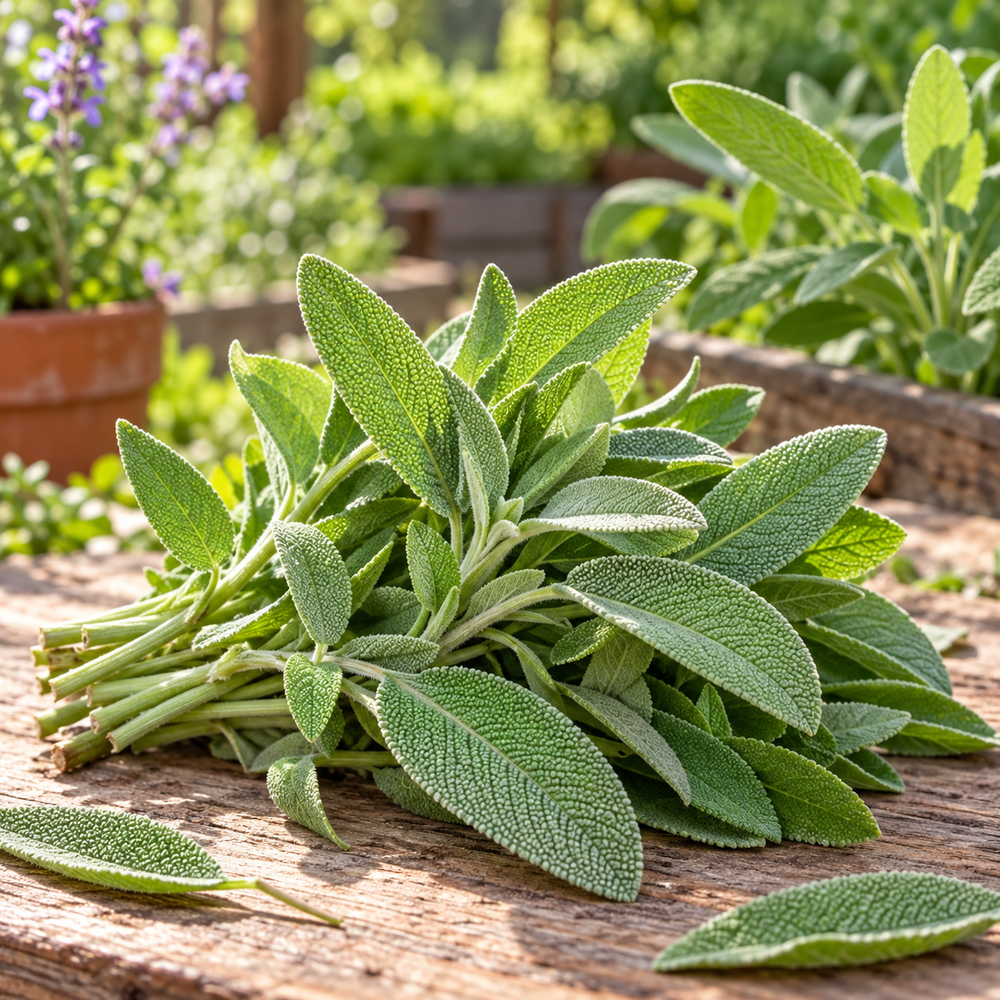


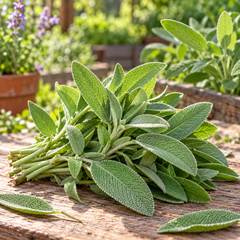
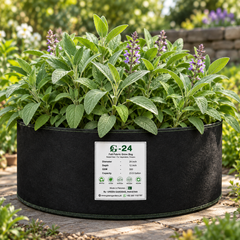

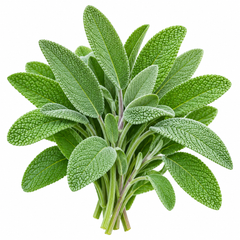
Approx. 20 seeds per pack.
Grow Sage, a classic aromatic culinary herb producing attractive grey-green leaves with a strong, earthy and slightly peppery fragrance.
Excellent for seasoning vegetables, meat dishes, sauces, soups, herb butter, stuffing and herbal preparations.
Suitable for kitchen gardens, raised beds, pots, grow bags, balconies and rooftop gardening.
Germination Time: 10–21 days
Suitable Temperature: 18°C–24°C
Best Sowing Season: February - April & September - November
Couldn't load pickup availability
Free standard shipping on orders over RS 5000
Sage belongs to the species Salvia officinalis.
It is a perennial evergreen to semi-evergreen aromatic herb in suitable climates and belongs to the mint family:
Lamiaceae
Sage plants develop:
The leaves have a distinctive flavour that is:
This seed is listed as:
OP – Open Pollinated
meaning plants are produced from an open-pollinated seed line rather than an F1 hybrid.
Exact plant height, leaf size, aroma intensity and flowering time may vary slightly within an open-pollinated population.
Sage is especially suitable for:
Because Sage has a strong flavour, it is generally used:
In small quantities
Fresh leaves have a softer flavour, while dried leaves become more concentrated.
Suitable for a young or compact Sage plant.
G-11 Grow Bag – 11 × 10 inch 🔗
Recommended for one established Sage plant.
G-12 Grow Bag – 12 × 12 inch 🔗
Provides additional root space for a mature perennial plant and longer-term container growing.
For long-term Sage cultivation, G-11 or G-12 is preferable because plants gradually develop woody stems and a larger root system.
Sage prefers loose, moderately fertile and very well-drained soil.
A practical GREEN GARDENS mix can be:
50% Bhalu Mitti (Sandy Soil) + 50% Vermicompost 🔗
However, where drainage is slow, increase the proportion of coarse sandy material rather than keeping the mix overly rich.
Sage prefers:
An approximate soil pH of:
6.0–7.5
is suitable.
Avoid:
Sage is especially sensitive to root problems in poorly drained conditions.
Sage seeds may be started in:
Sow approximately:
0.5–1 cm deep
Cover lightly with fine soil.
Water gently.
Keep the growing medium moist but never saturated.
Seeds generally germinate within:
10–21 days
under suitable conditions.
Maintain approximately:
18°C–24°C
for good germination.
Germination may be somewhat irregular, so allow sufficient time before assuming unsprouted seeds have failed.
After germination, provide:
Allow the soil surface to begin drying slightly between waterings.
Avoid keeping seedlings continuously wet.
Transplant seedlings once they have:
Several true leaves
and are strong enough to handle.
Move plants carefully into:
Avoid disturbing the roots excessively.
Provide:
6–8 hours of direct sunlight daily
Sage performs best in:
Full sun
Good sunlight supports:
Maintain approximately:
30–45 cm between mature plants
in beds or open ground.
For container cultivation:
One mature Sage plant per G-11 or G-12 Grow Bag
is recommended.
Adequate spacing improves airflow around the foliage.
Water regularly while plants are young and establishing.
Once established, allow the upper soil to dry between waterings.
Avoid:
Established Sage is relatively drought tolerant.
Overwatering is generally a greater problem than slight dryness.
Before planting, incorporate a moderate quantity of GREEN GARDENS Vermicompost 🔗.
Sage does not require extremely rich soil.
Excessive fertilizer, particularly nitrogen, can produce:
Use light balanced feeding only when growth appears deficient.
Pinch young plants lightly to encourage:
Once plants become established, occasional pruning helps maintain a compact shape.
Avoid cutting heavily into old woody stems where no healthy green growth remains.
Mature Sage plants may produce attractive flower spikes.
Flowers are commonly:
depending on the seed strain and conditions.
Flowering plants may attract:
If leaf production is the main goal, flower stems may be removed as they develop.
Established Sage generally tolerates warm weather better than many soft leafy herbs.
During Lahore summer conditions:
Young container plants may benefit from some protection during extreme heat.
Inspect plants regularly for:
The most important preventive measures are:
Avoid continuously wet foliage and soil.
Begin light harvesting when plants are:
Well established and actively growing
Pick individual leaves or tender shoot tips.
Avoid removing too much foliage from young plants.
Once mature, Sage can be harvested repeatedly.
Cut:
Young leafy shoots above healthy nodes
to encourage branching and fresh growth.
For the best aroma, harvest healthy leaves before the plant enters heavy flowering.
Sage leaves are excellent for drying.
Harvest clean healthy foliage and place it in a:
Dry, shaded and well-ventilated location
Once completely dry:
Dried Sage has a concentrated flavour, so use smaller quantities than fresh leaves.
G-11 Grow Bag – 11 × 10 inch 🔗
Thanks for subscribing!
This email has been registered!


We are here to assist you