



- Choosing a selection results in a full page refresh.

Available 24/7 at
0300 110 7787
Approx. 50-60 seeds per pack.
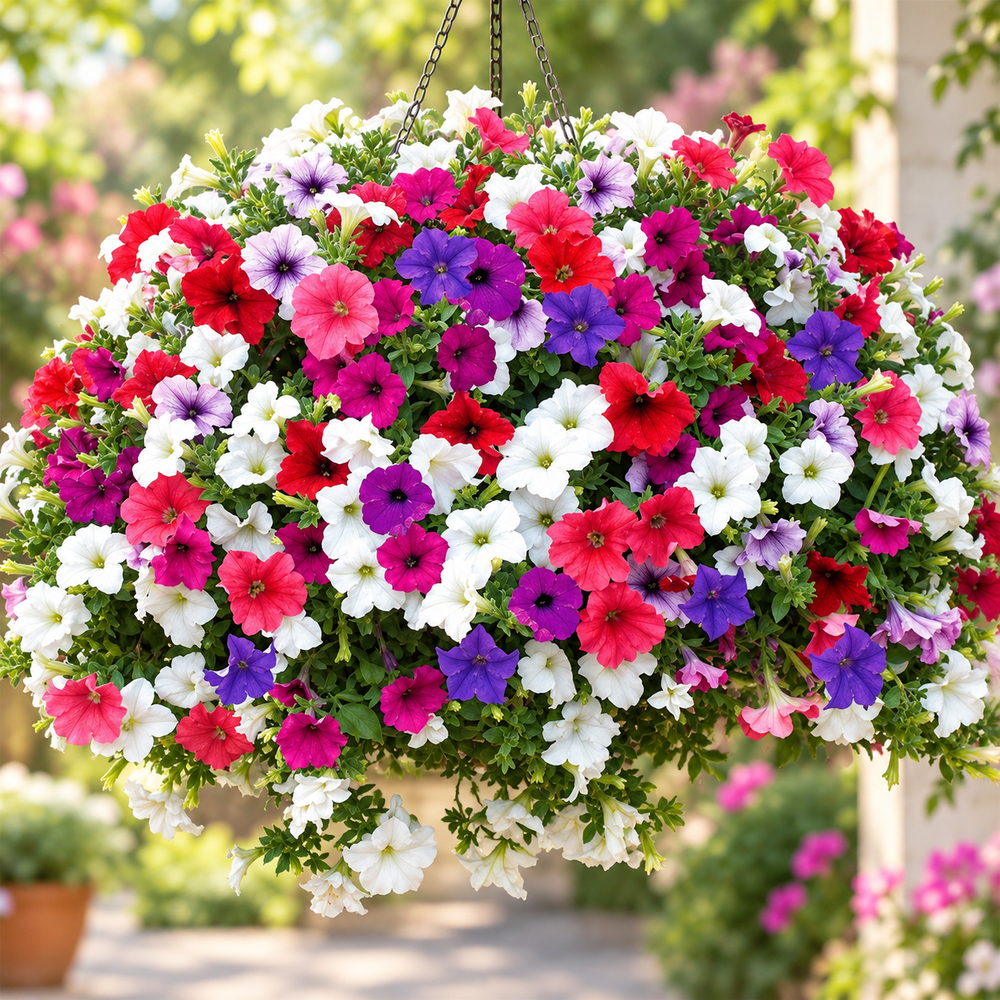
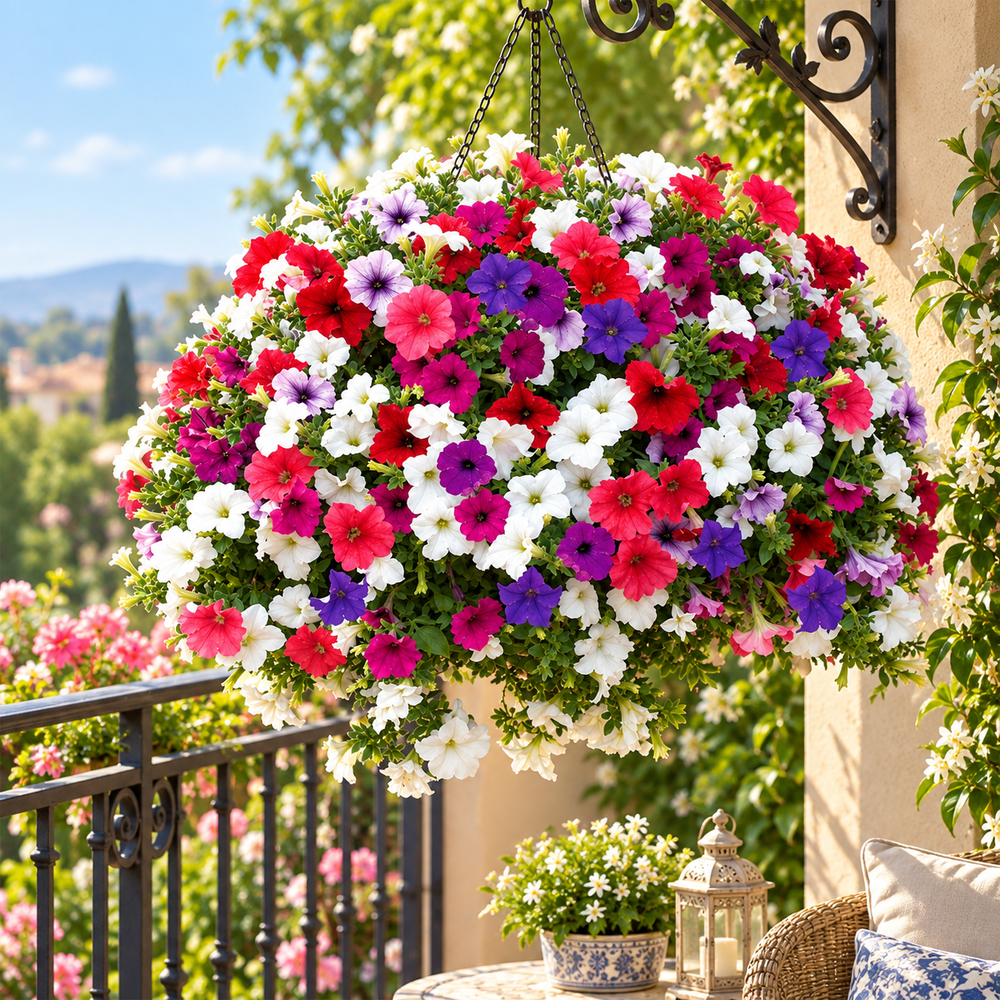
Grow beautiful Balcony Petunia – Petunia Nana Compacta, a compact and bushy winter flowering plant specially suited to pots, balconies, hanging baskets, window boxes and small garden spaces.
This dwarf Petunia develops a neat, low-growing habit with abundant colourful trumpet-shaped flowers that can create an impressive display throughout the cool season.
Its compact growth makes it particularly suitable for gardeners who want maximum flowering in limited spaces.
Best Sowing Season: October - December
Couldn't load pickup availability
Free standard shipping on orders over RS 5000
Balcony Petunia is a compact Petunia selection valued for its:
Unlike vigorous spreading Petunias, Nana Compacta develops a relatively compact plant that is especially useful for containers, borders and balcony displays.
Balcony Petunia typically develops a:
Compact, low and bushy habit.
Depending on genetics and growing conditions, Nana Compacta types generally remain approximately:
20–30 cm / 8–12 inches tall
although individual plants may vary.
The compact habit makes this Petunia particularly useful where neat growth is preferred.
G-11 Grow Bag – 11 × 10 inch 🔗
Highly recommended for Balcony Petunia.
Its size provides sufficient soil volume while remaining practical for balconies and small spaces.
A G-11 can be used to develop a compact flowering display with proper spacing and care.
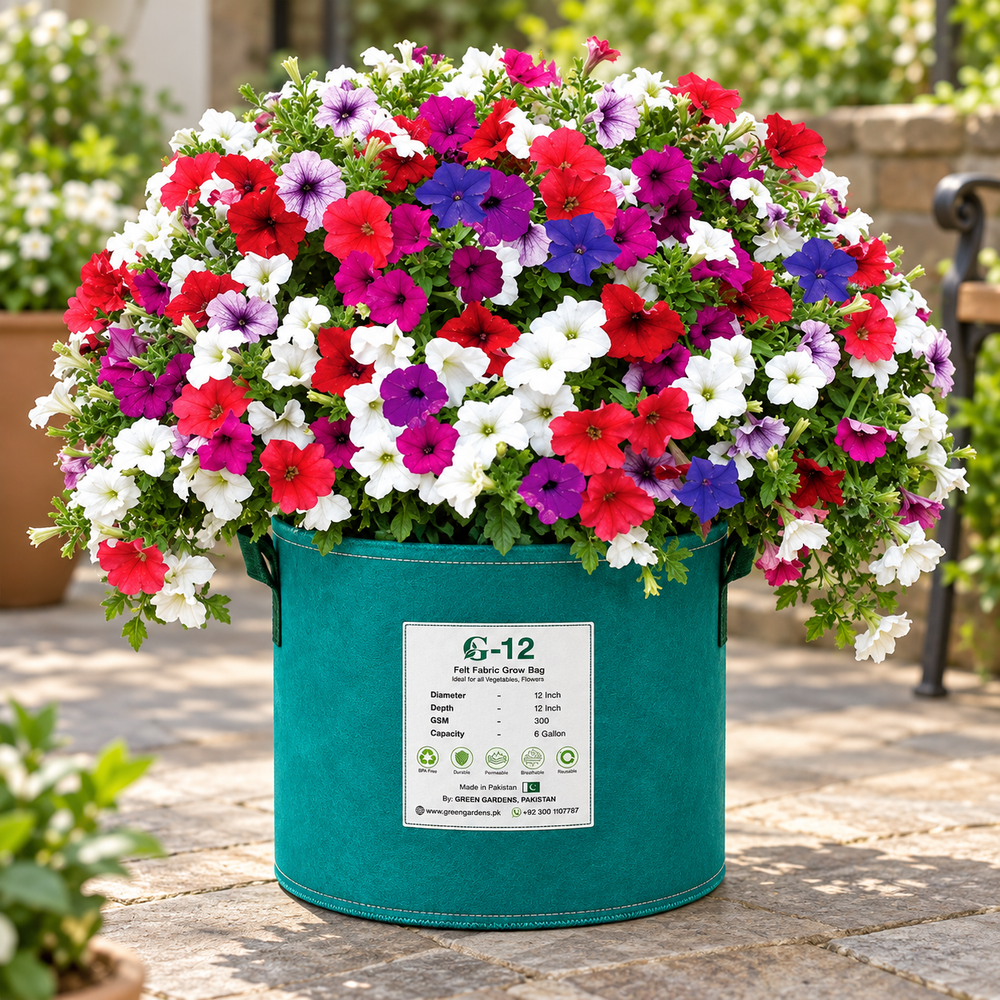
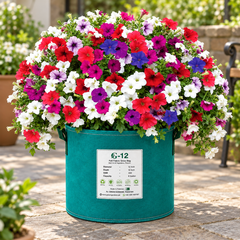
G-12 Grow Bag – 12 × 12 inch 🔗
Also an excellent option where a larger and fuller flowering display is desired.
Balcony Petunia is additionally ideal for:
Use a:
Light, fertile and well-draining growing medium.
A practical GREEN GARDENS mix can include:
50% Bhalu Mitti / Sandy Soil + 50% GREEN GARDENS Vermicompost 🔗
For seed starting, an even lighter medium containing some cocopeat can be useful.
The growing medium should provide:
Petunias generally prefer a slightly acidic to neutral growing medium.
Avoid:
Petunia seeds are:
Extremely small.
Prepare a fine, level and moist seed-starting medium before sowing.
Do not make deep holes for the seeds.
Petunia seeds require:
Light for germination.
Scatter the seeds carefully over the surface of the moist growing medium.
Then:
Press them very gently onto the surface.
Do not bury them under normal soil.
If required, use only an extremely light dusting of fine vermiculite or growing medium while still allowing light to reach the seeds.
After sowing, use:
A very fine mist spray.
Do not pour water directly onto the surface because the tiny seeds can easily:
Keep the surface consistently moist during germination.
Under suitable conditions, germination generally occurs within approximately:
7–14 days
at approximately:
18–22°C
although individual seeds may emerge slightly earlier or later.
During germination:
The most important rule for Petunia seeds is:
Do not bury them deeply.
Because Petunia seeds require light for germination, excessive covering can significantly reduce emergence.
Surface sowing and gentle misting are strongly recommended.
Once seedlings emerge:
Good light helps produce:
Shorter, stronger and more compact seedlings.
When seedlings develop approximately:
2–3 true leaves
they can be transplanted carefully into:
Handle seedlings gently because young Petunia plants are delicate.
Water lightly after transplanting.
Maintain approximately:
15–20 cm / 6–8 inches between plants
for good growth and airflow.
Proper spacing encourages:
Once seedlings become well established, light pinching of the growing tip can help encourage:
Do not pinch very small or recently transplanted seedlings.
Allow them to establish first.
Provide at least:
5–6 hours of direct sunlight daily.
Good winter sunlight encourages:
Petunias may tolerate some light partial shade, but flowering is generally better with strong winter sunlight.
Maintain:
Moderate and consistent moisture.
Water when the upper layer of soil begins to dry.
Avoid:
Container-grown plants may dry more quickly than plants grown in garden beds.
Petunias in:
Hanging baskets and small balcony containers
can dry faster because the growing medium is exposed to more air.
Check these containers regularly.
Water thoroughly when required but always allow excess water to drain freely.
Before planting, enrich the growing medium with:
During active growth and flowering, a balanced liquid or flowering fertiliser may be used approximately every:
3–4 weeks
according to product instructions.
Avoid excessive nitrogen because it may produce:
Excessive foliage with fewer flowers.
Balcony Petunia can produce abundant:
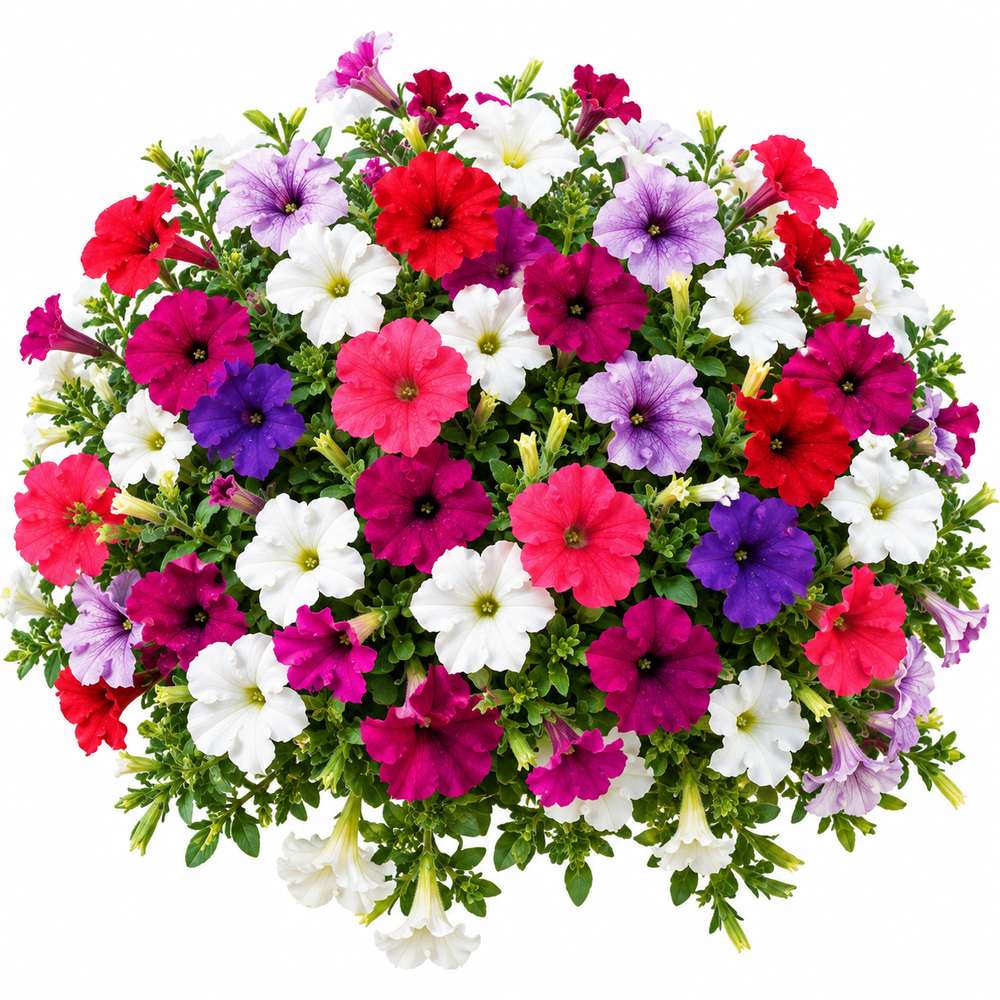
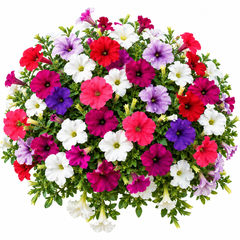
Colourful trumpet-shaped flowers
over a long cool-season period.
Flowering performance depends strongly on:
Well-maintained plants can provide continuous colour for several months.
Balcony Petunia is sold as a colourful flowering selection.
Individual plants may produce different shades depending on the genetics present in the seed lot.
Flower colours can vary naturally between plants.
Because an exact colour ratio is not specified:
The number or proportion of individual flower colours should not be considered guaranteed.
Regularly remove:
Old and faded flowers.
Deadheading encourages plants to direct energy toward:
When removing faded blooms, remove the developing seed capsule where practical rather than only pulling off the petals.
If an established Petunia becomes:
light trimming can encourage:
Fresh compact growth and new flowering shoots.
Do not severely cut young or weak plants.
After trimming established plants, maintain proper nutrition and watering to support recovery.
Balcony Petunia performs best during the cool season.
During winter:
Cool sunny conditions generally produce an excellent flowering display.
Petunia flowers can become damaged by:
Heavy rain or repeated wet conditions.
Container-grown Balcony Petunias may benefit from a sheltered position during prolonged rain.
This is particularly useful for:
For Lahore and the hot plains of Pakistan, Balcony Petunia should primarily be treated as a:
WINTER seasonal flower.
As temperatures increase significantly toward late spring:
Extreme summer heat is unsuitable for peak Petunia performance.
Inspect plants periodically for:
Pay particular attention to:
Early detection makes pest management easier.
Petunias benefit from:
Avoid:
Damp, crowded conditions can encourage fungal problems.
Petunia flowers may attract:
They can be included in colourful mixed winter container and pollinator displays.
Balcony Petunia is particularly suitable for:
Its naturally compact habit makes it especially useful where:
High flower impact is required without a large plant.
Balcony Petunia – Nana Compacta is expected to develop a:
Compact, dwarf and bushy flowering habit.
Individual plants may vary naturally in:
These differences can result from:
The exact proportion of flower colours is not guaranteed unless specifically stated for the seed batch.
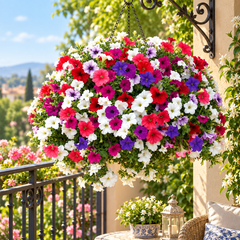
Product photographs represent the expected general appearance of mature plants grown under suitable conditions.
G-11 Grow Bag – 11 × 10 inch 🔗
Thanks for subscribing!
This email has been registered!


We are here to assist you