



Best Sowing Season: October - December


- Choosing a selection results in a full page refresh.

Available 24/7 at
0300 110 7787
Approx. 100 seeds per pack.
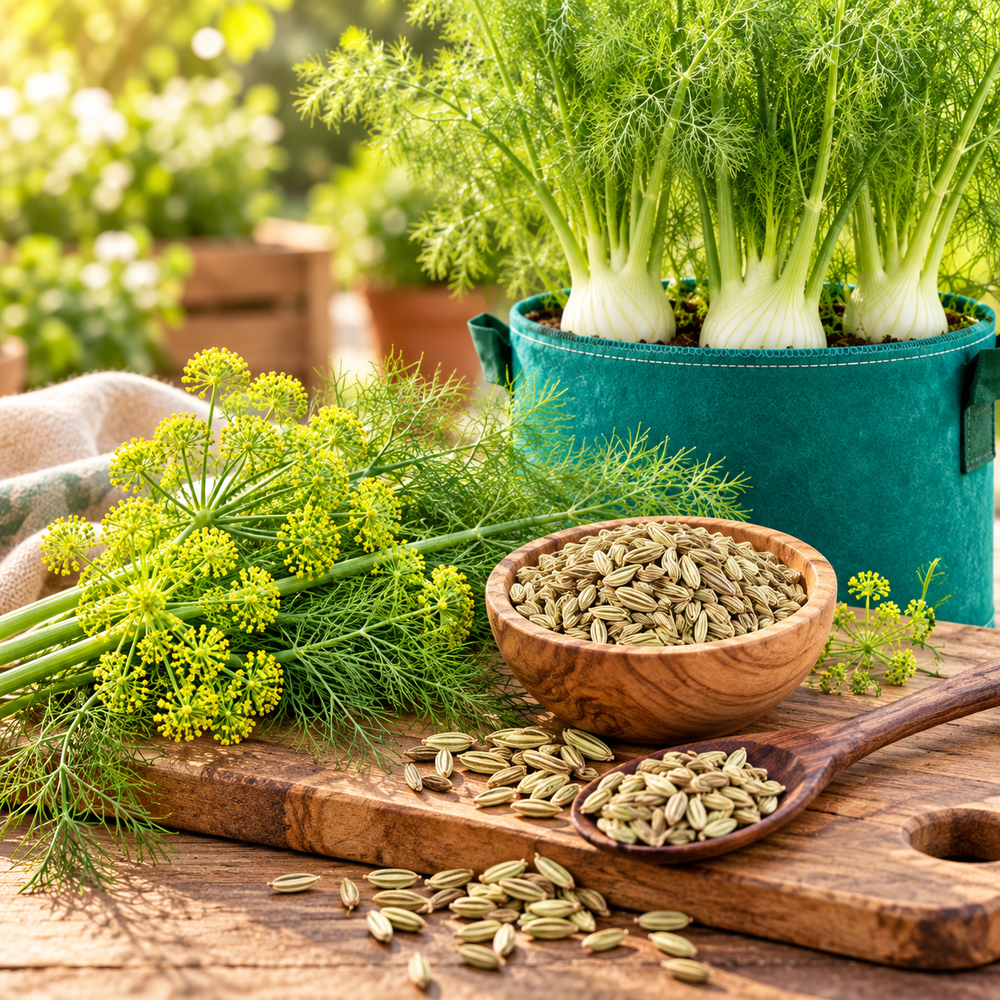
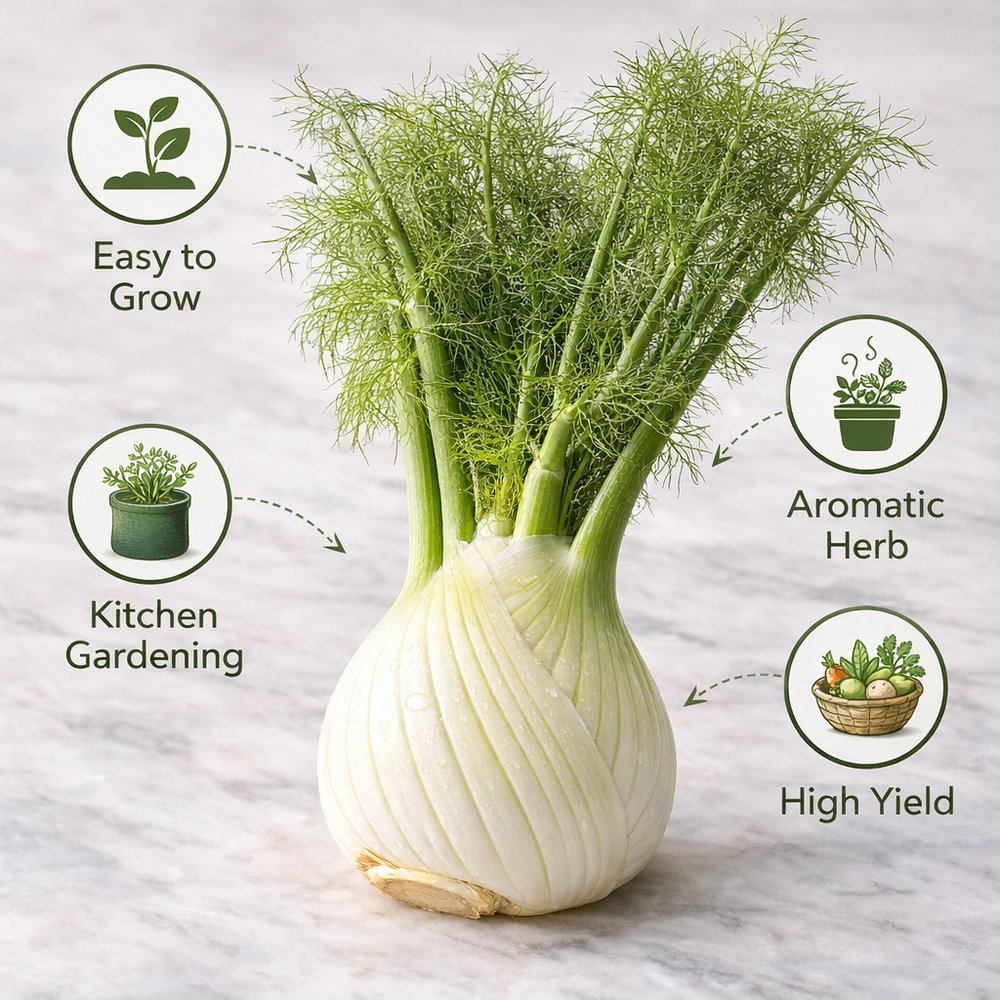
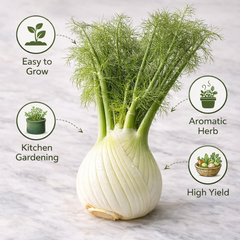
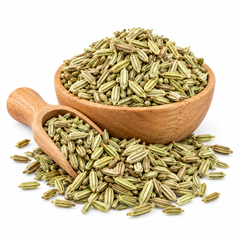
Grow Fennel (Saunf), an aromatic culinary herb producing fine, feathery leaves with a distinctive sweet, anise-like flavour. Mature plants can also produce fragrant seeds that are widely used in cooking, spice blends and traditional household use.
Suitable for kitchen gardens, herb gardens, raised beds, open soil and larger grow bags.
Germination Time: 7–14 days
Suitable Temperature: 18°C–24°C
Best Sowing Season: October - December
Couldn't load pickup availability
Free standard shipping on orders over RS 5000
Fennel is an aromatic herb botanically known as Foeniculum vulgare.
It develops upright plants with soft, finely divided, feathery foliage and a characteristic sweet anise-like aroma and flavour.
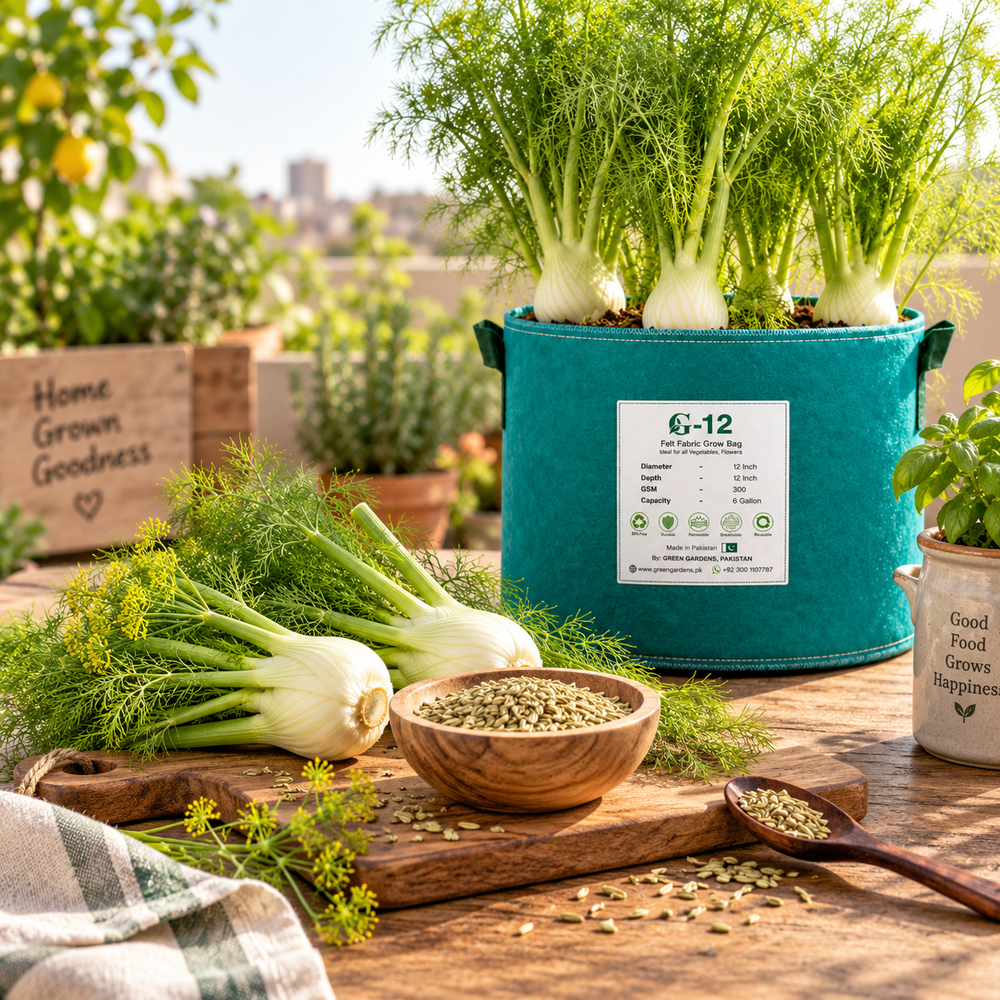
The leaves and tender stems can be harvested fresh, while mature plants may later produce yellow flower clusters followed by aromatic fennel seeds.
Leaf fennel is commonly grown for:
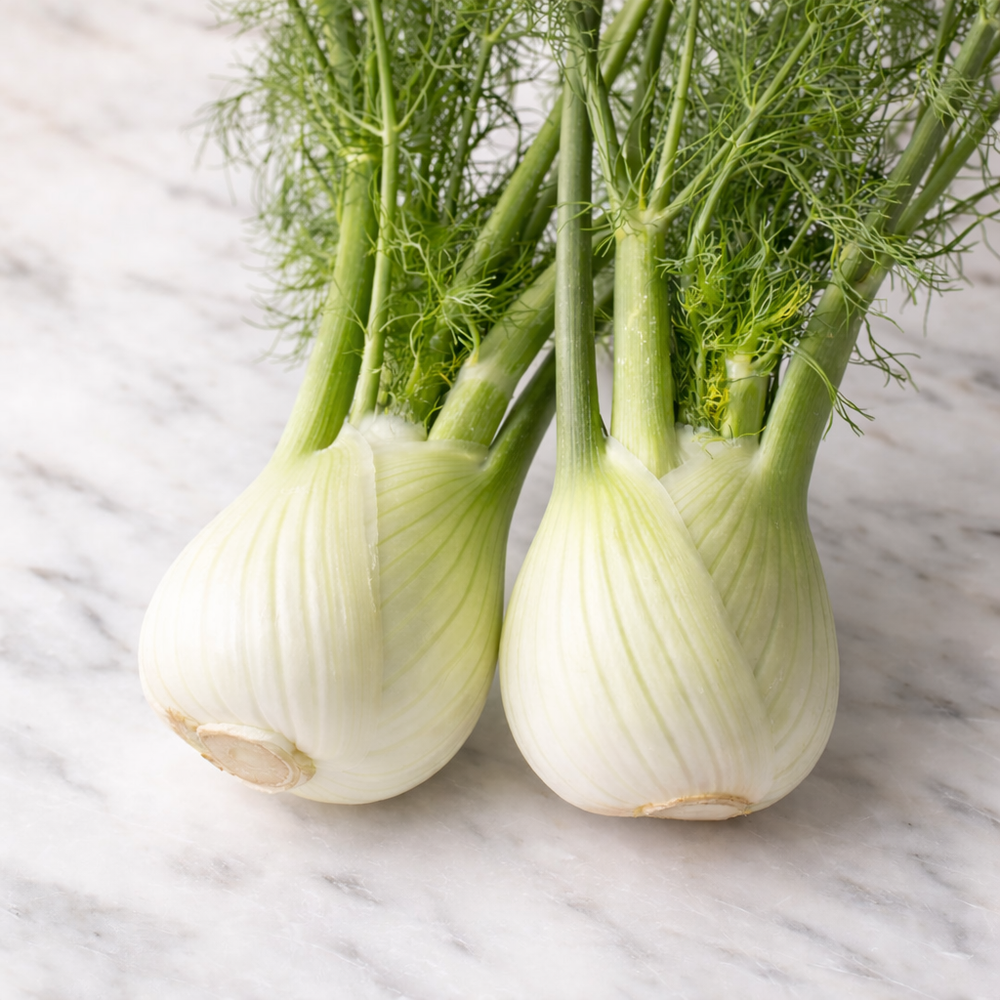
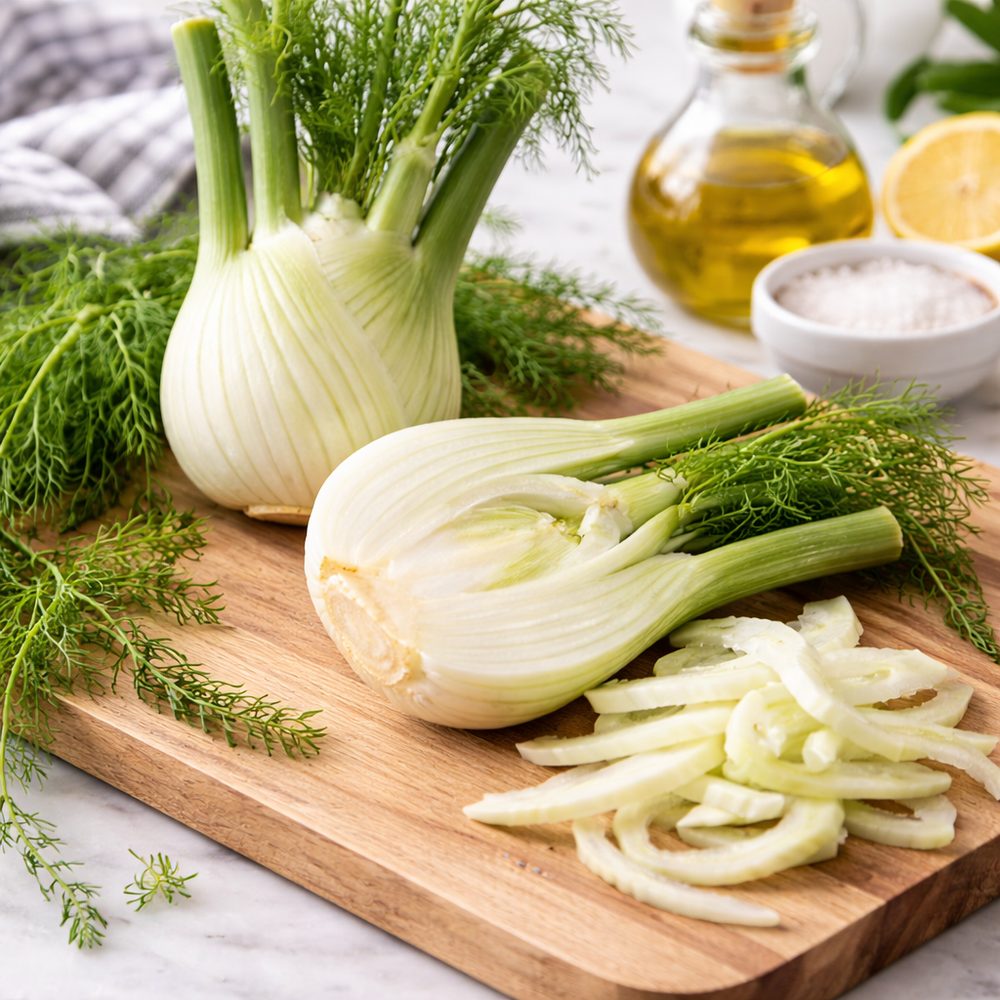
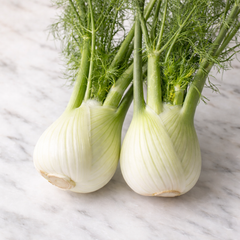
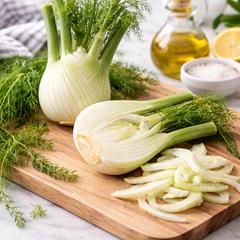
It should not be confused with Florence Fennel, which is grown mainly for its swollen edible bulb.
Fennel generally grows best in a sunny position with light, freely draining soil.
Exact plant height, flowering time and seed production may vary according to climate, sowing date and crop management.
Fennel leaves and seeds are suitable for:
Fresh foliage has a delicate, sweet, anise-like flavour.
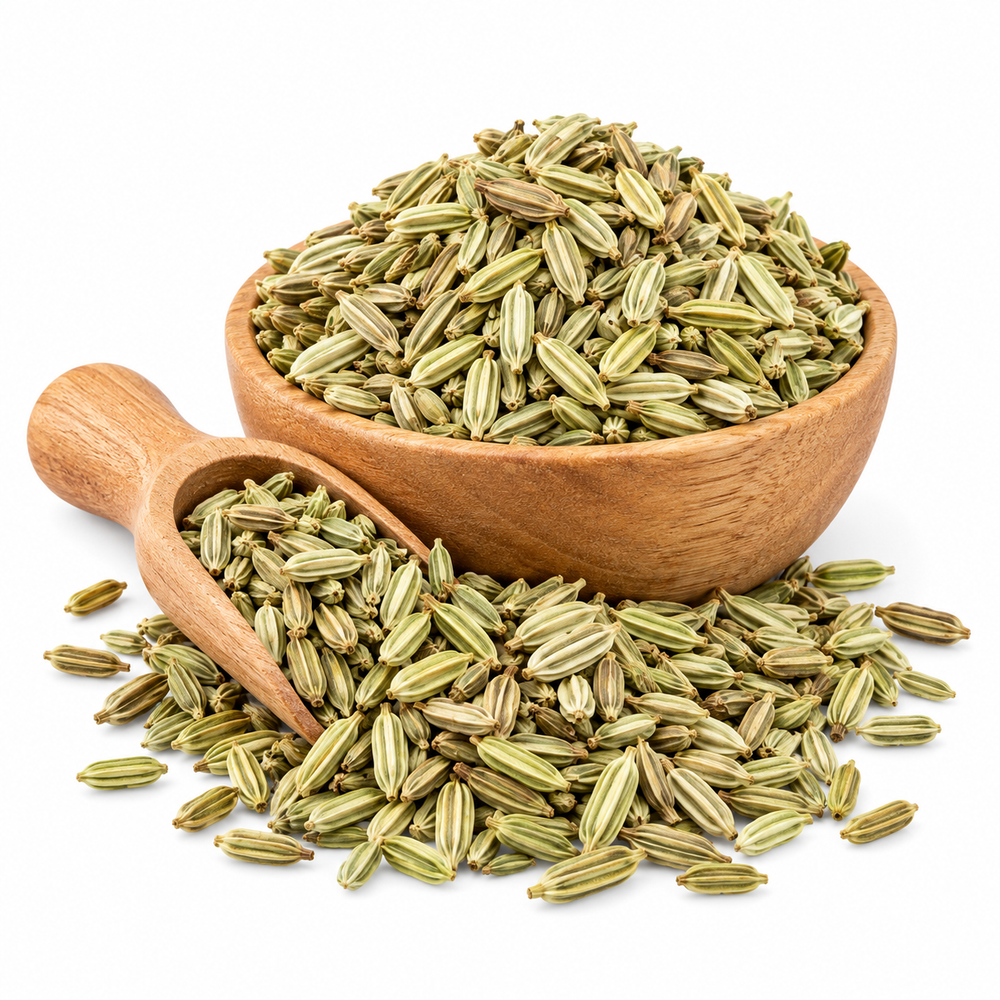
Mature fennel seeds can be dried and stored for later culinary use.
G-11 Grow Bag – 11 × 10 inch 🔗
Suitable for a small group of fennel plants where foliage is the main harvest.
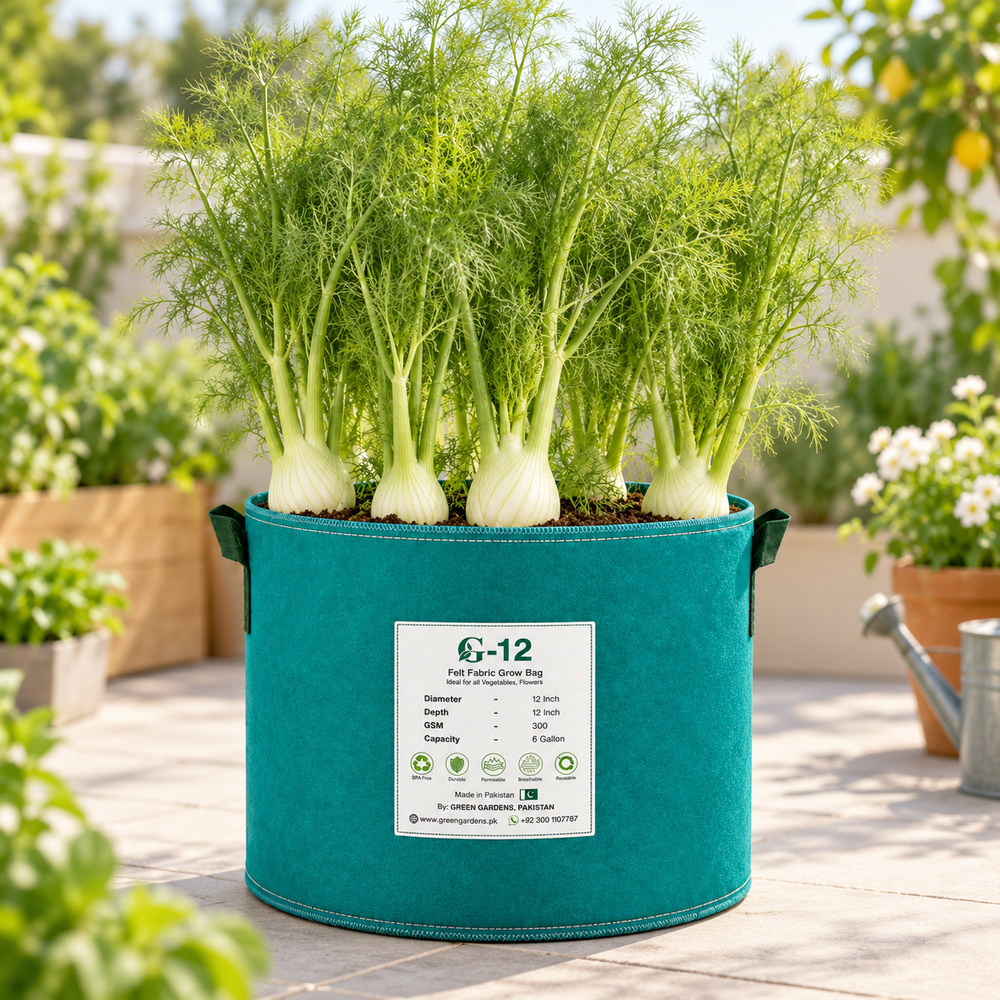
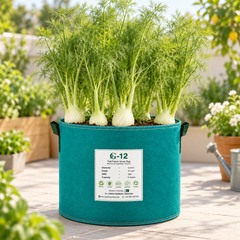
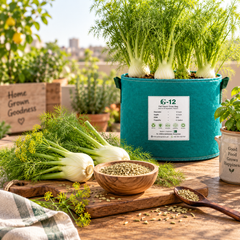
G-12 Grow Bag – 12 × 12 inch 🔗
Provides good depth for fennel's developing root system.
G-15 P Grow Bag – 15 × 14 inch 🔗
Recommended when allowing plants to grow larger and mature toward flowering and seed production.
G-24 Grow Bag – 24 × 12 inch 🔗
Suitable for growing several fennel plants together with adequate spacing.
Use light, fertile and well-drained soil.
A practical GREEN GARDENS mix can be:
50% Bhalu Mitti (Sandy Soil) + 50% Vermicompost 🔗
Fennel prefers:
Avoid continuously waterlogged or heavily compacted soil.
Johnny's specifically recommends very well-drained soil for leaf fennel.
Fennel is best direct-sown into its final growing position because it develops a taproot and generally dislikes excessive root disturbance.
Sow seeds approximately:
1 cm deep
Cover lightly with fine soil and water gently.
RHS similarly recommends sowing fennel around 1 cm deep.
Keep the soil evenly moist but not waterlogged.
Seeds generally germinate within:
7–14 days
at approximately:
18°C–21°C
under favourable conditions.
After germination, provide:
Do not keep seedlings continuously wet.
Thin seedlings gradually as they grow.
For larger mature plants or seed production, maintain approximately:
25–30 cm between plants
RHS recommends around 30 cm spacing for mature fennel plants.
Closer spacing may be used if the main purpose is harvesting young foliage.
Provide:
6–8 hours of direct sunlight daily
Fennel prefers a sunny position.
Adequate sunlight helps produce:
Maintain regular soil moisture, especially while plants are establishing.
Water particularly during:
Avoid prolonged waterlogging.
Once established, fennel is reasonably tolerant of short dry periods, but severe drought can reduce leaf and seed quality.
Before sowing, incorporate GREEN GARDENS Vermicompost 🔗.
Fennel does not require excessive feeding.
Avoid very heavy nitrogen fertilization because it may encourage excessive soft vegetative growth.
Moderate, balanced fertility is usually sufficient.
Fennel develops a strong root system and generally dislikes frequent transplanting.
For this reason:
Direct sowing is preferred.
If seedlings are started in trays, use individual modules and transplant while very young before roots become crowded. RHS specifically notes that fennel dislikes root disturbance.
Mature fennel plants may produce tall stems topped with:
Yellow umbrella-shaped flower clusters
These flowers are attractive to beneficial insects and pollinators.
Allow selected plants to flower if seeds are required.
Fresh leaves and tender stems can be harvested once plants are well established.
For the best leaf quality, harvest foliage before heavy flowering.
Johnny's recommends harvesting leaves and stems for fresh use before flowering begins.
Avoid removing too much foliage from a young plant at one time.
Allow selected plants to flower and develop seed heads.
Seeds should be harvested as they mature and begin developing their characteristic:
Grey-green to brownish mature colour
Cut mature seed heads and allow them to dry in a shaded, well-ventilated location before separating the seeds.
Apply a light organic mulch around established plants.
Mulching helps:
Keep mulch slightly away from the main stem.
Inspect plants periodically for:
Young fennel seedlings can be particularly vulnerable to slugs and snails.
Maintain good airflow and avoid prolonged waterlogging.
For foliage, harvest tender leaves as required once the plant is established.
For seeds, allow flower heads to mature before cutting and drying.
If grown mainly for leaves, regular light harvesting encourages continued fresh growth.
G-12 Grow Bag – 12 × 12 inch 🔗
Thanks for subscribing!
This email has been registered!


We are here to assist you