



- Choosing a selection results in a full page refresh.

Available 24/7 at
0300 110 7787
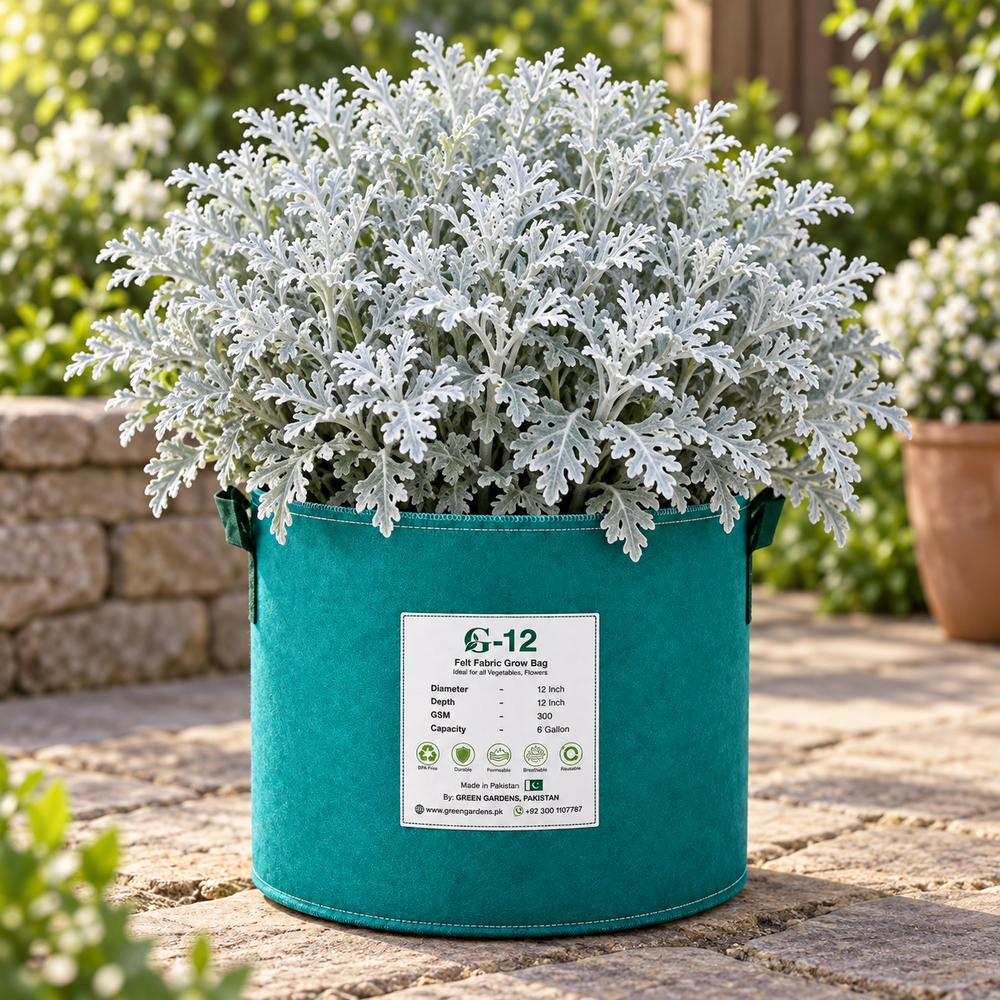
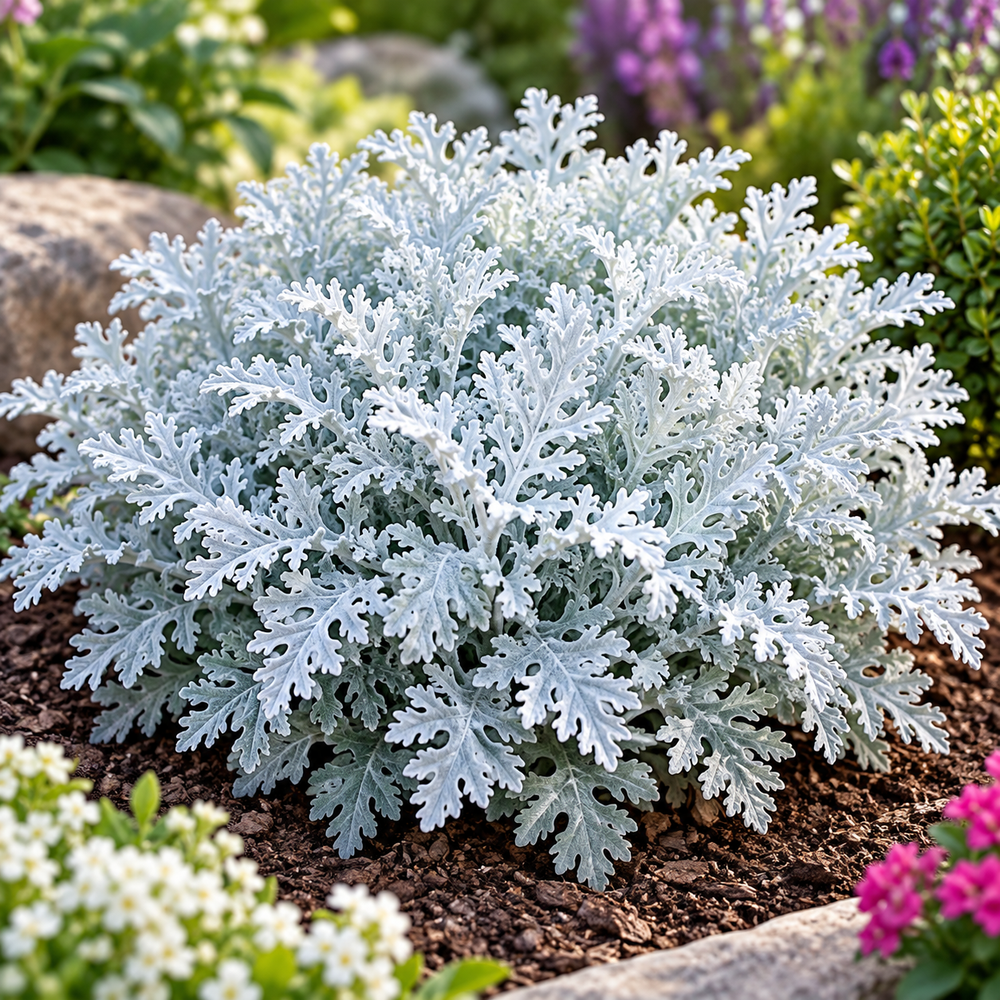
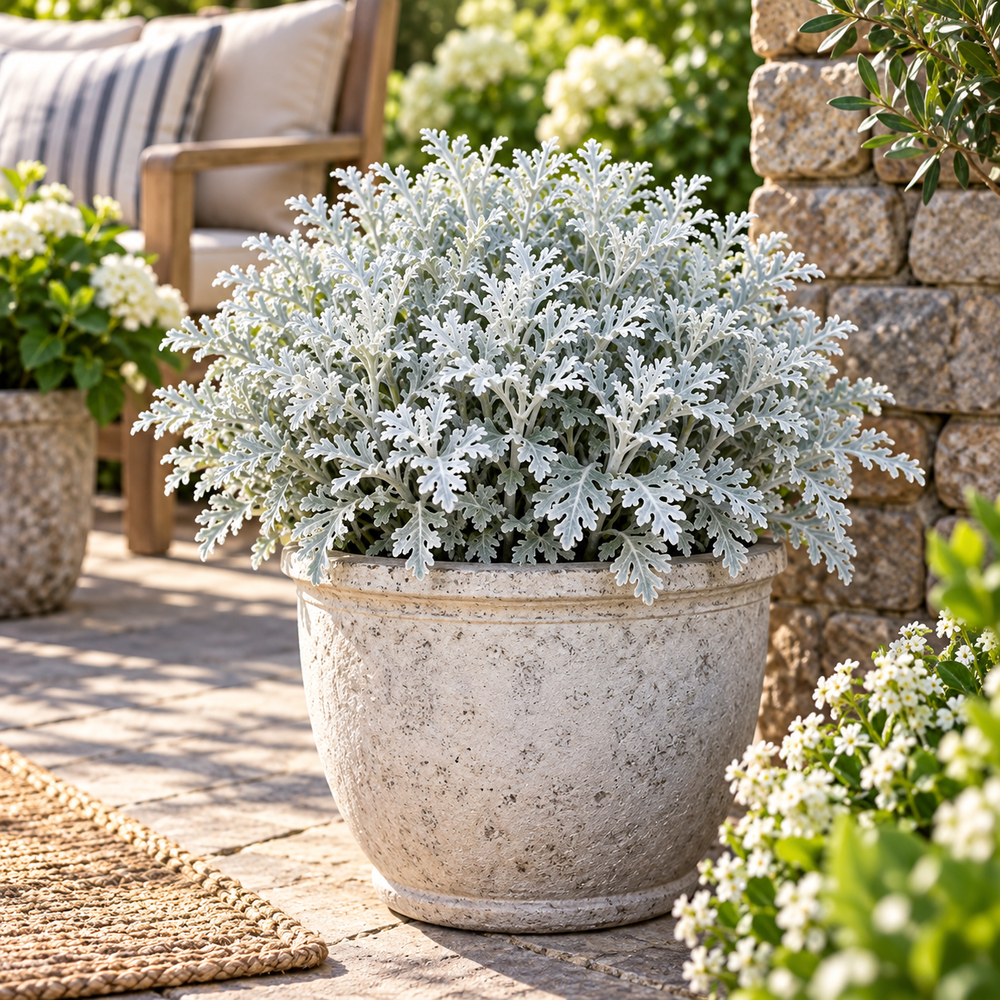
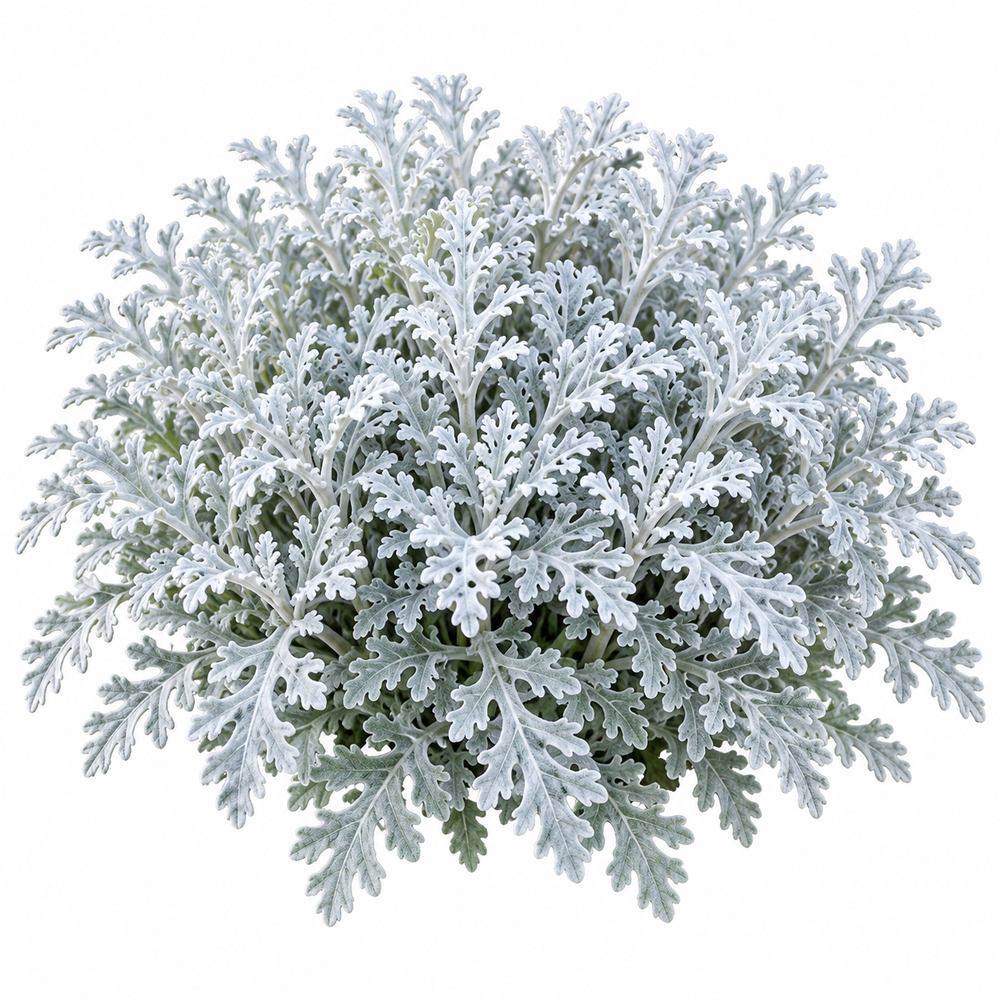
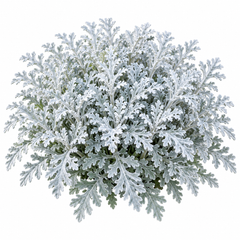
Approx. 50 seeds per pack.
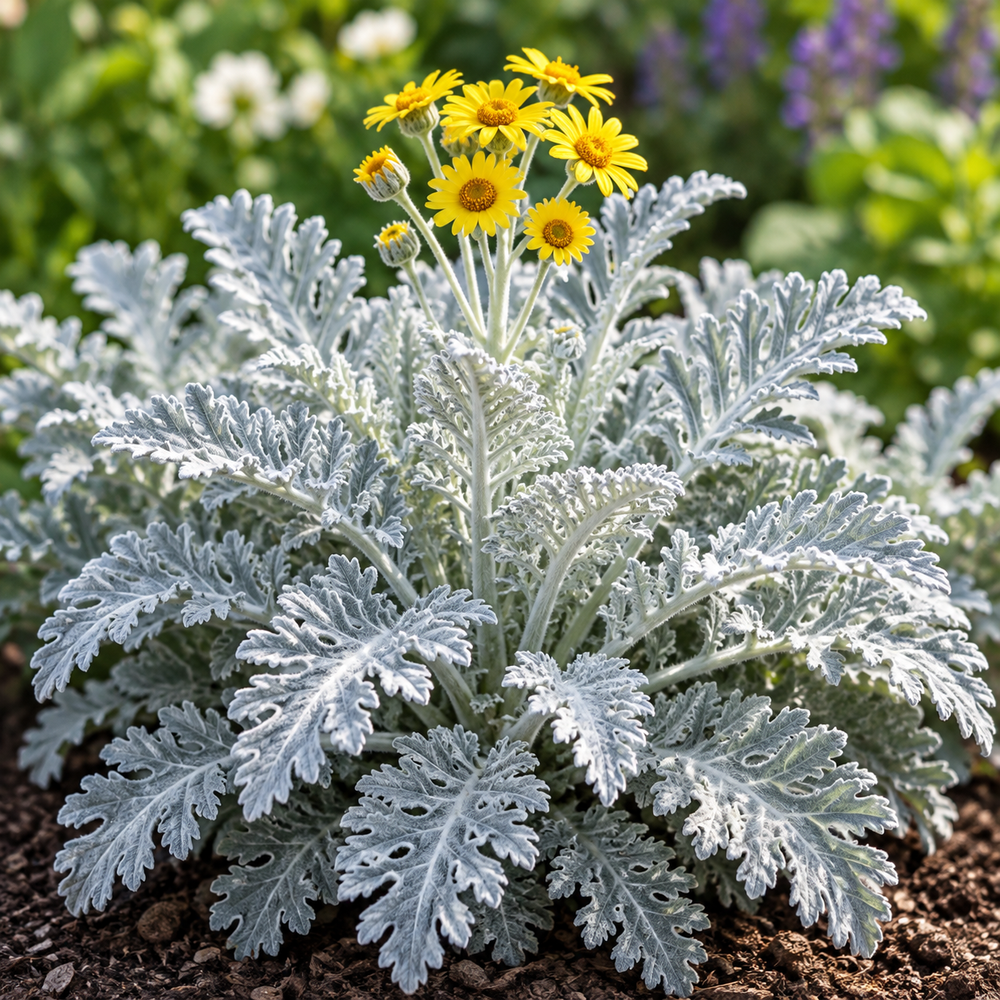
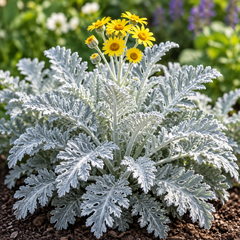
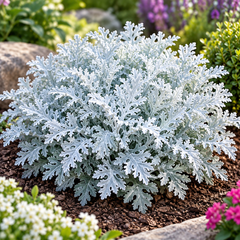
Grow the elegant Cineraria Silver Dust, commonly known as سِلوری, Dusty Miller and Silver Ragwort, an ornamental foliage plant prized for its striking silvery-white, deeply cut and softly textured leaves.
Unlike ordinary flowering plants, Silver Dust is grown mainly for its:
Decorative silver foliage
which creates beautiful contrast beside colourful winter flowers, green foliage plants and dark backgrounds.
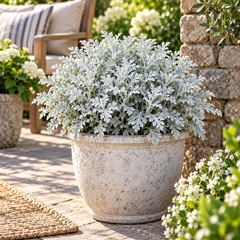
Excellent for pots, grow bags, borders, edging, rock gardens, pathways, balconies and mixed seasonal displays.
Best Sowing Season: September–November & Late January–February
Couldn't load pickup availability
Free standard shipping on orders over RS 5000
Cineraria Silver Dust is primarily valued for its:
The currently accepted botanical name is:
Jacobaea maritima ‘Silver Dust’
Older and commonly used botanical names include:
Cineraria maritima
and
Senecio cineraria
These older names are still widely used in the seed and nursery trade.
Silver Dust is grown mainly for its:
Beautiful silver foliage
rather than for showy flowers.
Older or mature plants may produce:
Small yellow daisy-like flowers
but many gardeners remove the flower stems so the plant continues focusing on:
Silver Dust develops a:
Compact, bushy and softly mounded habit.
Depending on genetics, climate and growing conditions, plants commonly remain approximately:
15–30 cm / 6–12 inches tall
in maintained garden displays.
Under long-term favourable conditions, older plants can become somewhat larger.
The compact habit makes Silver Dust particularly suitable for:
G-11 Grow Bag – 11 × 10 inch 🔗
Highly recommended for Silver Dust.
Its width provides sufficient space for a compact, rounded foliage plant.
One strong plant can develop into an attractive silver specimen.
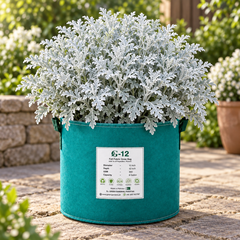
G-12 Grow Bag – 12 × 12 inch 🔗
Also an excellent option for:
A fuller and longer-lasting specimen.
G-24 Grow Bag – 24 × 12 inch 🔗
Suitable for growing:
Several Silver Dust plants together
to create an attractive mass silver foliage display.
Silver Dust is also highly suitable for:
Silver Dust prefers:
Loose, moderately fertile and very well-draining soil.
A practical GREEN GARDENS mix can include:
60% Bhalu Mitti / Sandy Soil + 30% GREEN GARDENS Vermicompost 🔗 + 10% Cocopeat
The growing medium should provide:
Silver Dust tolerates:
provided drainage remains good.
Avoid:
Silver Dust seeds are:
Small and should not be buried deeply.
Prepare a fine, level and lightly moist seed-starting medium.
Scatter the seeds carefully over the surface.
Then:
Press them gently into the moist growing medium.
Do not cover heavily.
Seeds require:
Light or very shallow covering for good germination.
If required, apply only:
A very light dusting of fine vermiculite or seed-starting mix.
After sowing, use:
A fine mist spray.
Avoid heavy watering because the tiny seeds may:
Keep the growing medium:
Lightly and consistently moist
during germination.
Under suitable conditions, germination generally occurs within approximately:
10–21 days
at temperatures around:
18–24°C.
Germination timing may vary according to:
Silver Dust seeds should receive:
Light during germination.
Therefore:
Do not bury the seeds deeply.
The ideal combination is:
Surface sowing + bright indirect light + gentle moisture + good airflow.
Avoid keeping the tray:
Permanently wet.
Excessive moisture can increase the risk of:
Once seedlings emerge:
Strong light helps produce:
Compact plants with stronger silver colour.
Weak light may cause:
When seedlings develop approximately:
3–4 true leaves
or are large enough to handle comfortably, transplant carefully into:
Handle the young root system gently.
Water lightly after transplanting.
Allow plants to establish before heavy feeding.
Maintain approximately:
15–20 cm / 6–8 inches between plants
for compact bedding displays.
Where larger individual plants are desired, allow approximately:
20–25 cm / 8–10 inches.
Correct spacing encourages:
Silver Dust develops its strongest foliage colour in:
Full sun.
Provide approximately:
5–7 hours of direct sunlight daily
during the cool season.
Good sunlight encourages:
The plant can tolerate:
Light partial shade
but excessive shade may result in:
The silver appearance of the leaves comes from:
Dense fine hairs covering the foliage.
These natural hairs reflect light and create the characteristic:
Silver-white / grey appearance.
This is normal plant structure and should not be mistaken for:
The silver colour usually becomes strongest under:
Bright sunlight and healthy growing conditions.
During germination and early seedling growth:
Maintain consistent light moisture.
After establishment:
Reduce watering frequency.
Water when the upper soil layer begins to dry.
Avoid:
Silver Dust is relatively:
Drought tolerant once established.
It generally performs better with:
Moderate watering and excellent drainage
than with constantly wet soil.
Where practical, apply water:
Near the root zone
rather than repeatedly wetting the soft silver leaves.
Constant wetting can:
Morning watering is particularly useful during cool weather.
Before planting, enrich the growing medium with a moderate quantity of:
Silver Dust is:
Not a heavy feeder.
Additional light feeding can be provided where required during active growth.
Avoid excessive nitrogen because it may produce:
Soft, stretched and greener growth
rather than compact silver foliage.
Silver Dust is grown for:
Continuous ornamental foliage rather than a single flowering period.
Under suitable conditions, young plants gradually develop into:
Dense silver mounds.
Well-established plants can provide decorative colour for:
Several months or longer.
Older plants may eventually produce:
Small yellow daisy-like flowers.
These flowers are not normally the main ornamental feature.
If your goal is maximum silver foliage:
Remove the developing flower stems.
This helps maintain:
If pollinator value is desired, some flower stems may be allowed to remain.
Silver Dust does not normally require heavy pruning.
Remove:
Light trimming can help maintain:
A neat and compact shape.
Avoid severe cutting of very young plants.
One of the greatest strengths of Silver Dust is its ability to contrast with:
Its silver colour can make surrounding flowers appear:
Brighter and more visually striking.
Excellent combinations include Silver Dust with seasonal plants such as:
During Lahore's winter:
Cool sunny conditions are particularly favourable for:
Dense, bright silver foliage.
During spring:
As temperatures rise:
Container plants may require more frequent moisture checks.
Silver Dust can tolerate:
Dry and moderately warm conditions once established
but Lahore's extreme summer heat can be stressful, especially in containers and rooftop gardens.
During extreme heat:
Healthy established plants generally tolerate heat better than young seedlings.
During prolonged humid or rainy weather:
Excellent drainage becomes especially important.
Protect container-grown plants from:
Improve airflow where required.
Excessive moisture during monsoon conditions may cause:
Once properly established, Silver Dust develops:
Good drought tolerance.
This makes it especially useful for:
However:
Young seedlings still require regular moisture during establishment.
Silver Dust is generally:
Relatively pest resistant.
Inspect young plants occasionally for:
Young tender leaves are more vulnerable than mature established foliage.
The main preventive measures are:
Silver Dust may occasionally experience:
Rust or other fungal problems
under damp conditions.
Remove badly affected foliage and improve:
Airflow and drainage.
Silver Dust is primarily grown for foliage.
However, if mature plants are allowed to produce their:
Small yellow flowers
these may attract:
If foliage quality is the main objective:
Flower stems can simply be removed.
Silver Dust is an:
Ornamental plant.
It should not be treated as an edible herb or vegetable.
Do not consume:
Keep ornamental plant material away from:
Children and pets where accidental eating may occur.
Cineraria Silver Dust is particularly suitable for:
G-11 Grow Bag – 11 × 10 inch 🔗
G-12 Grow Bag – 12 × 12 inch 🔗
Thanks for subscribing!
This email has been registered!


We are here to assist you