





- Choosing a selection results in a full page refresh.

Available 24/7 at
0300 110 7787
Couldn't load pickup availability
Free standard shipping on orders over RS 5000
Good quality bulbs
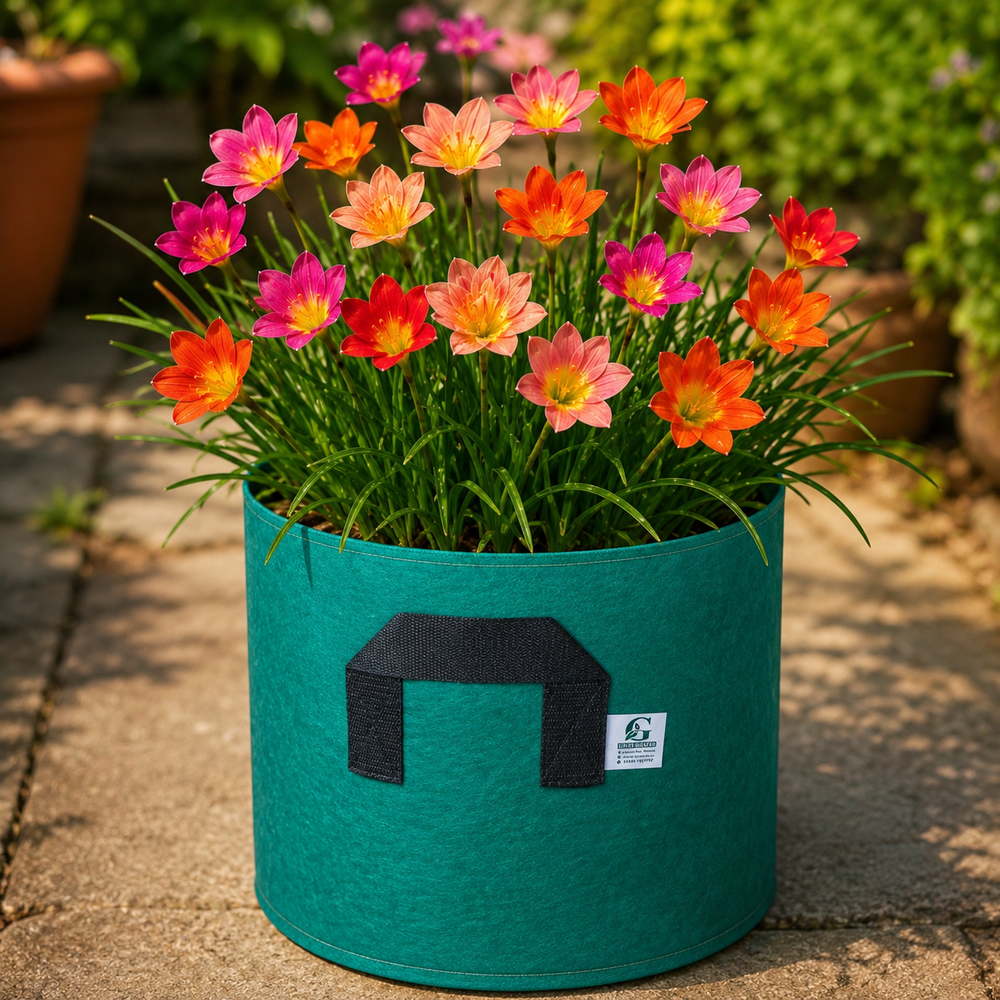
Bring beautiful seasonal colour to your garden with Rain Lily Hybrid – Thailand Imported | Pack of 5 Bulbs.
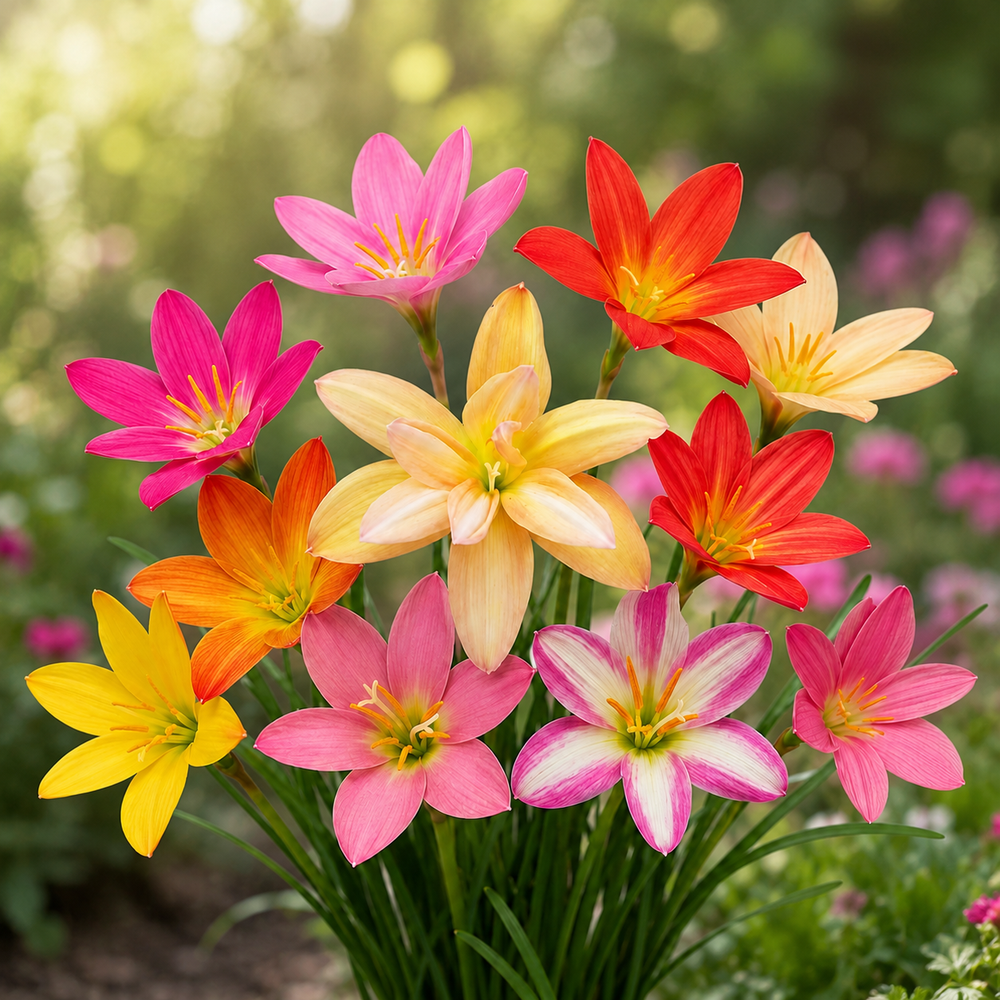
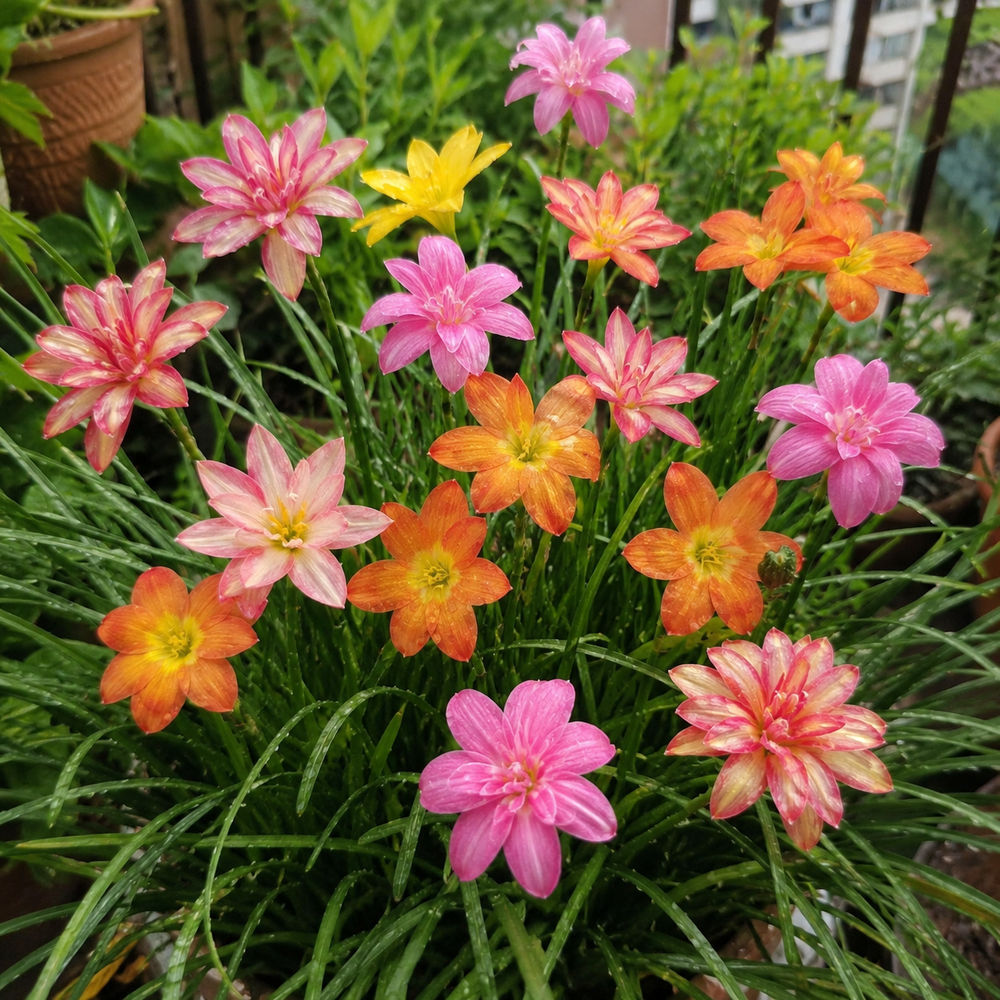
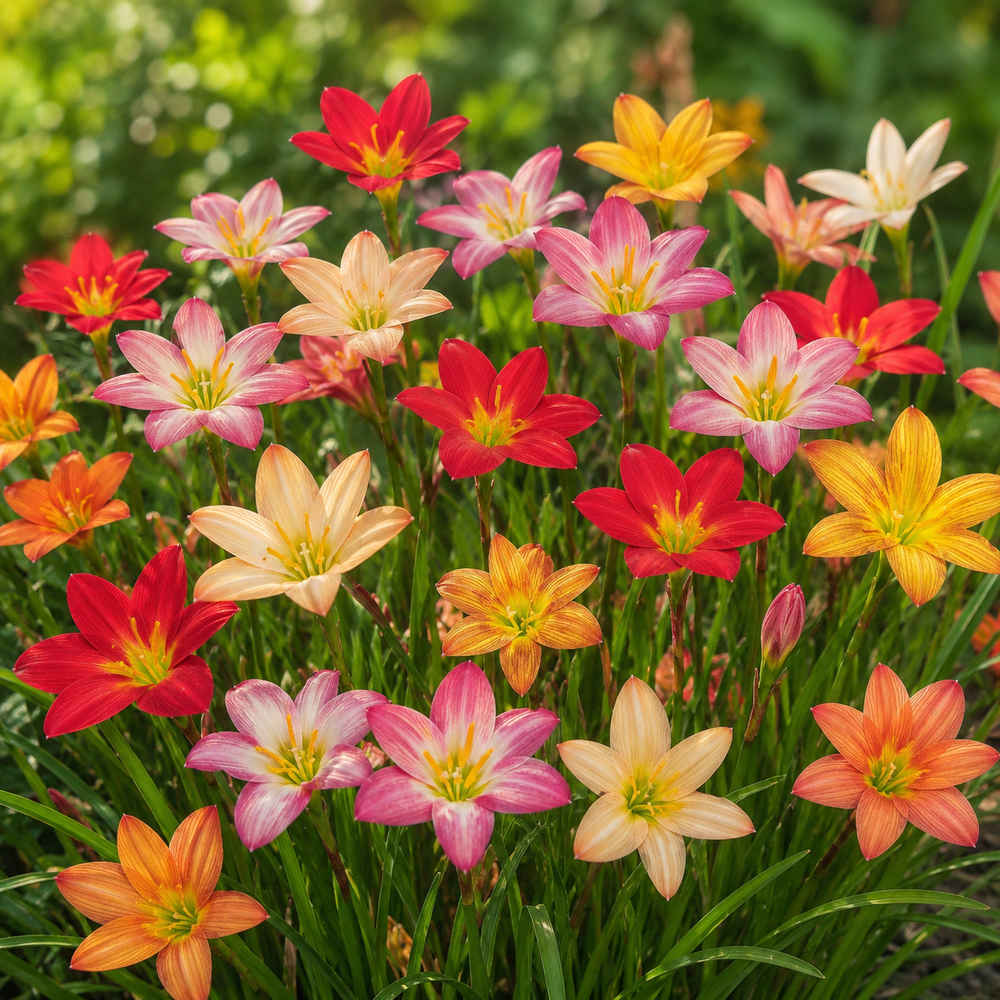
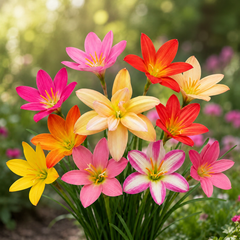
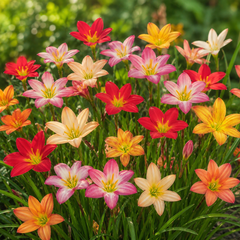
These imported hybrid rain lily bulbs can produce attractive flowers in a variety of colours, shades and forms, including pink, red, orange, yellow, peach, cream and multicolour combinations. Their elegant flowers rise above narrow, grass-like green foliage and create an eye-catching display in pots, grow bags, garden borders and flower beds.
Rain lilies are especially admired for producing fresh flower stalks during warm and rainy conditions. Mature and properly established bulbs may also respond with flowering after rainfall or a thorough watering cycle.
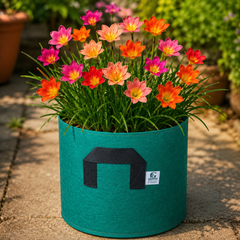
Each pack contains 5 Thailand-imported hybrid rain lily bulbs. All five bulbs may be planted together in a suitable pot or grow bag to create a fuller and more colourful flowering display.
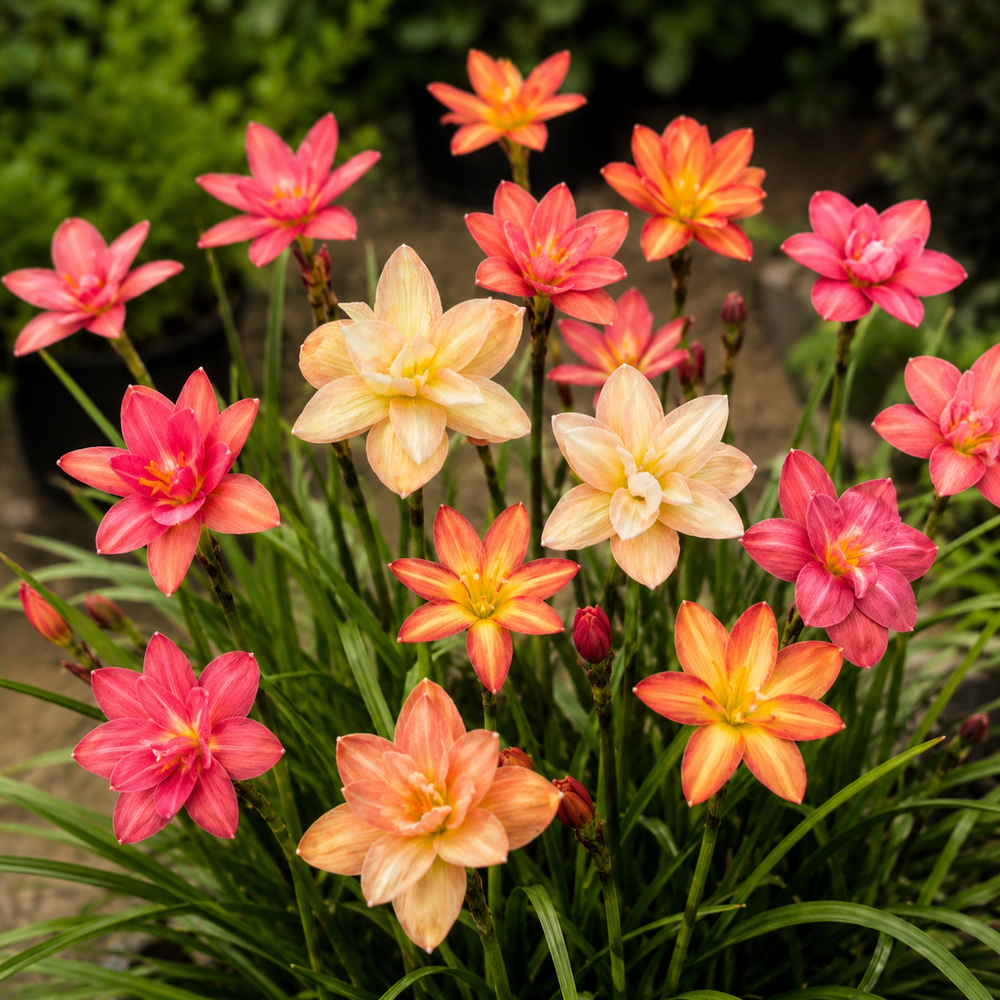
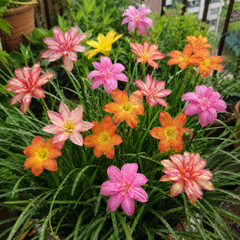
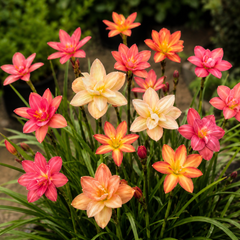
Because this product contains hybrid mixed bulbs, the flower colour, markings, shade, petal arrangement and flower form may vary naturally from bulb to bulb. Product photographs represent possible flowering results and do not guarantee an exact colour combination.
5 Rain Lily Hybrid Bulbs Random Colour and Varity
Thailand-imported hybrid rain lily bulbs
Pack of 5 bulbs
Suitable for pots, grow bags and garden beds
Produces attractive flowers in assorted colours
Possible single, semi-double or double flower forms
Fine, grass-like ornamental foliage
Suitable for balconies, terraces and rooftop gardens
Compact plant suitable for limited spaces
Can be planted throughout the year under suitable conditions
Natural variation in flower colour and form is expected
June, July and throughout the year
Rain lily bulbs can be planted throughout the year where temperature and growing conditions remain suitable. However, warm weather and the rainy season usually support more active growth and flowering.
In very hot areas, protect the plants from harsh afternoon sunlight. In colder areas, protect the bulbs from severe frost and prolonged waterlogging.
For detailed practical guidance on growing local and hybrid rain lilies, watch our complete video:
Rain Lilies Local vs Hybrid – Beginner’s Complete Growing Guide
https://youtu.be/CgIkl-33d-A?si=oy7w8PCTlFs0H0sC
The video provides additional guidance to help beginners understand rain lily planting and care. (YouTube)
Select a pot, planter or grow bag with proper drainage holes.
A 12×12-inch grow bag can accommodate the pack of five bulbs and provide enough space for healthy growth. A wide pot may also be used to create a fuller flowering display.
Never use a container without drainage, because continuously wet soil may damage or rot the bulbs.
Rain lilies perform best in loose, fertile and well-draining soil.
A suitable soil mix may contain:
50% good-quality garden soil
30% vermicompost or well-decomposed leaf compost
20% cocopeat, coarse sand or another drainage-improving material
The exact proportion may be adjusted according to the local weather, existing soil texture and drainage of the container.
Heavy clay soil should be improved before planting because it may retain too much water around the bulbs.
Before planting, check the bulbs and remove any loose, completely dry outer material.
Do not peel or cut healthy bulb tissue. Slight variation in bulb size and appearance is natural.
Place each bulb upright with the pointed growing tip facing upward and the broader root end facing downward.
Cover the bulb gently with soil. The upper neck or tip may remain slightly visible above the soil surface.
Do not force the bulb into compacted soil and avoid damaging its base.
Plant the bulbs approximately 1–2 inches deep, depending on their size.
Smaller bulbs should be planted slightly shallower, while larger bulbs may be placed a little deeper. Avoid burying them excessively deep, as this may delay growth.
Keep approximately 2–3 inches of space between bulbs.
All five bulbs may be planted together in one suitably sized pot or grow bag. Arrange them evenly so that each bulb has sufficient space to develop foliage and flower stalks.
Water the soil thoroughly immediately after planting. This helps settle the soil around the bulbs and provides the moisture required to begin root development.
After the first watering, allow excess water to drain completely.
Water again when the upper layer of soil begins to dry.
The soil should remain lightly moist during active growth but must not stay continuously soaked. Watering frequency will depend on:
Local temperature
Rainfall
Pot size
Soil mixture
Sunlight exposure
Plant growth stage
During hot weather, containers may dry more quickly. During rainy or cooler conditions, watering should be reduced.
Provide approximately 4–6 hours of sunlight daily.
Morning sunlight is generally suitable. In Lahore and other very hot regions of Pakistan, protection from intense afternoon sunlight may be beneficial during extreme summer heat.
Too little sunlight can reduce flowering, while excessive heat and harsh sunlight may stress the foliage and shorten the life of the flowers.
Mix vermicompost or well-decomposed organic compost into the soil before planting.
After the plants become established, a mild balanced fertilizer may be applied occasionally during active growth. Always follow the instructions provided with the fertilizer and begin with a reduced dose.
Avoid excessive nitrogen, as it may encourage abundant foliage with fewer flowers. Excessive fertilizer may also damage young roots and bulbs.
New leaves generally emerge from the centre of the bulb. Healthy foliage should remain narrow, upright or gently arching and naturally green.
Growth speed may vary depending on:
Bulb maturity
Temperature
Soil condition
Moisture
Sunlight
Planting season
Recently planted bulbs may require time to establish roots before producing vigorous foliage or flowers.
Rain lilies are known for producing flower stalks during warm and moist conditions. Rainfall or thorough watering may encourage mature, established bulbs to bloom.
However, flowering time cannot be guaranteed because it depends on bulb maturity, weather, sunlight, nutrition and overall plant health.
Some bulbs may flower earlier than others even when planted at the same time.
Continue normal watering while the plants are flowering, but avoid splashing excessive water directly onto open flowers.
Keep the container in a bright, airy location. Good airflow can help flowers and foliage remain healthy.
Remove faded flowers by cutting the old flower stalk near its base with clean scissors.
Do not remove healthy green leaves after flowering.
The foliage continues to prepare and store energy in the bulb for future growth and flowering. Allow the leaves to remain until they naturally become yellow or dry.
Only remove dead, damaged or completely dried foliage.
Rain lily bulbs may temporarily slow their growth or enter a resting stage during unsuitable weather.
Reduced foliage or lack of flowering does not necessarily mean the bulbs are dead. During dormancy:
Reduce watering
Avoid keeping the soil constantly wet
Do not apply heavy fertilizer
Keep the container in a protected location
Growth may resume when temperature and moisture conditions become favourable again.
Rain Lily Hybrid bulbs may be grown in:
Home gardens
Rooftop gardens
Balconies
Terraces
Flower beds
Garden borders
Window boxes
Pots and planters
Fabric grow bags
This pack contains hybrid mixed rain lily bulbs.
The flowers may vary in:
Colour
Shade
Markings
Petal shape
Number of petals
Single or double form
Flower size
Images show examples of possible colours and flower forms. Delivery or flowering of a particular colour, pattern or exact combination is not guaranteed.
Product: Rain Lily Hybrid – Thailand Imported
Pack Size: 5 bulbs
Growing Season: June, July and throughout the year
Planting Depth: Approximately 1–2 inches
Bulb Spacing: Approximately 2–3 inches
Sunlight: Approximately 4–6 hours
Watering: Water when the upper soil begins to dry
Soil: Loose, fertile and well-draining
Suitable Container: Pot, planter or 12×12-inch grow bag
Flower Colours: Assorted hybrid colours
Colour Guarantee: Exact colours cannot be guaranteed
rain-lily-hybrid-thailand-imported-pack-of-5-bulbs
Thanks for subscribing!
This email has been registered!


We are here to assist you