






Description
xApprox 100 seeds in the pack
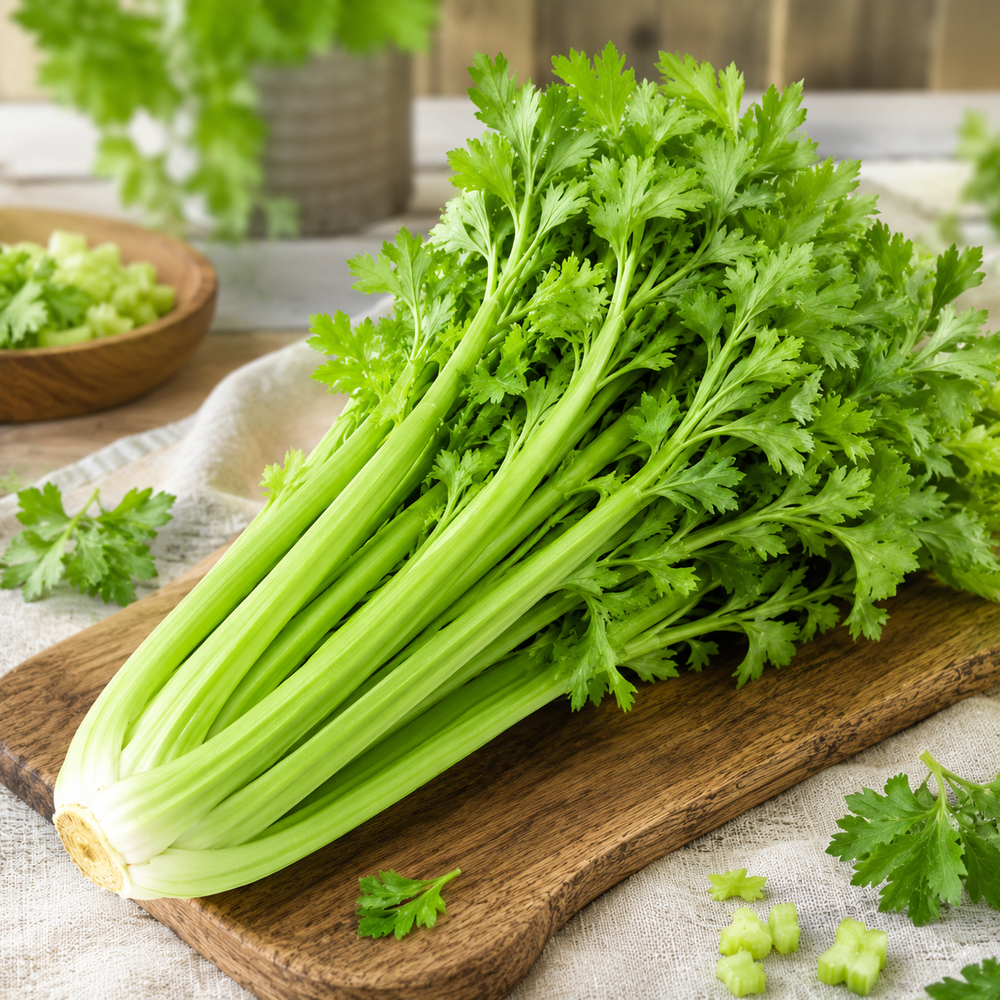
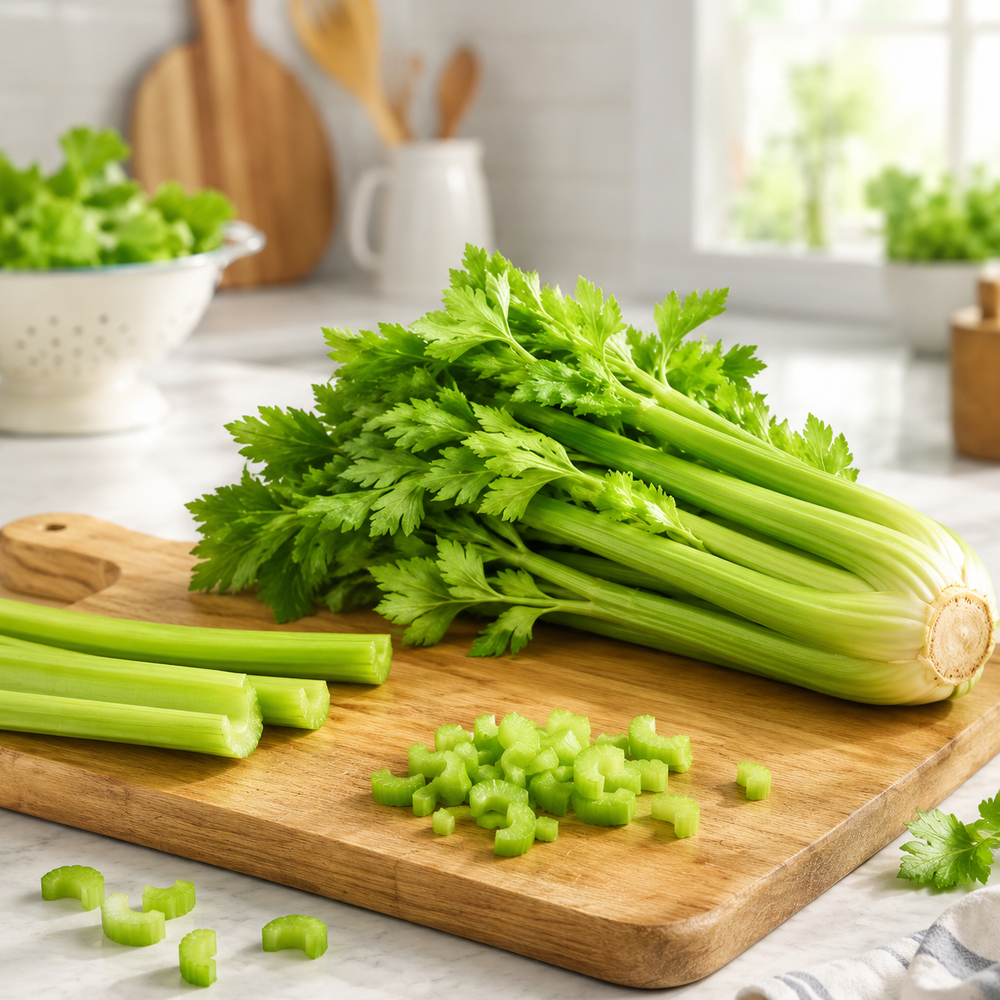
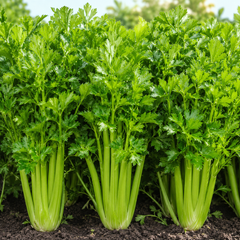
Celery F1 Hybrid is a vigorous vegetable variety grown for its crisp, aromatic stalks and fresh green leaves. The harvested stalks can be used in salads, soups, stocks, sauces, juices, and a variety of cooked dishes.
This variety performs best during Pakistan’s cool growing season. For good stalk development, celery requires fertile soil, regular moisture, mild temperatures, and consistent care. As an F1 hybrid, plants are generally uniform, but growth and harvest results may vary according to climate, soil, watering, and cultivation practices.
Main Features
-
Fresh green stalks with leafy tops
-
Suitable for home gardens, raised beds, and large containers
-
Best suited to cool-season cultivation
-
Useful for salads, soups, cooking, and kitchen garnishing
-
Requires regular watering and nutrient-rich soil
Growing Celery from Seeds in Pakistan
Sowing Season
September to November
In warmer areas, sowing during October and November is generally more suitable. Protect young seedlings from excessive heat during early-season sowing.
Germination Temperature
Best germination usually occurs at approximately 15–21°C.
Celery seeds may germinate slowly and can take approximately 10–21 days, depending on temperature, seed freshness, and moisture conditions.
Seed-Sowing Method
-
Fill a seedling tray or small pots with a soft, fine, and well-draining seed-starting mixture.
-
Moisten the growing medium before sowing.
-
Scatter the seeds over the surface.
-
Press them gently into the growing medium.
-
Cover only very lightly with fine soil or cocopeat because celery seeds are small and should not be planted deeply.
-
Mist gently with water.
-
Keep the tray in bright, indirect light.
-
Maintain even moisture without making the soil waterlogged.
Transplanting
Seedlings can usually be transplanted when they have developed 4–6 true leaves and are strong enough to handle.
Harden the seedlings gradually for a few days before moving them permanently outdoors.
Plant Spacing
-
Plant-to-plant distance: 20–25 cm
-
Row-to-row distance: 30–40 cm
For container growing, use a pot or grow bag at least 10–12 inches deep, with proper drainage. Avoid overcrowding.
Soil Requirements
Celery grows best in rich, soft, moisture-retentive, and well-draining soil.
A suitable mixture may include:
-
50% garden or sandy loam soil
-
30–40% vermicompost or well-decomposed organic matter
-
10–20% cocopeat
The soil should remain moist but should not stay soggy.
Sunlight
Provide approximately 4–6 hours of morning or mild sunlight.
In warmer conditions, protect plants from harsh afternoon sunlight.
Watering
Celery requires regular and consistent watering. Do not allow the soil to dry out completely, as irregular moisture may affect stalk development and quality.
Water near the base of the plant and ensure that excess water drains freely.
Feeding
Mix vermicompost or well-decomposed compost into the soil before transplanting.
A light application of organic fertilizer may be given every 15–20 days, according to plant growth and soil condition. Avoid excessive fertilizer use.
General Care
-
Keep the planting area free from weeds.
-
Maintain consistent soil moisture.
-
Apply light mulch around the plants to reduce moisture loss.
-
Remove damaged or yellow leaves when required.
-
Maintain airflow between plants.
-
Monitor regularly for aphids, leaf-mining insects, and fungal leaf spots.
Harvesting
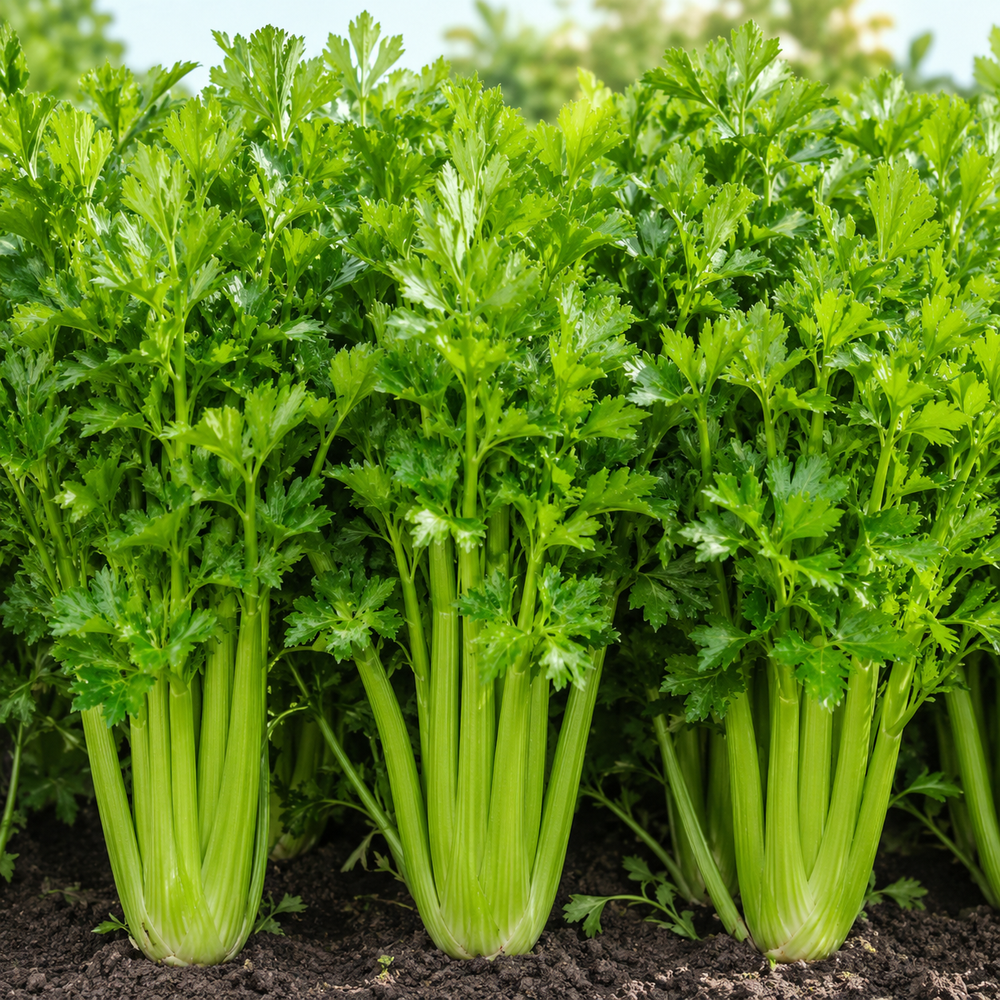
Celery can usually be harvested when the stalks are well developed, firm, and of usable size. Depending on weather and growing conditions, harvesting may begin approximately 90–120 days after transplanting.
Harvest the entire plant from the base or remove the outer stalks gradually as required.
Important Note
Seed germination, plant growth, stalk size, and harvesting time may vary according to local temperature, soil quality, moisture, sunlight, seed storage, and cultivation practices. Images are for reference and may show mature produce under favourable growing conditions.
- Choosing a selection results in a full page refresh.

