







Description
xApprox. 30 to 40 seeds per pack.
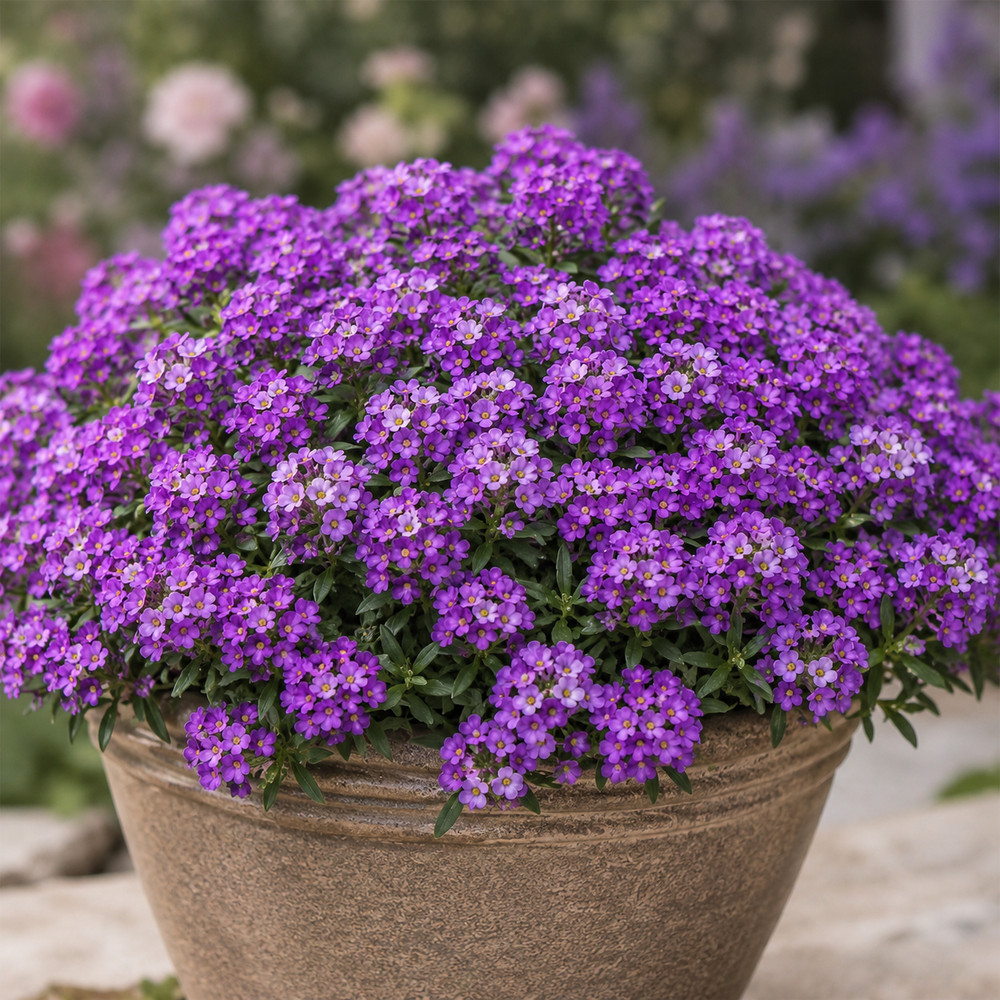
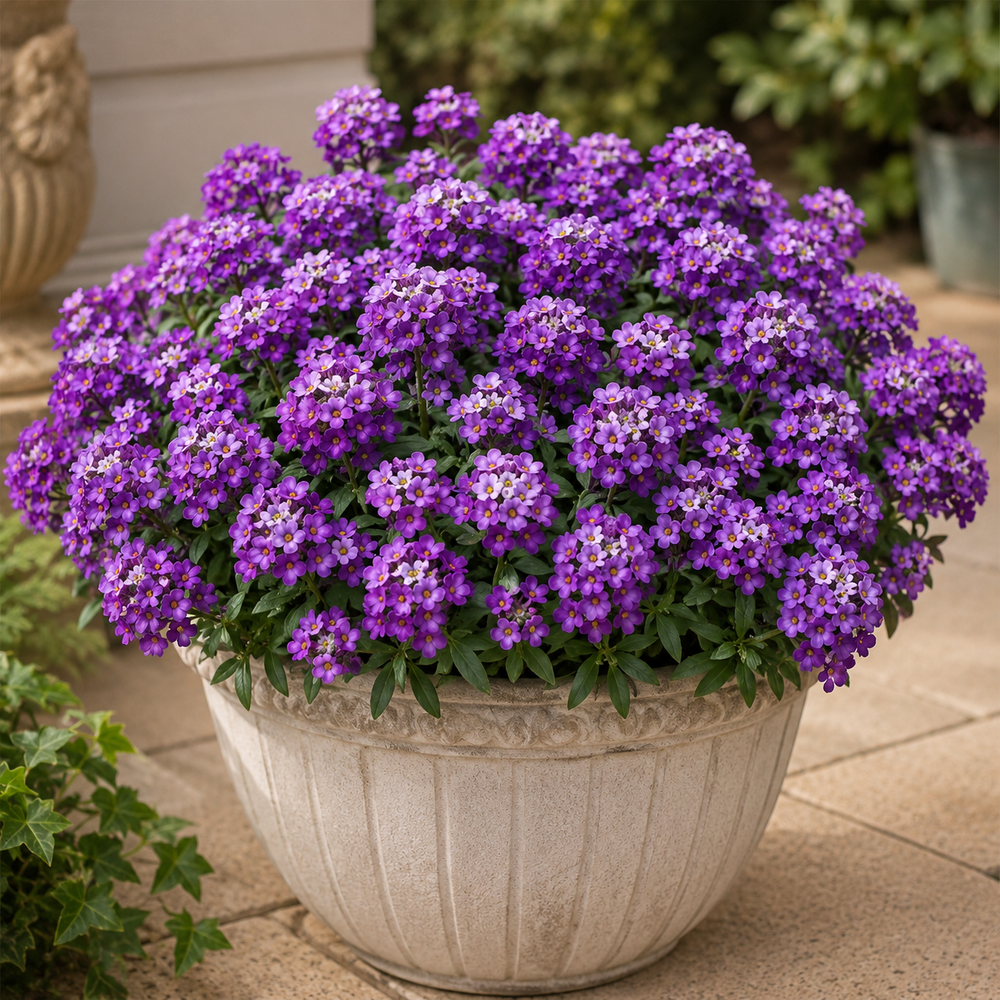
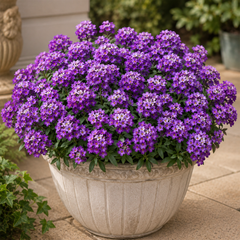
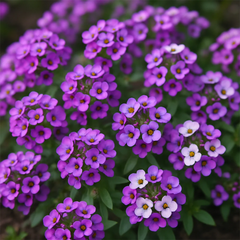
Add rich violet-purple colour to your winter garden with Alyssum Violet Queen Seeds.
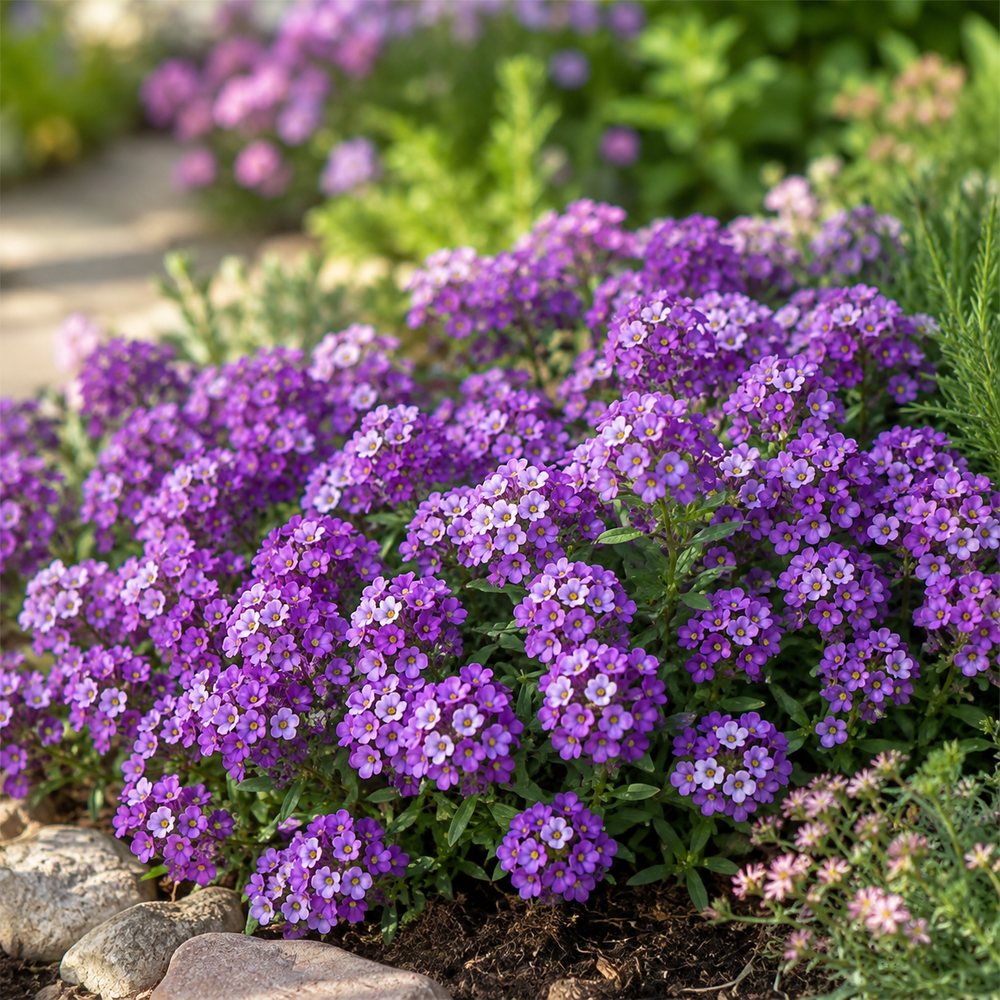
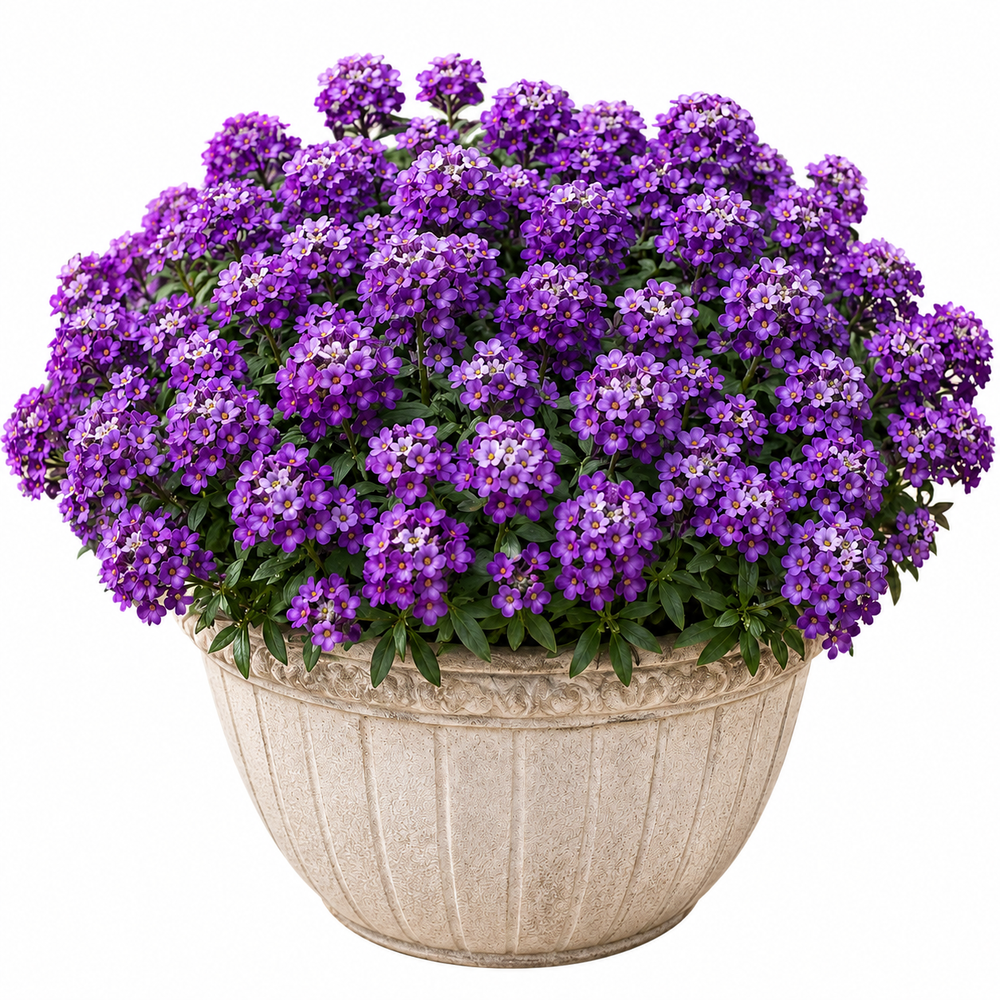
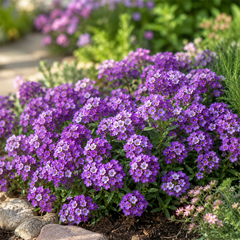
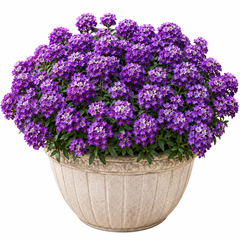
Violet Queen is a compact Sweet Alyssum variety that produces numerous small violet-purple flowers. Its low-growing, spreading habit makes it particularly suitable for garden borders, pathways, containers and spaces between other seasonal flowering plants. Commercial references describe Violet Queen as a compact variety reaching around 6 inches in height.
The flowers can produce an attractive dense display during suitable cool-weather growing conditions and are well suited to pots, balconies, garden beds and edging.
Ideal For
-
Pots and containers
-
Flower beds
-
Garden borders
-
Pathway edging
-
Rock gardens
-
Balcony gardens
-
Mass planting
-
Winter seasonal displays
Plant Features
Flower Colour: Violet to Purple
Plant Type: Flowering ornamental
Botanical Type: Sweet Alyssum (Lobularia maritima)
Growth Habit: Compact, low-growing and spreading
Approx. Mature Height: Around 6 inches under suitable conditions
Growing Location: Pots, containers and open ground
Light Requirement: Full sun to partial shade
Season: Winter in hot plains of Pakistan
Growing Instructions from Seeds
1. Best Sowing Time
For hot plains and warmer climates of Pakistan, sow during:
November–December
This timing allows the plants to establish during cooler conditions.
2. Prepare the Growing Medium
Use a light, fertile and well-draining growing medium.
A suitable mixture may contain:
-
Cocopeat or fine garden soil
-
Well-decomposed compost or vermicompost
-
Sand or another material that improves drainage
Sweet Alyssum performs best in well-drained soil.
3. How to Sow
Alyssum seeds are very small.
-
Scatter seeds gently over moist growing medium.
-
Press them lightly against the surface.
-
Do not bury them deeply.
-
If covering, use only an extremely thin layer of fine growing medium.
Violet Queen seed is commonly recommended for surface sowing because light assists germination.
4. Watering
After sowing, water gently using a fine mist or very soft shower.
Keep the growing medium consistently slightly moist while seeds are germinating.
Avoid heavy irrigation because small seeds can easily be washed away or buried.
5. Germination
Under suitable conditions, Violet Queen Alyssum may begin germinating in approximately:
5–10 days
Actual germination time can vary with temperature, moisture, seed freshness and growing conditions.
6. Light
Keep newly sown containers in a bright location.
Once seedlings are established, gradually provide good sunlight.
Sweet Alyssum generally performs well in full sun, while Violet Queen is also commonly listed as suitable for partial shade.
7. After Germination
Once seedlings develop several true leaves:
-
Thin overcrowded seedlings.
-
Remove weak seedlings.
-
Maintain suitable spacing.
-
Transplant carefully if seedlings were started separately.
Avoid disturbing the roots unnecessarily.
8. Planting in Pots
Use containers with adequate drainage holes.
Several plants may be grown together in a wider planter to achieve a fuller flowering effect while allowing sufficient room and airflow.
9. Feeding
Mix well-decomposed compost or vermicompost into the growing medium before planting.
After establishment, light balanced feeding may be provided according to:
-
Plant condition
-
Soil fertility
-
Pot size
-
Weather
-
Fertilizer strength
Avoid excessive nitrogen because overly lush vegetative growth may reduce the overall flowering effect.
10. Flowering Care
Light trimming after a major flowering flush can help maintain a compact plant and encourage further growth; the RHS similarly recommends clipping Sweet Alyssum after its first flush of bloom.
Maintain moderate watering and avoid prolonged waterlogging.
Important Growing Tips
-
Sow during cool weather.
-
Surface sow the tiny seeds.
-
Do not bury seeds deeply.
-
Keep the medium slightly moist during germination.
-
Avoid waterlogging.
-
Provide good light.
-
Maintain adequate drainage and airflow.
-
Protect young seedlings from strong irrigation.
-
Thin overcrowded seedlings.
-
Growth and flowering will vary according to temperature, sunlight, soil, watering and local climate.
Sowing Season in Pakistan
Hot Plains / Warmer Areas
November–December
Actual sowing dates may vary slightly according to local temperature and seasonal weather.
- Choosing a selection results in a full page refresh.

